
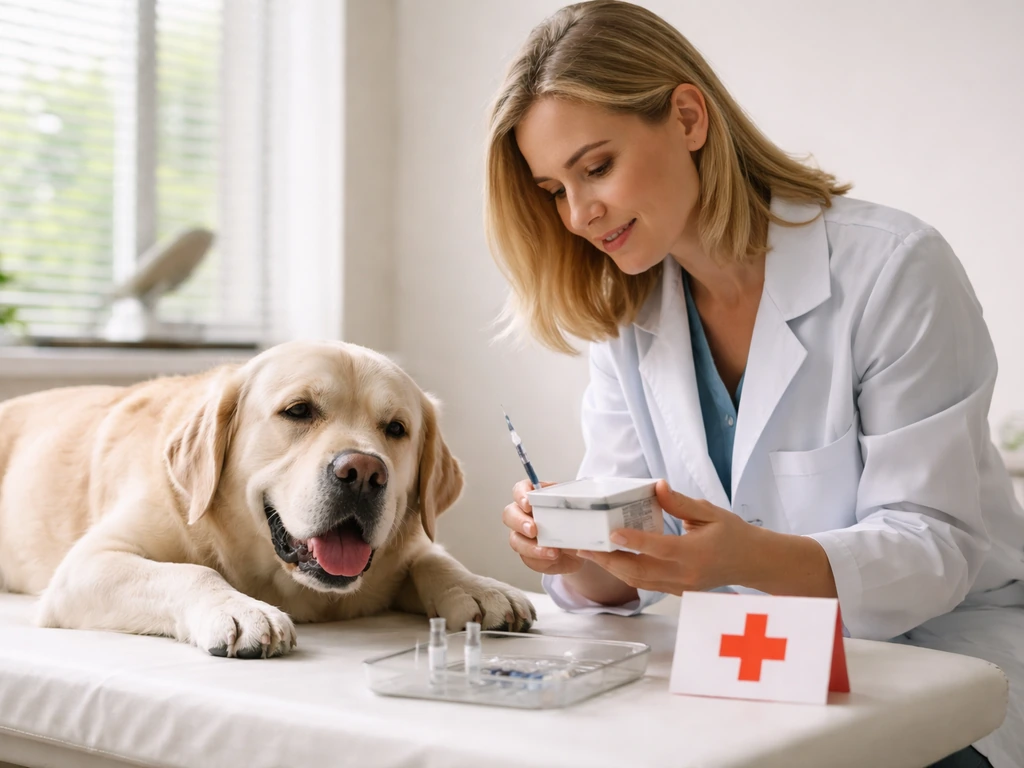
As of June 2026, there is no FDA-licensed bird flu (avian influenza) vaccine approved for dogs in the United States. No equivalent licensed product exists in the EU, UK, or Canada for companion dogs either. The avian influenza vaccines that do exist are specifically designed for poultry and other birds. So if you're looking for a shot your vet can give your dog to protect against bird flu, that product simply doesn't exist right now.
Is There a Bird Flu Vaccine for Dogs? What to Do Now

Maya Chen
29 Jun 2026
Why there's no bird flu vaccine for dogs
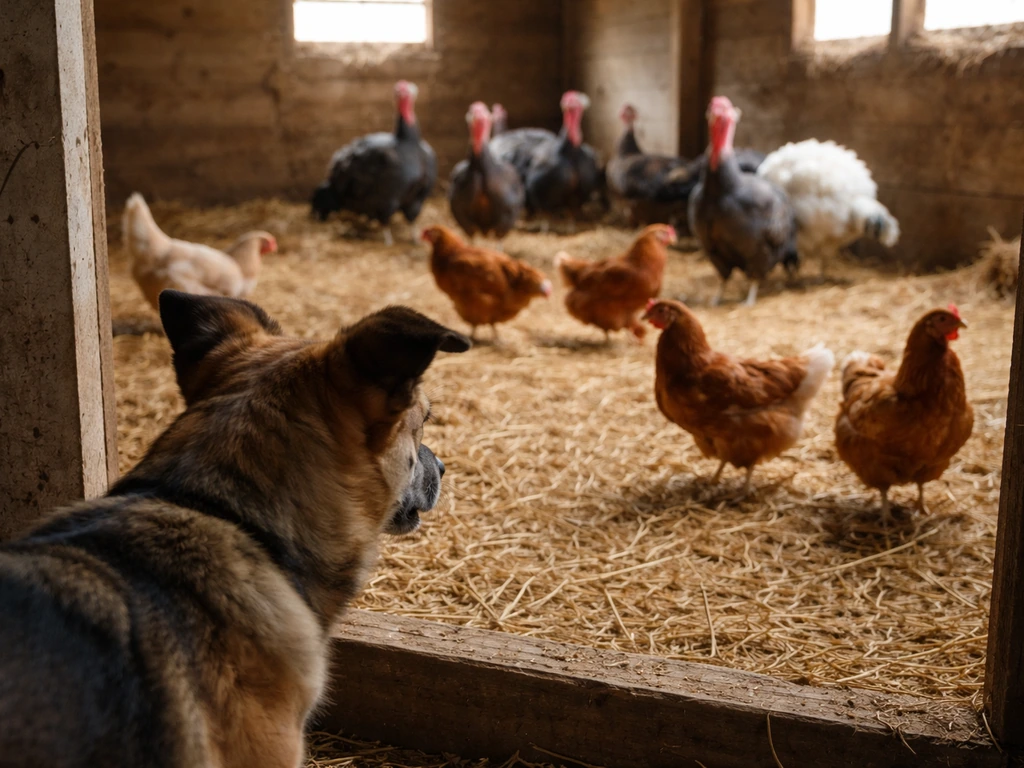
Vaccine development is driven by where the risk is highest. With avian influenza, that has historically meant poultry. Outbreaks among chickens, turkeys, and farmed birds cause enormous economic damage and public health concern, so regulatory agencies in Europe (the EMA), North America, and elsewhere have focused vaccine licensing efforts on those species. You'll find authorized H5 poultry vaccines like Vaxxinact H5 on the EMA's veterinary product list, but nothing analogous for dogs.
Dogs can and do get infected with avian influenza viruses. In April 2023, a domestic dog in Oshawa, Ontario tested positive for highly pathogenic avian influenza (HPAI), confirmed by Canada's National Centre for Foreign Animal Disease. That's a real case. But across the entire global HPAI outbreak wave that has affected tens of millions of birds, confirmed infections in dogs remain rare and sporadic. The risk exists, but it hasn't reached a scale that has pushed regulators to develop and license a canine-specific vaccine. No commercial demand, no licensed product.
It's also worth knowing what 'a vaccine' even means in this context. What is the vaccine for bird flu? In general, bird flu vaccines are designed for specific species, like poultry, rather than companion animals such as dogs. There are three tiers: a fully licensed product approved for the species (doesn't exist for dogs), an experimental or off-label use of an existing animal vaccine (no evidence this is being done clinically), and no option at all (which is where we are today). Your vet has nothing to give your dog for bird flu prevention, and that's not a gap in your local clinic, it's a universal situation.
The real risk picture for dogs
Dogs typically encounter avian influenza the same way other animals do: direct contact with infected or dead wild birds, infected poultry, or contaminated environments. The CDC is explicit that pets, including dogs, can become infected if exposed to sick or dead birds, infected dairy cattle, or other infected animals. If you are exposed to birds or other animals that may be infected with avian influenza viruses, CDC emphasizes monitoring and taking precautions because human infections associated with such exposure are rare or sporadic rare or sporadic human infections associated with exposure to avian influenza viruses. You can also look for guidance on whether there is a bird flu vaccine for cattle and what that means for farm biosecurity infected dairy cattle. A dog that regularly hunts, retrieves waterfowl, or scavenges bird carcasses outdoors has more exposure potential than a dog that rarely leaves the backyard. Cats, which are more likely to hunt and closely contact birds, appear in HPAI case reports more frequently than dogs, but dogs are not immune.
Two scenarios where you actually need to act
Your dog was exposed to a sick or dead bird
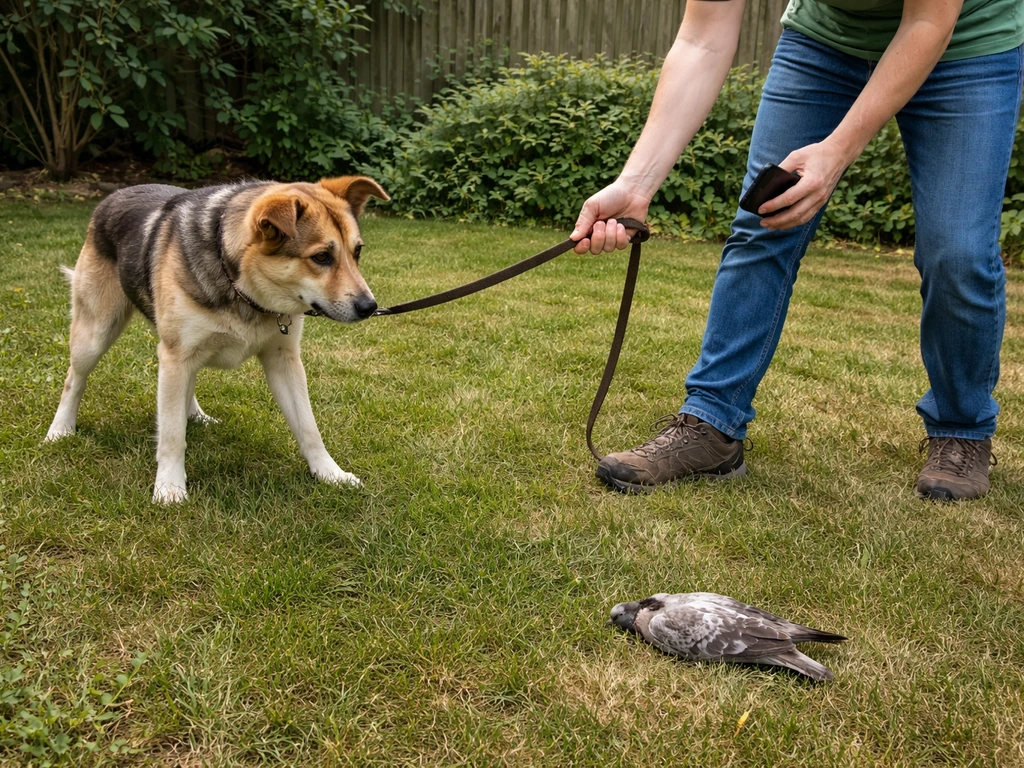
Exposure doesn't automatically mean infection. But it does mean you should watch your dog closely for at least 10 days and contact your veterinarian to report what happened. Symptoms to watch for include respiratory distress (coughing, labored breathing), eye discharge or conjunctivitis, lethargy, loss of appetite, or neurological signs like loss of coordination. Your vet may or may not recommend testing depending on local outbreak status at the time. Don't handle any sick or dead birds with bare hands, and if your dog has been in direct contact with one, wash your hands thoroughly after touching the dog until you get veterinary guidance.
Your dog is sick and bird exposure happened
If your dog is showing respiratory or neurological illness and had recent exposure to wild birds, poultry, or other potentially infected animals, call your vet before bringing the dog in. This matters because infection-control precautions may be needed at the clinic. Your vet can arrange appropriate testing (nasal/throat swabs, potentially tested through state animal health labs or USDA-affiliated labs) and provide supportive care. There is no antiviral drug specifically approved for dogs with influenza, but supportive treatment (fluids, fever management, respiratory support) is standard veterinary practice. The CDC recommends seeking veterinary care in exactly this scenario.
What you can actually do to protect your dog today
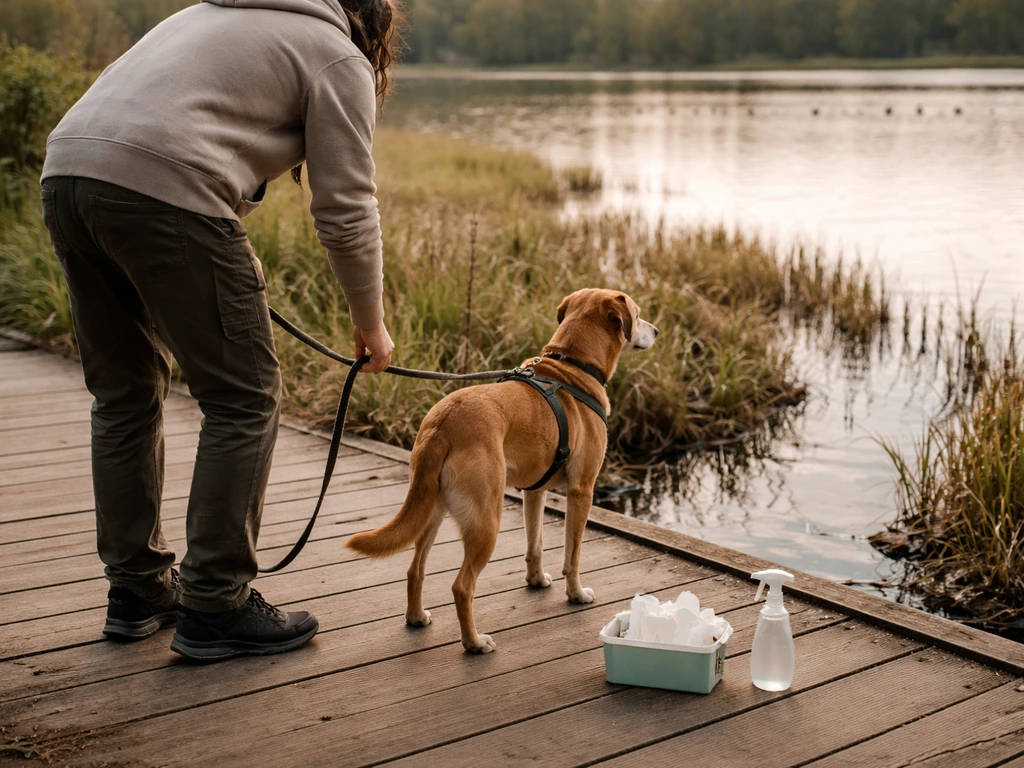
Since vaccination isn't an option, prevention means reducing exposure. This is more practical than it sounds, and most of it is common sense.
- Keep dogs away from wild bird congregations, especially waterfowl areas during known HPAI activity in your region. Check your state or provincial animal health authority for current outbreak maps.
- Don't let dogs scavenge or mouth dead birds. Train a reliable 'leave it' response if you walk in areas with wildlife.
- If your dog retrieves waterfowl during hunting season, rinse the dog off afterward and wash your hands before and after handling game birds.
- Keep outdoor dogs away from backyard poultry flocks if you have them, and don't allow dogs access to poultry enclosures during an active outbreak.
- If you find a dead bird in your yard, use gloves and a sealed bag to dispose of it before your dog can get to it. Don't let the dog investigate the area.
- Wash your hands after handling your dog if the dog has been outdoors in a high-risk area during a regional HPAI outbreak.
What to tell your vet and what to ask
When you call or visit your vet, the most useful thing you can do is give a clear exposure history: when and where the contact happened, what the dog was in contact with (dead bird, live bird, poultry farm, etc.), and the dog's current symptoms if any. Ask your vet whether your state or region currently has active HPAI detections in wild birds or poultry, since that context changes the testing calculus. Ask whether testing is available through your state veterinary lab if symptoms develop. And ask whether any infection-control precautions apply to you as the owner during the monitoring period.
The human health angle and when to report
The CDC states that it's unlikely for a person to get bird flu from direct contact with an infected pet, but it's not impossible. Avian influenza viruses are zoonotic, meaning they sit at the human-animal interface, and the WHO's risk framework treats human-animal exposure events seriously. If your dog has confirmed or suspected HPAI and you've been in close contact with the dog (especially touching mucous membranes, handling secretions without protection), you should monitor yourself for symptoms like fever, cough, and sore throat for at least 10 days.
If your dog tests positive for HPAI, your veterinarian is typically required to report it to state and federal animal health authorities (USDA APHIS in the US, CFIA in Canada). That reporting chain also connects to public health authorities who may want to follow up with you. This is part of the One Health approach that organizations like WHO, FAO, and WOAH use to coordinate responses at the human-animal interface. The updated joint FAO/WHO/WOAH public health assessment emphasizes a blank" rel="noopener noreferrer">One Health approach for influenza risk assessment and coordinated response at the human-animal interface. You don't need to call public health yourself in most cases, but if your vet doesn't initiate reporting or you're concerned about your own symptoms, contact your local or state health department directly.
It's also worth knowing that bird flu vaccination for humans is a separate and actively evolving area, and questions around that landscape are addressed elsewhere on this site. If you're specifically wondering why there is no vaccine for bird flu, that human-focused question is covered in more detail elsewhere on this site. If you're concerned about your own risk after a pet or animal exposure, human antiviral options and exposure protocols are worth understanding separately from the pet-specific question.
Bottom line for dog owners right now
There is no bird flu vaccine for dogs. That gap exists because the risk in dogs, while real, has been too rare to drive vaccine development. Your best tools are reducing exposure, knowing the warning signs, and having a veterinarian you can call quickly if something happens. The situation isn't cause for alarm, but it is a reason to take a few sensible precautions, especially if you live near wetlands, keep backyard poultry, or have a dog that regularly contacts wild birds.
FAQ
Is there any non-FDA licensed or “off-label” bird flu vaccine I can get for my dog through a veterinarian?
In the United States there is no approved canine bird flu vaccine, and the article notes no evidence of routine experimental off-label use in clinical practice. If a clinic offers an unlicensed product, ask specifically what virus strain it targets (for example H5 only or multiple subtypes), whether it is authorized for canines anywhere, and what evidence supports safety and effectiveness for dogs.
My vet suggested a flu shot for my dog, does that protect against bird flu?
A standard dog influenza vaccine (often canine strains) does not equal an avian influenza (bird flu) vaccine. Ask your vet to confirm whether the product is designed for canine seasonal influenza strains or for specific avian subtypes like H5. The key point is that current licensed avian influenza vaccines target poultry, not dogs.
If my dog is vaccinated, do I still need to avoid contact with sick or dead birds?
Yes. Since there is no licensed bird flu vaccine for dogs, vaccination cannot replace exposure control. Even if your dog receives other vaccines, you still should avoid handling sick or dead wild birds, clean up potential contamination, and monitor closely after any direct exposure.
How long should I watch my dog after a possible bird flu exposure?
The article recommends watching for at least 10 days after direct exposure. If symptoms start earlier or worsen, do not wait for the full period, call your veterinarian right away, and tell them the exact timing and what the dog contacted.
What symptoms mean I should call before bringing my dog to the clinic?
Call first if your dog has respiratory distress (coughing, labored breathing), eye discharge or conjunctivitis, lethargy and loss of appetite, or neurological signs like loss of coordination, especially if there was recent exposure to wild birds, poultry, or other potentially infected animals. This helps the clinic use appropriate infection-control precautions.
Should I try home testing or bring the dog in without warning the staff?
Do not skip calling ahead if your dog seems sick and had recent bird or poultry exposure. The article emphasizes infection-control precautions at clinics, and it also notes that testing typically involves nasal or throat swabs. Calling first ensures correct handling and reduces risk to other animals and staff.
Does the low number of dog cases mean my dog is unlikely to get infected?
Dog infections appear rare and sporadic compared with bird outbreaks, but the article stresses that dogs can become infected. Use exposure level, not just probability, to guide caution, for example higher risk if your dog hunts or retrieves waterfowl or scavenges bird carcasses.
If a dog tests positive for HPAI, is that always reported to public health?
The article says the veterinarian is typically required to report to animal health authorities (for example USDA APHIS in the US or CFIA in Canada), and those channels can connect to public health follow-up. You usually do not need to contact public health yourself, but if you are concerned about your own symptoms, contact your local or state health department directly.
What should I do if my dog touched a dead bird, but now seems normal?
Even without symptoms, avoid further contact with birds, do not touch the bird with bare hands, and wash your hands after handling the dog until you receive veterinary guidance. Then monitor for at least 10 days, and be prepared to call the vet if any of the listed respiratory, eye, lethargy, appetite, or neurological signs develop.
Can I catch bird flu from my dog if it gets sick or tests positive?
The article states it is unlikely to get bird flu from direct contact with an infected pet, but it is not impossible because avian influenza is zoonotic. If the dog has confirmed or suspected HPAI and you had close contact, monitor yourself for symptoms like fever, cough, and sore throat for at least 10 days and contact a clinician if you feel unwell.