
Yes, eggs can be affected by bird flu outbreaks, but 'affected' usually means there are disruptions to supply, egg quality, or farm operations, not that the eggs you buy at the store will make you sick. Commercial eggs in the U.S. go through inspection systems designed to keep infected flocks out of the food supply. The real risk of getting bird flu from eating properly cooked eggs is extremely low. That said, there are legitimate questions worth answering: which eggs are implicated, whether specific brands like Eggland's Best have been involved in recalls, and what to actually do if you're worried. Here's a clear breakdown.
Are Eggs Affected by Bird Flu? Recalls, Safety, and How to Check

Maya Chen
23 May 2026
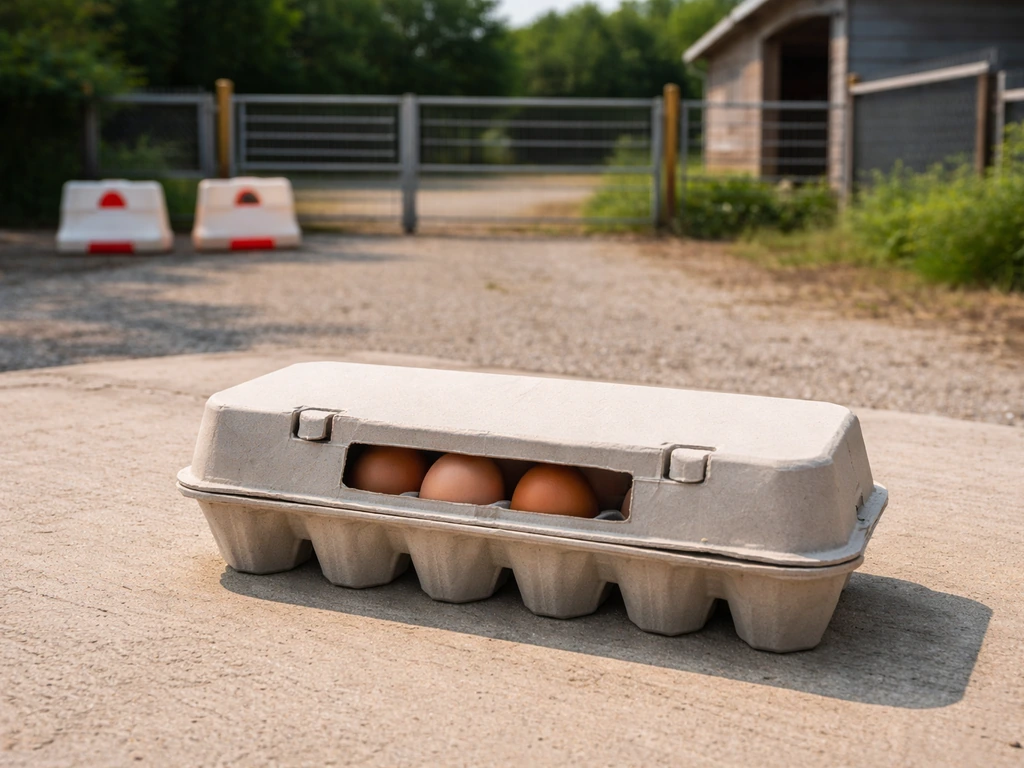
How bird flu affects eggs (and why 'affected' doesn't automatically mean dangerous)
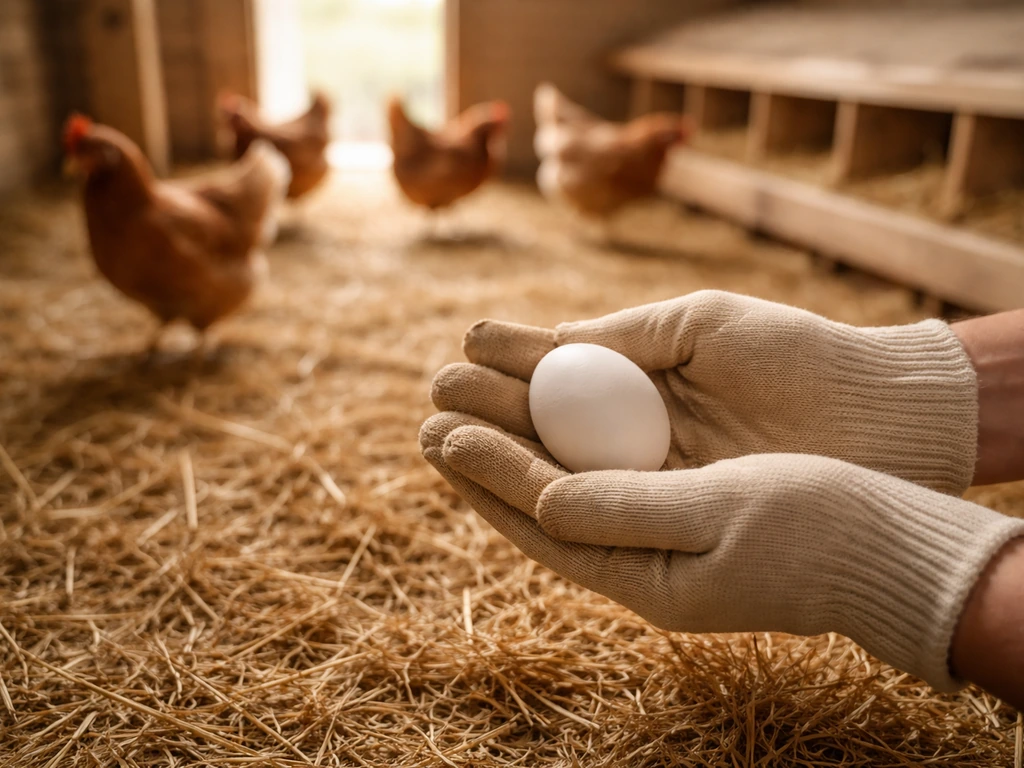
When a flock tests positive for highly pathogenic avian influenza (HPAI), one of the first signs farmers and vets look for is a sudden drop in egg production, along with soft-shelled or misshapen eggs. If you are trying to compare eggs from an affected flock, look for soft-shelled or misshapen eggs, which can be early signs at the farm level what does bird flu eggs look like. These are documented indicators listed by USDA APHIS. So yes, bird flu has a real, measurable impact on egg production at the farm level. Entire flocks are typically culled once HPAI is confirmed, which removes them from the food supply entirely.
The distinction that matters for consumers is the difference between 'affected' and 'unsafe.' A farm being affected by bird flu means the flock is sick or has been depopulated. It does not automatically mean that eggs already distributed from that farm are contaminated or dangerous to eat. Regulatory agencies intervene quickly, and eggs from infected flocks are not supposed to reach store shelves. The FDA notes that HPAI is highly contagious among poultry, which is exactly why these farms are placed under quarantine and their products are traced and removed.
There is also a meaningful difference between a flock being infected and a consumer egg carrying live, infectious virus. Even if some contamination occurred, cooking destroys avian influenza viruses. Cooking eggs properly is a key safety step because it kills avian influenza viruses, so bird flu is very unlikely to be transmitted through well-cooked eggs. So the chain of risk has multiple barriers before it reaches your plate.
Which eggs are most at risk: commercial, organic, and pasture-raised
Any egg-laying flock can theoretically be affected by HPAI, but the exposure risk differs by how birds are kept. Here's how the main egg categories compare:
| Egg Type | Housing Style | HPAI Exposure Risk | Practical Notes |
|---|---|---|---|
| Conventional commercial eggs | Indoor, cage or cage-free housing | Lower exposure to wild birds | Large supply chain; regulatory oversight is well-established |
| Organic eggs | Outdoor access required by certification | Potentially higher exposure to wild bird droppings and contact | Same USDA inspection rules apply; organic label does not mean safer from HPAI |
| Pasture-raised eggs | Outdoor ranging, often small farms | Higher exposure due to outdoor time | Smaller flocks; may have less routine HPAI monitoring |
| Backyard or farm-direct eggs | Fully outdoor, uncontrolled exposure | Highest exposure risk | No USDA commercial inspection; buy from farms with transparent flock health practices |
Organic eggs deserve a specific mention because many people assume the 'organic' label signals broader safety. It does not protect against HPAI. In fact, organic certification requires outdoor access, which can increase a flock's contact with wild migratory birds, the primary HPAI carriers. This doesn't mean organic eggs are dangerous, just that the label is irrelevant to bird flu risk. What matters is whether that specific farm's flock has been tested, cleared, or implicated in an outbreak.
How to check if a specific brand or farm is implicated

Questions about specific brands like Eggland's Best, Happy Egg, or Vital Farms come up a lot during outbreaks, and that's a smart instinct. But the honest answer is: brand name alone doesn't tell you much, because most major egg brands source from multiple farms across different states. A brand can have eggs from a clean farm and an affected farm at the same time. What actually tells you something is whether a specific lot, plant code, or farm location has been flagged.
Here's how to actually check:
- Go to the FDA's recall database at FDA.gov/recalls and search for 'eggs' to see any active or recent egg recalls.
- Check USDA FSIS (Food Safety and Inspection Service) at fsis.usda.gov for egg product recalls, which covers liquid, frozen, and dried egg products in addition to shell eggs.
- Look at the carton itself: the plant code (a USDA 'P' number or establishment number stamped on the carton) links the eggs to a specific processing facility. If a recall is issued, it will reference these codes.
- Check your retailer's website or the store's app. Grocery chains are required to notify customers about recalled products and will often post alerts or send notifications if you used a loyalty card for the purchase.
- Search USDA APHIS's website for active HPAI detections by state, which tells you which regions have confirmed outbreaks in commercial flocks.
If you're specifically worried about Eggland's Best or any other national brand, go directly to that brand's website during an outbreak. Major brands typically post statements clarifying which facilities or states are involved if any of their farms are affected. No statement during an active outbreak is itself a meaningful signal that their supply is unaffected.
Understanding egg recalls: what they mean and what to do
A recall means that a product that reached consumers or retailers has been identified as potentially unsafe and is being removed from the market. For eggs, a recall is relatively rare because flocks are typically quarantined before their eggs are shipped. When a recall does happen, it's usually because a flock tested positive after eggs had already been distributed, or because an inspection found contamination at a processing facility.
When an egg recall is issued, the announcement will include specific information: the brand name, the UPC codes, the plant code on the carton, the 'best by' or 'sell by' date range, and the states where the product was distributed. Your job is to match this information to your carton.
If your eggs match a recall, here's what to do:
- Do not eat them, even if you planned to cook them thoroughly. During an active recall, the precautionary principle applies.
- Seal the carton in a plastic bag and discard it in a trash can that is not accessible to animals.
- Clean and sanitize the refrigerator shelf or drawer where the eggs were stored.
- Wash your hands with soap and water after handling the carton.
- Check with the retailer for a refund. Most stores will issue one without requiring you to return the product.
If your eggs don't match the recall details (different plant code, different date range, or not distributed in your state), you are not holding recalled eggs. Keep them and handle them normally.
Food safety basics for eggs during an outbreak

Whether there's an active outbreak or not, the food-safety rules for eggs don't really change. The CDC confirms that cooking poultry, eggs, and other animal products to appropriate internal temperatures kills avian influenza A viruses. For the exact temperature guidance for eggs, see the dedicated section on what temperatures kill bird flu in eggs appropriate internal temperatures kills avian influenza A viruses.. For example, an omelette made with properly cooked eggs is still covered by the same food-safety rules. For a practical guide on how to cook eggs to avoid bird flu, focus on using appropriate internal temperatures and safe handling cooking poultry, eggs, and other animal products. That means the cooking step is your most reliable line of defense if you ever have any doubt.
- Cook eggs until both the yolk and white are firm, not runny. This means the internal temperature has reached at least 160°F (71°C).
- Avoid eating raw or undercooked eggs, including soft-scrambled eggs, runny fried eggs, or dishes made with raw egg (like some homemade mayonnaises or mousse) during active outbreaks.
- Wash your hands with soap and water before and after handling raw eggs.
- Refrigerate eggs at or below 40°F (4°C) and use them within the recommended timeframe on the carton.
- Do not wash eggs before storing them; commercial eggs in the U.S. have been washed and sanitized already, and re-washing can remove the protective coating and introduce bacteria.
- Clean any surfaces, cutting boards, or utensils that raw eggs touched, especially during an outbreak period.
If you're interested in exactly what temperatures kill bird flu in eggs or what cooking methods are safest, those specifics are worth reviewing separately, as the science behind heat inactivation of influenza viruses is well-documented and genuinely reassuring.
What's your actual risk of getting bird flu from eggs?
Here's the part that should help you sleep better. The CDC is direct about this: people rarely get bird flu, and when human infections do occur, they are almost always the result of close, unprotected, direct contact with infected birds or other animals, not from eating food. Farmworkers who handle sick or dead poultry without protective equipment are in the highest-risk category. Grocery shoppers buying a carton of eggs at a supermarket are not.
The layers of protection between an infected flock and your plate include: depopulation of infected flocks, regulatory inspection of processing facilities, commercial pasteurization for liquid egg products, proper refrigeration throughout the supply chain, and finally, cooking. Every one of those steps reduces the risk further. The probability of a properly cooked commercial egg transmitting bird flu to a healthy adult consumer is not zero in theory, but it is vanishingly small in practice.
The bigger real-world risk from bird flu for most people is indirect: flock losses drive up egg prices and reduce availability, which is a genuine economic impact that has played out visibly during recent outbreaks. That's a different kind of 'affected,' and arguably the one that matters most to everyday consumers right now.
Your practical checklist right now
If you're reading this because you're concerned about your current eggs, here's a simple decision path:
- Check FDA.gov/recalls and USDA FSIS for any active egg recalls. Match the plant code and date range on your carton to the recall notice.
- If your eggs are not part of a recall, keep them. Cook them thoroughly and follow standard hygiene practices.
- If your eggs are part of a recall, discard them, clean your fridge, and get a refund from the retailer.
- If you buy from a local farm or farmers' market, ask the farmer directly whether their flock has been tested or is showing any signs of illness. A reputable small farm will be transparent.
- Stay updated during active outbreaks by bookmarking the USDA APHIS HPAI situation report page, which tracks confirmed detections by state and flock type.
Bird flu is a serious disease for poultry, and outbreaks have significant effects on the egg supply. But for consumers buying eggs through normal retail channels, the risk to human health from eggs is low, particularly when those eggs are handled safely and cooked properly. Here is a quick guide to whether bird flu can realistically get into the eggs you buy and what to do if you have concerns bird flu affect eggs. Staying informed through official channels, knowing how to read a recall notice, and applying basic kitchen food safety will cover almost everything you need to protect yourself and your household.
FAQ
If there is a bird flu outbreak near my area, should I throw away the eggs I already bought?
Probably not, if you are buying from normal retail channels and the eggs are properly refrigerated and cooked. Bird flu risk in people is driven by close, unprotected contact with infected birds, not by swallowing virus from a carton at the store. If you still feel uneasy, the most practical step is to cook the eggs to the recommended internal temperature and avoid using cracked, leaking, or dirty shells.
How can I tell if my specific carton, not just the brand, is implicated?
Brand names alone are not reliable during an outbreak. Because many brands source from multiple farms and states, what matters is whether your specific carton matches an official recall notice, including the plant code and the date range. If there is no recall that matches your carton details, you generally do not need to discard eggs early.
Are eggs labeled organic or cage-free safer during bird flu outbreaks?
Do not rely on “organic” or “cage-free” labels to judge bird flu exposure. Those labels describe farming practices, and for avian influenza risk the deciding factor is whether the specific flock has been tested, cleared, quarantined, or implicated. In other words, the certification label does not automatically make the flock safer or riskier for HPAI.
What should I do if my eggs are past the best-by date during an outbreak?
Yes, but it is more about egg safety generally than bird flu specifically. If a recall is issued, follow the recall instructions for return or disposal, and if your eggs are only “possibly old,” use your usual food-safety shelf-life practices and smell or visual checks. Bird flu is controlled mainly through cooking and supply-chain controls, but safe handling still matters to prevent other pathogens.
If my carton only partially matches a recall, am I still at risk?
If you see a recall announcement, match the recall identifiers to your carton exactly. Look for the brand name, UPC, plant code, and the sell-by or best-by date range, plus the states listed. If any of those details do not line up, that is strong evidence your eggs are not part of the recall.
Is bird flu risk different for pasteurized liquid eggs or refrigerated egg products?
Pasteurized liquid egg products have an additional barrier because they are pasteurized for commercial use, but you still must keep them refrigerated and cook them per package directions. The “extra step” is processing, not a change in household cooking rules, so safe cooking and handling still apply.
Should I wash eggs to reduce the risk of bird flu on the shell?
Generally, no. The goal is to prevent illness from other causes, not to “sterilize” bird flu from shells. If an egg is cracked or dirty, discard it. If it is intact, avoid washing it, because washing can spread bacteria into the egg. Cooking provides the main protection after a safe supply chain.
What are the biggest kitchen mistakes that increase risk when you are worried about bird flu?
For bird flu specifically, well-cooked eggs are the key step. Practical kitchen decisions that matter most include cooking until fully set (especially for dishes with runny centers), avoiding cross-contamination from raw eggs, and washing hands and utensils after contact with raw egg. If you are making meringues or lightly cooked preparations, use stricter cooking/handling practices.
Does eating eggs pose the same risk as being around infected poultry?
Human infections are rare, and the highest risk groups are those with close, direct contact with infected birds or animals without protective equipment. For shoppers, a key risk-management move is simply normal retail handling plus proper cooking, rather than trying to “special-case” your behavior beyond that.
What should I do if I cannot find recall details or official updates for my brand?
If you cannot find brand-specific guidance or a recall match, the safest approach is to follow CDC-style egg food-safety fundamentals: keep eggs cold, discard cracked eggs, prevent raw egg contact with ready-to-eat foods, and cook to the appropriate internal temperature for your dish. Also check for official recall updates rather than relying on social media posts.