How bird flu hits egg production in laying hens
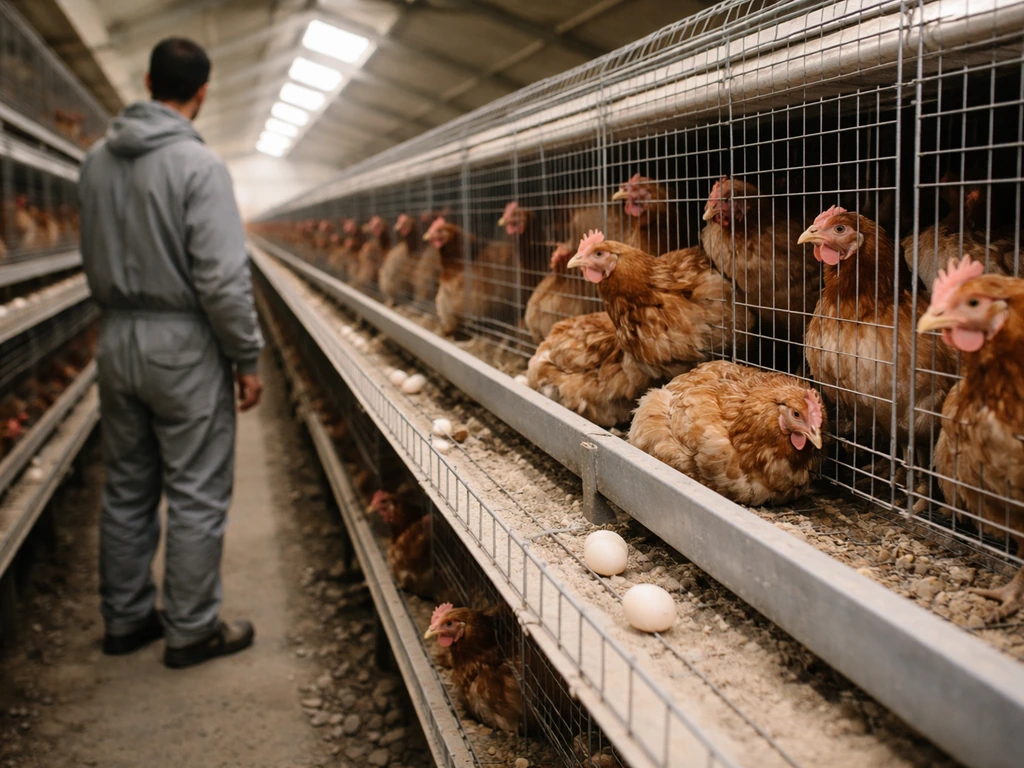
When highly pathogenic avian influenza (HPAI) enters a flock of laying hens, it moves fast and hits hard. HPAI strains, particularly H5N1 and H5N2, cause severe systemic illness in birds. The virus attacks the respiratory and reproductive systems simultaneously, and a hen that is battling a severe respiratory infection simply cannot maintain normal egg production. You will typically see a flock drop from normal laying rates to near-zero within a matter of days after infection spreads through the barn.
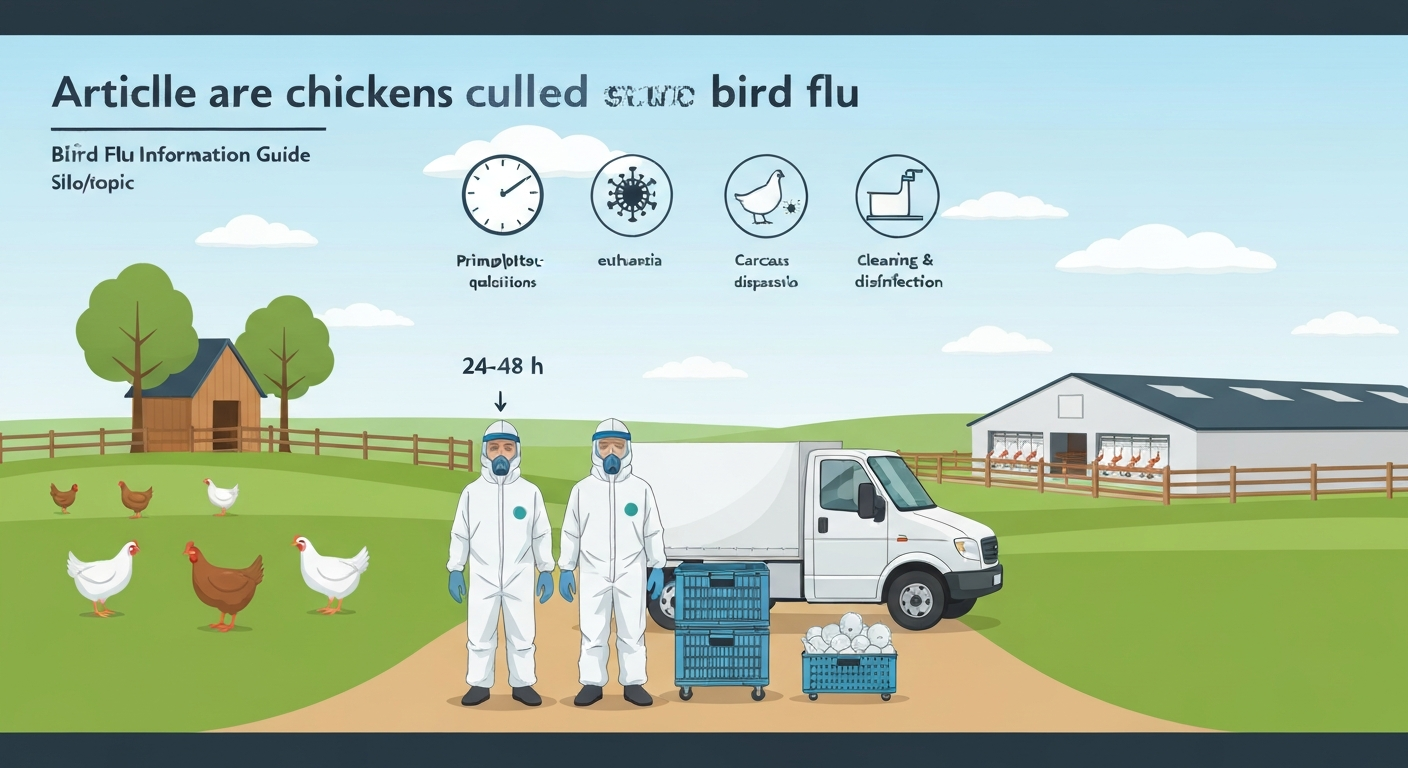
Even before mortality spikes, the stress of illness alone disrupts the hormonal cycle that drives egg laying. Hens require stable feed intake, body temperature, and hormonal signaling to produce eggs on a predictable schedule. HPAI disrupts all three. Then, because there is no treatment and HPAI spreads rapidly between birds, standard protocol requires the entire flock to be depopulated (culled) once a positive case is confirmed. A single confirmed HPAI detection at a commercial egg facility can mean millions of hens removed from production in a single event, which is precisely why outbreaks translate so quickly into egg shortages at grocery stores.
Backyard flocks experience the same biology. A sudden, significant drop in egg production is actually one of the official warning signs built into USDA biosecurity monitoring plans for small flock owners, right alongside sudden mortality events. If your hens go from a dozen eggs a day to one or two almost overnight, that warrants attention and is worth reporting to a veterinarian or your state animal health official.
What infected eggs can look like
Eggs laid by a hen in the early stages of HPAI infection can look completely normal on the outside. In more advanced cases, hens may lay soft-shelled, misshapen, or discolored eggs because the virus disrupts the reproductive tract. However, you cannot reliably identify a potentially contaminated egg by appearance alone. If you want to understand what bird flu eggs look like on the outside, abnormalities in shell quality and shape are the most visible signs, but absence of visible abnormality does not mean the egg is clean.
Why eggs take the hit harder than chicken meat

This is a question worth unpacking because it surprises a lot of people. The reason bird flu seems to affect eggs more directly than chicken meat comes down to anatomy and farm management, not just biology. Laying hens are kept alive for their continuous output, sometimes for 12 to 18 months or longer, which means they have a long exposure window. Broiler chickens raised for meat are slaughtered at 6 to 8 weeks, a much shorter runway for the virus to enter a flock and spread widely before the birds are already out of the production system.
At the biological level, HPAI targets epithelial tissues throughout the body, including the oviduct, which is the organ responsible for forming the egg. When the virus infects the oviduct directly, it can contaminate eggs internally before the shell is even formed. This is different from surface contamination, which would happen if a healthy hen laid an egg in a contaminated environment. Internal contamination from a severely infected hen is the bigger concern from a food-safety standpoint, even though commercial egg-washing and inspection protocols are designed to address both.
Meat from infected flocks has a different risk profile largely because of how meat is processed. Cooking temperatures for poultry meat routinely exceed the threshold needed to inactivate influenza viruses. The same principle applies to eggs, as we will cover in the food-safety section below.
Is bird flu still affecting egg supplies right now?
As of April 2026, HPAI outbreaks in U.S. poultry have caused ongoing disruptions to commercial egg supply that began in earnest with the wave of H5N1 detections starting in early 2022. The cumulative impact on laying hen flocks has been substantial, and egg prices have reflected this across multiple seasons. Whether the current situation is actively getting worse, stabilizing, or improving depends on the season, migratory bird patterns (wild birds are a primary transmission vector), and which states have active detections.
The best way to get a current picture is to go directly to the tracking tools that are updated regularly. The CDC maintains a map of USDA-reported H5N1 detections in commercial poultry and backyard flocks, updated as new cases are confirmed. USDA-APHIS publishes its own HPAI confirmed cases map for livestock and poultry, updated each weekday, showing new cases in the last 30 days and cumulative totals by state. These are the sources to bookmark if you want to stay current, because outbreak activity genuinely does shift week to week based on where migratory birds are traveling.
As a general rule, spring and fall migration seasons carry higher transmission risk because wild waterfowl are moving through poultry-dense regions. Summer and winter tend to see lower transmission rates, though the virus has proven it can persist year-round at lower levels. Supply disruptions do not always correlate perfectly with outbreak severity, since the market has other factors at play, but active HPAI detections in your region are a reasonable signal to pay closer attention to your own flock or local egg supply.
Can you eat eggs during a bird flu outbreak? The food-safety picture

The direct answer is yes, you can eat eggs during a bird flu outbreak, with the standard caveat that you should cook them properly and handle them with basic food hygiene. Both the FDA and USDA have conducted a joint interagency risk assessment specifically examining the public health impact of HPAI in poultry, shell eggs, and egg products. Their conclusion is that commercially sold eggs are safe for consumers. Eggs are safe to eat with bird flu at the retail level because multiple layers of protection, from flock testing and depopulation to commercial washing and inspection, are designed to keep infected eggs out of the supply chain in the first place.
The FAO has assessed the risk of acquiring avian influenza A(H5N1) through food as negligible, particularly when standard food-safety practices like adequate cooking are applied. WHO's guidance, cited by food safety agencies including the UK Food Standards Agency, confirms that influenza viruses are inactivated by thorough cooking. This means that even in a theoretical scenario where a virus-contaminated egg somehow made it to your pan, cooking the egg fully would eliminate the risk.
Cooking is your real protection layer
Heat is the mechanism that makes eggs safe. Cooking eggs kills bird flu virus reliably because HPAI viruses are heat-sensitive. The specific temperatures needed are not extreme, meaning a fully cooked scrambled egg or a hard-boiled egg reaches well above the threshold required to inactivate the virus. CDC “Safer Food Choices” lists egg dishes cooked to an internal temperature of 160°F as a way to keep them safe when they do not contain meat or poultry blank" rel="noopener noreferrer">Safer Food Choices lists egg dishes cooked to an internal temperature of 160°F. The risk scenario that food-safety experts flag involves undercooked preparations: runny yolks, soft scrambles, and especially recipes where the egg is not fully heated throughout.
If you want to know exactly what temperature kills bird flu in eggs, the guidance points to an internal egg temperature of 160°F (71°C), which is the standard safe minimum for egg dishes. At that temperature, HPAI viruses and most other egg-borne pathogens are inactivated. A food thermometer takes the guesswork out of it entirely. For practical guidance on specific cooking methods, how to cook eggs to avoid bird flu covers technique-by-technique recommendations for everything from fried eggs to baked dishes.
What about omelets and other partially cooked egg dishes?
A common question is whether a French-style omelet, which has a slightly runny center, poses any risk. The practical answer is that for commercially sourced eggs in a region with standard USDA oversight, the baseline risk is already very low. The question of whether an omelette can cause bird flu comes down to this: if the egg came from a regulated commercial source, the probability of the egg containing live HPAI virus is extremely low to begin with, and even a lightly cooked omelet reaches temperatures that would largely inactivate the virus. That said, if you are in a high-risk group (immunocompromised, elderly, pregnant) or your eggs came from an unregulated backyard flock with unknown health status, fully cooked preparations are a sensible precaution.
How eggs from infected flocks are kept off shelves
It helps to understand the regulatory system at work here. When HPAI is confirmed in a commercial flock, that flock is quarantined and depopulated. Eggs from confirmed infected flocks do not enter the commercial supply. Egg products (liquid, dried, or frozen eggs used in food manufacturing) go through blank" rel="noopener noreferrer">pasteurization, which also inactivates HPAI viruses. The commercial supply chain is not perfect, but it has multiple checkpoints specifically designed to prevent contaminated eggs from reaching consumers. Whether eggs are affected by bird flu at the retail level is a different question from what happens on an infected farm, and the answer at retail is reassuringly conservative.
What to do if you have backyard hens or buy eggs locally
Backyard flock owners sit in a different risk position than someone buying a carton at a supermarket. Your birds are not subject to the same surveillance and biosecurity infrastructure as commercial operations, which means you bear more responsibility for monitoring your flock and knowing when to take action.
The CDC is direct about this: poultry, including backyard birds, can carry avian influenza A viruses that are capable of making people sick. The risk to most healthy adults from routine backyard flock contact is considered low, but it is not zero, and it rises meaningfully if birds are visibly ill or dying. USDA-APHIS guidance emphasizes that sick or dead birds should be isolated or contained, and that you should contact your veterinarian, state animal health official, or USDA if you suspect HPAI in your flock.
Warning signs to watch for in your flock
- Sudden, significant drop in egg production (one of the official USDA monitoring indicators for backyard flock plans)
- Sudden increase in bird deaths with no obvious cause
- Labored breathing, nasal discharge, or coughing in multiple birds
- Swelling of the head, eyelids, or wattles
- Discoloration or lesions on the comb, wattles, or legs
- Misshapen, soft-shelled, or otherwise abnormal eggs appearing across the flock
- Lethargy, loss of coordination, or unusual neurological signs like head tremors
If you see several of these signs together, especially a combination of sudden mortality and egg production collapse, do not wait. Contact your state veterinarian or the USDA-APHIS emergency line. Early reporting triggers rapid testing, which protects your remaining birds and your neighbors' flocks.
Practical steps for backyard flock owners during an active outbreak
- Check the USDA-APHIS HPAI confirmed cases map weekly to see if there are active detections in your county or neighboring counties. It is updated each weekday.
- Keep your birds housed or covered during peak wild bird migration seasons (spring and fall) to reduce contact with wild waterfowl.
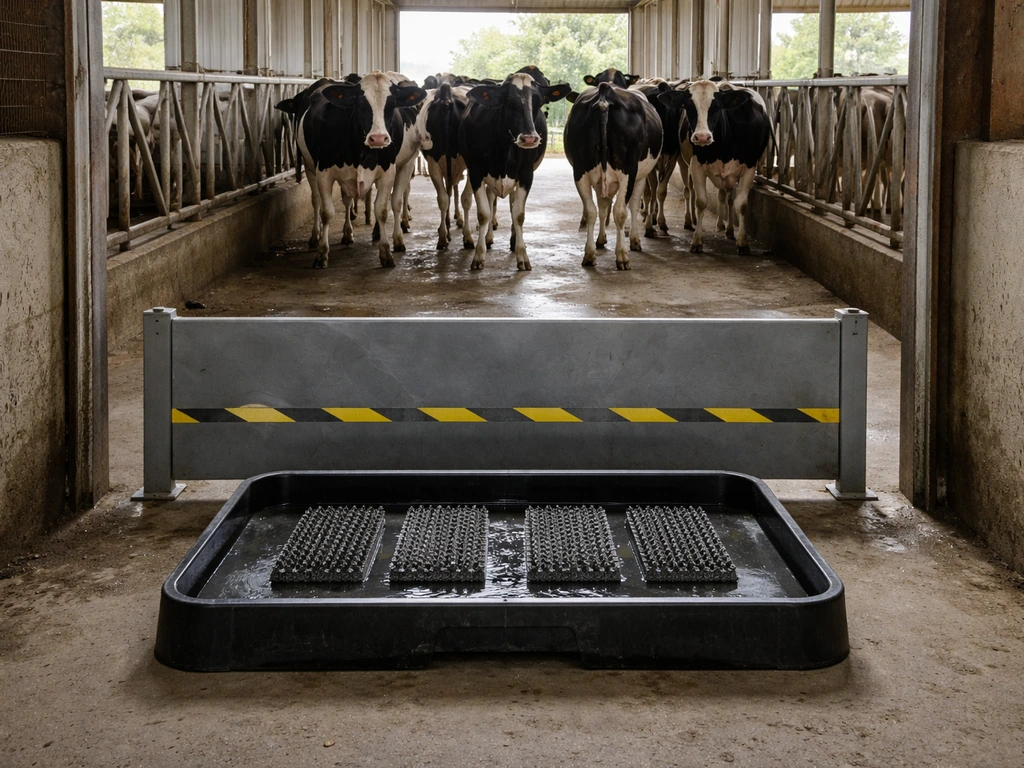
- Change footwear and wash hands before and after entering your coop, and avoid tracking in material from areas where wild birds congregate.
- Do not introduce new birds to your flock from unknown sources without a quarantine period of at least 30 days.
- Collect eggs daily, refrigerate promptly, and cook your backyard eggs fully (solid yolks, no runny centers) during periods of elevated local outbreak activity.
- Wear gloves and a mask if you are handling visibly sick birds, and wash hands thoroughly with soap and water afterward.
- Report any suspicious cluster of illness or death to your state animal health official immediately.
For people buying eggs locally or at farmers markets
Small-scale local egg producers operate outside the federal egg inspection system that covers commercial operations. This does not mean their eggs are unsafe, but it does mean the surveillance net is thinner. During a period of active HPAI detections in your region, it is reasonable to ask your local egg supplier whether their flock has been tested recently or shows any signs of illness. Cooking your eggs fully eliminates most residual risk regardless of source. The broader principle is to combine sourcing awareness with proper cooking rather than relying on either one alone.
A quick comparison: commercial eggs vs. backyard or local eggs during an outbreak

| Factor | Commercial Eggs | Backyard or Local Farm Eggs |
|---|
| Surveillance and testing | Mandatory USDA flock monitoring; infected flocks depopulated before eggs enter supply | Voluntary or absent; owner-dependent monitoring |
| Pasteurization (egg products) | Required for liquid/dried egg products used in food manufacturing | Not applicable unless processed commercially |
| Shell egg washing and inspection | Required by federal standards | Not required; may vary by producer |
| Risk of HPAI-positive egg reaching consumer | Very low due to regulatory checkpoints | Low to moderate depending on local outbreak status and flock health monitoring |
| Recommended cooking precaution | Standard safe handling: cook to 160°F (71°C) internal temperature | Cook fully (solid yolk) during any period of local outbreak activity; consider always |
| Traceability if outbreak detected | High; flock and distribution can be traced and recalled | Low; limited paper trail |
The practical recommendation: commercial eggs from major retailers carry the lowest exposure risk during an HPAI outbreak because the supply chain has the most protective layers built in. Local and backyard eggs are not inherently dangerous, but they require more vigilance on your part, both in monitoring the source flock and in cooking practices.
The bottom line on eggs and bird flu
Bird flu affects eggs in two real ways: it wrecks egg production in infected flocks, and it raises reasonable food-safety questions for consumers. The production impact is severe and explains the supply disruptions and price spikes you see during active outbreaks. The consumer safety picture is considerably more reassuring, thanks to a regulatory system that keeps eggs from infected flocks off shelves and a fundamental biological fact that heat inactivates influenza viruses reliably.
Your practical takeaways are straightforward. Buy commercially inspected eggs when possible, cook eggs to a fully set yolk during active outbreak periods, wash your hands after handling raw eggs, and if you have backyard birds, monitor them actively and know who to call if something looks wrong. The risk is real enough to take seriously and small enough that it should not change what you eat for breakfast.