Yes, pasteurized cheese is safe to eat during bird flu concerns. FDA testing has not detected infectious H5N1 in pasteurized dairy products or aged raw-milk cheeses intended for retail sale. The bigger risk category is raw-milk soft cheese, where the science is less settled, and official guidance leans toward avoidance when avian influenza is circulating. For most people buying cheese at a grocery store or deli, the practical answer is: stick with pasteurized products, handle food hygienically, and stop worrying about your cheese board.
Is Cheese Safe From Bird Flu? Dairy Safety Guide

Maya Chen
10 Jul 2026
What bird flu is and what food safety actually means here
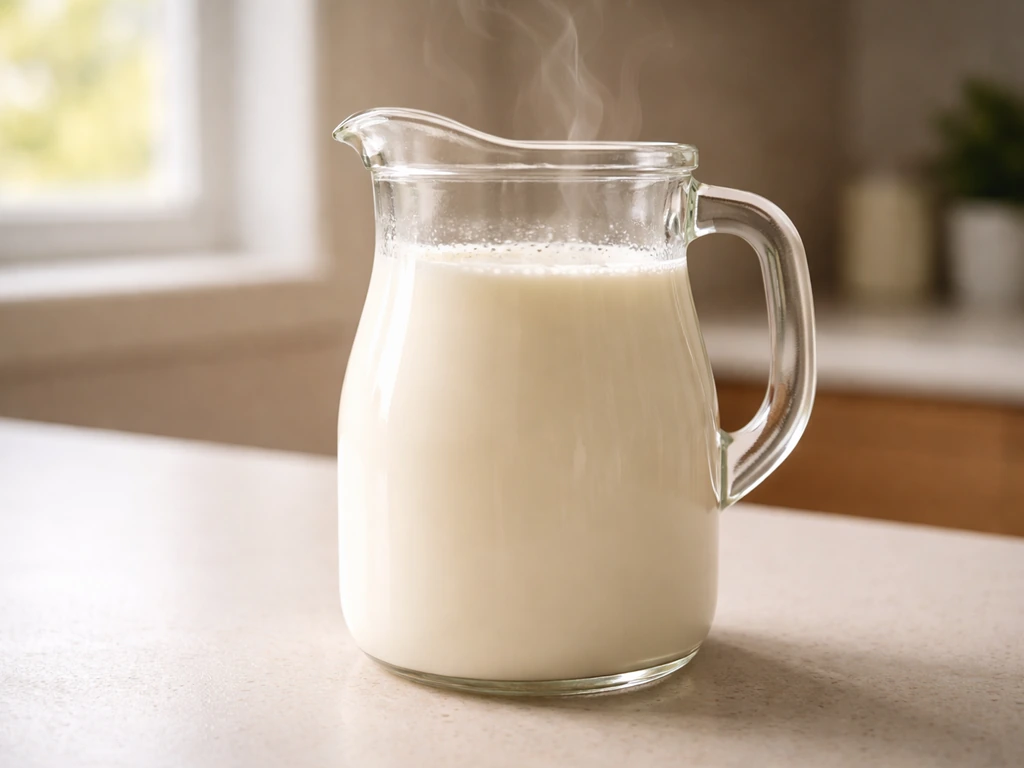
Avian influenza is caused by influenza A viruses that primarily infect birds but can spread to mammals, including cows and occasionally humans. The strains getting the most attention right now are highly pathogenic, meaning they cause severe disease in poultry and have been confirmed in U.S. dairy cattle herds. H5N1 in particular has been found at high concentrations in raw milk from infected dairy cows.
When we talk about 'food safety' in this context, we're asking a specific question: can the virus survive in a food product long enough to infect you when you eat it? That's different from the dominant transmission route, which WHO and CDC consistently identify as direct exposure to infected live or dead animals and contaminated environments (like live bird markets or infected farm settings). Food-related risk is a secondary concern, and the question of whether eating raw-milk cheese could transmit H5N1 to a person is, honestly, still not fully answered by the research. blank" rel="noopener noreferrer">CDC has said directly that they don't yet know if avian influenza can be transmitted through consuming raw milk or products made from it. That same uncertainty is part of why people often ask whether yogurt is safe from bird flu, too is yogurt safe from bird flu. That uncertainty is worth taking seriously, which is why the guidance defaults to pasteurized options.
How bird flu could theoretically get into cheese
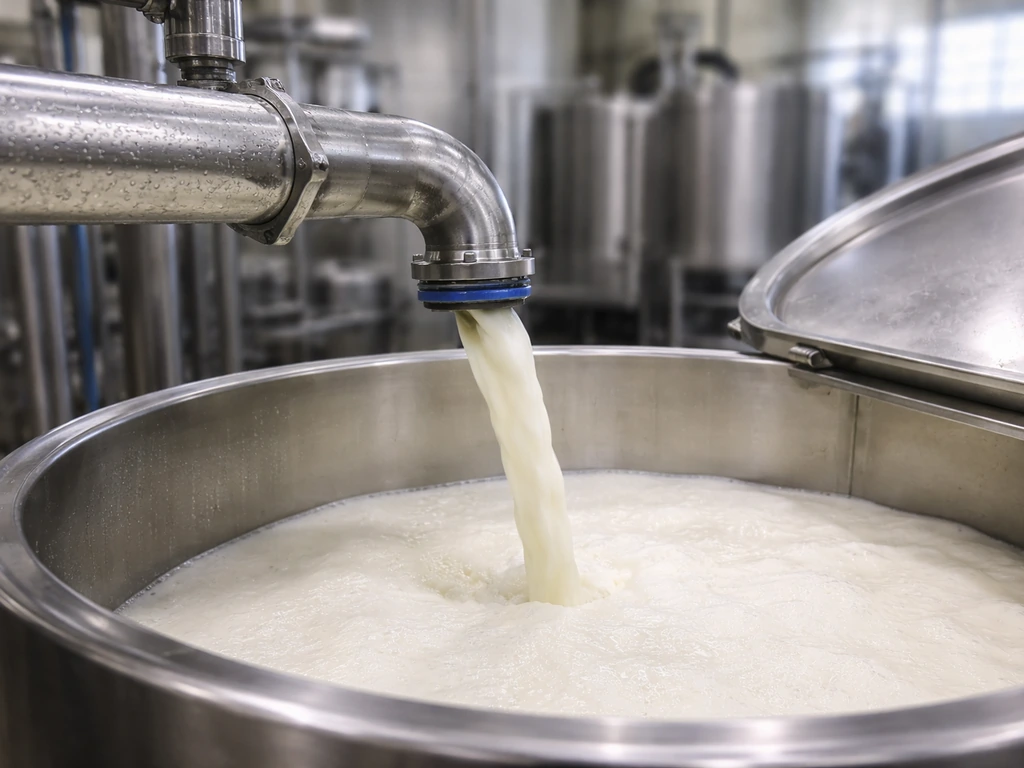
Cheese starts with milk, and milk is the most relevant point of entry. H5N1 has been detected at high levels in raw milk from infected dairy cows. If that raw milk is used to make cheese without any heat treatment step, the virus could potentially be present in the fresh product. This is the core food-safety concern, not some exotic cross-contamination scenario.
Secondary contamination routes, like an infected bird somehow coming into contact with finished cheese, are theoretically possible but not a realistic concern for commercially produced, packaged products. The real pathway people should think about is: infected cow, raw milk, fresh cheese made from that milk. Everything downstream of pasteurization effectively breaks that chain.
What cheesemaking actually does to the virus
Pasteurization is the key step
Standard pasteurization in the U.S. requires heating milk to at least 72°C (161°F) for 15 seconds, or 63°C (145°F) for 30 minutes in batch processing. Peer-reviewed research confirms that influenza A virus infectivity in milk becomes undetectable within these time-temperature parameters. FDA's own testing program has not detected infectious H5N1 in any pasteurized dairy products intended for retail. The science here is consistent and reassuring: pasteurization works against this virus.
What aging does (and doesn't) guarantee
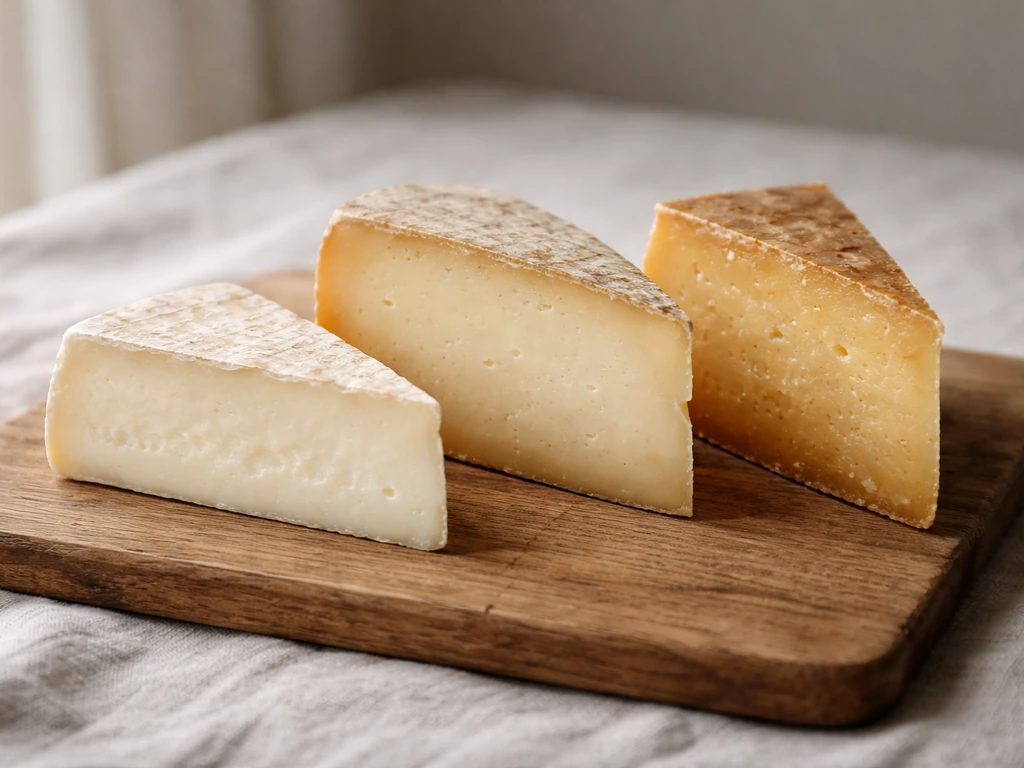
For raw-milk cheeses, the other relevant process is aging. Research published in Nature Medicine shows that infectious H5N1 titers in raw-milk cheese decrease over longer aging periods. FDA's retail testing, which has not detected infectious H5N1 in aged raw-milk cheeses intended for sale, is consistent with this. However, aging is not a validated kill step the way pasteurization is. It's a risk-reducing process, not a risk-eliminating one. A 60-day aged raw-milk cheddar is in a better position than a fresh raw-milk soft cheese made last week, but it still isn't equivalent to a pasteurized product.
Risk by cheese type: what to actually buy
Not all cheese carries the same practical risk profile. The most useful way to think about it is a two-axis question: Was the milk pasteurized? And how much processing (heat, aging, curing) happened after that? Here's how the common categories break down:
| Cheese Type | Milk Treatment | Aging/Processing | Practical Risk Level |
|---|---|---|---|
| Hard aged cheeses (cheddar, parmesan, gouda) | Usually pasteurized | Months of aging | Very low |
| Semi-hard pasteurized cheeses (swiss, provolone) | Pasteurized | Moderate aging | Very low |
| Soft pasteurized cheeses (pasteurized brie, pasteurized ricotta) | Pasteurized | Minimal aging | Low |
| Aged raw-milk hard cheeses (some artisan cheddars, aged gouda) | Unpasteurized | Extended aging (60+ days) | Low to moderate (aging reduces but does not eliminate uncertainty) |
| Soft raw-milk cheeses (queso fresco, raw-milk brie, camembert, blue-veined) | Unpasteurized | Little to no aging | Higher; official guidance advises caution |
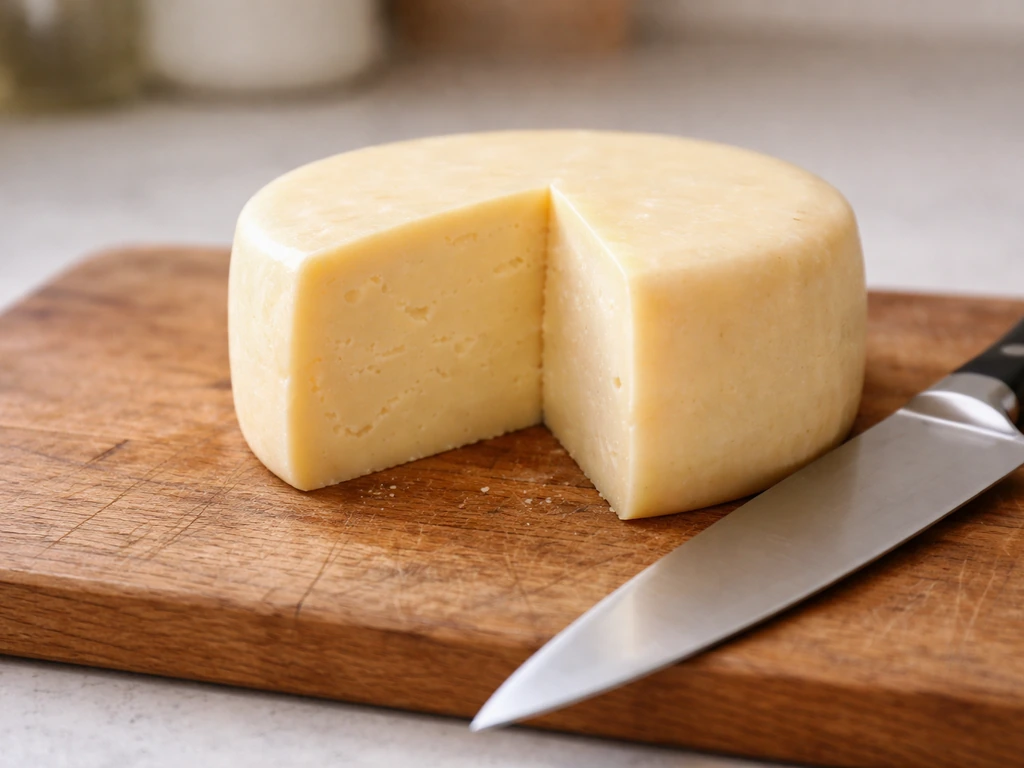
CDC's Safer Food Choices guidance puts raw-milk soft cheeses, including queso fresco, brie, camembert, and blue-veined varieties made from unpasteurized milk, in the higher-risk category. These are also the cheeses FDA calls out specifically because they don't go through a significant aging or ripening process that could reduce viable virus over time. If you're buying cheese today and bird flu is a concern, go with clearly labeled pasteurized options. That same logic applies to shopping decisions like whether Costco eggs are safe from bird flu risk Costco eggs safe from bird flu. When in doubt at a specialty counter, ask. FDA also advises consumers to ask whether the milk used was pasteurized.
What to do today: practical next steps for cheese buyers
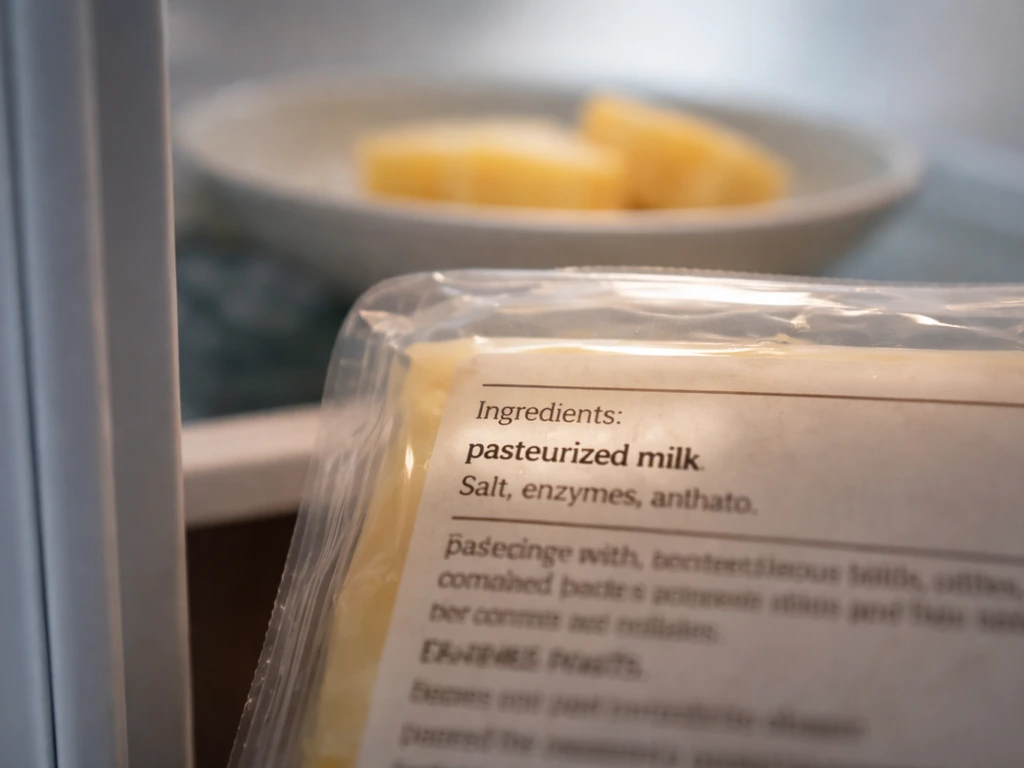
- Check the label for 'pasteurized milk' in the ingredients. This is the single most important thing you can do. Most commercially produced cheese in the U.S. is made from pasteurized milk, so you're probably already fine.
- If you're buying from a farmers market, specialty shop, or artisan producer, ask specifically whether the milk is pasteurized. Don't assume.
- Avoid raw-milk soft cheeses during active bird flu outbreaks, particularly queso fresco, fresh chevre, raw-milk brie, camembert, and similar products. This is consistent with CDC, FDA, and WHO guidance.
- If you already have raw-milk soft cheese in your fridge, FDA's guidance for queso fresco-type products says to discard any that's been in the temperature danger zone (40°F to 140°F, or 4°C to 60°C) for more than 2 hours.
- Store all cheese properly: below 40°F (4°C), in a clean container, away from raw meat or poultry.
- Wash your hands before and after handling any dairy products, and keep cutting boards and utensils used for cheese away from surfaces that touched raw animal products.
- Hard aged pasteurized cheeses (your standard cheddar, parmesan, gouda) need no special handling beyond normal food hygiene. There's no meaningful bird flu risk there.
The bigger picture: cheese is not the main thing to worry about
It's worth being direct here: if you're a regular consumer who doesn't work on a farm or handle live birds, cheese is not where your attention should be focused for bird flu prevention. The primary risk factor for human H5N1 infection, according to both WHO and CDC, is direct contact with infected live or dead animals or contaminated farm environments. The exposure contexts that consistently show up in human cases involve farm workers, poultry handlers, and people in live bird markets, not people eating cheese.
The other dairy products in this food-safety conversation are worth knowing about. blank" rel="noopener noreferrer">Raw milk itself carries the most direct risk among dairy products, since H5N1 has been found at high levels in raw milk from infected cows. If you're also consuming raw or unpasteurized milk, that's a higher-priority switch to pasteurized than any cheese decision. Similarly, if you're consuming undercooked poultry or eggs from unknown sources during active outbreaks, those are higher-risk behaviors than eating aged pasteurized cheese. Yogurt made from pasteurized milk follows the same reassuring pattern as pasteurized cheese.
Basic hygiene practices matter more than specific food avoidance for most people: wash hands thoroughly after contact with animals or farm environments, avoid touching your face after potential exposures, and don't consume raw or undercooked animal products during active outbreaks. WHO recommends that if you're in an area with circulating avian influenza and pasteurized milk isn't available, boiling raw milk before drinking it is sufficient to make it safer. If you're wondering whether you should stop drinking milk because of bird flu, the key point is that boiling or choosing pasteurized milk is what reduces risk boiling raw milk.
When to contact public health or see a doctor
For someone who has only eaten pasteurized cheese and has no unusual animal contact, there's no need to contact public health authorities. This is a genuinely low-risk situation and reaching out when it isn't warranted creates noise in the system.
The threshold for seeking evaluation is this: if you've had a credible exposure (direct contact with sick or dead birds, infected dairy cattle, or contaminated farm surfaces, or you consumed raw milk or raw-milk products and are now feeling unwell), and you develop symptoms within 10 days of that exposure, you should seek prompt medical evaluation. CDC recommends monitoring starting on day 0 of any high-risk exposure and continuing through 10 days after the last exposure.
Symptoms to watch for include fever, cough, shortness of breath, sore throat, runny nose, muscle aches, and, notably, eye redness (conjunctivitis has been the predominant symptom in many recent U.S. cases). If you develop any of these within that 10-day window after a credible exposure, call your healthcare provider before walking in, mention your exposure history, and ask about influenza testing. Treatment with antivirals like oseltamivir is recommended as early as possible when H5N1 infection is suspected.
If you're a worker with ongoing exposure to poultry, dairy cattle, or infected environments, your state or local health department may be able to offer testing and monitoring resources even without symptoms, as part of ongoing public health surveillance. Don't wait for symptoms to appear before reaching out in those higher-risk occupational settings.
FAQ
Does pasteurized cheese still have risk if it was made from milk that later tested positive for H5N1?
For retail products, the key protection is that pasteurization is designed to inactivate infectious virus, and FDA retail testing has not detected infectious H5N1 in pasteurized dairy products. If a specific brand or batch is recalled due to concerns, follow the recall notice, because that is the only situation where you would need to change what you eat based on new information.
Is freshly made cheese at a farmers market safer than raw-milk cheese from the same vendor?
Freshness alone does not replace pasteurization. If the cheese is made from pasteurized milk, the heat step is the main safety factor. If it is made from unpasteurized milk, it stays in the higher-uncertainty category, even if it is hard, cured, or sold the same day.
What about mozzarella, queso fresco, and other “soft” cheeses that don’t always list long aging times?
Soft cheeses are more likely to be made with minimal aging or curing, which means less time for viral levels to decline. If bird flu is a concern in your area, choose cheeses that clearly state pasteurized milk and avoid products made from unpasteurized milk, especially those that are fresh or rindless.
Can cooking or baking cheese make raw-milk cheese safer?
Cooking can reduce some hazards, but it is not the same as validated pasteurization conditions for milk. If the product is raw-milk cheese, you should treat it as the higher-risk category rather than assuming that home heating makes it equivalent to pasteurized dairy.
Does the risk change for people who are pregnant, elderly, or immunocompromised?
These groups are generally more vulnerable to respiratory infections, but the decision rule still starts with the source and processing of the dairy. Prioritize pasteurized cheese and avoid raw-milk dairy during active concerns, and be more cautious about any symptoms after a credible animal or farm exposure.
If I accidentally ate raw-milk cheese, what should I do next?
If you had no other credible exposure to sick or dead animals, infected cattle, or contaminated farm environments, it is usually a low-risk event. The practical next step is symptom awareness, and if you develop compatible illness within 10 days of any credible exposure, contact a clinician and mention the exposure history.
How do I tell if a cheese is pasteurized if the label is unclear?
Look for explicit wording like “pasteurized milk” or check if the product is labeled as made from pasteurized milk. If you cannot confirm it, ask the vendor, especially at delis or specialty counters, because “natural,” “farmstead,” or “made locally” does not reliably indicate pasteurization.
Is a cheese board safe if some items are from imported or specialty shops?
A cheese board is generally fine when the pieces are pasteurized and handled hygienically. The main practical caveats are avoiding cross-contact from raw or unpasteurized items, and keeping cold foods refrigerated, since hygiene and temperature affect many foodborne risks even when bird-flu risk is low.
Does freezing cheese protect against bird flu risk?
Freezing is not the same as pasteurization. It may affect viral viability, but it is not considered a substitute for heat treatment, and it does not convert raw-milk cheese into a known safer category. The better approach is choosing labeled pasteurized products.
If I’m exposed to birds or a farm environment, do I need to be worried about getting sick from eating cheese later?
The concern is more about your exposure path than what you later eat. Viral transmission from bird or farm contact is the main issue. Still, follow basic hygiene, and wash hands before eating to avoid picking up other contaminants from surfaces or animals.
Next Article
Is Pasteurized Milk Safe From Bird Flu? What to Know
Learn if pasteurized milk is safe from bird flu, how pasteurization stops virus spread, and when to get medical help.