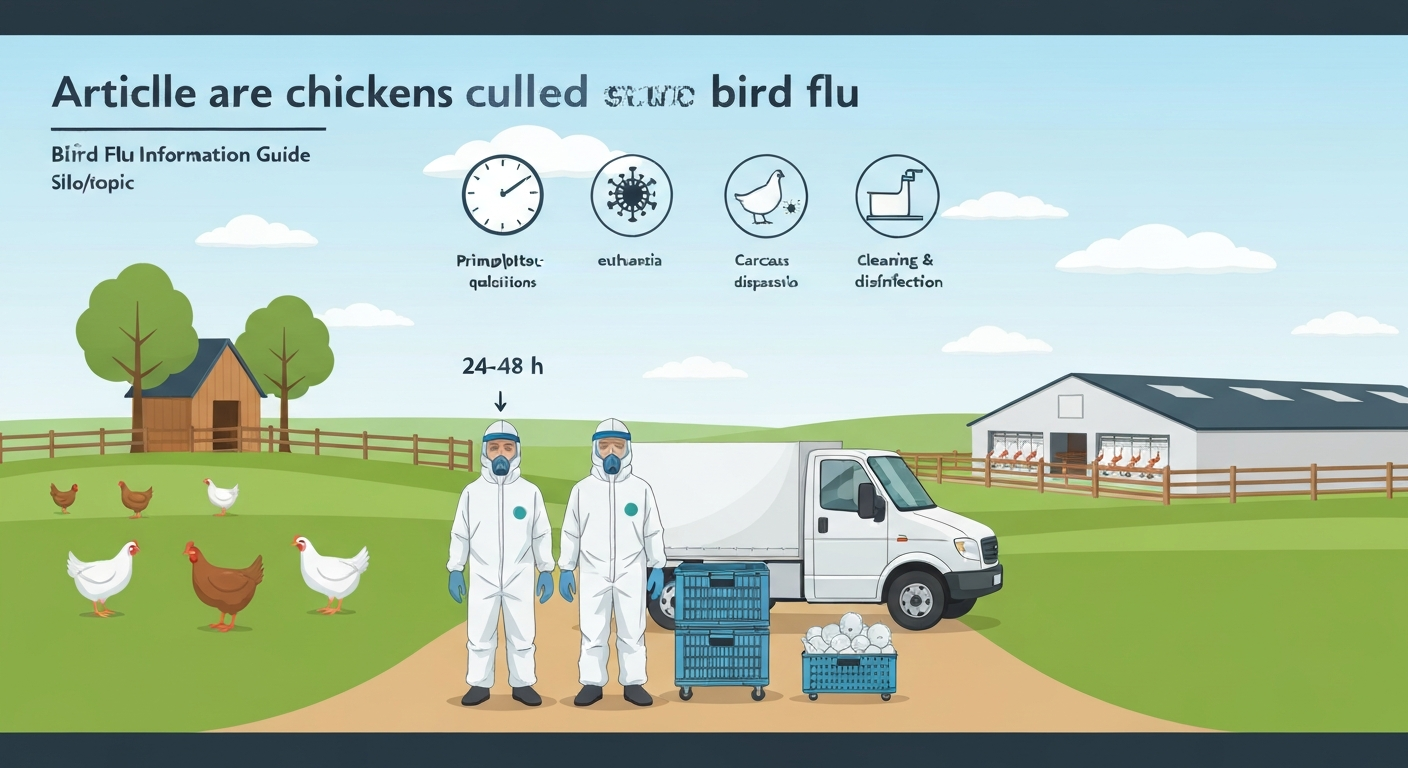
Yes, pasteurized milk is safe to drink during a bird flu outbreak. The FDA, CDC, and WHO all agree on this: standard commercial pasteurization kills H5N1 avian influenza virus, and no viable H5N1 has been detected in tested pasteurized dairy products from the U. In FDA’s H5N1 dairy cattle outbreak updates and ongoing investigations, the FDA reported no viable H5N1 virus was detected in tested pasteurized dairy product samples blank" rel="noopener noreferrer">no viable H5N1 has been detected in tested pasteurized dairy products. S. retail supply. If you're buying regular pasteurized milk from a grocery store, you can keep drinking it without concern.
Is Pasteurized Milk Safe From Bird Flu? What to Know

Maya Chen
6 Jun 2026
What bird flu actually means for your food safety
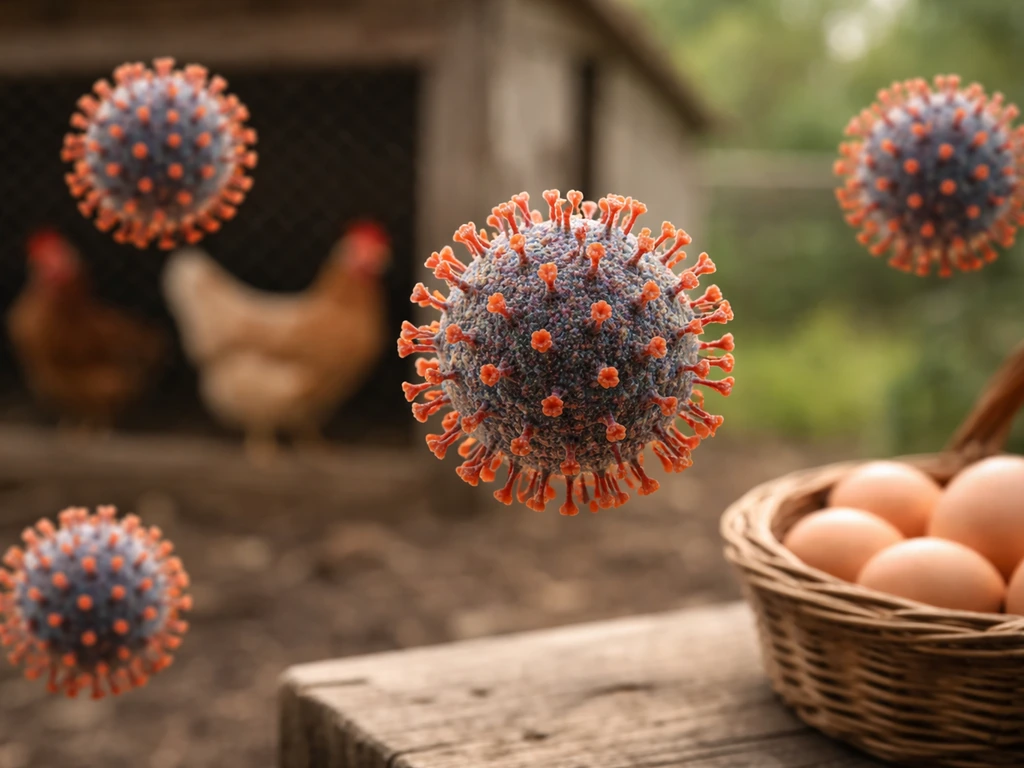
Bird flu refers to influenza A viruses that primarily infect birds, but several strains have crossed into mammals, including humans. The strain that matters most for food safety right now is highly pathogenic avian influenza (HPAI) A(H5N1). Since 2022, the U.S. has documented sporadic human H5N1 infections, mostly in people who had direct, unprotected contact with infected poultry or dairy cattle. These are zoonotic exposures, meaning animal-to-human, not community transmission between people.
Globally, WHO has tracked cumulative confirmed human H5N1 cases since 2003, and the pattern is consistent: the overwhelming majority involve close contact with infected animals, not food consumption. EFSA has stated there is no convincing evidence that avian influenza has been transmitted to humans through eating contaminated food. That context matters. The food safety question is narrow and specific: what happens when H5N1 gets into raw milk from an infected cow, and does processing eliminate the risk?
How bird flu could get into milk, and what pasteurization does about it
During the 2024 U.S. H5N1 dairy cattle outbreak, the virus was detected in raw milk from infected herds. This was a real finding: H5N1 can shed into raw cow's milk when the animal is infected. Research published in peer-reviewed literature confirmed that the virus can survive in refrigerated raw milk for at least five weeks. So yes, raw milk from an H5N1-infected cow is a legitimate concern.
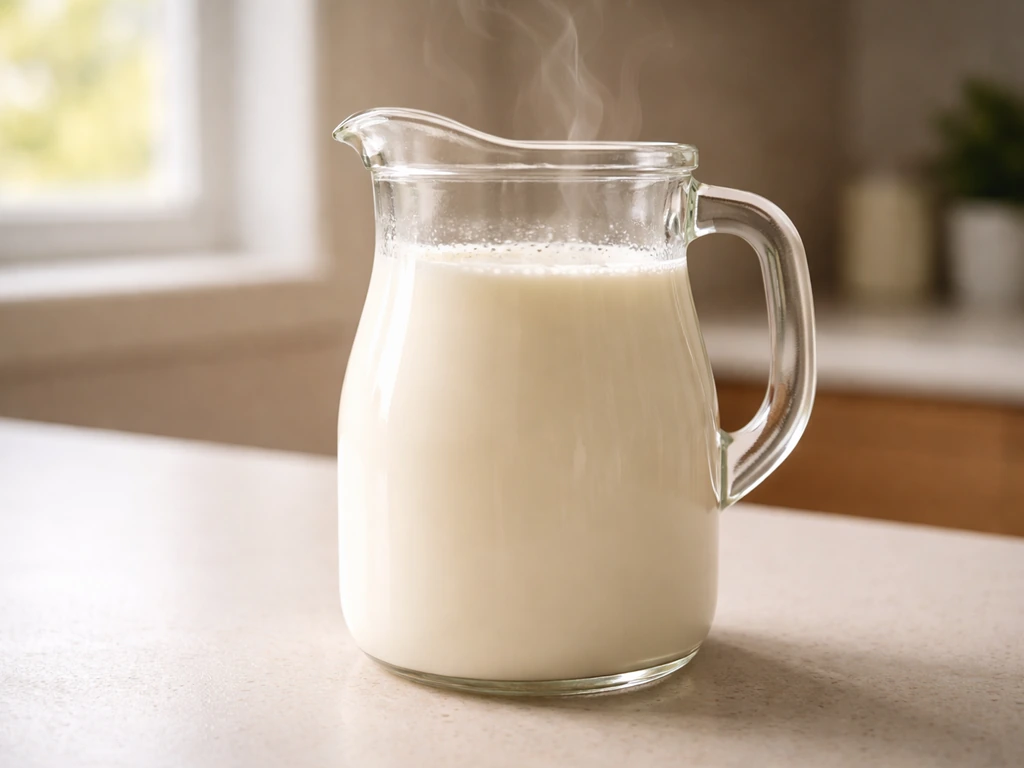
Pasteurization is the heat treatment applied to commercially sold milk specifically to destroy pathogens. The standard U.S. and EU high-temperature short-time (HTST) method heats milk to at least 72°C (161°F) for 15 seconds. Studies show this process inactivates H5N1 virus. One NEJM study raised a question about whether trace amounts of virus could theoretically remain under very high starting viral loads in experimental conditions, but a separate study on whole raw milk at the same commercial pasteurization parameters found complete inactivation across replicates. The FDA reviewed the full picture, conducted its own retail sampling, found no viable H5N1 in pasteurized products, and stated clearly that it is confident pasteurization is effective against H5N1.
Think of it this way: pasteurization was designed precisely to handle the scenario where a pathogen gets into milk before processing. It's not an accidental safeguard here. It's the exact reason commercial milk processing exists.
The direct answer, with the evidence behind it
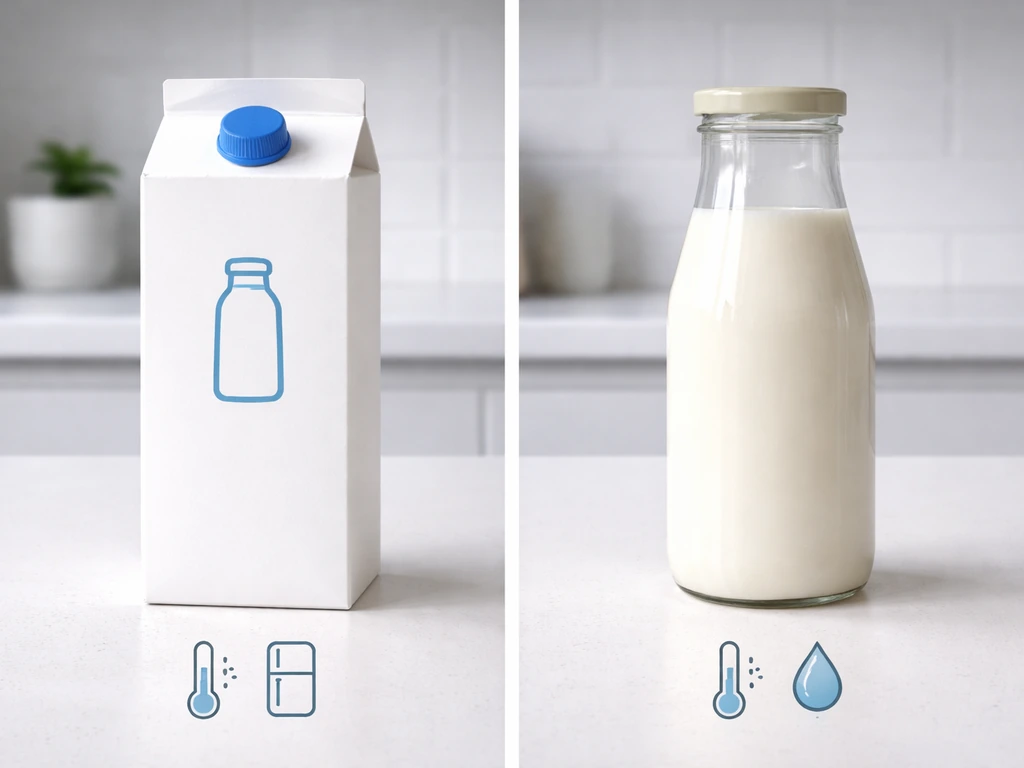
Pasteurized milk is safe from bird flu. This same safety logic generally applies to eggs from reputable retailers like Costco, as long as they are handled and stored properly and you follow public-health guidance during an outbreak Costco eggs. This isn't a hedged or tentative position. Every major public health authority, including the CDC, FDA, and WHO, has said the same thing: pasteurization kills H5N1, pasteurized milk is safe to consume, and the commercial milk supply tested negative for viable virus. The CDC has explicitly told healthcare providers to reassure patients that pasteurized milk is safe to drink. The WHO advises avoiding raw milk in outbreak regions precisely because pasteurized milk is the safe alternative.
If you're wondering whether ultra-pasteurized milk (UHT) is even safer, the answer is yes, because it uses higher temperatures for longer periods and eliminates essentially all microbiological concern, though standard HTST pasteurization already does the job against H5N1.
Raw milk, homemade dairy, and the edge cases you should know about
Raw milk is a different story entirely. The CDC has been direct: people should not drink raw milk. The risk isn't just bird flu. Raw milk can carry a range of dangerous pathogens, and during an H5N1 outbreak in dairy cattle, it poses a real, documented exposure risk. H5N1 is explicitly listed by CDC as a high-risk exposure scenario for people who consume unpasteurized milk or unpasteurized dairy products.
| Product | Bird Flu Risk Level | Why |
|---|---|---|
| Commercial pasteurized milk (HTST) | Very low | Heat treatment inactivates H5N1; no viable virus found in retail sampling |
| Ultra-pasteurized / UHT milk | Extremely low | Higher heat and longer exposure than standard HTST |
| Raw (unpasteurized) milk | Elevated | H5N1 survives in refrigerated raw milk for weeks; CDC advises against drinking it |
| Pasteurized cheese, yogurt, butter, ice cream | Very low | Made from pasteurized milk; FDA retail sampling found no viable virus |
| Aged raw milk cheese (60+ days) | Uncertain | U.S. law requires 60-day aging for raw milk cheese; FDA is actively researching whether aging reduces H5N1 risk |
| Homemade dairy from raw milk | Elevated | No industrial pasteurization step; risk mirrors raw milk |
Yogurt made from pasteurized milk is safe for the same reasons pasteurized milk is safe. There's also research suggesting that lactic acid fermentation at low pH can further reduce influenza virus infectivity, but that's a bonus on top of starting with pasteurized milk, not a substitute for it. Cheese made from pasteurized milk follows the same logic. Raw milk cheese is where it gets complicated: U.S. regulations require raw milk cheeses to be aged at least 60 days, but the FDA is still actively researching whether that aging process reliably eliminates H5N1 specifically. The honest answer is that aged raw milk cheese is a lower-certainty situation than pasteurized products right now.
If you source milk locally from a farm and it isn't commercially pasteurized, treat it the same as any raw milk: avoid it during an active H5N1 outbreak in dairy cattle, or heat it yourself to at least 72°C before drinking. Homemade dairy products like fresh cheese or kefir made from raw milk carry the same elevated risk.
When you should actually be worried, and who's at higher risk
Most people who drink pasteurized milk have essentially no bird flu risk from that specific source. But there are scenarios where concern is more appropriate, and it's worth knowing them.
Higher-risk exposures
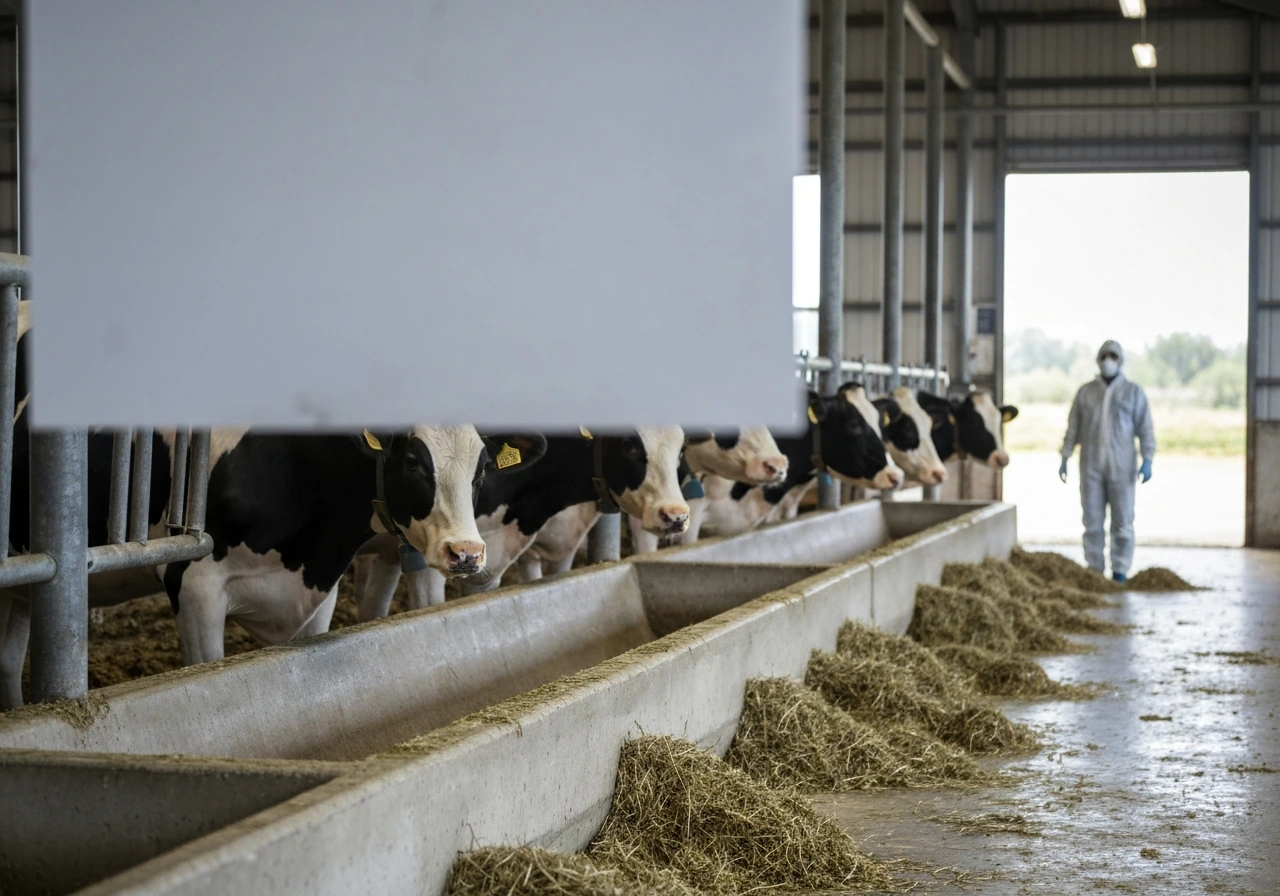
- Working on or visiting dairy farms or poultry operations with confirmed H5N1 infections, especially without proper PPE
- Consuming raw or unpasteurized milk, raw milk cheese, or other unpasteurized dairy products
- Handling sick or dead birds or dairy cattle without protective equipment
- Contact with contaminated surfaces on affected farms
Symptoms to watch for after a potential exposure
If you've had one of the exposures above and start feeling unwell within 2 to 7 days (the typical incubation window, with most cases appearing around 3 days after exposure), pay attention. Recent U.S. H5N1 cases have been relatively mild overall, with eye redness and conjunctivitis being the most commonly reported symptom in this outbreak cycle. Respiratory symptoms, fever, and general flu-like illness are also possible. If you develop any of these after a high-risk exposure, contact a healthcare provider promptly and mention the exposure specifically.
People who should take extra precautions include agricultural and farm workers, veterinarians and wildlife handlers, immunocompromised individuals, pregnant people, and those with underlying respiratory conditions. These groups should be especially strict about avoiding raw dairy and ensuring proper protection during any animal contact. If a pregnant person or someone immunocompromised consumed raw milk and later develops symptoms, the FDA specifically recommends seeking medical attention.
What to actually do today
If you're a regular consumer buying pasteurized milk from a store, there is nothing you need to change. Keep drinking it. The steps below are for anyone who wants to be thorough or who has a specific exposure concern.
- Stick to commercially pasteurized milk and dairy products. This is the single most effective food-safety step you can take. Look for 'pasteurized' on the label, which is standard on all commercially sold fluid milk in the U.S.
- Avoid raw milk and raw milk products during active H5N1 outbreaks in your region. This includes locally sourced farm-fresh milk that hasn't been commercially pasteurized, and homemade dairy made from it.
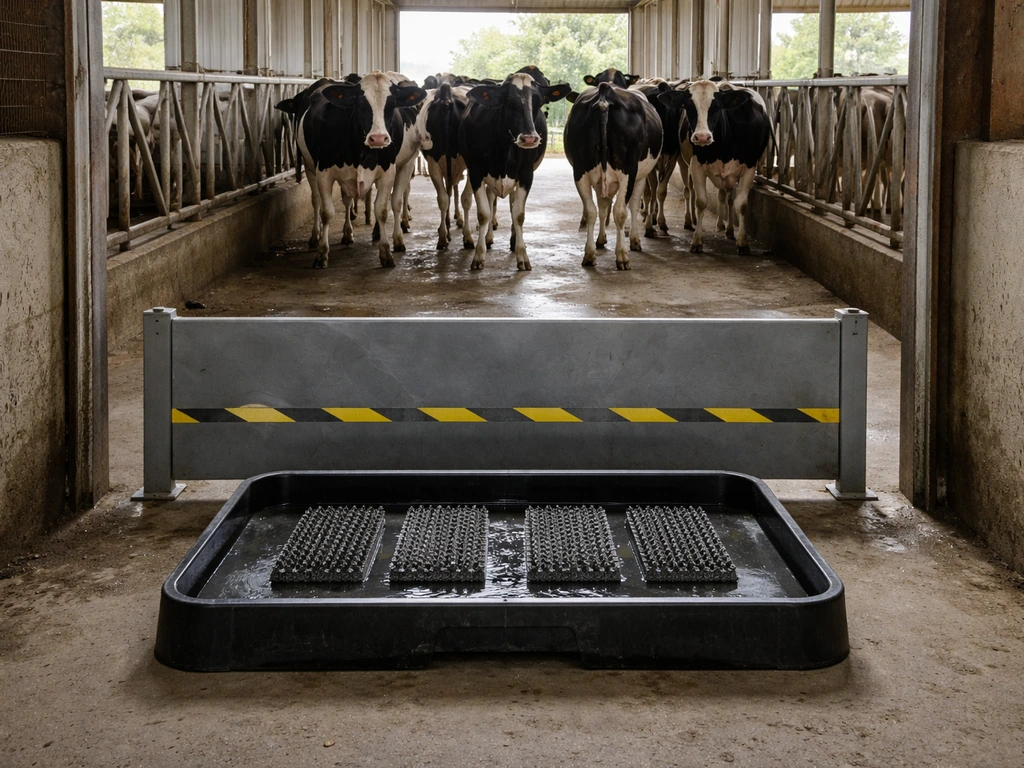
- If you work on a dairy or poultry farm, use recommended PPE when handling animals or equipment, and follow CDC's interim prevention and monitoring guidance for agricultural workers.
- Practice standard food handling. Wash hands before and after handling any animal products, keep raw meat and poultry away from dairy, and refrigerate dairy products properly.
- Monitor credible public health sources for updates. CDC, FDA, and your state health department publish updates on H5N1 in livestock and any changes to consumer guidance. These are the right places to check, not social media.
- If you've consumed raw milk and develop flu-like symptoms or conjunctivitis within a week, contact a healthcare provider right away and mention the exposure. Antivirals like oseltamivir (Tamiflu) are available and work best when started early.
The bigger picture: H5N1 remains primarily an animal disease with very limited, exposure-dependent human risk. There is no evidence of sustained human-to-human transmission. For the vast majority of people, the question of whether pasteurized milk is safe has a clear, reassuring answer: it is. The precautions that genuinely matter are about direct animal contact and avoiding raw dairy, not about avoiding the grocery store dairy aisle.
FAQ
Does the safety apply to pasteurized milk even if it’s been sitting in the fridge for a long time after opening?
Pasteurization addresses the virus in milk, but it does not prevent spoilage. If pasteurized milk smells sour, tastes off, or you’re unsure of freshness, discard it. Follow the “use by” date and refrigerate promptly, since other microbes can grow even when influenza virus is inactivated.
Is milk labeled “pasteurized,” “pasteurized after bottling,” or “heat treated” always considered safe for bird flu risk?
Generally, yes, if the product is truly pasteurized using commercial pasteurization parameters. However, “heat treated” labels can sometimes refer to different processes for other products. If you want maximum certainty, buy products explicitly labeled pasteurized or UHT and avoid any “raw,” “unpasteurized,” or “farm-fresh” claims that don’t specify pasteurization.
What about milk that was pasteurized but then contaminated after processing, for example at a local shop or during home filling?
Bird flu risk from processed dairy is low, but post-processing contamination can introduce other hazards. If milk is poured into containers by a retailer or redistributed, the key is proper hygiene and cold chain. Store-bought sealed products have less opportunity for contamination than open refills.
Is it safe to drink pasteurized milk from a country or region where pasteurization standards might differ?
If it is commercially pasteurized, the same principle applies, but standards and enforcement can vary. For travelers or imports, the safest choice is sealed pasteurized or UHT products from reputable brands that clearly state pasteurization on the label and keep refrigeration. Avoid anything described as “raw” or “not pasteurized.”
I heard UHT is safer than regular pasteurization. Should I switch from pasteurized to UHT during an outbreak?
You don’t have to for bird flu protection, since standard HTST pasteurization is considered effective. UHT can reduce other microbiological concerns because it uses higher heat, so switching can be a convenience or preference choice, not a bird-flu necessity.
Are symptoms after dairy exposure, like pink eye or mild flu, always bird flu?
No. Mild symptoms can have many causes, including other respiratory viruses. The important step is that if you had a high-risk exposure (especially raw dairy) and develop symptoms in the 2 to 7 day window, contact a healthcare provider and mention the specific exposure so they can assess appropriately.
If I accidentally drank a small amount of raw milk once, do I need testing or treatment right away?
Often, testing is not automatically needed for everyone, but you should contact a clinician promptly if you had a meaningful exposure (for example, during an active dairy cattle outbreak) and develop symptoms. Bring details like where it came from, whether it was unpasteurized, and when you drank it, so they can decide on evaluation.
Does bird flu risk differ between milk, yogurt, and cheese made from pasteurized milk?
The starting point matters most. If yogurt or cheese is made from pasteurized milk, the same pasteurization logic applies for bird-flu safety. Individual products can still vary in processing and acidity, so it’s best to follow storage guidance and use by dates, but the bird-flu risk from pasteurized ingredients stays low.
What’s the guidance for products that are “pasteurized” but contain raw-milk ingredients, like some artisanal cheeses or specialty desserts?
Check the ingredient label carefully. If any component is made from raw (unpasteurized) milk, that part should be treated as higher risk, regardless of what the overall product is called. When in doubt, avoid the product during an active outbreak and choose clearly pasteurized versions.
Can people with higher-risk health conditions, like pregnancy or immunocompromised states, safely continue pasteurized milk?
Yes. The article’s core message applies to these groups as well, meaning pasteurized and properly stored grocery milk remains the safer choice. Extra caution is most important for avoiding raw dairy and protecting during animal exposure.