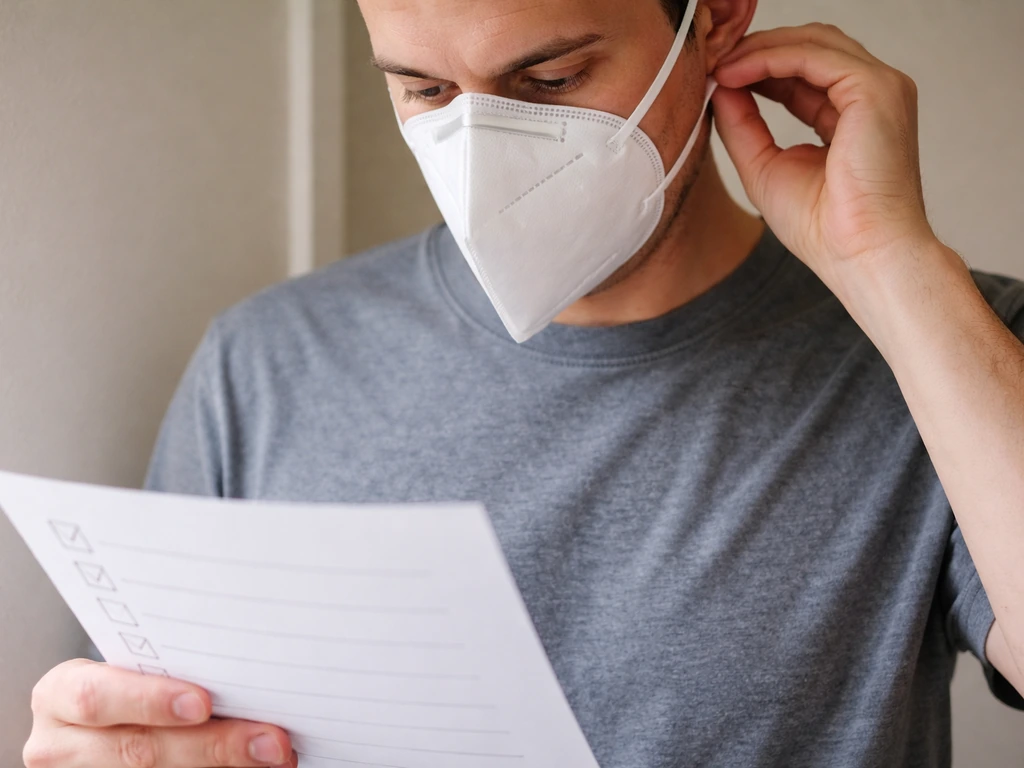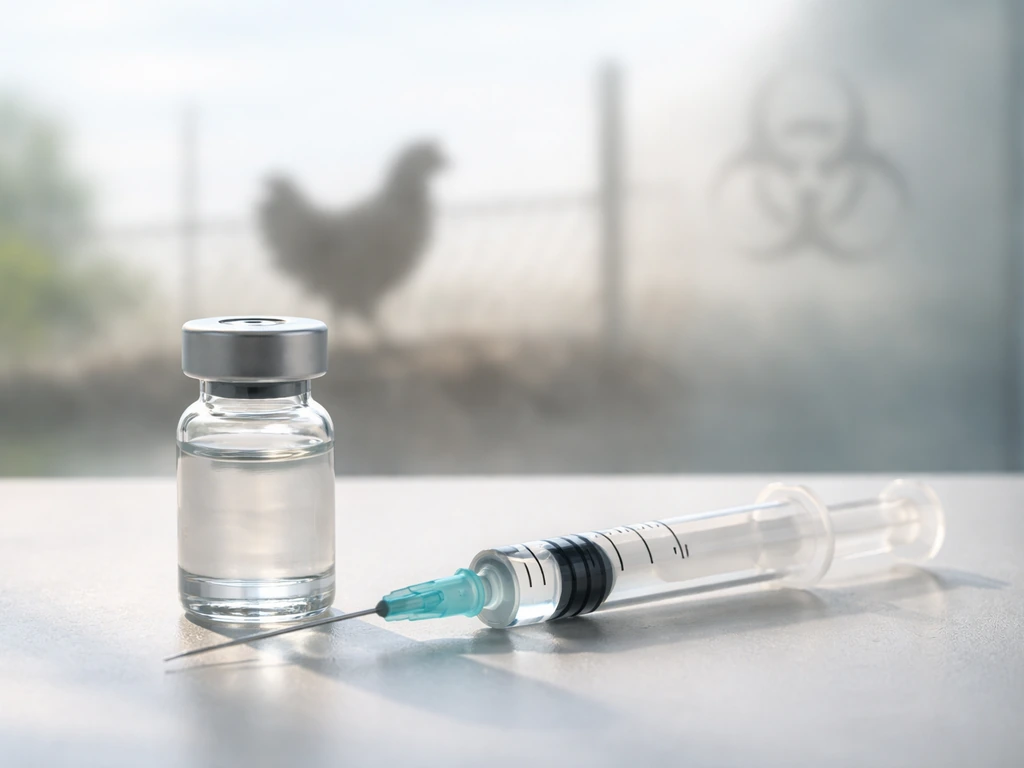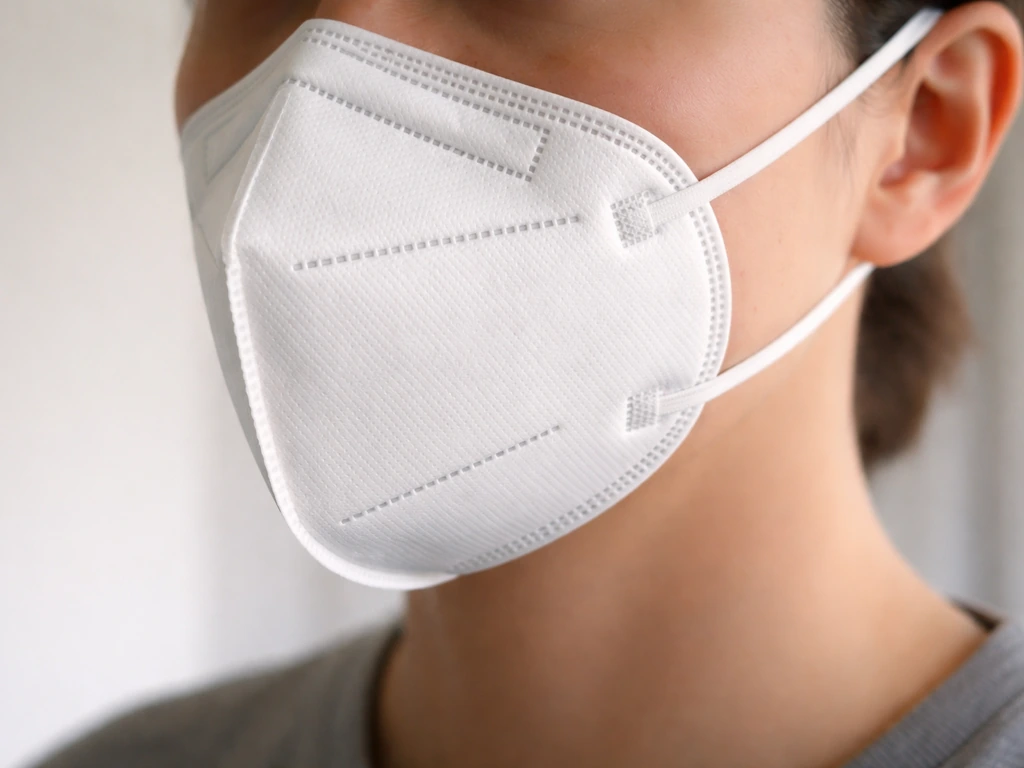
Yes, Tamiflu (oseltamivir) can work for bird flu in humans, but timing is everything. The CDC recommends oseltamivir as the go-to antiviral for people who develop symptoms after exposure to avian influenza, and both CDC and WHO guidance say treatment should start as soon as possible, ideally within 48 hours of symptoms appearing. It won't cure every case and it has real limits, but in the right circumstances it reduces how sick people get and can be life-saving. The key word is "early."
Does Tamiflu Work for Bird Flu in Humans? What to Do

Maya Chen
2 Jul 2026
What Tamiflu actually does for bird flu
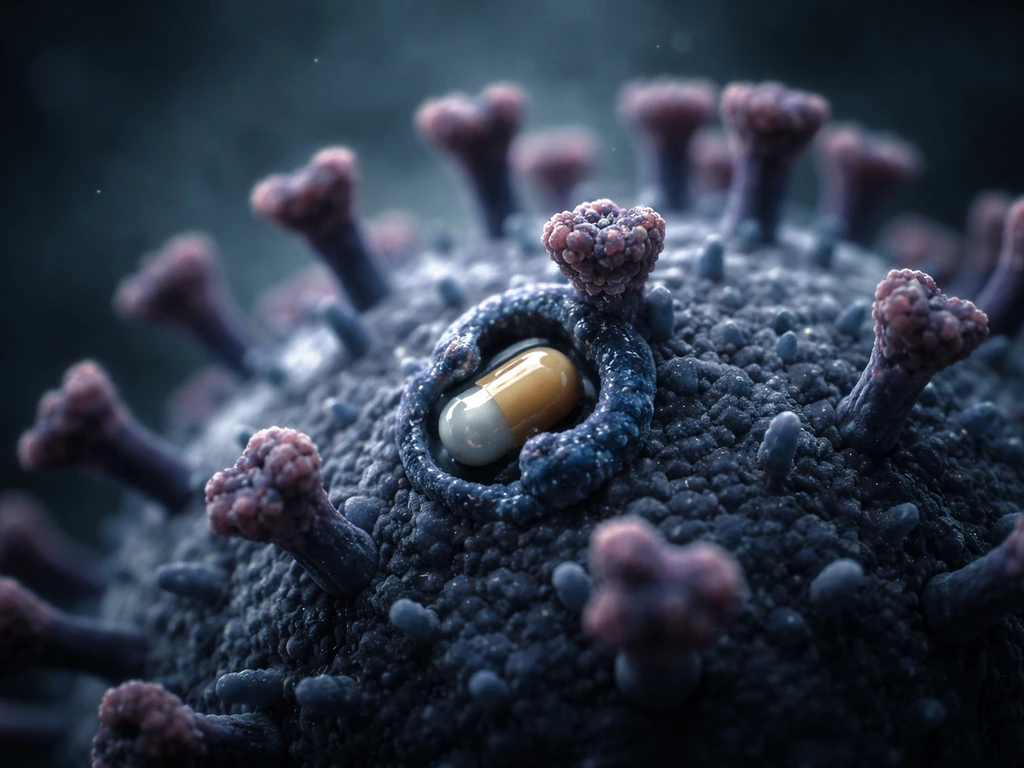
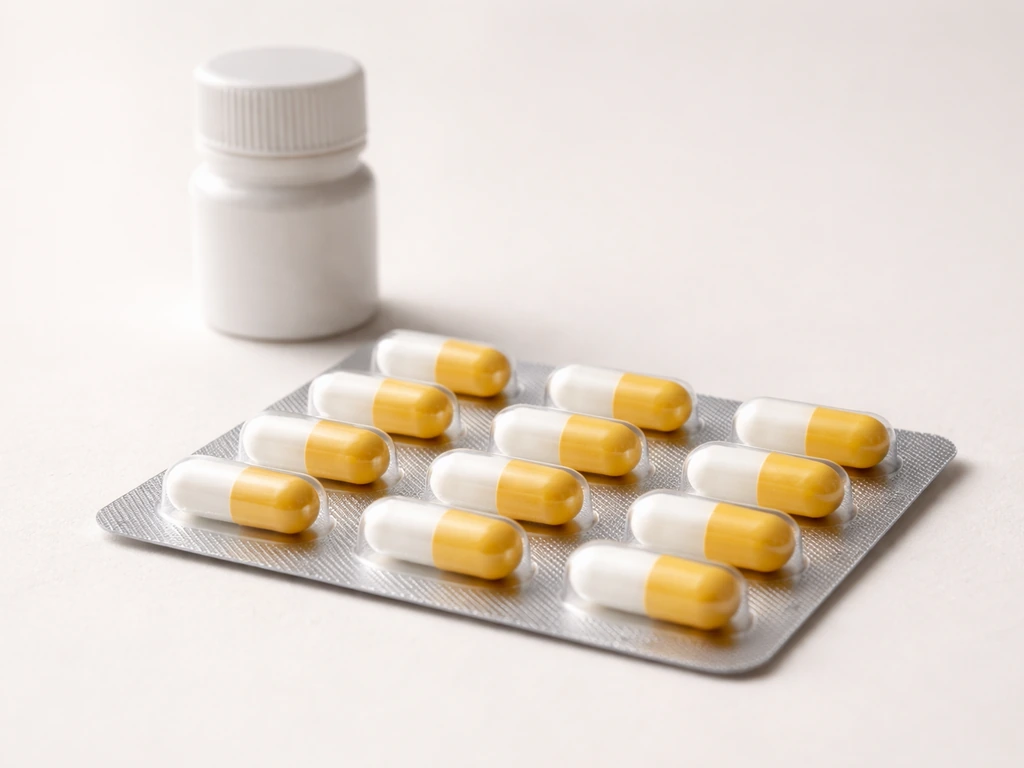
Oseltamivir is a neuraminidase inhibitor. It works by blocking a protein on the surface of influenza A viruses (including avian strains like H5N1 and H7N9) that the virus uses to escape from infected cells and spread throughout your respiratory tract. By interfering with that process early, it slows viral replication before it can cause the kind of deep-lung damage that puts people in the ICU.
Bird flu strains like H5N1 tend to move fast and hit hard compared with seasonal flu. They often cause severe lower respiratory tract disease, including pneumonia, rather than just the upper respiratory symptoms most people associate with the flu. That severity is actually part of why antivirals matter so much here, and why both CDC and WHO include oseltamivir as a strong recommendation rather than a "consider it" suggestion for these cases.
When oseltamivir is most likely to help
The 48-hour window is the benchmark. Observational studies and meta-analyses consistently show reduced mortality, shorter hospital stays, and lower rates of ICU admission when oseltamivir is started within 48 hours of symptom onset compared with later treatment. For H7N9, CDC guidance specifically references an observational finding that starting within 2 days of symptoms was associated with a meaningfully lower risk of death.
The important practical point here is that clinicians are advised not to wait for lab confirmation before starting treatment. Mayo Clinic similarly notes that clinicians may start blank" rel="noopener noreferrer">antivirals like oseltamivir before lab results return when treatment cannot safely wait. If you have a credible exposure to infected or potentially infected birds, dairy cattle, or other animals and you develop symptoms, the guidance from CDC and WHO is to start oseltamivir promptly for suspected cases. Because bird flu is a different virus than seasonal influenza, protective steps like avoiding contact with infected birds and following public health guidance matter in addition to antiviral treatment do kn95 masks protect against bird flu. Waiting days for PCR results before beginning therapy is exactly what the guidance is trying to prevent, because every hour matters when a pathogen like H5N1 is replicating in your lungs.
There is also meaningful evidence that treatment started after 48 hours, even up to 96 hours after symptom onset, may still provide benefit in severe influenza cases when active viral replication is ongoing. A retrospective cohort of hospitalized, lab-confirmed influenza patients found that those who started oseltamivir more than 48 hours after symptom onset had longer hospital stays than those who started earlier, but later treatment still had value compared with no treatment. So if you are past the 48-hour mark, that is not a reason to skip treatment. It is still worth pursuing.
When Tamiflu may not be enough

There are a few scenarios where oseltamivir falls short, and being honest about them is important.
- Delayed treatment: Starting several days into illness, after the virus has already caused major lung injury, limits how much antiviral therapy can do. It can still help, but it cannot undo damage that has already occurred.
- Antiviral resistance: Most currently circulating avian influenza strains are susceptible to oseltamivir, but resistance has been documented in some Asian-lineage H5N1 and H7N9 strains. Resistance typically involves a specific mutation (H275Y) in the neuraminidase protein. CDC surveillance monitors for this, and clinicians managing complex cases can consult CDC's Influenza Division if resistance is a concern.
- Non-influenza illness: If your symptoms turn out to be caused by something else (bacterial pneumonia, another respiratory virus), oseltamivir won't help at all. This is part of why proper diagnosis matters alongside treatment.
- Severe disease requiring more support: Oseltamivir is not a substitute for ICU-level supportive care. In the most severe cases, patients need oxygen, mechanical ventilation, and treatment of complications like secondary bacterial infections alongside antiviral therapy.
How doctors actually decide to use antivirals for bird flu
The decision framework a clinician uses combines epidemiological reasoning with clinical judgment. Basically, that means two questions: does this person have a plausible exposure, and do they have symptoms consistent with influenza-like illness? You might also wonder whether the flu shot protect against bird flu, but guidance focuses on antivirals like oseltamivir after exposure and symptom onset rather than relying on vaccination for this specific strain does the flu shot protect against bird flu.
If the answer to both is yes, the current guidance from CDC tilts toward starting oseltamivir empirically, meaning before test results are back, especially in anyone with progressive, severe, or complicated illness. The reasoning is straightforward: the downside of starting an antiviral unnecessarily is low, while the downside of waiting and losing the treatment window is potentially fatal.
When a clinician decides to test for novel influenza A, they are also required to notify the state health department immediately to ensure proper procedures are followed for specimen collection, lab routing (public health labs and CDC are part of the testing chain for novel strains), and public health follow-up. This is not just bureaucracy. It is how surveillance networks track potential outbreaks and get resources to affected areas quickly.
Dosing for bird flu treatment follows standard oseltamivir dosing: 75 mg twice daily for 5 days for adults with normal kidney function in most seasonal flu contexts, though clinicians managing severe or complicated avian influenza cases may extend the course based on clinical response and in consultation with public health authorities.
Treating bird flu in humans vs. treating it in birds
This is worth clarifying because people sometimes search for whether Tamiflu can be given to birds, especially backyard flock owners who are worried about their chickens. The short answer: antiviral treatment for birds is not a standard or approved intervention in the way it is for humans. When highly pathogenic avian influenza is confirmed in a flock, the public health and veterinary response is focused on culling infected and exposed flocks, biosecurity, and containment, not antiviral treatment of individual birds.
So when you read that "bird flu is treated with oseltamivir," that refers entirely to human patients. It does not mean you can or should give Tamiflu to your backyard chickens, and doing so would not be an effective control strategy. If you have a sick or dead bird on your property, the right step is to contact your state veterinarian or local animal health authority, not a pharmacy. This includes whether a mask like a KN95 helps protect you from bird flu during exposure.
What to do right now if you're worried about exposure

First, assess the actual exposure. CDC guidance identifies the following as meaningful risk scenarios that should trigger monitoring and potentially medical evaluation:
- Direct or close contact with sick, dead, or apparently well birds, poultry, or backyard flocks in areas with known avian influenza activity
- Contact with dairy cattle or other animals in settings where H5N1 has been detected
- Handling of surfaces, litter, raw milk, or other materials contaminated by birds or animals with suspected or confirmed bird flu
- Close unprotected contact with a person known or suspected to be infected
If you have had one of those exposures, CDC recommends monitoring yourself for illness for 10 days after your last contact. Symptoms to watch for include fever, cough, sore throat, shortness of breath, muscle aches, and importantly for recent U.S. H5 cases, eye redness or irritation (conjunctivitis) has been a predominant presentation. Eye symptoms after bird exposure are a real red flag.
If symptoms develop, do not go sit in a crowded urgent care waiting room without calling ahead. Do N95 masks help protect against bird flu mainly by improving fit and reducing the amount of airborne virus you inhale during close exposure. Here is what to do specifically:
- Call your doctor or a local health department line before going in. Mention the exposure immediately, because how they prepare to receive you (PPE, isolation rooms) depends on that information.
- Isolate from other household members as much as possible while you wait for evaluation and test results.
- When you reach a clinician, be ready to describe the exposure: what animal, what location, when, how close, and whether you used any protective equipment like gloves or a mask. This context matters for clinical decision-making.
- Expect the clinician to consider starting oseltamivir before your test results come back, especially if your symptoms are progressing. That is exactly what the guidance supports.
- Do not delay seeking care because your symptoms seem mild at first. H5N1 in particular can deteriorate rapidly.
It is also worth knowing that the overall public health risk from bird flu remains low for most people. Wearing a mask can help reduce the chance of breathing in infectious respiratory droplets during exposure to sick people or contaminated environments. Human infections are rare, and they are almost always linked to direct animal contact rather than person-to-person spread. But "low risk overall" does not mean zero risk for someone with a real exposure, which is exactly why the monitoring and early-treatment guidance exists.
A quick comparison: oseltamivir vs. other antivirals for bird flu
| Antiviral | Mechanism | Role in bird flu | Key limitation |
|---|---|---|---|
| Oseltamivir (Tamiflu) | Neuraminidase inhibitor (oral) | First-line recommended treatment per CDC and WHO | Resistance documented in some H5N1/H7N9 strains; less effective when started late |
| Zanamivir (Relenza) | Neuraminidase inhibitor (inhaled) | Alternative when oseltamivir resistance is suspected; not ideal for severe lower respiratory disease | Delivery route limits use in severely ill patients who can't inhale effectively |
| Peramivir (Rapivab) | Neuraminidase inhibitor (IV) | Option for hospitalized patients who cannot take oral medication | IV delivery requires clinical setting; limited standalone evidence for avian strains |
| Baloxavir (Xofluza) | Cap-dependent endonuclease inhibitor | Being studied and considered in combination strategies | Less established evidence base for novel avian strains as of mid-2026 |
Oseltamivir remains the practical first choice in most scenarios because it is oral, widely available, and backed by the most evidence. But for severe cases or when resistance is a concern, clinicians have other tools and should consult with CDC's Influenza Division through the Emergency Operations Center for guidance on combination or alternative approaches.
Protecting yourself before exposure matters too
Antiviral treatment is for after you're infected. Prevention is the better position to be in. If your work or activities put you around birds or potentially infected animals regularly, respiratory protection matters. The question of which masks actually provide meaningful protection against avian influenza is a related topic worth understanding, especially whether standard surgical masks, N95 respirators, or KN95 masks provide different levels of protection. Similarly, people often ask whether the standard seasonal flu vaccine provides any cross-protection against bird flu strains, which is a separate and genuinely useful question to understand before the next exposure happens.
FAQ
If I start Tamiflu after 48 hours of symptoms, will it still help for bird flu?
Yes, it can still help in some situations. Guidance and observational data note benefit can persist beyond 48 hours, including in hospitalized or severe cases where viral replication may still be active. The key is to have a clinician assess severity and start as soon as possible rather than waiting for an exact timing cutoff.
How quickly do I need to start Tamiflu, if I’m waiting on PCR confirmation for suspected bird flu?
Do not wait for PCR if you have a credible exposure and influenza-like symptoms. The practical strategy is to start empirically when a clinician thinks the exposure plus symptoms fits suspected novel influenza A, because delays lose the window where oseltamivir is most likely to slow progression.
Is Tamiflu effective if my symptoms are mainly eye redness or irritation after bird exposure?
It may be. In the recent U.S. H5 context, eye symptoms like conjunctivitis have been a predominant presentation, so if you develop eye irritation after a meaningful bird exposure plus other influenza-like symptoms (or progressive illness), clinicians may treat as suspected influenza and consider antivirals promptly.
What if symptoms are mild at first, should I still take Tamiflu for suspected bird flu?
Often, yes if a clinician judges the case as suspected novel influenza A based on exposure and symptom pattern. For mild illness, some clinicians may reassess risk and timing, but the decision usually hinges on whether symptoms are consistent with influenza and whether illness is worsening or complicated, not on whether it feels “bad enough” yet.
Can Tamiflu be used for bird flu prevention after exposure?
Oseltamivir is primarily for treatment after infection, but post-exposure strategies can be used in select high-risk situations under public health or clinician guidance. If you believe you had a meaningful exposure, the recommended immediate step is contacting a clinician or local public health team so they can decide whether monitoring alone or antiviral post-exposure measures fit your scenario.
Does Tamiflu stop me from spreading bird flu to others once I start it?
It may reduce viral replication and illness severity, but it does not mean you are immediately non-infectious. Practical precautions still matter, including staying away from others, limiting contact, and following local public health isolation guidance until clinicians say it is safe to return to normal activities.
What are the biggest reasons Tamiflu might “fail” in bird flu cases?
The most common issues are starting too late, underestimating disease severity, or not taking the medication as prescribed. Another factor is that rare viral resistance can reduce effectiveness, which is why clinicians may involve public health authorities when cases are severe, complicated, or not improving.
Is the standard adult dose always the same for bird flu treatment?
Not necessarily. While the typical adult regimen is 75 mg twice daily for 5 days in standard cases with normal kidney function, clinicians adjust for kidney disease and may extend the course in severe or complicated illness in consultation with public health guidance. You should not self-dose without medical direction.
Is it safe or useful to give Tamiflu to backyard chickens if I’m worried about bird flu?
No. Antiviral treatment for birds is not the standard or approved control approach. If you have sick or dead birds, the right action is to contact your state veterinarian or local animal health authority for diagnosis and containment measures like biosecurity and, when indicated, culling.
Do masks change whether I need Tamiflu after a suspected bird flu exposure?
Masks help reduce the chance of inhaling infectious particles, but they do not replace antivirals if you develop symptoms after a meaningful exposure. If you become ill, early medical evaluation and potential oseltamivir are still the critical steps, while mask use remains part of preventing exposure and protecting others.
If my test is negative later, should I still have taken Tamiflu?
Often, yes in suspected cases. Because guidance supports starting empirically when exposure plus symptoms strongly suggest suspected novel influenza A, a later negative test does not automatically mean early treatment was wrong. A clinician can reassess whether to continue based on the evolving clinical picture and test results.