
Yes, masks can reduce your risk of breathing in bird flu virus particles, but the protection they offer depends heavily on which mask you use, how well it fits, and what kind of exposure you're actually dealing with. If you're wondering specifically about whether a flu shot can protect against bird flu, the answer depends on which flu vaccine you mean and the virus involved.
Do Masks Protect Against Bird Flu? Evidence and Practical Use

Maya Chen
2 Jun 2026
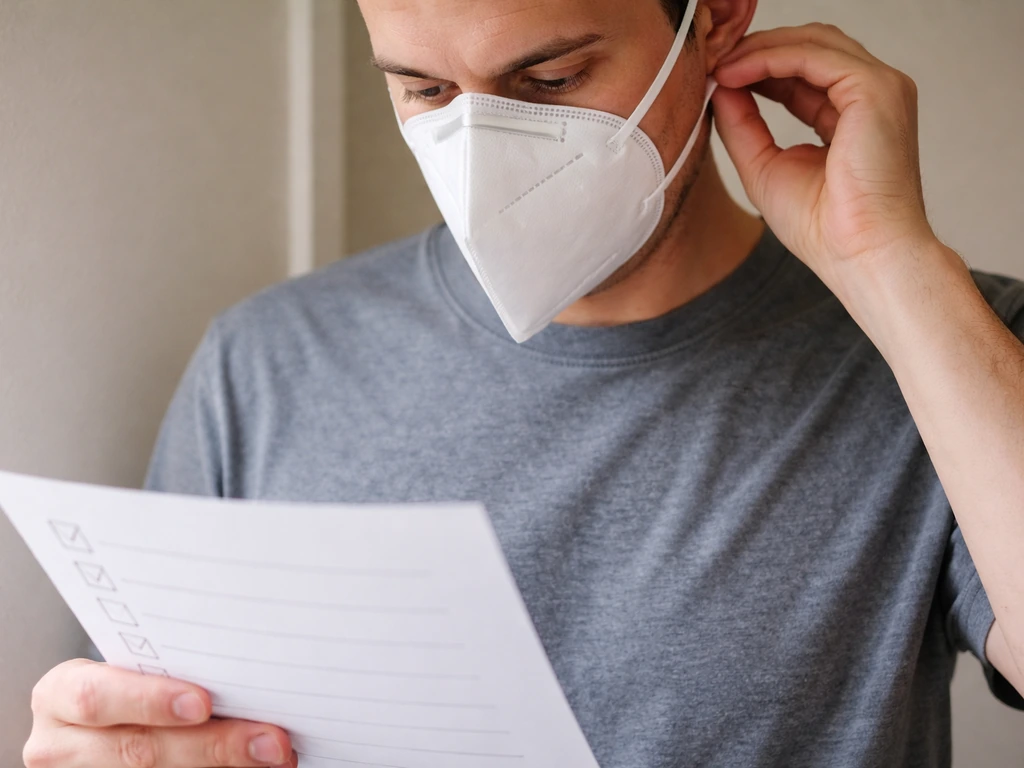
An N95 respirator worn correctly during close contact with infected birds offers real, meaningful protection. A loose cloth mask during the same scenario? Much less so. For most people going about daily life, mask use isn't the highest-priority protection anyway.
But if you're handling poultry, cleaning a contaminated coop, or working around sick or dead birds, the right mask worn the right way is genuinely worth it.
How bird flu actually reaches people

Understanding where masks fit starts with understanding how avian influenza A viruses get into the human body in the first place. The CDC is clear on this: infection happens when virus from infected birds or contaminated environments gets into your eyes, nose, or mouth, or is inhaled directly into your respiratory tract. Sources include respiratory droplets, saliva, mucus, and feces from infected animals. You can also pick it up from contaminated surfaces like litter, feathers, water troughs, and equipment, and then inadvertently transfer it to your face.
Critically, the CDC notes that infection can happen without ever directly touching a sick bird. Aerosolized material from bird waste and respiratory secretions in enclosed spaces like coops or processing areas can carry the virus. So while touching a sick bird and then rubbing your eyes is one route, breathing in contaminated dust or droplets in a heavily exposed environment is another real pathway. Both matter for figuring out where masks help and where they don't.
Human-to-human transmission of current bird flu strains remains rare and has not driven community outbreaks. That distinction matters a lot when thinking about masks, because the logic of masking in a crowded public space (where you might inhale particles from an infected person nearby) simply doesn't apply in most everyday situations with bird flu. The exposure risk is tied to birds and contaminated environments, not to the person sitting next to you at lunch.
What the evidence actually says about masks and bird flu
There are no large randomized trials testing masks specifically against avian influenza in humans, and given how rare human infections are, that's not surprising. What we do have is strong mechanistic logic (the virus can be inhaled, respirators filter airborne particles) plus solid comparative evidence from influenza-like respiratory illnesses more broadly.
Meta-analyses comparing N95 respirators to surgical masks for respiratory viral illnesses in healthcare workers have found statistically significant advantages for respirators, including for influenza-like illness and laboratory-confirmed respiratory viral infections. This isn't bird-flu-specific, but the biology is similar enough to be informative. A tight-fitting respirator that forces air through a filter offers more protection than a barrier that leaks around the edges.
Research from CDC and NIOSH reinforces the fit point pretty bluntly: many surgical masks failed standard qualitative fit tests in lab simulations, showing substantial leakage compared to respirators. CDC and NIOSH also distinguish between "source control" (keeping your exhaled particles from reaching others) and actual respiratory protection (keeping others' particles from reaching you). Most masks and face coverings, when they don't form a skin seal, are primarily source control. That's useful in some contexts but doesn't give you the same inhalation protection that a properly sealed N95 provides.
The bottom line from the evidence: masks in the broad sense reduce risk, but the quality of reduction varies dramatically by mask type and fit. For bird flu specifically, CDC guidance for people working with potentially infected birds explicitly recommends N95 respirators when available, with a well-fitting surgical mask as the fallback. That guidance reflects what the evidence supports.
N95, surgical, and cloth masks: what actually makes a difference
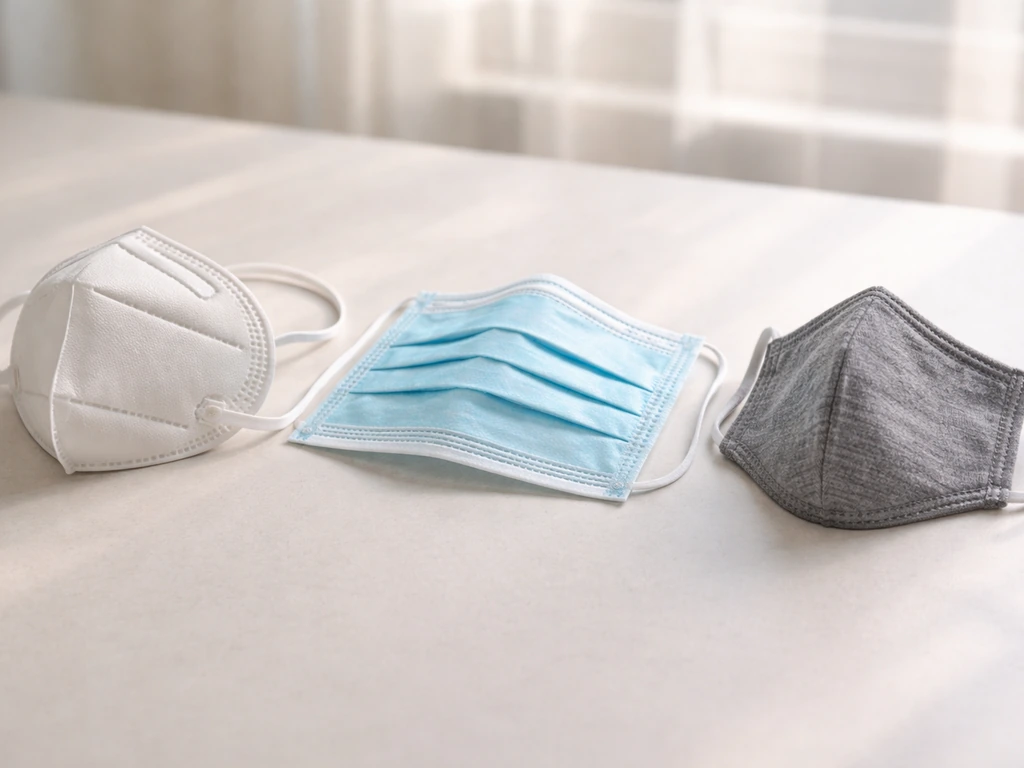
Not all masks are created equal for inhalation protection. Here's a straightforward breakdown of what you're actually getting from each category.
| Mask Type | Filtration | Fit/Seal | Bird Flu Protection | Best Use Case |
|---|---|---|---|---|
| N95 / FFP2 / FFP3 respirator | Filters at least 95% (N95) to 99%+ (FFP3) of airborne particles | Tight-fitting, designed to seal against the face | Highest among mask types when worn correctly | Cleaning coops, handling infected birds, high-exposure work |
| Surgical / procedure mask | Moderate filtration but not designed to seal | Loose-fitting, gaps at edges allow leakage | Moderate; CDC recommends as fallback if N95 unavailable | Lower-exposure situations, brief contact, general precaution |
| Cloth mask / face covering | Variable and generally lower filtration | Typically loose-fitting | Minimal inhalation protection; better for source control | Not recommended for bird flu exposure scenarios |
The N95 class (which includes NIOSH-approved N95s in the US, and the equivalent European FFP2/FFP3 standards) is the meaningful category for actual respiratory protection. The key reason is the combination of filtration efficiency and the tight facial seal. CDC specifies that an N95 must form a proper seal to work, and even notes that if you can't achieve a perfect seal, a correctly worn N95 still likely outperforms a cloth mask. For workplace settings, OSHA requires fit testing to confirm the seal is adequate, and the CDC adds that a clean-shaven face is necessary where the mask contacts skin.
If an N95 isn't available, a well-fitting surgical mask is the CDC's recommended alternative for bird flu exposure. It's not ideal, but it does reduce some exposure compared to nothing, especially when combined with other protective measures. Cloth masks and fabric face coverings don't have a meaningful role in protecting against inhalation of bird flu virus in real exposure scenarios. Save those for contexts where source control is the goal.
If you want a deeper dive into specific mask recommendations and which products to look for, the related topic of best masks for bird flu and the more specific questions around N95s and KN95s are worth exploring alongside this article. Do KN95 masks protect against bird flu in the same way an N95 does, or are they mostly source control? KN95s are often compared to N95s for fit and filtration, so it's important to understand what that difference means for bird flu protection N95s and KN95s. If you want the most practical guidance, see our guide on the best masks for bird flu and how to choose based on fit and exposure risk.
When it's actually worth wearing a mask
Mask use makes practical sense in proportion to your actual exposure risk. Here's how to think about common scenarios:
- Cleaning or disinfecting a coop with a confirmed or suspected outbreak: High priority. Wear an N95 (or FFP2/FFP3), eye protection, gloves, and protective clothing. Avoid stirring up dust, feathers, and dried waste. The CDC explicitly recommends this PPE combination for this scenario.
- Depopulation or culling of infected birds: High priority. Full respiratory PPE, including N95 or better. This is a workplace-level exposure, and OSHA guidelines for avian flu worker protection apply.
- Handling sick or dead wild birds: Moderate to high priority depending on species and local outbreak status. Use an N95 and gloves. Don't handle dead birds with bare hands even if you're wearing a mask.
- Backyard flock owners during a nearby outbreak: Reasonable precaution. Wear at minimum a surgical mask and gloves when entering the coop, cleaning feeders, or handling birds. Upgrade to N95 if you have confirmed illness in your flock.
- Visiting a farm, feed store, or live bird market during an outbreak: Low to moderate. A surgical mask makes sense as a reasonable precaution, particularly indoors or in poorly ventilated spaces with large numbers of birds.
- General public with no bird contact: Masks offer little additional value for bird flu specifically. Human-to-human spread is not the current concern. Standard hygiene practices are more relevant.
One important operational point the CDC raises: when cleaning contaminated areas, avoid practices that aerosolize dust, dried feces, and feathers, like dry sweeping or using high-pressure hoses. That behavioral control reduces the amount of virus in the air and is more fundamental than the mask alone. Wearing a mask in a dust cloud you created by dry-sweeping a contaminated coop is fighting uphill.
Protections that often matter more than a mask
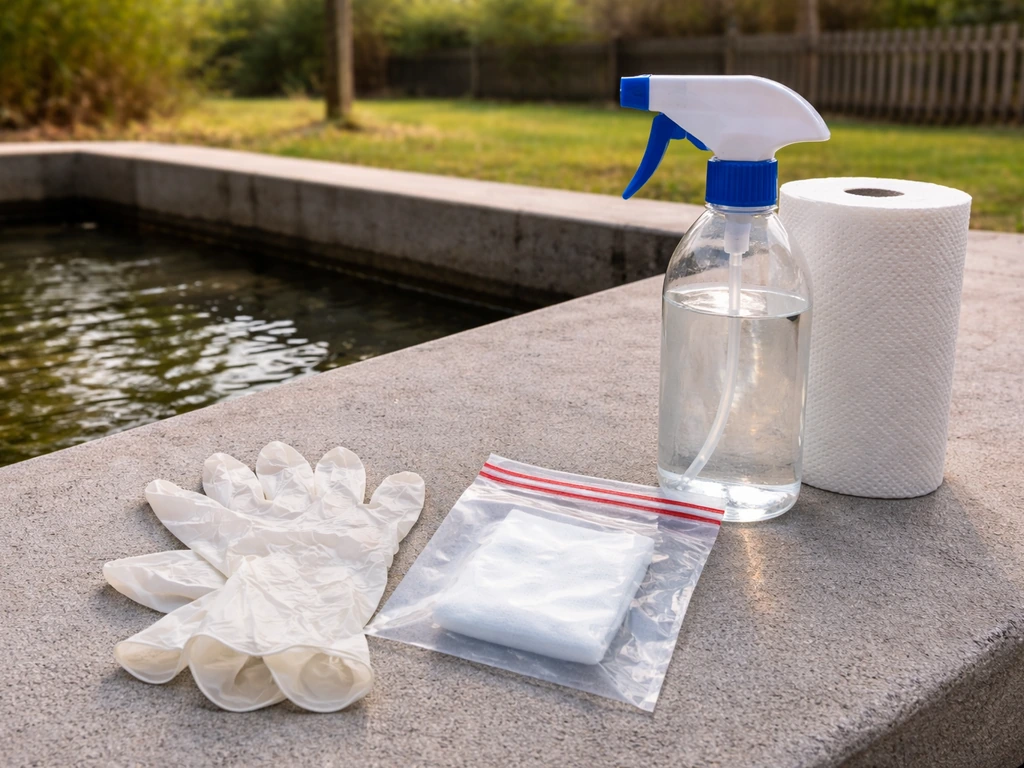
Masks are one tool in a toolkit, and honestly, for bird flu specifically, several other measures tend to have a bigger impact on your actual risk. Here's what to prioritize:
- Avoid contact with sick or dead birds entirely when possible. This is the single most effective thing most people can do. If you don't need to handle the bird, don't. The CDC is clear that direct and close contact with infected animals is the primary risk driver.
- Wear complete PPE for hands-on tasks, not just a mask. Gloves, eye protection (goggles or face shield), and protective clothing all matter. The virus can enter through the eyes, not just the nose and mouth, so a mask alone doesn't cover all the portals.
- Hand hygiene is consistently emphasized by both CDC and OSHA. Wash hands with soap and water thoroughly after any contact with birds, contaminated surfaces, or after removing PPE, and before touching your face, eating, or drinking.
- Improve ventilation in enclosed spaces when working near birds. If you're cleaning a coop, opening doors and windows to dilute airborne particles reduces your exposure load before the mask even comes into play.
- Follow local public health and animal health guidance during active outbreaks. State and county health departments issue specific instructions during HPAI outbreak events, and those supersede general advice.
- Clean and disinfect equipment and surfaces. Use soap and water to remove visible dirt, then follow with an EPA-approved disinfectant with label claims against influenza A viruses.
OSHA's guidance on avian flu worker protection underscores that effective prevention is comprehensive, not a single-item checklist. Proper PPE selection and use combined with hand hygiene and engineering controls (like ventilation) are all part of the approach. A mask on its own, without the other pieces, leaves real gaps.
Food safety and handling birds in the kitchen
This is worth addressing directly because it's a common source of confusion: wearing a mask while cooking chicken or handling eggs does essentially nothing for your bird flu risk. The transmission route in kitchen settings is not inhalation of airborne virus. It's contamination of surfaces and hands when handling raw poultry, and then transferring that to food or to your face.
The FDA and CDC are both clear on this: proper cooking temperatures and cross-contamination prevention are what protect you in a food safety context. Cook poultry and eggs to the appropriate internal temperature (165°F/74°C for poultry), keep raw meat juices away from ready-to-eat foods, wash your hands and surfaces after handling raw poultry, and use separate cutting boards. The risk from properly cooked food is negligible. No mask required, but good kitchen hygiene is non-negotiable.
For backyard flock owners who also eat their own birds or eggs: the food safety guidance is the same. Birds from flocks with confirmed HPAI should not enter the food supply, and you should follow your local agricultural authority's guidance on what to do with eggs from exposed flocks. Standard food safety handles the kitchen risk. The mask question is really about the coop, not the stove.
Symptoms to watch for, when to get help, and what to do after exposure
If you've had a significant exposure to infected or potentially infected birds, especially without full PPE, knowing what to watch for is important. The CDC states that symptoms of avian influenza A(H5) viruses typically appear around 3 days after exposure, though the range is roughly 2 to 7 days. Symptoms include fever, cough, sore throat, runny nose, muscle aches, headache, fatigue, and in more serious cases, shortness of breath or difficulty breathing. Eye infections (conjunctivitis) have also been reported. The illness typically lasts a few days to less than two weeks, though this varies.
The CDC's guidance is straightforward: if you develop any of these symptoms within 10 days of your last exposure to infected or potentially infected birds or animals, contact your local or state health department right away. Don't wait to see if it gets worse on its own. Call ahead before going to a clinic or emergency room so healthcare staff can take appropriate precautions and you don't potentially expose others.
When you call, tell the clinician about your exposure: what kind of contact you had, when, whether you used PPE, and your location. This context is critical for them to assess your situation correctly. Antiviral medications like oseltamivir (Tamiflu) are available and most effective when started early, so prompt reporting genuinely matters. If you are wondering does Tamiflu work for bird flu, it depends on the specific virus type and how early treatment starts Tamiflu for bird flu.
WHO's guidance echoes this: people in regions with active outbreaks among birds or wildlife who develop flu-like symptoms, especially fever, cough, or difficulty breathing, should seek care immediately and inform healthcare providers of any potential animal exposure. Even if you're uncertain whether your contact was a real exposure, it's better to call and let public health professionals make that call with you.
The practical takeaway: masks are one real piece of protection for the right scenario, but your overall safety plan should include avoiding unnecessary contact with sick or dead birds, wearing complete PPE when contact is unavoidable, keeping your hands clean, following local outbreak guidance, and knowing exactly what to do and who to call if symptoms develop. That combination covers the actual risk profile of bird flu in 2026 far better than any single measure on its own.
FAQ
If I buy an N95, how do I know it will actually protect me against bird flu (not just on the box)?
For bird flu, a “best mask” is the one that both filters well and seals to your face. If you can’t reliably achieve a seal (for example, from facial hair or poor fit), that specific N95 can drop from “meaningful inhalation protection” to closer to “partial benefit,” so fit matters as much as brand or label.
Do KN95 masks protect against bird flu as well as N95 respirators, or are they mostly source control?
KN95s can offer filtration and may perform closer to N95s in some models, but many KN95s vary in fit and leakage, which is often the deciding factor for inhalation protection. If you are choosing between them for bird exposure, prioritize verified respirator quality and a secure seal, not just the term “KN95.”
If I cannot get an N95, what should I do differently with a surgical mask to improve protection?
A mask can still help when you must be near birds, but surgical masks generally provide less protection if the airborne particles are able to leak around the edges. If you use a surgical mask as a fallback, the most important improvement is to ensure it stays snug and properly positioned throughout the exposure.
Why does a cloth mask not work well for bird flu compared with an N95?
Cloth masks may reduce what other people inhale from you (source control), but they usually do not provide dependable filtration or a tight seal for protecting the wearer from inhaling contaminated aerosols. For bird flu risk tied to birds and coop environments, cloth is not the same class of protection as a properly worn respirator.
Should I wear a mask when cooking chicken or handling eggs to prevent bird flu?
Yes, the route matters. In the kitchen, the primary risk is handling raw poultry, contaminating hands and surfaces, and then transferring germs to food or your mouth. Wearing a mask while cooking does not substitute for handwashing and preventing cross-contamination.
What’s the practical way to use masks for work around poultry, beyond just wearing one?
If your job involves poultry processing, coop cleaning, or any task that can generate dust, you should treat masking as part of PPE selection rather than a standalone measure. Combine the right respirator with engineering controls like ventilation when possible, and avoid aerosol-generating cleaning methods.
How long can I wear an N95 during bird-related tasks, and when should I replace it?
If you use an N95, you should replace it when it becomes wet, soiled, damaged, or hard to breathe through, because those conditions can reduce performance and comfort. Also, the seal matters each time you put it on, so don’t reuse a mask that no longer seats properly.
If I wore a mask during bird exposure and then got symptoms, does that change what I should do medically?
If you develop flu-like symptoms after a bird exposure, masking does not replace medical evaluation. Contact your local or state health department promptly (ideally within the time window after exposure) and tell them about the nature of exposure and PPE use, so they can decide about antivirals and testing.
What cleaning habits make masks less effective during coop cleanup?
During cleanup, avoid actions that create visible dust clouds, because that can load contaminated particles into the air. If you must clean, use methods that minimize aerosolization, and treat the respirator as the last line of defense rather than the main solution.
How quickly after exposure would symptoms show up, and does time to symptoms affect urgency?
If you might have been exposed to potentially infected birds, focus on exposure risk and timing, not on whether you wore a mask perfectly once. Symptoms can start roughly a couple of days after exposure (with a wider range), so you should still contact public health promptly if symptoms appear within the post-exposure window.