Yes, most people who get bird flu do survive, but survival odds vary significantly depending on which strain infected you, how quickly you got treatment, and your overall health. You may wonder, can the bird flu kill you, and the answer depends a lot on the strain and how quickly treatment starts.
Can You Survive Bird Flu? Risks, Treatment, and What to Do

Maya Chen
3 Jun 2026
For the H5N1 strain that has caused the most global concern, the historical case fatality rate is roughly 50 to 60 percent based on WHO-confirmed cases going back to 2003. That number sounds alarming, and it is serious, but it comes with important context: most recent U. S. cases have been far milder, largely presenting as eye irritation or mild respiratory symptoms, and no one in the U.
S. has died from bird flu at the time of writing. Getting antiviral treatment early is the single biggest thing that improves your odds if you do get infected.
Human survival odds: what the data says by virus type

The H5N1 subtype is the one most associated with severe disease and death in humans. WHO's cumulative data through March 2026 shows hundreds of confirmed human cases globally since 2003, with a case fatality rate that has historically hovered around 50 to 60 percent. However, that figure is almost certainly an overestimate because it is based on confirmed, reported cases, which skew toward the sickest patients who were hospitalized and tested. Mild or asymptomatic infections are rarely confirmed and counted, so the true infection fatality rate is probably lower, though by how much is still unknown.
The picture looks different when you zoom into recent U.S. cases. Starting with the 2024 dairy cattle outbreak, dozens of farmworkers were infected with H5N1, and the predominant symptom was conjunctivitis (eye redness and irritation), not severe respiratory illness. None of those U.S. cases resulted in death. That does not mean H5N1 has become harmless, but it does suggest that the strain circulating in U.S. dairy cattle appears to cause milder disease in many people, at least under current conditions.
H7N9, a different avian influenza subtype that caused significant outbreaks in China between 2013 and 2017, had a case fatality rate of roughly 39 percent among confirmed cases. Like H5N1, it caused severe respiratory illness and disproportionately affected older adults. H7N9 human cases dropped dramatically after China's aggressive poultry vaccination campaign. The bottom line: both H5N1 and H7N9 are genuinely dangerous when they cause severe disease, but the risk to any individual depends heavily on exposure circumstances, timing of treatment, and which variant is circulating.
| Strain | Historical CFR (confirmed cases) | Typical presentation | Human-to-human spread? |
|---|---|---|---|
| H5N1 (global, historical) | ~50–60% | Severe respiratory illness; milder in recent U.S. cases | Not observed |
| H5N1 (U.S. 2024–2026, dairy cattle-linked) | 0% (no U.S. deaths reported) | Mostly conjunctivitis, mild respiratory symptoms | Not observed |
| H7N9 (China 2013–2017) | ~39% | Severe pneumonia, respiratory failure | Not observed |
| Seasonal influenza (for comparison) | <0.1% | Fever, muscle aches, respiratory symptoms | Sustained human-to-human spread |
How bird flu spreads to people and where the real risk comes from
Almost every confirmed human H5N1 case has been linked to direct or close contact with infected birds or contaminated environments. WHO states that almost all H5N1 human cases have been linked to close contact with infected live or dead birds or with H5N1-contaminated environments, such as live bird markets close contact with infected live or dead birds or contaminated environments.
WHO is clear on this: touching sick or dead poultry, handling birds in live animal markets, or working in environments where infected animals have been present are the primary exposure routes. There is no sustained human-to-human transmission. FAO, WOAH, and WHO jointly confirmed as recently as July 2024 that there has been no reported human-to-human H5N1 transmission since 2007.
That means if you have not been near infected animals or contaminated animal environments, your personal risk right now is very low.
The 2024 U. S. dairy cattle outbreak added a new exposure route to watch: contact with infected cows or their milk. Farmworkers who had direct contact with infected dairy cattle, particularly their unpasteurized milk or respiratory secretions, were the ones getting infected.
The virus can enter the body through the respiratory tract or the eyes, which is why conjunctivitis was so common among dairy workers. WHO Disease Outbreak News for the United States April 2024 H5N1 event describes conjunctivitis onset in a case linked to exposure to dairy cattle presumed infected with H5N1 conjunctivitis onset in a case associated with exposure to dairy cattle presumed infected with H5N1.
The CDC's risk assessment is consistent: for the general U. S. public with no animal exposure, the risk remains low. For poultry workers, dairy farmers, and people who handle wild birds, the risk is meaningfully higher and warrants specific precautions.
Symptoms to watch for and the difference from seasonal flu
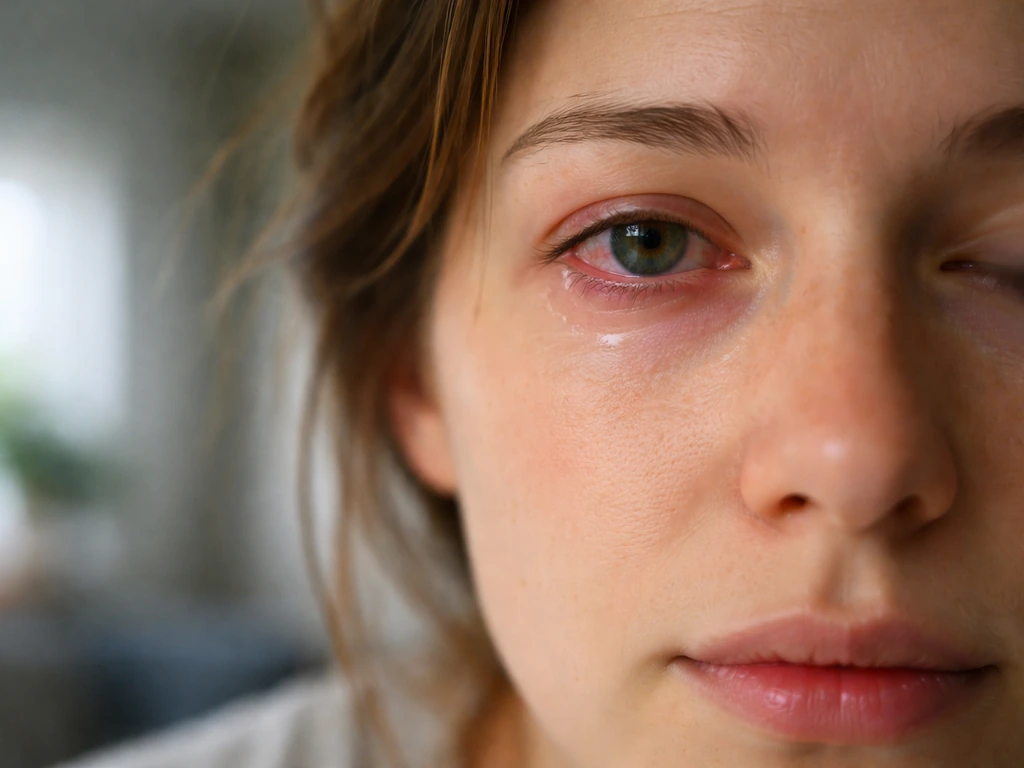
Bird flu does not always look like what you might expect. Recent U.S. cases presented primarily as eye redness, discharge, and irritation, sometimes starting as soon as one to two days after exposure. In more severe cases, H5N1 looks like an aggressive respiratory infection: high fever, cough, sore throat, and rapidly progressing shortness of breath. If you develop severe symptoms like high fever and rapidly worsening breathing problems after an exposure, seek urgent medical care, since that is when bird flu can make people seriously ill how sick does bird flu make you. The big red flag that should make you act fast is difficulty breathing combined with a known or possible animal exposure.
Here is how bird flu symptoms compare to a typical seasonal flu infection. Seasonal flu causes fever, muscle aches, fatigue, headache, and respiratory symptoms that feel awful but generally plateau. Bird flu, in severe cases, can deteriorate rapidly into pneumonia and respiratory failure within days. The key distinction is not just the symptoms themselves but the exposure context.
If you have been around infected birds, poultry, or dairy cattle in the past 10 days and you develop any of these symptoms, that exposure history changes everything about how urgently you need to act. Related questions like what does bird flu feel like and how sick does bird flu make you go deeper into the symptom progression, but the short version is: watch for fever, cough, sore throat, eye symptoms, or difficulty breathing after any animal contact.
- Eye redness, discharge, or irritation (conjunctivitis) — often the first sign in dairy worker cases
- Fever, cough, or sore throat starting within 2–5 days of exposure
- Muscle aches or fatigue more severe than a typical cold
- Shortness of breath or chest tightness — seek emergency care immediately
- Diarrhea or gastrointestinal symptoms in some H5N1 cases
What to do immediately after exposure or if symptoms start
If you have had direct contact with sick or dead birds, infected poultry or dairy cattle, or a confirmed H5N1-positive environment, start symptom monitoring immediately. CDC guidance says to watch yourself from day zero of the exposure through 10 days after your last contact. You are looking for any of the symptoms listed above. Do not wait to see if symptoms get worse before taking action.
- Separate yourself from other household members as much as possible if you develop symptoms — you do not want to risk spreading any respiratory illness while you are being evaluated.
- Call your doctor or local health department before walking into a clinic. Tell them specifically about your exposure to birds, poultry, or dairy cattle. That context is critical because they need to consider H5N1 testing and empiric antiviral treatment.
- Your state public health department will coordinate testing and specimen collection. Do not skip this step — home flu tests do not detect bird flu, so you need proper public health lab testing.
- If you are having difficulty breathing, chest pain, or severe respiratory distress, call 911 or go to the emergency room. Tell them about your exposure history upfront.
- Avoid handling animals or contaminated surfaces while awaiting evaluation to prevent any potential spread.
One thing worth emphasizing: do not try to manage possible bird flu symptoms at home while waiting to feel better. The disease can progress quickly in severe cases, and every hour matters for antiviral effectiveness. CDC guidance is explicit that if you have relevant exposure and develop symptoms, you should be evaluated promptly, not when convenient.
Treatment that improves survival: antivirals and hospital care

The antiviral oseltamivir (brand name Tamiflu) is the primary treatment for bird flu, and getting it early is the most important thing you can do to improve your outcome. CDC recommends starting it as soon as possible, ideally within 48 hours of symptom onset, because that is when clinical benefit is greatest. For severe or hospitalized cases, antivirals are still recommended even if started more than 48 hours after symptoms began, because the disease can continue progressing and the treatment still helps. Do not let anyone tell you it is too late to try.
For people who were exposed but have not yet developed symptoms, oseltamivir can also be given as post-exposure prophylaxis (PEP). CDC explicitly recommends this for asymptomatic people who meet the exposure criteria, and it should be started as soon as possible after the exposure. If you know you have been in contact with infected animals and you are connected with your health department, ask about PEP right away.
Severe H5N1 cases often require hospitalization with supportive care: supplemental oxygen, mechanical ventilation in the worst cases, and management of secondary complications like bacterial pneumonia. There is no specific cure beyond antivirals plus supportive care, which is exactly why early treatment and early hospital escalation matter so much. The patients who do worst are typically those who waited too long to seek care or who had limited access to medical treatment.
Food safety: can you get bird flu from poultry or eggs
Properly cooked poultry and eggs are safe to eat. WHO is direct about this: there is no evidence that avian influenza viruses, including H5N1, can be transmitted to humans through food that has been properly prepared and cooked. The same applies to H7N9. CDC confirms there is no evidence of infection in the U.S. from properly handled and cooked poultry products. The heat from thorough cooking kills the virus.
The safe internal temperature for all poultry, including ground poultry, whole birds, giblets, and stuffing, is 165 degrees Fahrenheit (73.9 degrees Celsius). Use a food thermometer to confirm, not just color. For eggs, cook until both the yolk and white are firm. Raw or undercooked poultry is a different story, and CDC notes that in some Southeast Asian settings, handling uncooked poultry was identified as a possible source of infection.
Raw milk is the other food safety area to know about. During the 2024 U.S. dairy cattle outbreak, raw milk from infected cows contained H5N1 virus, and the evidence around raw milk as a transmission risk is genuinely uncertain. NIH research found that infectious H5N1 virus in raw milk declines rapidly with heat treatment at pasteurization temperatures, and CDC is clear that the commercial pasteurized milk supply is safe. The recommendation is simple: avoid raw (unpasteurized) milk and products made from it. Stick with pasteurized dairy.
| Food item | Safe? | Key guidance |
|---|---|---|
| Cooked poultry (165°F internal temp) | Yes | Use a food thermometer to confirm temperature |
| Cooked eggs (firm yolk and white) | Yes | Avoid runny or undercooked eggs |
| Pasteurized milk and dairy products | Yes | Commercial milk supply is safe |
| Raw/undercooked poultry | Avoid | Wash hands and surfaces after handling raw poultry |
| Raw (unpasteurized) milk | Avoid | H5N1 found in raw milk during 2024 U.S. outbreak |
Prevention steps for everyday people and for higher-risk exposure
For the general public with no direct animal exposure, the practical prevention list is short: avoid direct contact with sick or dead wild birds, do not handle birds you find on the ground, wash your hands after any contact with animals or live poultry, and avoid raw milk. If you are traveling to countries with known bird flu outbreaks in animals, WHO specifically advises staying away from farms, live animal markets, and any areas where animals may be slaughtered.
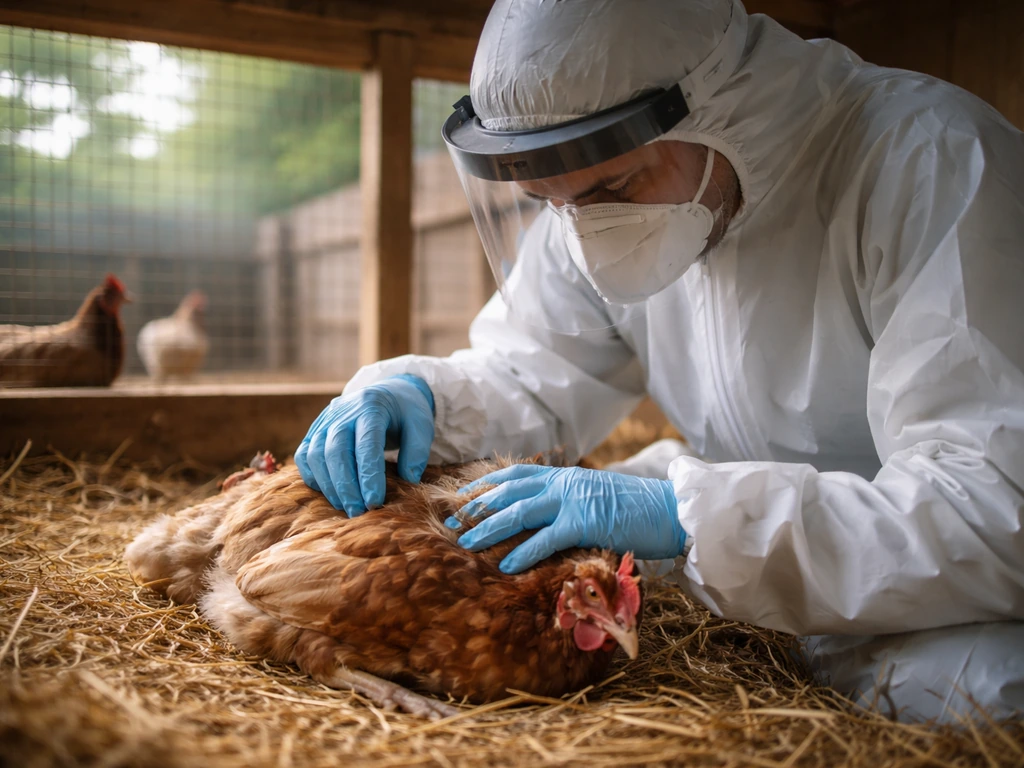
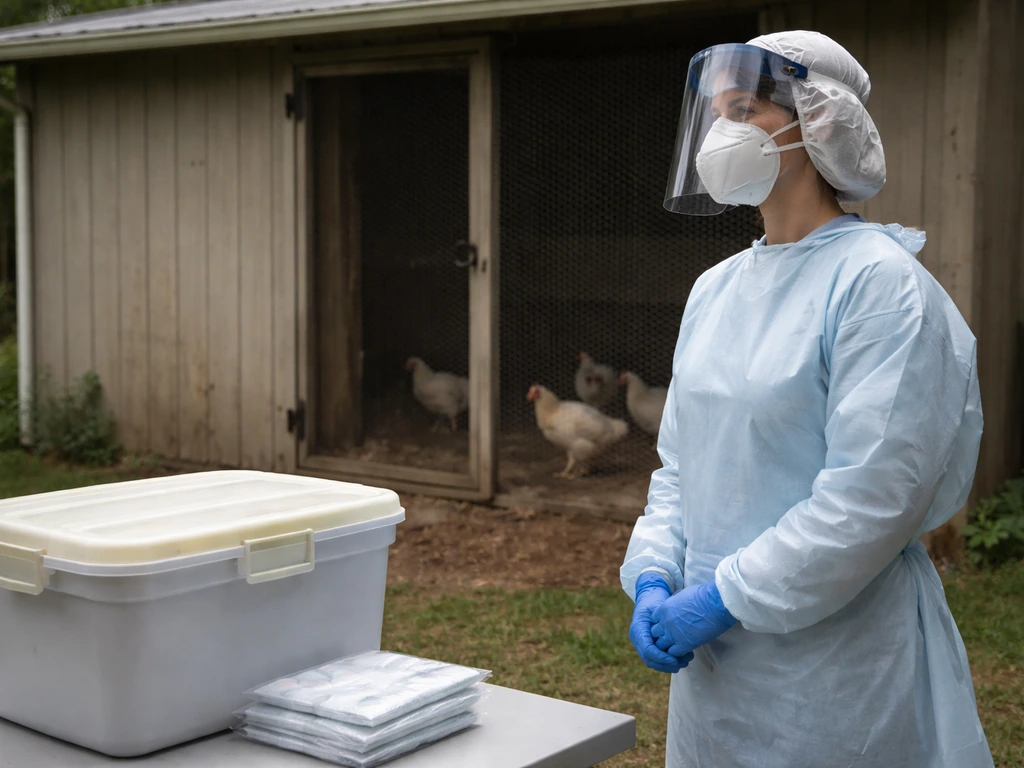
If you work in poultry farming, dairy operations, wildlife management, or any setting with direct animal contact, your prevention steps need to be more deliberate. CDC guidance for these higher-risk groups includes wearing appropriate personal protective equipment: gloves, eye protection (goggles or face shield), an N95 or higher respirator when working closely with infected or potentially infected animals, and protective clothing. Eye protection is especially important given how many U.S. cases presented with conjunctivitis from presumed eye exposure.
- Wear gloves when handling birds, poultry, or dairy cattle — dispose of or wash them after each use
- Use N95 respirators and eye protection (goggles or face shield) in enclosed spaces with poultry or when handling infected animals
- Wash hands thoroughly with soap and water after any animal contact, before eating, and before touching your face
- Do not touch your eyes, nose, or mouth after handling animals without washing your hands first
- Avoid contact with sick or dead wild birds; report unusual bird deaths to your state wildlife agency
- Do not consume raw milk, raw eggs, or undercooked poultry
- Current seasonal flu vaccines do not protect against bird flu subtypes — there is no routine H5N1 vaccine for the general public at this time
Checking current outbreak guidance and when to follow public health updates
The bird flu situation is actively evolving, and the guidance you read a year ago may not reflect the current risk picture. The U.S. dairy cattle H5N1 outbreak that began in March 2024 was still generating human cases into 2026, and WHO continues to update its global case counts and risk assessments. The most reliable places to check current outbreak status are the CDC avian influenza hub (cdc.gov), WHO's disease outbreak news page, and your state health department website. CDC updates its qualitative risk assessments for the U.S. public on a rolling basis and posts Health Alert Network (HAN) notices when clinicians need to be aware of new developments.
If you work in agriculture or have regular animal contact, it is worth bookmarking CDC's page for people exposed to birds or other animals infected with avian influenza viruses, because it gives practical, situation-specific next steps. Your state health department is also directly involved in coordinating testing and monitoring for anyone with a potential exposure, so they are the right first call if you have concerns about a specific incident.
One thing to keep in mind about public health updates: guidance changes as the virus changes. If a new strain starts showing more efficient human-to-human spread or higher severity in certain populations, health agencies will update their recommendations quickly. That is worth watching for, but as of June 2026, sustained human-to-human H5N1 transmission has still not been documented. The current picture is serious enough to take precautions seriously but not a reason for panic. The people who fare worst are those who dismiss the risk entirely and delay care after a real exposure. Pay attention to the guidance, act promptly if you have an actual exposure, and you will be in a far better position than most.
FAQ
What should I do if I am not completely sure I had an exposure but I now have symptoms?
If you are not sure you had a qualifying exposure, the safest trigger is combining possible exposure with new symptoms. Seek urgent medical advice if you develop fever, cough/sore throat, eye redness with discharge, or any rapidly worsening breathing after contact with birds, poultry, dairy cattle, or contaminated animal environments in the past 10 days.
Can I treat suspected bird flu at home and only go to the doctor if it gets worse?
No. Over-the-counter fever reducers and rest can help discomfort, but they do not stop viral progression. If you have relevant exposure and symptoms, ask specifically about antiviral treatment evaluation and timing.
What happens in severe cases, and when do doctors decide you need hospitalization?
Hospital-level care is typically needed when there is low oxygen, severe pneumonia, or rapidly worsening shortness of breath. Clinicians monitor oxygen levels, may provide supplemental oxygen early, and escalate to ventilatory support if breathing failure develops.
If I get conjunctivitis after bird or dairy exposure, does that count as possible bird flu?
Yes, eye symptoms can be part of disease presentation. If you had animal exposure and develop conjunctivitis (especially with discharge) plus fever or respiratory symptoms, call for medical evaluation rather than assuming it is only an eye infection.
Is oseltamivir useless if I start it more than 48 hours after symptoms begin?
The “too late” concern is often misunderstood. Even if more than 48 hours have passed since symptoms began, antivirals are still recommended for severe illness or hospitalization because treatment can still help slow progression.
If I was exposed but still feel fine, how soon should I ask about post-exposure prophylaxis?
For post-exposure prophylaxis, the key factors are whether your situation meets exposure criteria and how quickly you start. Contact your health department or clinician as soon as possible after exposure to discuss whether you qualify, since timing affects effectiveness.
If I start prophylaxis, do I still need to monitor for symptoms?
If you are on prophylaxis or have started antivirals, do not assume you cannot get worse. Continue symptom monitoring through the exposure window and seek care immediately for breathing trouble, high fever, or rapid deterioration.
Could I catch bird flu from eating poultry, eggs, or other restaurant food?
Swallowing properly cooked food is generally not the route of infection when food is thoroughly cooked. The bigger risks are handling infected animals, contaminated environments, and unpasteurized products like raw milk.
What is the practical risk from raw milk during a dairy cattle outbreak?
Avoid raw (unpasteurized) milk and products made from it. If you live or work in an area with dairy cattle outbreaks, also treat contact with raw milk and respiratory secretions as a potential exposure, not just a food safety issue.
What extra precautions should poultry or dairy workers take beyond handwashing and avoiding sick birds?
The major prevention difference is that higher-risk workers should focus on barrier protection and fit-tested respiratory protection when working near potentially infected animals. Gloves plus eye protection and an N95 or higher respirator, along with protective clothing, reduce both respiratory and eye exposure routes.
How can I make sure my cooking temperature is actually high enough to inactivate bird flu risk?
Do not rely on color alone. A food thermometer is recommended for accuracy, and poultry including ground poultry should reach the safe internal temperature (165°F or 73.9°C). For eggs, ensure both yolk and white are firm.