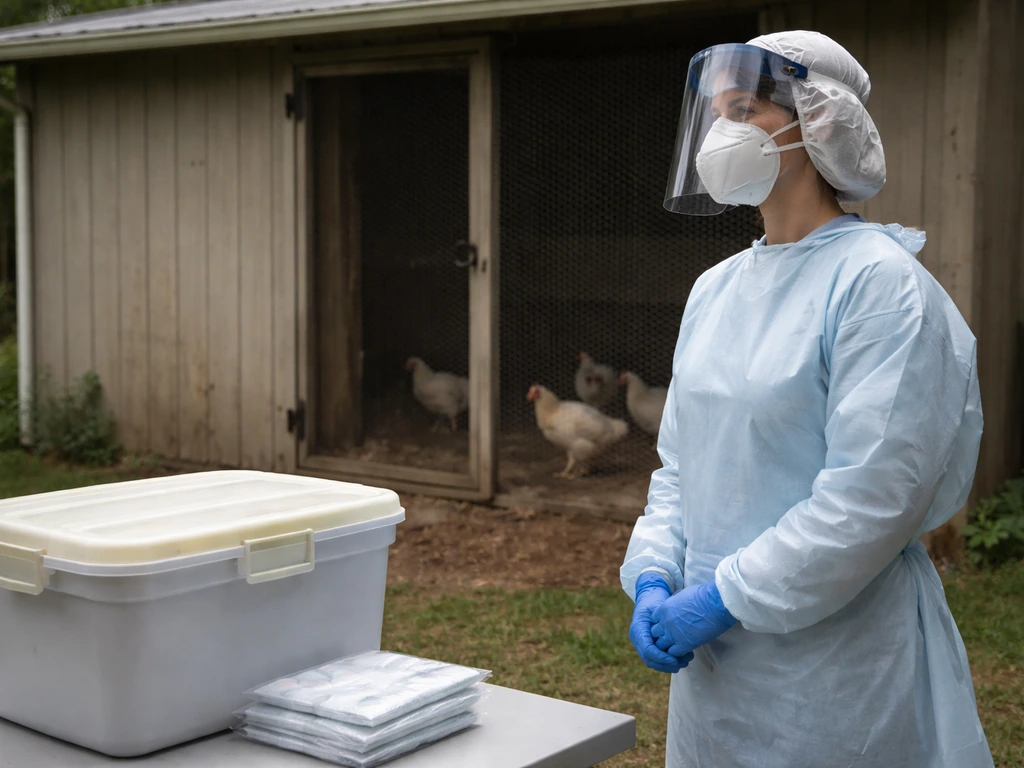
Bird flu in humans typically feels like a sudden, fairly intense flu-like illness, often with fever above 38°C (100. WHO Q&A notes that H5N1 symptoms may include fever (often high, >38°C) and malaise, plus cough, sore throat, and muscle aches WHO says H5N1 symptoms can include fever (often high, >38°C) and malaise, as well as cough, sore throat, and muscle aches.
What Does Bird Flu Feel Like? Symptoms and Next Steps

Maya Chen
25 Jun 2026
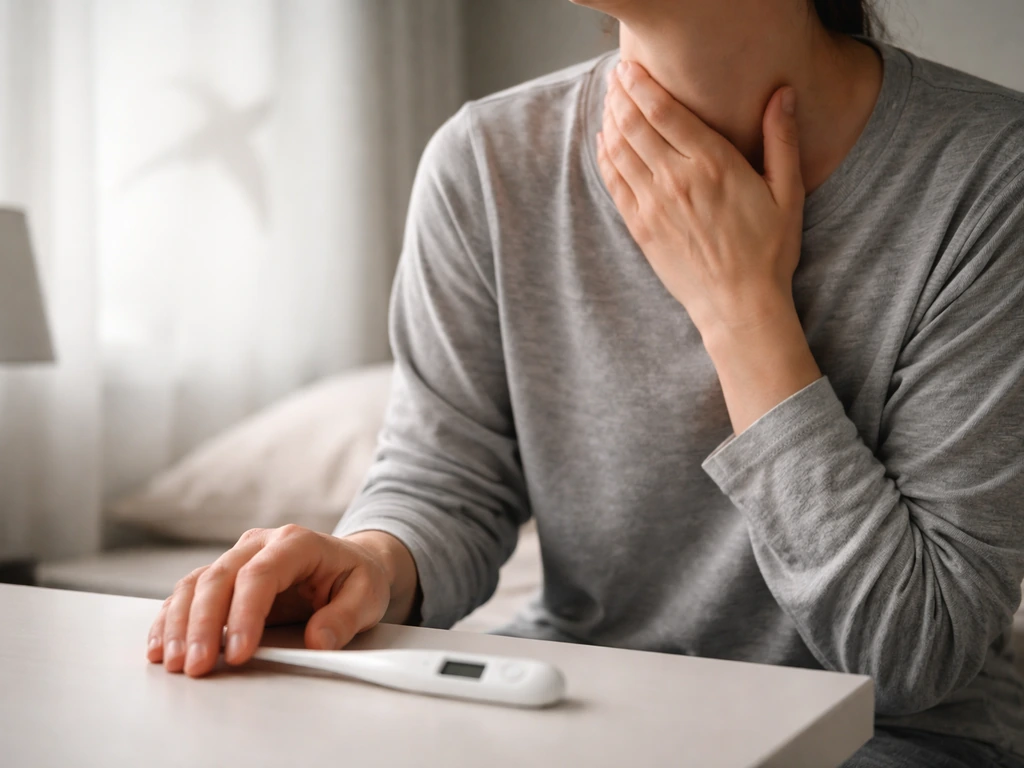
4°F), muscle aches, cough, and sore throat. What sets recent U. S. human cases apart from a typical seasonal flu is eye redness or irritation (conjunctivitis), which has been the most commonly reported symptom in recent H5 infections in the United States.
Some people also develop diarrhea early on. Severe cases can progress to shortness of breath and pneumonia. If you have those symptoms and you've recently been around sick or dead birds, poultry, dairy cattle, or other potentially infected animals, that combination is your signal to call a doctor and your local health department without waiting.
In severe cases, bird flu can become life-threatening, so it is important to get medical advice quickly if you think you may have been exposed.
What bird flu actually feels like: the typical symptom picture
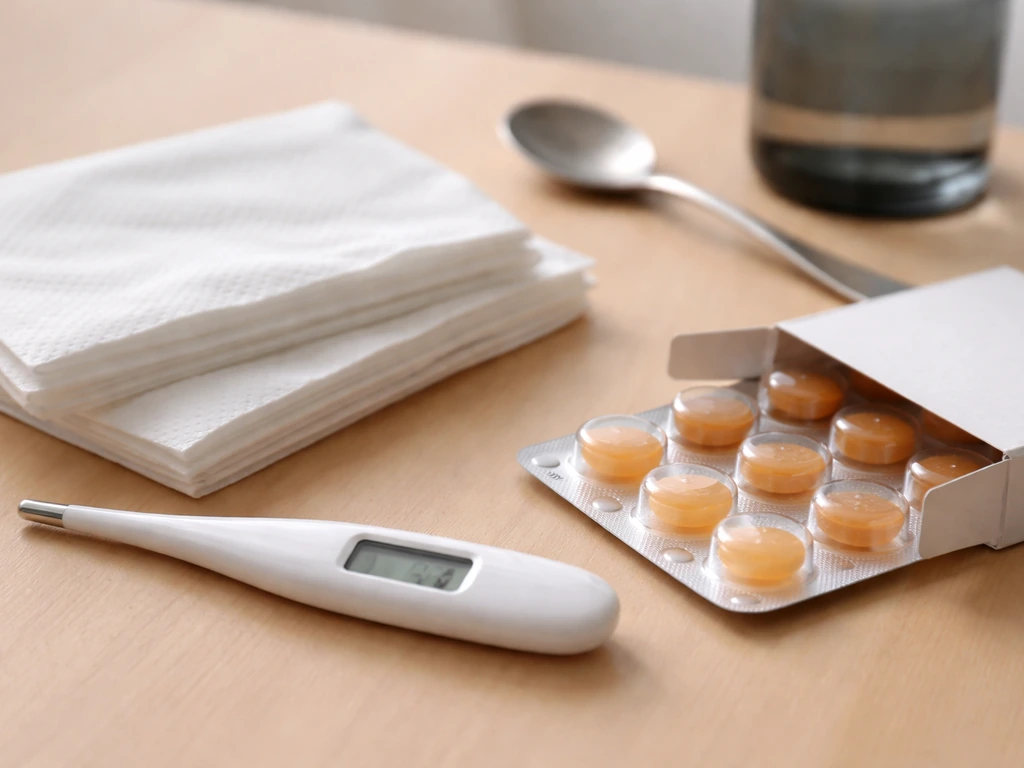
Most people who have contracted avian influenza describe it as a fast-moving, hard-hitting illness. The onset tends to be abrupt rather than gradual, which is true of influenza generally. Here is what the symptom profile commonly includes:
- Fever, often high (above 38°C / 100.4°F), sometimes spiking quickly
- Marked fatigue and malaise (that 'hit by a truck' feeling)
- Muscle aches that can be significant
- Cough, which may be dry at first
- Sore throat
- Eye redness, irritation, or discharge (conjunctivitis), particularly in recent U.S. H5 cases
- Runny or stuffy nose in some cases
- Diarrhea or loose stools, which can appear early and sometimes precede respiratory symptoms
- In more severe cases: shortness of breath, difficulty breathing, and chest tightness indicating lower respiratory involvement
The eye symptom deserves extra attention because it stands out. In several recent U.S. H5 human infections tied to dairy cattle and poultry outbreaks, conjunctivitis was the predominant or even the sole early symptom, before any respiratory complaint developed. So if your eyes are red and irritated after working around potentially infected birds or animals, don't write it off as allergies without considering the exposure context.
Severe disease, which is more characteristic of H5N1 cases documented globally, can escalate to pneumonia, acute respiratory distress, and in the worst outcomes, multi-organ failure. That level of severity is not universal, but it is real, and it is part of why suspected exposure cases need prompt clinical evaluation rather than a 'wait and see' approach at home.
How bird flu differs from seasonal flu, COVID, and other respiratory illnesses
Honestly, if you just go by respiratory symptoms alone, bird flu can be nearly indistinguishable from a bad seasonal flu or even COVID-19. That is exactly why exposure history matters so much in sorting out what you are dealing with. But there are some useful distinguishing features.
| Feature | Bird Flu (Avian Influenza) | Seasonal Flu | COVID-19 |
|---|---|---|---|
| Fever | Common, often high (>38°C) | Common, often high | Common, variable |
| Muscle aches | Pronounced | Pronounced | Variable |
| Cough | Yes, can progress quickly | Yes | Yes |
| Eye redness / conjunctivitis | Frequently reported, especially H5 | Rare | Occasionally reported |
| Diarrhea / GI symptoms | Reported, can appear early | Less common | Reported in some cases |
| Loss of smell or taste | Not a known feature | Rare | Classic feature |
| Progression to pneumonia | More likely in severe cases | Possible, especially in vulnerable groups | Common in severe cases |
| Exposure trigger | Requires animal/environment contact | Person-to-person spread | Person-to-person spread |
| Human-to-human spread | Rare | Very common | Very common |
The single biggest differentiator is not actually a symptom at all: it is whether you have had direct or close contact with infected or potentially infected birds, poultry, dairy cattle, or contaminated environments like live bird markets or farm facilities. Without that exposure, the probability that what you have is bird flu drops dramatically. Conjunctivitis combined with recent animal exposure, however, is a combination worth taking seriously and reporting to a clinician.
Incubation time: when symptoms tend to appear after exposure

If you have been exposed to potentially infected birds or animals, you will not feel sick immediately. The incubation period for H5N1, the strain with the most documented human cases globally, is typically 2 to 4 days after last exposure, though the range runs from as little as 1 day to as long as 8 to 10 days. Canada's public health guidance places the window at 1 to 5 days in most cases, with an outer limit of around 10 days. H5N6, another strain that has caused human infections, has shown an average incubation of about 4.3 days, with a range of 1 to 13 days.
One pattern worth knowing: in some documented H5N1 cases, diarrhea appeared first and respiratory symptoms followed days later. This means that if you have had a meaningful bird exposure and you develop GI symptoms before any respiratory illness, that sequence is relevant information to share with your doctor. The incubation is generally longer than for a common cold (which hits within 1 to 2 days) and similar to or slightly longer than seasonal flu.
Eye redness after H5 virus exposure can show up particularly fast, sometimes within 1 to 2 days. So for people with occupational exposure (poultry workers, farm workers, veterinarians), an eye symptom that develops quickly after contact is one of the earliest possible signs to watch for.
Who is actually at risk: exposure clues that matter
The single most important risk factor for human bird flu infection is direct, unprotected contact with infected or potentially infected animals or their environments. The CDC and WHO are consistent on this: almost all documented human H5N1 cases worldwide have been linked to close contact with live or dead infected birds or contaminated environments, including live bird markets. Human-to-human transmission is rare and has not led to sustained community spread.
In the current U.S. context (as of mid-2026), human cases have also been linked to infected dairy cattle herds, which expanded the exposure category beyond poultry alone. So the relevant risk profile now includes:
- Poultry farm workers, especially those handling sick or dead birds without full protective equipment
- Dairy farm workers with direct contact with infected cattle (particularly if milk or mucous membranes are involved)
- Backyard poultry owners who have experienced bird deaths in their flock
- Hunters or wildlife workers handling wild birds (particularly waterfowl and shorebirds during outbreak periods)
- Veterinarians and farm veterinary staff working in affected facilities
- Travelers who visited live bird markets or poultry operations in countries with active H5N1 outbreaks in animals
- People who handled infected or dead wild birds without gloves or respiratory protection
If none of those descriptions apply to you, the probability that your respiratory illness is bird flu is very low, and seasonal flu, COVID-19, RSV, or another common respiratory virus is far more likely. That is not dismissive of your concern; it is just the epidemiological reality.
When to seek urgent care and what to tell your clinician

If you have had a relevant animal exposure and you develop any of the following, contact your healthcare provider and your state or local health department right away, without waiting to see whether symptoms improve:
- Fever of 100°F (37.8°C) or higher
- Cough or sore throat
- Eye redness, irritation, or discharge
- Shortness of breath or difficulty breathing (this is an urgent red flag requiring same-day evaluation)
- Diarrhea in combination with any of the above after animal exposure
- Feeling seriously unwell in a way that feels disproportionate to a usual cold
Shortness of breath or difficulty breathing after a known or possible bird/animal exposure should be treated as an emergency. Do not wait on that one.
When you contact a clinician or call ahead to a clinic or emergency department, tell them specifically: the nature of your exposure (what animal, what setting, when, whether you wore protective equipment), your current symptoms and when they started, and that you are concerned about avian influenza. This matters because clinicians need to use appropriate precautions and arrange the right testing.
CDC guidance directs clinicians to collect nose and throat swabs, and if you have eye symptoms, swabs from the eyes as well. They may also start antiviral treatment (oseltamivir) while test results are pending if the exposure history is strong. Do not just walk into a waiting room without calling ahead, both for your own care and to avoid any risk of exposing others.
What to do at home while you decide or wait for evaluation
If you have a possible exposure and mild symptoms and you are waiting to hear back from a health department or clinician, here are practical steps that make sense in the meantime:
- Stay home and limit contact with others in your household, especially vulnerable people like the elderly or immunocompromised.
- Do not go to work, school, or public gatherings while symptomatic.
- Write down your exposure details while they are fresh: the date, setting, animals involved, and what protective gear (if any) you were wearing. Your clinician will need this.
- Monitor your symptoms actively. Check your temperature at least twice a day. Note whether you develop eye redness, shortness of breath, or worsening cough.
- Stay hydrated and rest. Standard supportive care applies while you await guidance.
- If you develop difficulty breathing, chest pain, confusion, or your fever climbs sharply and you cannot reach your provider, go to an emergency department and tell them about the exposure when you arrive.
- Do not take antiviral medications (like oseltamivir) on your own without clinician guidance. Dosing, timing, and appropriate use need medical oversight.
- Avoid touching your face, particularly your eyes and mouth, and wash your hands frequently.
One practical note: calling your state or local health department directly is not an overreaction if you have had a meaningful exposure. They are set up to triage these calls, coordinate testing logistics, and guide you on next steps faster than trying to navigate a standard clinic appointment. They can also notify public health investigators if your case warrants follow-up.
Perspective: most sick people do not have bird flu
If you searched 'what does bird flu feel like' because you are feeling unwell right now, the honest and evidence-based answer is that it is almost certainly not bird flu unless you have had a direct exposure to infected animals or their environments. If you are wondering can you survive bird flu, the most important step is prompt medical evaluation after any meaningful bird exposure. The CDC assesses the overall risk to the general U. S.
public from H5N1 as low.
Human infections remain uncommon and are largely tied to occupational or close animal contact. Tens of millions of people get seasonal flu or COVID every year; human bird flu cases globally number in the hundreds over the past two decades.
That said, 'low overall risk' does not mean 'ignore symptoms if you had a real exposure.' The reason public health takes suspected cases seriously is that bird flu can make people genuinely very sick, and early antiviral treatment matters for outcomes. The severity question, including how sick bird flu can make you and whether it can be fatal, depends on the strain, the individual, and how quickly treatment begins. Yes, in some severe cases, people can die from bird flu, which is why prompt medical evaluation matters if you had a meaningful exposure how quickly treatment begins. Those are genuinely important factors worth understanding if you are in a higher-risk group.
For most people reading this without any bird or animal exposure, a fever, sore throat, cough, and muscle aches in mid-2026 is almost certainly seasonal influenza, a COVID variant, or another respiratory virus. Rest, fluids, and standard over-the-counter symptom management are the right starting point. But if there is any animal exposure in your recent history, even something that seemed minor at the time, mention it to a clinician. That piece of context changes the clinical picture entirely.
FAQ
What does bird flu feel like if I only have mild symptoms?
Mild bird flu can still start with the “flu-like” pattern, but in some cases the first sign is limited to eye redness or irritation (conjunctivitis) and possibly mild fever or body aches. If you had recent close animal or farm-related exposure, even mild symptoms are enough to call a clinician, because antivirals may be considered when exposure history is strong, not just when symptoms become severe.
Could bird flu feel like allergies or pink eye only?
Yes, eye symptoms can be prominent early, and conjunctivitis has been reported as an early or predominant symptom in some H5 infections. The key caveat is context, if your eye redness started soon after working with birds, poultry, dairy cattle, or in farm settings, treat it as more than typical allergy and contact a clinician for exposure-based guidance.
How soon after exposure would I start feeling sick?
For H5N1, symptoms commonly begin about 2 to 4 days after your last exposure, with some cases as early as 1 day and others out to about 8 to 10 days. Eye symptoms can sometimes appear faster (often 1 to 2 days after contact). If your symptoms start outside the 1 to 10 day window, bird flu becomes less likely, but strong exposure plus worsening symptoms still warrants medical advice.
If I have diarrhea first, does that mean it is bird flu?
Not necessarily, but the order of symptoms matters. In some documented H5N1 cases, diarrhea showed up before respiratory symptoms, sometimes days earlier. If diarrhea starts after meaningful bird exposure, tell your clinician, because that sequencing can affect how aggressively they evaluate for avian influenza.
When should I treat shortness of breath as an emergency?
If you develop shortness of breath or difficulty breathing after a known or possible bird or animal exposure, treat it as urgent and seek emergency care. Do not wait to see if it improves, delayed care can matter if you are progressing toward pneumonia or severe respiratory illness.
I have a cough and fever, but I did not touch animals. Is bird flu still possible?
With no direct or close contact with infected or potentially infected animals or contaminated farm environments, bird flu is considered very unlikely, and your illness is more likely seasonal flu, COVID-19, RSV, or another respiratory virus. If you realize you had unrecognized exposure (for example, handling poultry products, working on a farm site, or being in a live bird market), update the clinician, but do not assume without that connection.
Do I need to call ahead before going to a clinic?
Yes, especially if you had an animal or farm exposure and you have compatible symptoms like fever plus cough or prominent eye redness. Call ahead and tell them you are concerned about avian influenza and describe your exposure details, clinicians may use specific precautions and arrange targeted swabs (nose and throat, and possibly eye swabs) rather than relying on standard respiratory testing alone.
What details should I share to help clinicians decide on testing?
Share the exact exposure type (birds or poultry, dairy cattle, farm facility, live bird market, dead animals), the timing of your last contact, whether you used protective equipment (gloves, mask/respirator, eye protection), and the symptom start date and sequence (for example, eyes first, diarrhea first). This helps clinicians match your case to an exposure-based testing and treatment plan.
If tests are pending, will doctors treat before results come back?
They may, in particular when exposure history is strong and symptoms fit a concerning pattern. The article notes that antivirals such as oseltamivir can be started while awaiting results in some scenarios, so the practical step is to ensure your exposure history is clearly communicated promptly.
Should I avoid contact with others while I am being evaluated?
It is a reasonable precaution to limit close contact until you have spoken with a clinician, especially if you have a fever, cough, or eye symptoms. Even though sustained human-to-human spread appears rare, respiratory viruses are still contagious, and eye symptoms can also spread through direct contact.
Does wearing protective gear during farm or poultry work eliminate risk completely?
It can reduce risk, but it does not eliminate it. Fit and type of protection matter, if your mask or eye protection was incomplete, if you had accidental splashes to the eyes, or if you handled animals without proper precautions, you can still have exposure. If symptoms start after such an event, report that nuance to your clinician.
Next Article
Can You Survive Bird Flu? Risks, Treatment, and What to Do
Plain answers on surviving bird flu: risk by subtype, transmission, when to seek care, antivirals, and safe food handlin