
On most surfaces, avian influenza virus can remain infectious for anywhere from a few hours to a couple of days, and shoes and clothing fall right in the middle of that range depending on the material. Hard, non-porous shoe soles behave more like plastic or rubber (think up to 24-48 hours under cool, damp conditions), while fabric uppers and clothing act more like cloth (often under 8-12 hours). The honest answer is that the exact number shifts a lot based on temperature, humidity, UV exposure, and whether there is organic material like droppings present. What matters more than a precise number is understanding when the risk is real, and what you can do in about 10 minutes to make it effectively negligible.
How Long Does Bird Flu Live on Shoes and Clothes?

Maya Chen
5 Jul 2026
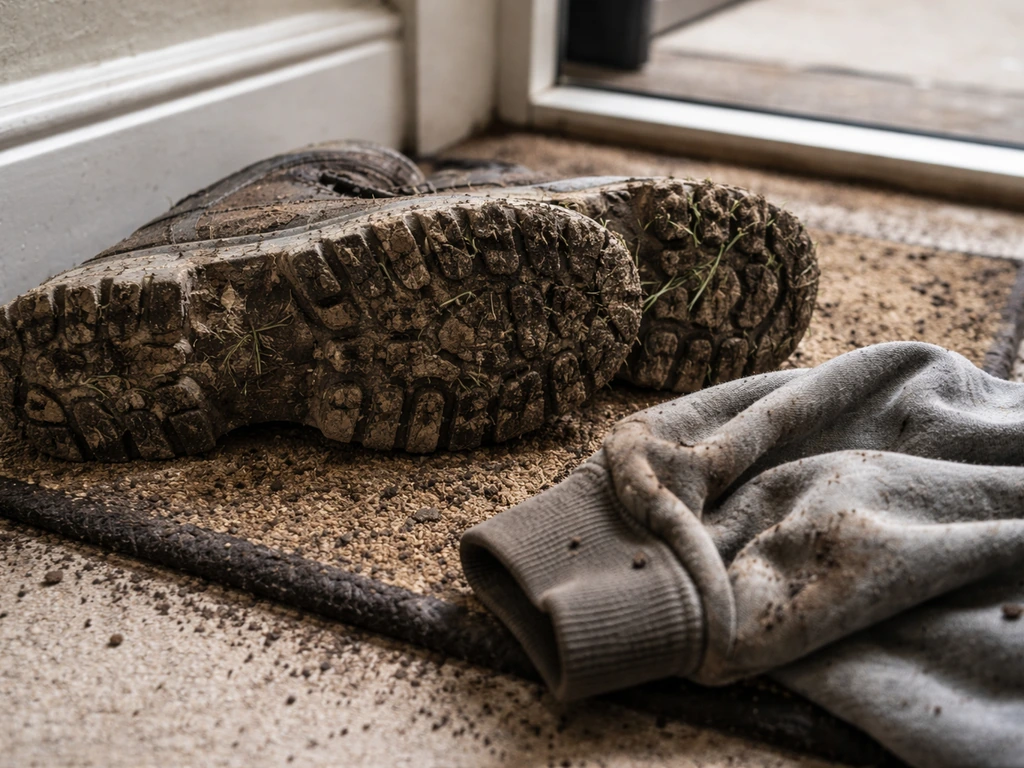
What 'bird flu on shoes and clothing' actually means
When people ask about bird flu on shoes or clothes, they are really asking about a specific contamination scenario: footwear or fabric that has picked up infected bird droppings, secretions, or contaminated water or soil from places like poultry coops, live bird markets, farms, or areas where wild birds congregate. This is different from casual outdoor exposure to birds flying overhead. The concern is direct contact with material that came out of an infected bird, because that material can carry live, infectious virus particles.
It is worth being precise about what 'live virus' means here. When researchers talk about virus surviving on a surface, they mean viable, infectious virus that is still capable of entering a cell and causing infection, not just detectable genetic material. RT-PCR tests can pick up viral RNA on surfaces long after the virus has lost its ability to infect anyone. So a positive environmental swab does not automatically mean a surface is still dangerous. The practical question is always: is the virus still infectious? And that depends heavily on conditions.
CDC and WHO both emphasize that the primary risk comes from direct contact with contaminated animal material, not from shoes wandering through your house on their own. That said, contaminated boots or clothing can track virus into clean areas, and farm workers, poultry keepers, and backyard flock owners have a real reason to think carefully about this.
Typical survival time range (and why it is not a single number)
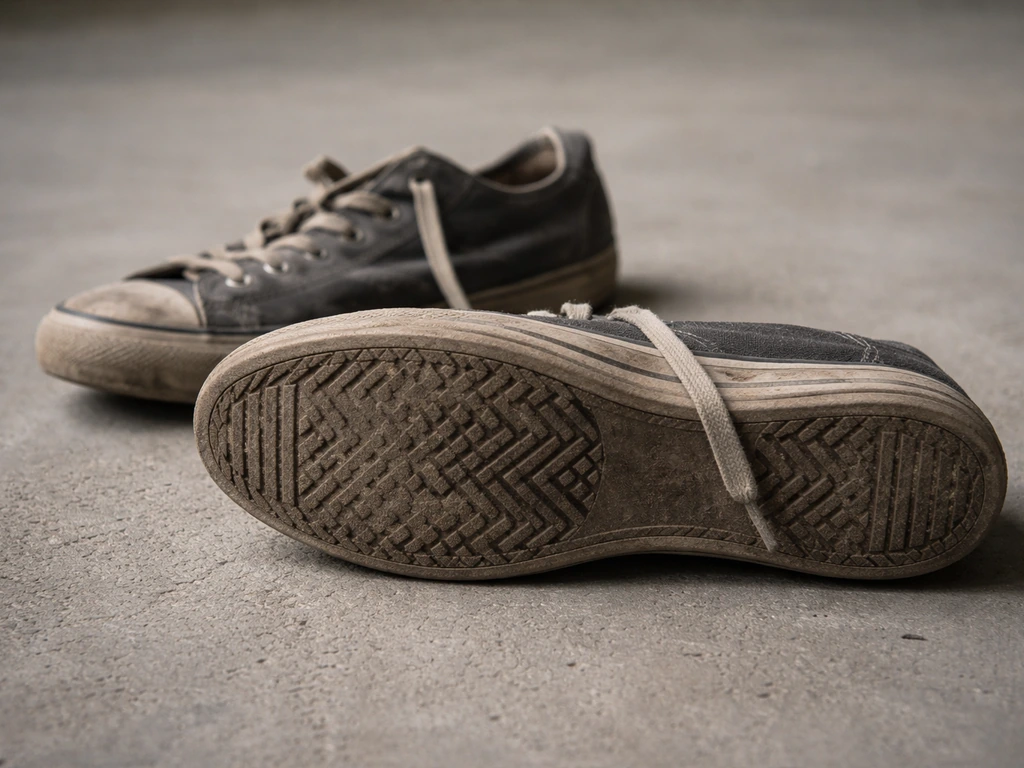
There is no single survival time for avian influenza on shoes because different parts of a shoe behave like different surfaces. A rubber or hard plastic sole behaves like a hard, non-porous surface. A textile upper or a pair of fabric work clothes behaves like cloth. Research on H5N1 specifically found around 26 hours of infectious survival on plastic surfaces. The same general survival principles also help explain how long bird flu can persist in soil or other outdoor materials survival on plastic surfaces. Classic influenza A/B fomite research found viruses surviving 24-48 hours on hard, non-porous surfaces like stainless steel and plastic, but less than 8-12 hours on cloth, paper, and tissue. A separate household-surface study confirmed cloth surfaces cleared infectious virus within about 8 hours. Rubber is an outlier: one study found infectivity on a rubber glove lasting up to 24 hours.
At the outer extreme, a highly pathogenic H5N1 study showed that under low temperature and low relative humidity, the virus showed less than one log reduction on hard surfaces after 13 days. In general, the farther the virus has to travel from an infected bird, the more it depends on survival conditions on surfaces and the amount of contamination involved less than one log reduction on hard surfaces after 13 days. That scenario (cold, dry, dark storage) is not your backyard on a July afternoon, but it does matter for boots left in an unheated barn in winter, or equipment stored in a cold garage.
| Material / Surface Type | Approximate Survival Range | Notes |
|---|---|---|
| Hard rubber or plastic shoe sole | Up to ~24-26 hours (typical conditions) | Longer under cold, low-humidity, dark conditions |
| Fabric clothing or textile shoe upper | Generally under 8-12 hours | Cloth dries faster, reducing survival; recovery from cloth may underestimate true time |
| Leather boot upper | Likely similar to cloth/intermediate | Depends on porosity; dried leather inactivates faster |
| Hard surface with dried organic material (droppings) | Potentially longer (days under cold/dry/dark) | Organic material can protect virus from inactivation |
| Skin (hands, arms) | ~4.5 hours (H5N1 data) | Supports importance of handwashing after handling contaminated gear |
How material and environment shift the survival window
The four biggest variables are temperature, humidity, UV light, and the presence of organic material. Getting these right in your head helps you assess your actual situation rather than applying a worst-case number to every scenario.
Temperature
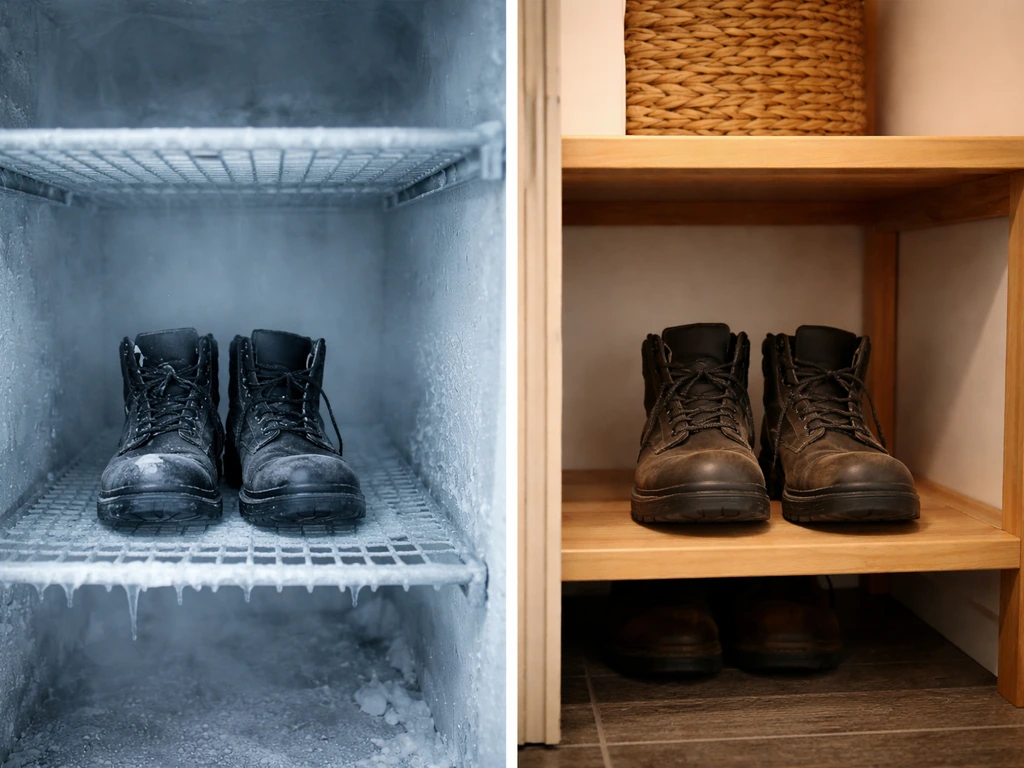
Lower temperatures dramatically extend survival. This is why biosecurity is a bigger concern for people working in cold climates or during winter months, and why contaminated boots left in a freezing barn for days are a higher-risk item than boots that dried out in warm summer sun. H5N1 is notoriously cold-stable compared to seasonal flu strains.
Humidity and drying
Higher humidity actually shortens survival in some conditions, according to WHO. But it is more nuanced than that: moisture is needed for the virus to remain active, yet a wet, humid environment can also help it persist longer than one where the material dries out quickly in direct heat. What really kills the virus efficiently is rapid drying in warm conditions. Fabric that dries quickly in warm air clears the virus faster than rubber soles that stay damp.
UV light and sunlight
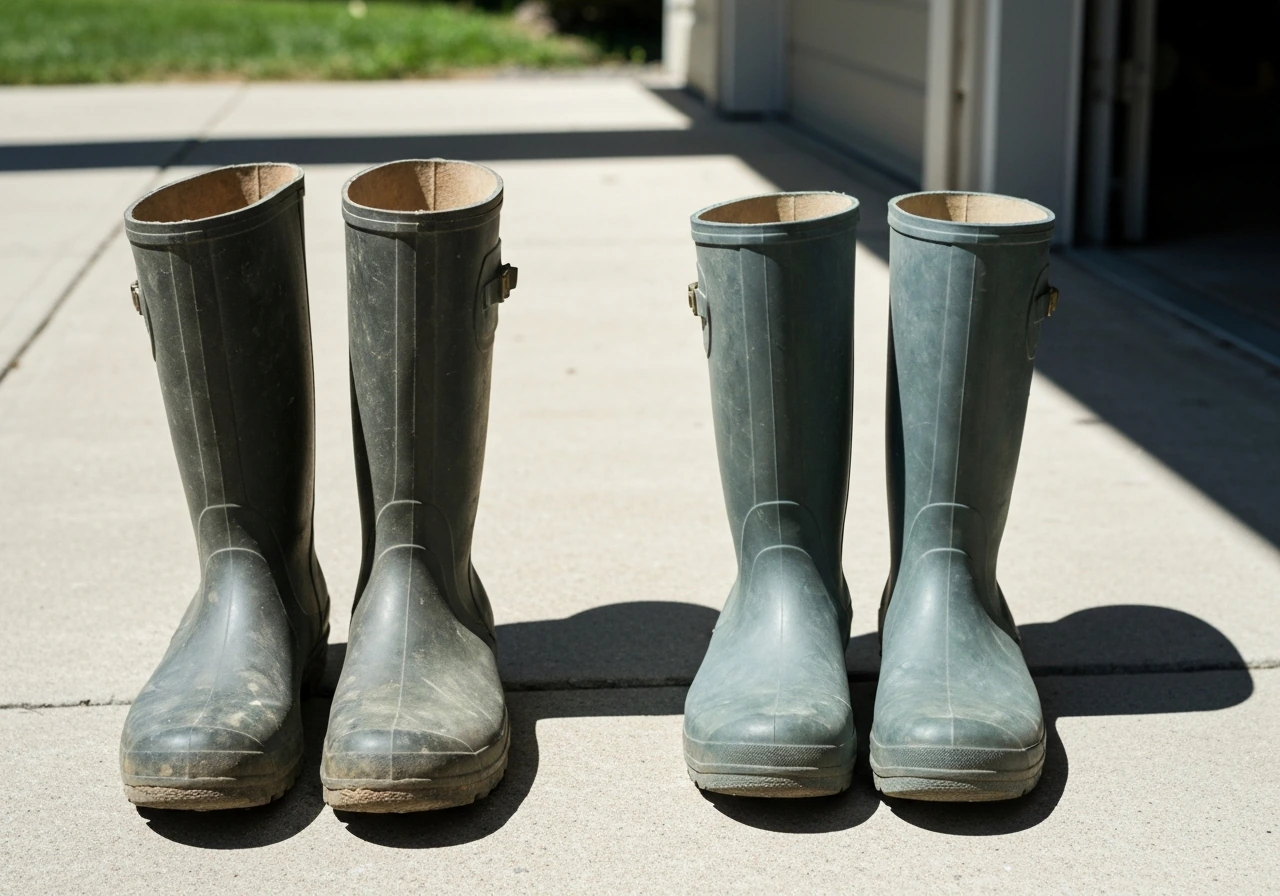
Direct sunlight is effective at inactivating avian influenza virus. Boots left outside in direct summer sun degrade the virus much faster than the same boots stored in a dark garage or barn. UV exposure is one of the reasons that outdoor contamination in warm, sunny weather is generally lower risk than the same contamination in shaded, cool storage.
Organic material like droppings
This is the critical one that people underestimate. Bird droppings, feathers, mucus, and other organic material act as a protective coating around virus particles, shielding them from drying, UV, and even some disinfectants. A sole caked in dried droppings can harbor viable virus much longer than a clean surface would under the same conditions, and it also reduces the effectiveness of disinfectants unless the organic material is physically removed first. This is why pre-cleaning before disinfecting is not optional.
How to remove, contain, and handle contaminated shoes and clothing safely
The goal with contaminated footwear and clothing is to avoid spreading the contamination further, avoid touching your face while handling it, and get things cleaned as quickly as practical. CDC guidance for workers handling potentially H5N1-contaminated environments specifically emphasizes removing PPE and clothing without aerosolizing contamination, which is equally relevant for backyard flock owners pulling off barn boots. CDC H5 cleanup guidance also instructs workers to use PPE such as gloves and an N95 respirator if available and to remove contaminated PPE and clothing safely while avoiding aerosolizing contamination removing PPE and clothing without aerosolizing contamination.
- Remove shoes and outer clothing outside or in a dedicated entry area, not in your main living space. Treat the area just outside your door as a transition zone.
- Avoid shaking out clothing or knocking boots together, which can aerosolize dried droppings and put particles into the air you breathe. CDC specifically warns against stirring up dust, feathers, or waste during cleanup.
- Place heavily contaminated footwear in a plastic bag while you clean it, or leave it in the transition zone. Do not carry it through the house.
- Place contaminated clothing directly into a sealed plastic bag or straight into the washing machine. Do not leave it in a pile on the floor where children or pets might contact it.
- Wash your hands thoroughly (or use gloves during the whole process) before touching anything else, especially your face.
For clothing, machine washing with hot water and regular detergent is effective at inactivating influenza virus. The combination of hot water, detergent, and agitation is more than sufficient for most contamination scenarios. If hot water is not available, warm water with detergent still dramatically reduces viral load. Dry on high heat when possible.
For shoes, the process is: knock off or scrape away any visible debris (while wearing gloves and not raising dust), rinse with water, and then apply a disinfectant with appropriate contact time. The physical removal step first is not optional if there is visible organic material present, because droppings interfere with disinfectants.
Disinfection: what works, what to use, and what to avoid
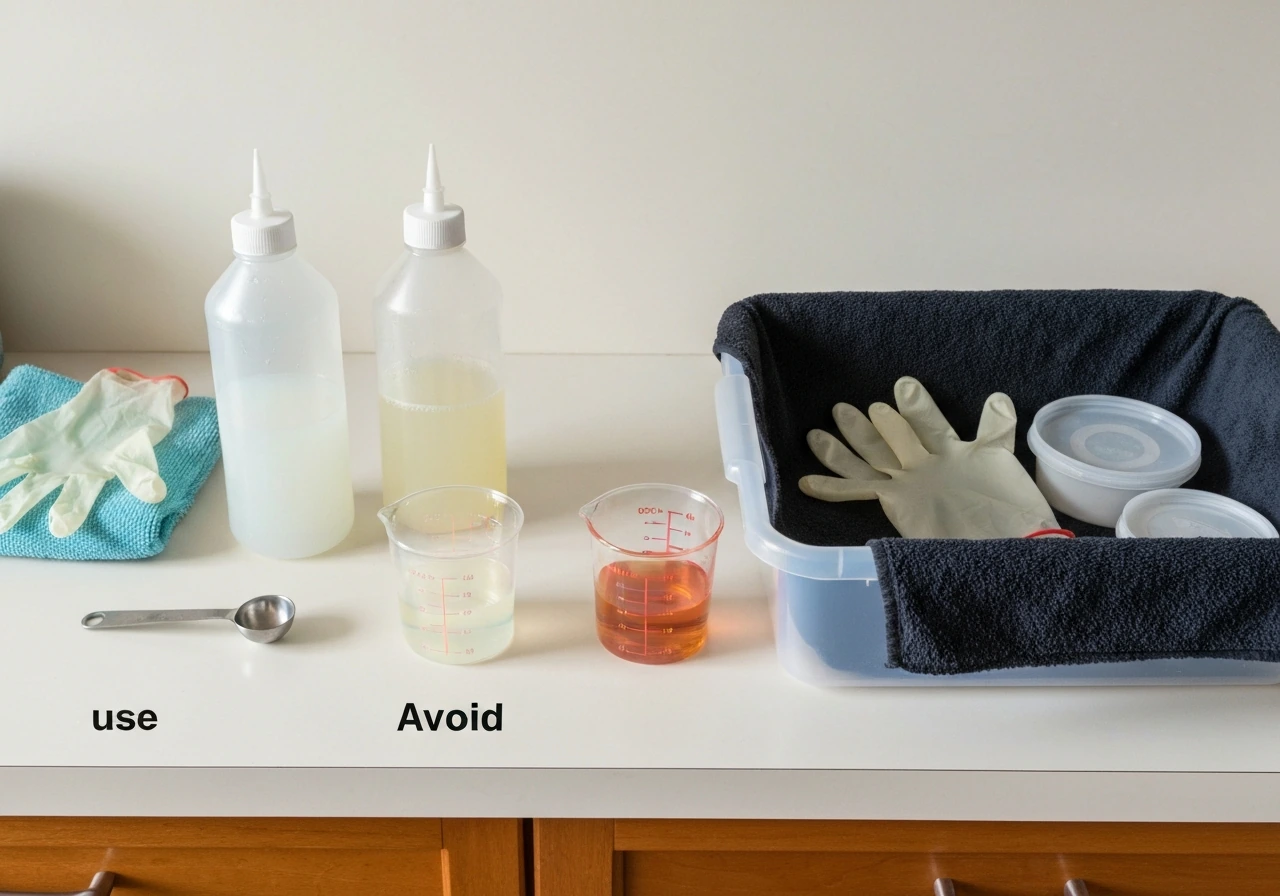
Several disinfectant classes are effective against avian influenza, including sodium hypochlorite (household bleach), quaternary ammonium compounds, and peroxygen compounds. The EPA maintains a registry (EPA List M) of products specifically registered and labeled for use against avian influenza, which is the most reliable source if you want to verify a product's effectiveness.
For practical shoe disinfection at home or on a farm, diluted bleach solution is the most accessible option. CDC guidance on bleach disinfection emphasizes that contact time matters: the disinfectant needs to remain wet on the surface for the full recommended period, typically 10-60 minutes depending on concentration and conditions. Spraying bleach on a boot and wiping it off after 30 seconds is not disinfection.
- Use a diluted bleach solution (typically around 1: 10 dilution for hard surfaces) and let it sit for the full contact time before rinsing.
- Remove visible organic material before applying any disinfectant. Droppings and debris reduce disinfectant effectiveness significantly.
- Quaternary ammonium sprays (widely available as farm or barn disinfectants) work well for boot baths and equipment.
- For boot baths on a farm, keep the solution fresh and change it regularly. A dirty boot bath loses effectiveness quickly.
- Alcohol-based sanitizers are not ideal for boots or heavily soiled surfaces. They work well on clean skin and small surfaces but do not penetrate organic material.
- Do not mix bleach with ammonia-based cleaners or other disinfectants. This creates toxic fumes and does not improve effectiveness.
- Always wear gloves when applying disinfectants and work in a ventilated area.
For a more detailed guide specifically on disinfecting footwear, the steps and product choices differ slightly from general surface disinfection, and there is more to say about boot baths, contact times, and material-specific considerations.
When to worry more: higher-risk situations and symptom monitoring
For most people, tracking bird flu into the house on their shoes is not a realistic transmission concern. The virus needs to get into your respiratory tract, eyes, or mucous membranes to cause infection, and shoes alone sitting in your entryway do not make that happen. The risk is meaningful when you are directly handling contaminated material with your hands, when you are working in an enclosed space with aerosolized droppings, or when there is a known outbreak at a facility you are working in.
The following groups should take the precautions in this article seriously and not treat them as optional:
- Poultry farm workers, especially those on farms with confirmed or suspected H5N1 outbreaks
- Backyard flock owners who have sick or dead birds and are handling them without PPE
- Veterinarians and wildlife responders handling sick wild birds
- People involved in cleanup after a poultry die-off or outbreak response
- Anyone who has had direct, unprotected contact with infected bird material (droppings, secretions, dead birds)
If you fall into one of these categories and had significant unprotected exposure (meaning no gloves, no mask, potential splash to eyes or mucous membranes), watch for symptoms for 10 days after exposure. Early H5N1 symptoms in humans have included fever, cough, sore throat, and respiratory difficulties, sometimes with conjunctivitis (eye irritation). Contact your local health department or healthcare provider and mention your potential exposure specifically, because avian influenza requires different evaluation and reporting than seasonal flu.
For people who simply walked through an area where wild birds had been and are now uncertain about their shoes: wash them, disinfect if you have access to a suitable product, and wash your hands. If you are wondering how to disinfect shoes from bird flu exposure, use an avian-influenza effective product and make sure the disinfectant stays wet for the full contact time. That is genuinely sufficient for the level of exposure you had.
Bottom line and your next steps
The virus on your shoes or clothing is not going to survive forever, and cleaning it is straightforward. Fabric clears the virus in under 12 hours on its own; hard rubber and plastic can stay infectious for up to a day or more under the wrong conditions. The combination of physical cleaning and an appropriate disinfectant makes the risk effectively zero. Here is the practical checklist:
- Remove shoes and outer clothing in a transition zone before entering your home, especially after visiting farms, coops, or areas with wild bird activity.
- Bag or contain heavily soiled items immediately. Do not shake or knock them to remove debris indoors.
- Wash clothing in hot water with detergent and dry on high heat.
- For shoes: scrape or brush off visible debris (gloves on), rinse, then apply an EPA-registered disinfectant or diluted bleach solution and allow the full contact time before rinsing.
- Wash your hands thoroughly after handling any potentially contaminated gear, even if you wore gloves.
- If you had significant unprotected exposure at a site with known bird flu activity, monitor for respiratory or eye symptoms for 10 days and contact a healthcare provider early if symptoms appear.
- If you are regularly working around poultry or wild birds, look into proper PPE including an N95 respirator or equivalent, not just for your shoes.
The survival time question matters because it tells you how urgently you need to act: for hard shoe soles, do not leave it overnight without cleaning, especially in cool conditions. For fabric, act sooner rather than later but know that time itself is working against the virus. Either way, a few minutes of proper cleaning eliminates what nature would eventually handle on its own, just faster and with certainty.
FAQ
How long is bird flu infectious on shoes if I only walked through an area with wild birds, not known droppings?
If you only had light outdoor contact (for example, walking past wild birds) and you are not handling visible droppings, the risk is usually low. Focus on washing hands and cleaning the items if they look soiled, because the real danger scenario is direct contact with organic material rather than “airborne” fallout settling on shoes.
If a lab swab from a shoe comes back PCR-positive, does that mean it is still infectious?
A swab that tests positive by RT-PCR can detect viral RNA even after the virus is no longer able to infect. That means you should not treat a positive test from a shoe surface as proof it is still infectious, the practical approach is physical cleaning and using an avian-influenza-effective disinfectant with proper contact time.
Is spraying or wiping shoes for a few seconds enough to disinfect them?
You should not rely on disinfectant wipes or a quick wipe-down if the surface dries too fast. Disinfection is about maintaining a wet film for the full labeled contact time, for example with diluted bleach, the surface needs to stay wet for the recommended minutes.
If droppings are already dried onto the sole, does that change how long bird flu can live on shoes?
Yes, but the “how long” depends on whether you still have organic contamination. Dry droppings generally protect the virus longer than a clean surface, so first remove debris carefully (without raising dust), then disinfect.
Can I just air-dry bird-flu-contaminated clothes instead of washing with hot water?
Machine washing is effective for contaminated clothing when you use hot water plus detergent, then dry on high heat when possible. If the item cannot be washed, isolate it (bag it) and use a disinfectant method appropriate for the fabric rather than assuming normal air-drying will make it safe.
What are common mistakes people make when cleaning shoes or clothing after possible bird contamination?
Avoid household “disinfecting” practices that spread contamination, like brushing debris off indoors or shaking fabric. Use gloves, keep the item outside or in a controlled area, remove visible material first, then clean and disinfect.
Do I have to scrape and rinse my shoes before disinfecting, even if I’m not sure there are droppings?
If the shoe is visibly soiled, you need the physical removal step before disinfecting, because organic matter reduces disinfectant effectiveness. If the shoe is not visibly contaminated, you still can disinfect, but scrape and rinse steps are mainly about debris removal and reducing viral load.
Can I just leave the shoes in the sun to make them safe?
UV helps, but it is not a substitute for cleaning. Sunlight may reduce infectious virus over time, yet if there is protective organic material on the sole, the virus can persist longer and disinfectants will work poorly unless you remove the residue.
What disinfectants should I use on shoes, and how do I choose between bleach and other products?
For disinfectant choice, use products that are specifically labeled as effective against avian influenza, then follow the label for dilution and contact time. Different disinfectant classes can vary a lot in real-world effectiveness on dirty versus clean surfaces.
What should I do if I handled contaminated boots or clothing without gloves or eye protection?
If you had direct unprotected exposure to contaminated material, watch for symptoms for 10 days and contact a healthcare provider or local health department, especially if you develop fever, cough, sore throat, trouble breathing, or conjunctivitis. Describe the specific exposure, for example handling barn boots with potential splashes to eyes or mucous membranes.
How can shoes spread bird flu to me if I never saw myself touch droppings?
Shoes can increase risk of indirect exposure by carrying contaminated residue to hands and then to face, especially during doffing and before cleaning. Keeping the process hands-off until items are cleaned, and washing hands immediately after removing them, is what usually closes that pathway.
Does the survival time mean I can wait until tomorrow if I’m indoors and it was cold outside?
For hard soles, don’t treat “up to a day” as a guarantee, because cold, damp, dark storage and organic residue can extend survival. When there is any visible contamination or known outbreak context, the safer approach is to clean and disinfect promptly rather than waiting to “let time work.”
Next Articles
How Long Does Bird Flu Live in Bird Poop?
How long bird flu can remain infectious in bird poop, what affects survival, and safe cleanup and exposure steps.
How Long Does Bird Flu Live on Surfaces? Timeline and Cleanup
Learn how long bird flu can remain viable on surfaces, factors that change it, and step-by-step cleanup to reduce risk.
How Are Chickens Culled Bird Flu: Methods, Reasons & Steps
How are chickens culled during bird flu: why it’s done, humane methods, disposal, biosecurity, and next steps