
Heat, specific chemical disinfectants, and good hygiene kill bird flu (avian influenza) in the real-world situations most people face. Cooking poultry and eggs to 165°F (74°C) inactivates the virus in food. EPA-registered disinfectants applied to clean surfaces with the correct contact time kill it on equipment and hard surfaces. And rigorous hand hygiene, PPE, and avoiding contact with sick or dead birds dramatically cut your risk of exposure. There is no home remedy, supplement, or shortcut that kills the virus inside a person's body or inside a living bird. Here is exactly what works, what doesn't, and what to do right now depending on your situation.
What Kills Bird Flu: Heat, Disinfectants, and Prevention Steps

Maya Chen
19 May 2026
What 'kills bird flu' actually means in each situation
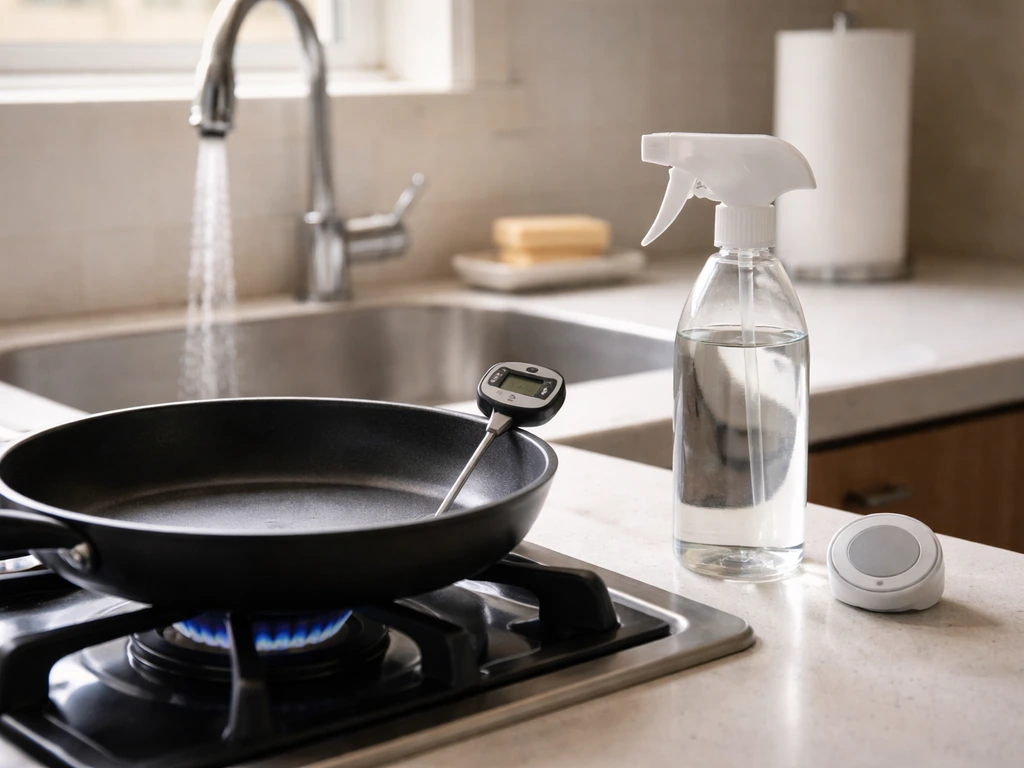
The phrase covers three very different problems, and the answer to each one is different. If you are specifically looking for what temperature kills bird flu, the key answer depends on whether you mean food safety or inactivation on surfaces. First, there is the food safety question: does cooking kill avian influenza in poultry meat and eggs? Yes, reliably.
Second, there is the environmental question: what disinfects a contaminated surface, coop, or piece of equipment? Specific chemicals, applied correctly, handle that. Third, there is the human or animal health question: can you 'kill' the virus once it is inside a person or a bird? This is where the framing breaks down.
There is no over-the-counter product that eliminates an active infection. Antiviral medications like oseltamivir (Tamiflu) can reduce severity if given early, but that is a medical intervention, not something you manage at home. For birds, there is no treatment equivalent: controlling the virus in a flock means biosecurity, isolation, and in confirmed outbreaks, depopulation. Knowing which problem you are actually solving is the most useful first step.
How heat kills bird flu in food
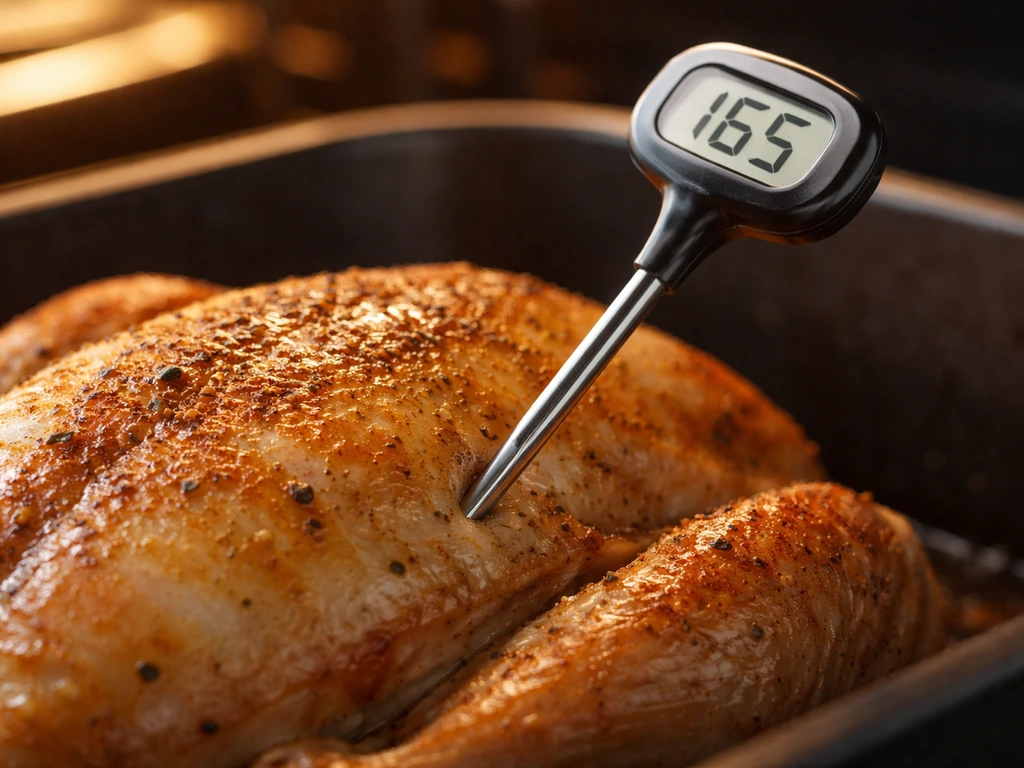
This one is straightforward and well-established. The CDC and USDA both confirm that cooking poultry and eggs to an internal temperature of 165°F (74°C) kills avian influenza A viruses, along with bacteria like Salmonella. That temperature needs to be reached at the thickest part of the meat, not just on the surface. A food thermometer is the only reliable way to confirm this because color and texture are not accurate indicators of doneness.
For whole poultry, the USDA recommends 165°F as the safe minimum internal temperature, measured at the innermost part of the thigh and wing and the thickest part of the breast. Eggs should be cooked until both the yolk and white are firm. Dishes containing eggs, like casseroles, also need to reach 165°F throughout. For leftovers, reheat them to the same 165°F threshold before eating.
It is also worth knowing that the virus does not survive well at high temperatures even before full cooking. In general, does heat kill bird flu? Yes, the virus does not survive well when temperatures are high enough to achieve proper cooking or effective disinfection high temperatures. Research on H5N1 shows survival drops dramatically as temperature rises. At refrigerator temperatures (around 4°C / 39°F), the virus can persist for a very long time, which is why raw poultry handling matters. At 20°C (68°F) survival drops, and at cooking temperatures, inactivation is rapid. The practical takeaway: cook poultry and eggs thoroughly, use a thermometer, and handle raw poultry carefully before it hits the heat.
| Food Item | Safe Internal Temperature | Key Notes |
|---|---|---|
| Whole poultry (chicken, turkey, duck) | 165°F (74°C) | Measure at thigh, wing, and thickest breast point |
| Ground poultry | 165°F (74°C) | Measure in the thickest area of the patty or loaf |
| Poultry pieces (breasts, thighs, wings) | 165°F (74°C) | Insert thermometer into the thickest part, away from bone |
| Eggs | Cook until yolk and white are firm | Avoid runny yolks if bird flu is a concern |
| Egg dishes and casseroles | 165°F (74°C) | Measure at the center of the dish |
| Leftovers (all poultry dishes) | 165°F (74°C) | Reheat fully, not just until warm |
How chemicals kill bird flu on surfaces and equipment
Disinfecting for avian influenza is a two-step process, and this is where a lot of people go wrong by skipping step one. You must clean before you disinfect. Organic material like dirt, feces, feathers, and dried secretions physically protect the virus and block disinfectants from making contact. The WHO and USDA APHIS are both clear on this: scrub surfaces with soap and water, remove all visible debris, and only then apply your disinfectant. APHIS notes that warm or hot water (90°F to 130°F or higher) improves cleaning effectiveness.
Once the surface is clean, you need a product that actually works against influenza A viruses. The EPA maintains a dedicated list called List M, which covers EPA-registered antimicrobial products effective against avian influenza. These products have been tested and shown to inactivate the virus at label dilutions. The list includes the active ingredient, product name, contact time in minutes, and the types of surfaces and use sites each product is approved for. Using a product from this list is the evidence-based approach.
Active ingredients that WHO identifies as effective against avian influenza include sodium hypochlorite (household bleach), quaternary ammonium compounds, peroxygen compounds, and alcohol-based disinfectants. All of these can work, but the details matter: concentration, dilution ratio, and how long the surface stays wet all determine whether the product actually inactivates the virus.
Contact time: the step most people skip
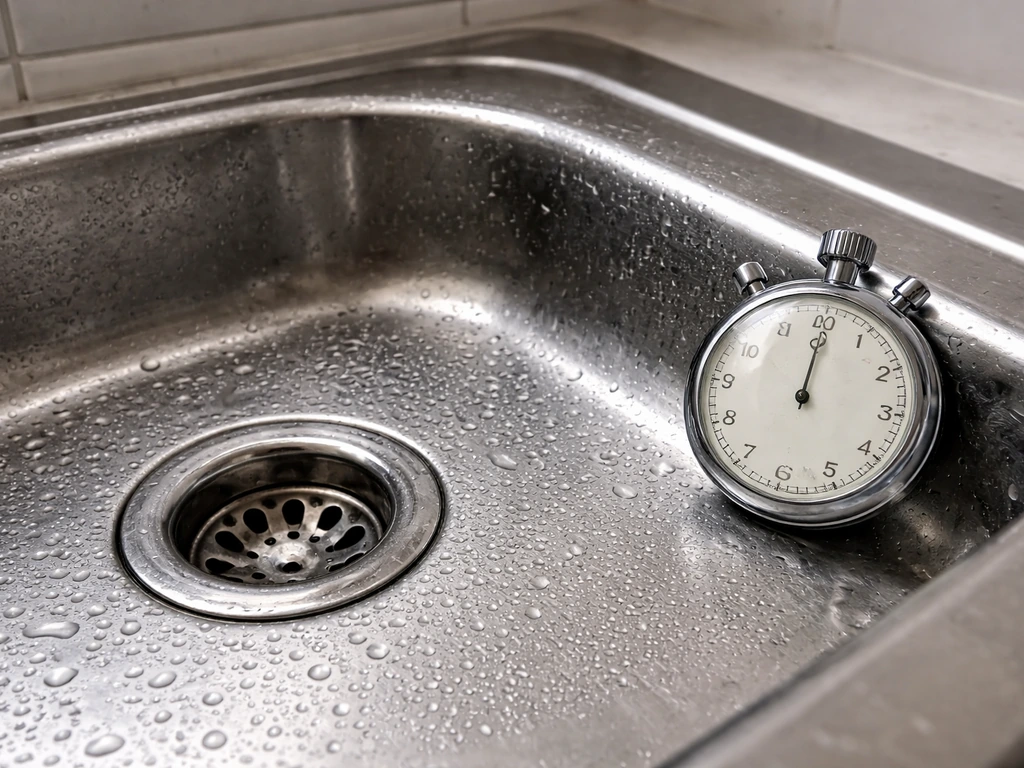
Contact time is the amount of time a disinfectant must remain wet on a surface to do its job. Spraying and immediately wiping does very little. The CDC notes that bleach solutions should remain on the surface for at least one minute when no other instructions are available, and some guidance recommends 3 to 5 minutes for influenza control. EPA's List M products each have a specific contact time listed on their label, and that number is what was validated in testing. Some surfaces dry out faster than others, so you may need to apply multiple wipes or re-wet the surface to maintain contact for the required duration. Always follow the product label.
A few practical rules for using disinfectants safely: never mix bleach with ammonia or other household cleaners, as the combination produces toxic gases. Wear gloves and, in enclosed spaces, make sure there is adequate ventilation. Check that the product is appropriate for the surface you are treating, since some disinfectants can corrode metal or damage certain plastics. For coop equipment, the CDC specifically advises backyard flock owners to use an EPA-approved product with label claims against influenza A viruses and to follow the manufacturer's instructions exactly.
What does not reliably kill bird flu: freezing, 'natural' methods, and common misconceptions
Freezing does not kill bird flu. Research shows that H5N1 can survive for an estimated 930 to 1,042 days at 4°C (standard refrigerator temperature), and frozen storage is even more protective for the virus. This means frozen poultry from an infected bird is not safe to eat raw, and freezing contaminated equipment does not decontaminate it. Cold temperatures preserve the virus rather than destroying it.
Sunlight does inactivate the virus, but the conditions required are specific and unreliable for practical decontamination. Research on H5N1 shows complete inactivation occurs within 30 minutes under direct sunlight at temperatures of 32 to 35°C (about 90 to 95°F). In shade, however, the virus can remain infectious for days. You cannot count on ambient sunlight to disinfect equipment, surfaces, or contaminated areas, especially in cooler or overcast conditions. If you are wondering does sunlight kill bird flu, the evidence is mixed because it depends on direct sun intensity, temperature, and timing ambient sunlight to disinfect.
Hand sanitizer with at least 60% alcohol is a useful hygiene tool and the CDC recommends it when soap and water are not immediately available. However, it is not a substitute for thorough handwashing with soap and water, especially when hands are visibly soiled or potentially contaminated with feces or respiratory secretions from birds. A quick spritz of hand sanitizer does not replace the mechanical scrubbing action of washing.
Natural remedies, herbal treatments, essential oils, colloidal silver, and similar products have no evidence of effectiveness against avian influenza. There is no supplement, food, or household substance that kills the virus in an infected person or bird. Anyone selling or promoting such products for bird flu treatment is not operating from evidence. For human infections, early antiviral treatment through a medical provider is what the evidence supports.
Practical prevention steps you can take right now
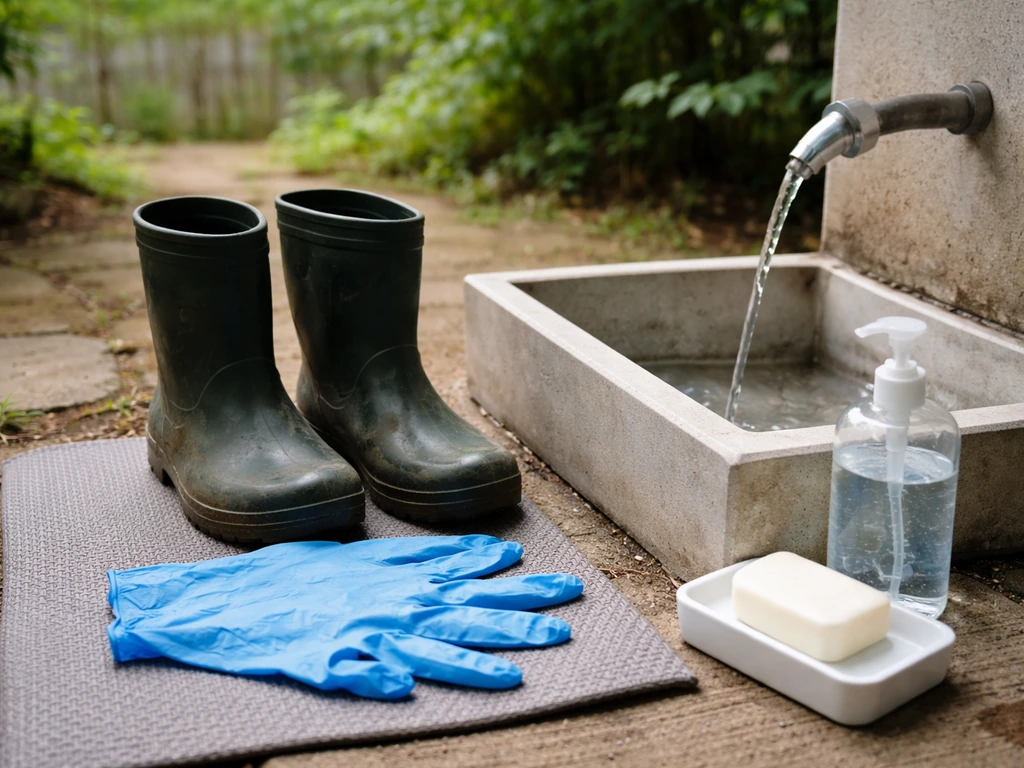
Prevention is where most people have the most control. The virus spreads primarily through contact with infected birds, their droppings, respiratory secretions, and contaminated environments. Cutting off those exposure routes is the most effective thing you can do.
- Avoid touching wild birds, sick birds, or dead birds with bare hands. This is the single highest-risk contact point for most people.
- If you handle poultry or work in an environment where birds are present, wash hands thoroughly with soap and water before and after, and especially after removing gloves or other PPE.
- Do not touch your face, eyes, nose, or mouth after any potential exposure and before washing your hands.
- Keep bird feeders, baths, and waterers clean. Feces from wild birds can accumulate and contaminate these surfaces.
- Avoid areas where large numbers of wild birds congregate if there is active avian influenza activity in your region.
- Do not bring wild birds or unknown-origin poultry into contact with your flock if you keep backyard birds.
- Cook all poultry and eggs to 165°F (74°C). Do not taste raw poultry or consume undercooked eggs.
- If you visit farms, poultry markets, or live bird markets, change and wash clothes afterward and clean footwear before returning home.
If you are in an area with confirmed avian influenza activity and are regularly around poultry, check for current outbreak status through USDA APHIS and your state veterinarian's office. The situation with bird flu has been evolving, and local guidance may be more specific than general public health recommendations.
If you care for birds or have to handle sick or dead birds: immediate do's and don'ts
This section is for backyard flock owners, farm workers, wildlife responders, or anyone who has or expects to have direct contact with potentially infected birds. The risk level here is meaningfully higher than for general public exposure, and the steps you take in the first few minutes matter.
Do these things
- Wear PPE before entering a potentially contaminated area. This means an N95 respirator if you have one (or a well-fitting face mask if not), eye protection or goggles, gloves, and clothing you can change out of afterward.
- Isolate sick birds immediately from the rest of your flock to reduce spread. Separate housing, separate tools, separate water sources.
- Report unusual illness or unexpected deaths in your flock to your veterinarian and to state or federal animal health officials right away. USDA APHIS recommends contacting a state or federal animal health official as the first call when bird flu is suspected. Early reporting triggers the response that can protect you, your neighbors, and your local poultry industry.
- After working in a contaminated area, remove PPE carefully, clean reusable items with soap and water, and disinfect with an EPA-approved disinfectant per label instructions. Dispose of single-use PPE in a sealed bag.
- Wash hands with soap and water immediately after removing PPE, and again after any additional contact with potentially contaminated surfaces.
- Monitor yourself for symptoms (fever, cough, sore throat, eye redness or discharge) for 10 days after significant exposure, and contact a healthcare provider promptly if symptoms develop. Tell them about your bird exposure.
Do not do these things
- Do not stir up dust, feathers, or dried feces in contaminated areas. Disturbing this material can disperse viral particles into the air. Move calmly and deliberately.
- Do not handle dead birds with bare hands. Use gloves and double-bag carcasses before disposal.
- Do not remove PPE while still in the contaminated area. Wait until you are clear of it.
- Do not assume the situation has resolved once birds are removed. Feces, litter, and contaminated surfaces can remain infectious. USDA recommends maintaining PPE protocols until there are no infected birds, eggs, feces, or contaminated litter on the property.
- Do not try to treat sick birds yourself with home remedies or human antivirals. There is no effective home treatment for bird flu in poultry.
- Do not delay reporting. Waiting to see if birds recover on their own costs critical time and increases the risk of spread.
Which answer applies to your situation
If your concern is food safety, the answer is simple: cook poultry and eggs to 165°F with a food thermometer, handle raw poultry carefully, and wash your hands and surfaces after contact with raw meat. Properly cooked poultry and eggs from any commercial source are safe to eat.
If your concern is cleaning and disinfecting a surface, coop, or piece of equipment, the answer is: clean with soap and water first to remove all visible debris, then apply an EPA List M product with a label claim against influenza A viruses, and respect the listed contact time. Do not skip the cleaning step, and do not rush the contact time.
If your concern is protecting yourself around birds or after a potential exposure, the answer is: use appropriate PPE, practice rigorous hand hygiene, avoid stirring up contaminated material, and report any sick or dead birds to animal health authorities immediately.
Monitor yourself for symptoms and contact a doctor quickly if they appear. The related topics of what kills bird flu specifically on surfaces, what temperature kills bird flu in different contexts, and whether UV light or sunlight can help with decontamination each go deeper into specific scenarios worth exploring if your situation calls for it.
If you are trying to figure out what kills bird flu on surfaces, the key factors are cleaning first and then using an EPA-registered disinfectant with the right contact time. If you are wondering about whether UV light kills bird flu, the answer depends on the exact setup and exposure conditions UV light or sunlight.
FAQ
Can I use vinegar or hydrogen peroxide to disinfect for bird flu?
Some hydrogen peroxide products can disinfect generally, but effectiveness against influenza A depends on the specific product and its label claims. For best results, use an EPA-registered product that specifically lists influenza A and follow the dilution and required contact time. Vinegar is not a reliable choice for influenza virus inactivation, especially on visibly soiled surfaces, because it often cannot meet validated contact time and concentration requirements.
If I clean with soap and water, do I still need a disinfectant?
Usually yes for areas that may be contaminated with droppings or respiratory secretions. Cleaning removes debris, but it does not reliably inactivate the virus. Disinfection is what validates virus inactivation, so the two-step process, clean first then disinfect, is what matters for decontaminating coops, tools, and floors.
What’s the safest way to disinfect poultry areas without spreading contamination?
Avoid dry sweeping or throwing bedding into the air, since it can spread particles. Start with a method that minimizes aerosolization, remove and bag waste carefully, then scrub surfaces with detergent and water. Apply disinfectant to surfaces that are already clean, keep them wet for the full contact time, and discard gloves and disposable items properly after work.
How do I measure disinfectant contact time if the surface dries quickly?
Contact time is counted only while the surface stays visibly wet. If it dries too fast, you may need to reapply, use a thicker application method, or choose a product formulated to maintain wet contact longer. Follow the product label’s exact contact time, since “spray then wipe immediately” typically does not achieve validated inactivation.
Can I disinfect with bleach, and what mistakes should I avoid?
Bleach can work when diluted correctly and kept wet for the needed time, but the concentration must match the product guidance. Never mix bleach with ammonia or other cleaners, and avoid guessing dilutions from old bottles because strength degrades over time. Use gloves and adequate ventilation, and rinse surfaces if the label requires it to prevent damage or residues.
Does wearing gloves replace handwashing?
No. Gloves reduce direct contact, but you can contaminate them during work and then touch your face or other surfaces. Remove gloves carefully without snapping or contaminating your hands, then wash with soap and water. Use hand sanitizer only when you cannot wash immediately, and not when hands are visibly soiled.
Can I eat food if it touched raw poultry but was cooked later?
If food is cooked later to the safe internal temperature, then cross-contaminated items can be safe. The key is that the final cooking must reach 165°F (74°C) throughout, not just near the surface. Also prevent recontamination after cooking by using clean utensils, separate cutting boards, and washing hands before handling ready-to-eat foods.
If a coop or equipment is frozen, is it safe to use after thawing?
Freezing does not reliably kill the virus. Thawing can restore infectious particles, so you still need to clean and disinfect after the thaw, especially for items that will contact birds again. Treat frozen contaminated equipment as contaminated until decontaminated.
Will UV light, sunlight, or a UV sanitizer device disinfect reliably?
It depends on direct exposure dose, distance, and whether the surface is shaded or covered with organic material. Sunlight can work under direct, sufficiently warm conditions, but it is unreliable for typical outdoor cleanup. For UV devices, effectiveness varies widely by model and surface coverage, and they generally do not replace cleaning and an approved disinfectant when influenza risk is present.
What should I do if I find dead or sick birds in my area?
Avoid handling them with bare hands. Keep people and pets away, use PPE if you must move carcasses, and contact your local animal health authority or state veterinarian promptly. Reporting matters because local guidance can change quickly during outbreaks, and they can advise on safe disposal and decontamination steps.