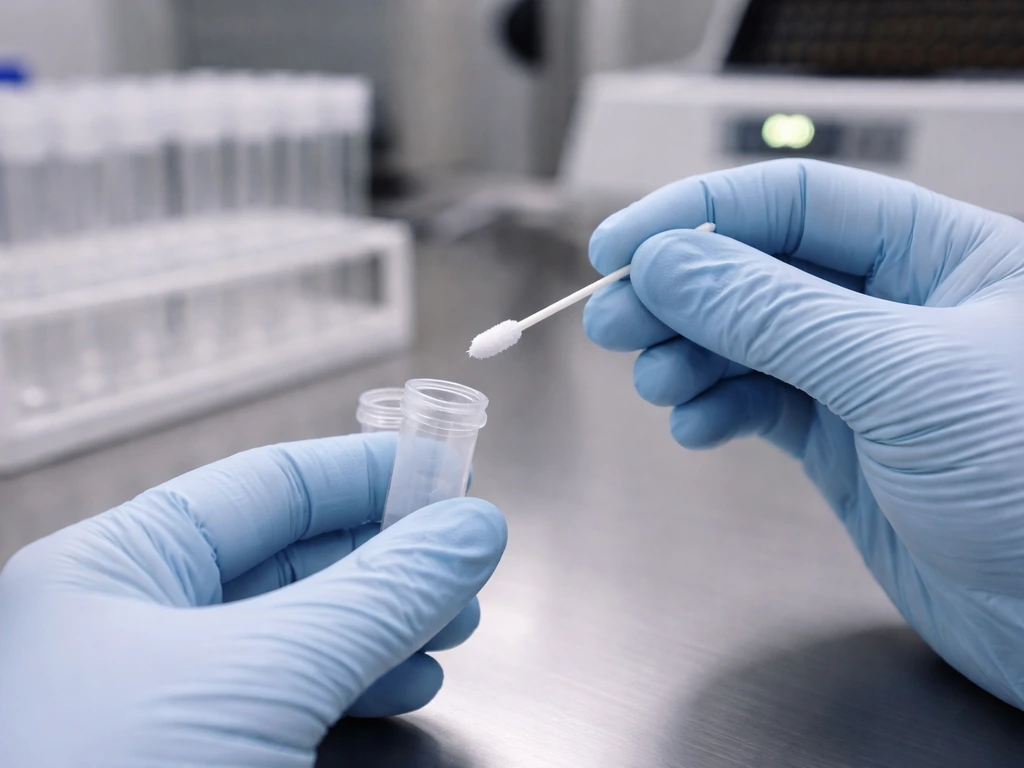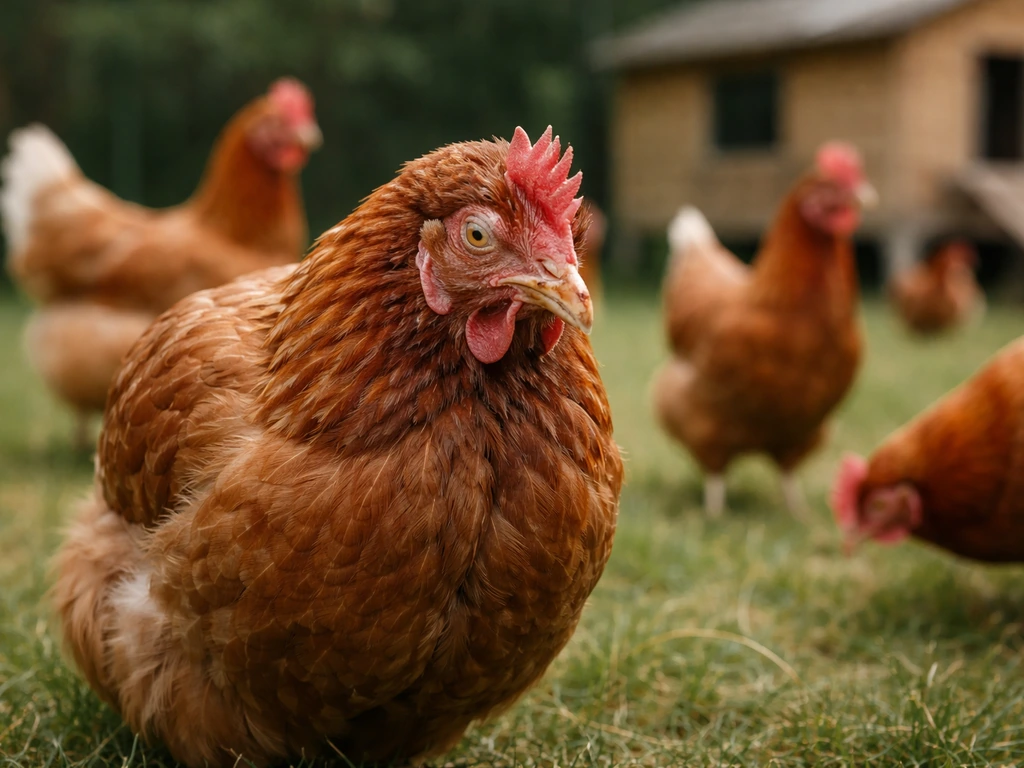
Bird flu in birds is diagnosed through a combination of clinical observation, official veterinary investigation, and laboratory testing, primarily a real-time reverse transcription PCR (rRT-PCR) test run at an approved lab. A bird or flock isn't officially declared infected based on symptoms alone. There has to be a proper sample collection, a lab screen, and in most cases a confirmatory test before authorities make any formal determination. The process moves fast when HPAI (highly pathogenic avian influenza) is suspected, but it follows a clear, step-by-step workflow that you can understand and prepare for.
How Is Bird Flu Diagnosed Step by Step in Birds

Maya Chen
5 Jun 2026
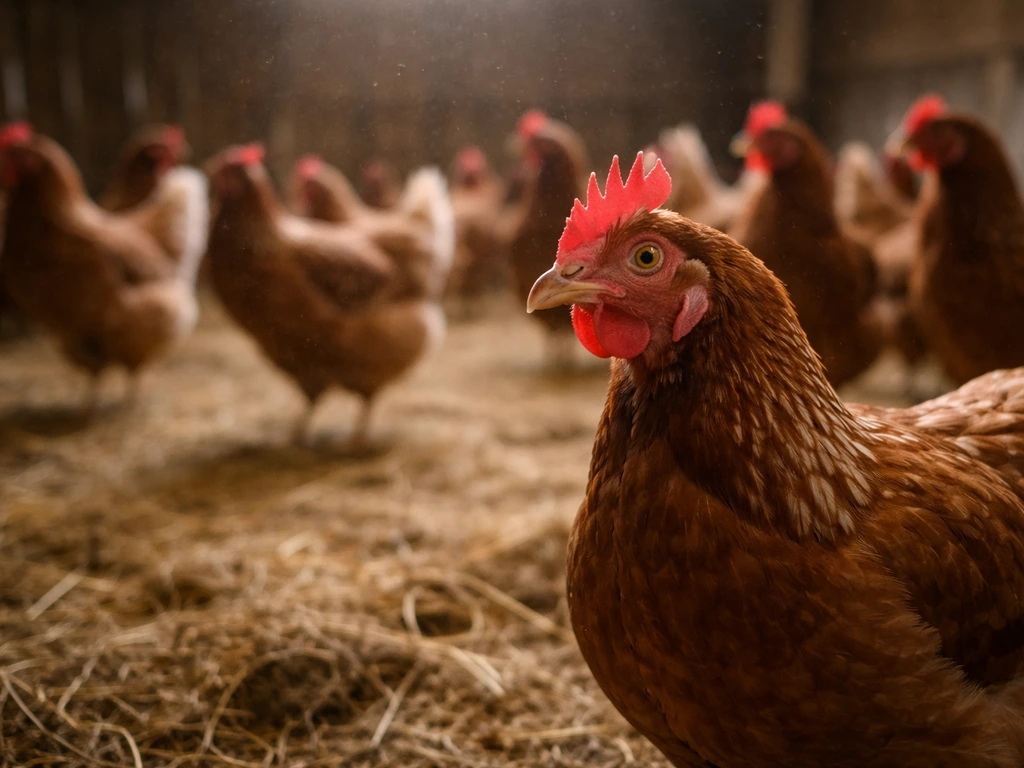
What 'bird flu diagnosis' actually means
When people talk about diagnosing bird flu, they usually mean one of two things: detecting it in a flock of poultry, or identifying it in a person who may have been exposed. Those are very different processes handled by completely different agencies, and it's worth separating them from the start. In birds, diagnosis is an official regulatory process coordinated by animal health authorities, in the US, that means USDA APHIS and state veterinarians. In people, it's a public health process run through state health departments and the CDC. This article focuses mostly on the animal side, since that's where the diagnostic chain begins, but the human side is covered at the end.
Officially, USDA APHIS uses a formal case definition document that distinguishes between low pathogenicity avian influenza (LPAI) and highly pathogenic avian influenza (HPAI). Those categories aren't just scientific labels, they determine what containment response gets triggered, what compensation a farmer may receive, and what gets reported internationally. You can't assign those categories based on looking at sick birds. They're tied directly to laboratory findings, which is why the lab process matters so much.
When and why chickens or flocks get tested
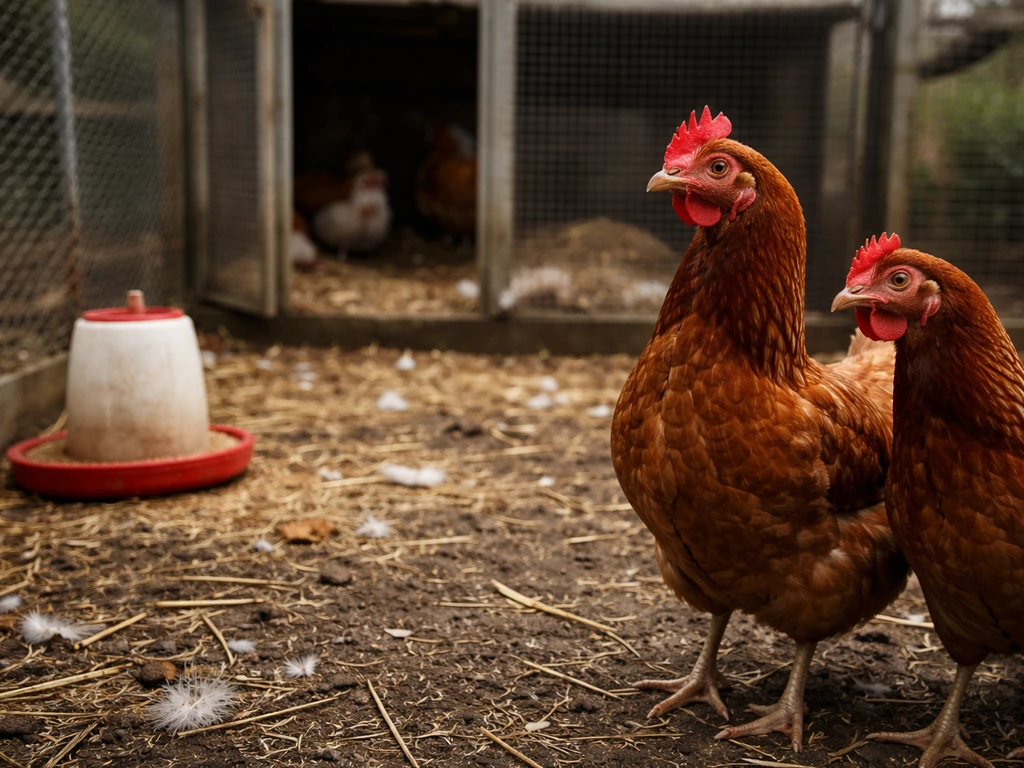
Testing gets triggered by a combination of clinical signs, mortality patterns, and sometimes routine surveillance. The classic red flags in chickens include sudden and unexplained death in large numbers, severe drops in egg production, respiratory distress (gasping, nasal discharge), neurological signs like twisted necks or loss of coordination, and swelling or discoloration of the head, wattles, or combs. With HPAI specifically, mortality can be dramatic, sometimes 90 to 100 percent of a flock within days.
But even subtler signs, like a 20 percent drop in egg production with no other obvious cause, can trigger an investigation. Even if you are only seeing early signs, contact your veterinarian for guidance on how to tell if a bird has bird flu what the symptoms mean for testing.
Routine surveillance programs also catch cases before obvious illness appears. The US poultry industry and USDA APHIS conduct ongoing monitoring at live bird markets, in commercial flocks, and in wild bird populations. If a wild bird tests positive near a commercial operation, that alone can prompt precautionary testing of nearby flocks. The point is that testing isn't only reactive, it's also a preventive surveillance tool.
If you're a backyard flock owner and you see several chickens die suddenly with no clear cause, the right move is to contact your state veterinarian or local cooperative extension office immediately. Don't wait to see if more birds die. Early reporting is critical because the response timeline for HPAI is extremely compressed.
Sample collection in birds: what actually gets swabbed and tested
Sample collection is more specific than most people realize. USDA APHIS has detailed guidance documents for this, including the formal protocol called WI-AV-0020, precisely because the quality of the sample directly affects the accuracy of the result. The wrong swab from the wrong location, stored incorrectly, can produce a false negative even when the virus is present.
For live birds, the preferred samples are cloacal swabs and oropharyngeal (throat) swabs. Both are collected simultaneously from the same bird when possible. Cloacal swabs pick up virus shed through the gut, while throat swabs capture respiratory shedding, avian influenza can be present in both locations, and using both increases detection sensitivity. Swabs are placed in viral transport medium (VTM), a specially formulated solution that keeps the virus stable during shipping.
For dead birds, the sample options expand. Tissues from the trachea, lungs, air sacs, intestines, spleen, kidney, and brain are all useful. In field investigations, trained foreign animal disease (FAD) diagnosticians or veterinarians typically collect samples from a representative number of birds in the flock, not just one or two. Sampling multiple birds from different parts of the flock gives a more accurate picture of what's happening.
Samples need to be kept cold (between 2 and 8 degrees Celsius) and shipped overnight to the testing lab. Freezing is acceptable only if there will be a significant delay. The chain of custody and condition of the sample matter, labs can reject or flag samples that arrive compromised.
Lab testing methods: screening first, confirmation second
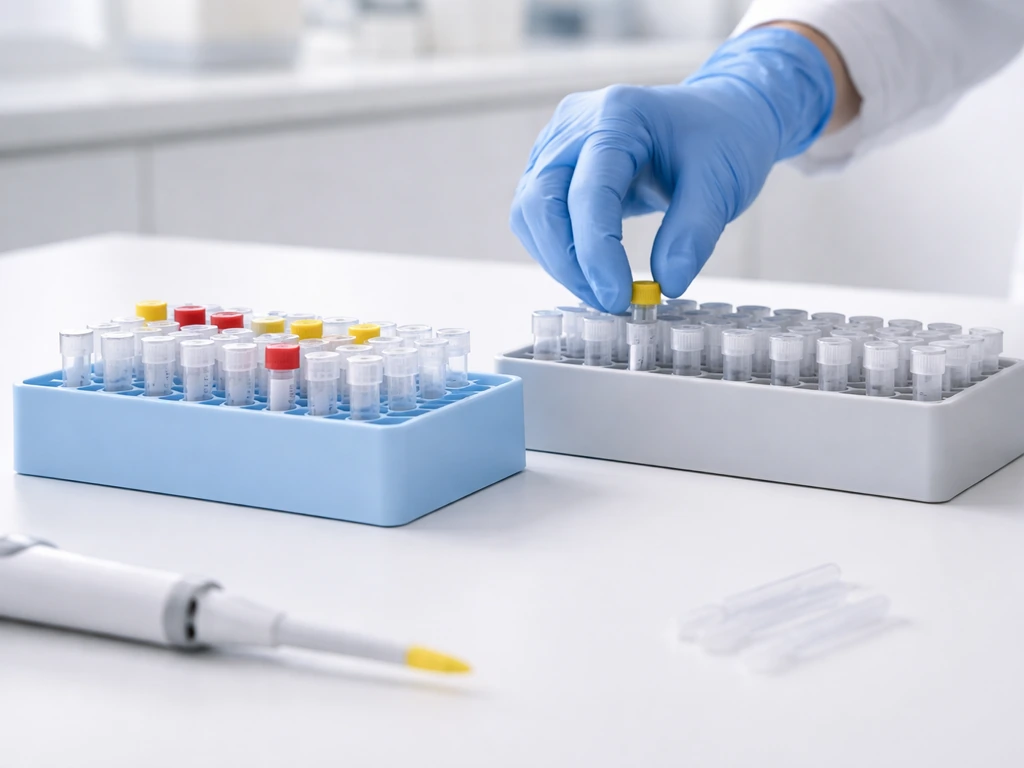
The diagnostic process in the lab has two distinct phases: presumptive screening and confirmatory testing. Think of it as a two-gate system, a sample has to pass through the first gate before triggering the second, more definitive one.
The screening step: rRT-PCR
The front-line test is real-time reverse transcription PCR, almost always called rRT-PCR. This test detects the genetic material (RNA) of the influenza A virus and can specifically identify whether it's an H5 or H7 subtype, the subtypes most commonly associated with HPAI. USDA APHIS runs these screening tests through the National Animal Health Laboratory Network (NAHLN), a coordinated system of state and university veterinary labs authorized to perform the test.
Critically, APHIS provides all H5 livestock testing through NAHLN and the National Veterinary Services Laboratories (NVSL) free of charge to producers, which removes a practical barrier to timely testing. USDA APHIS states it provides all H5 livestock testing through the National Animal Health Laboratory Network (NAHLN) and the National Veterinary Services Laboratories (NVSL) free of charge to producers [USDA APHIS provides all H5 livestock testing through NAHLN and the National Veterinary Services Laboratories (NVSL) free of charge](https://www. aphis. usda.
gov/livestock-poultry-disease/avian/avian-influenza/hpai-livestock/testing).
rRT-PCR is fast, results can come back within 24 to 48 hours of sample receipt. A positive rRT-PCR result for H5 or H7 is taken seriously as a presumptive positive and immediately triggers escalation. A negative result in a bird with strong clinical signs doesn't always end the investigation, because sample quality, timing of collection relative to infection, and other factors can affect sensitivity.
The confirmation step: NVSL and further testing
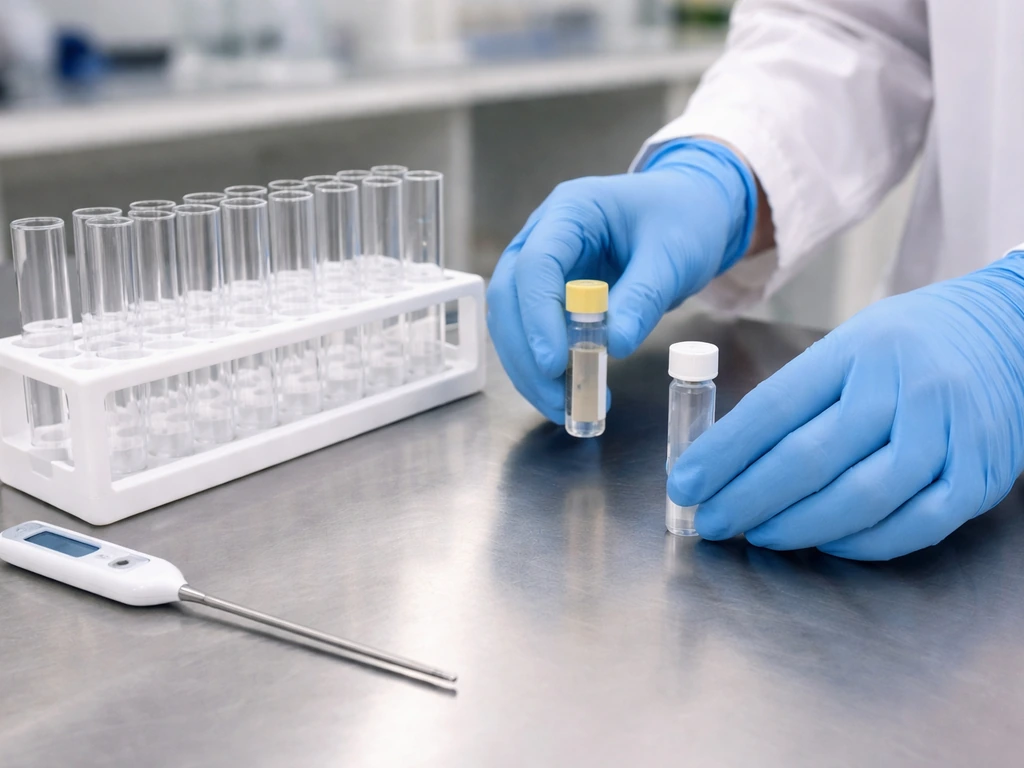
When a NAHLN lab gets a presumptive positive, the samples go to the USDA's National Veterinary Services Laboratories (NVSL) in Ames, Iowa, for confirmatory testing. In the US, confirmatory testing for presumptive positives is carried out by APHIS through NVSL, the national reference laboratory for avian influenza Highly Pathogenic Avian Influenza Response Plan. NVSL is the national reference laboratory for avian influenza in the US. Confirmation typically involves virus isolation (actually growing the virus in eggs or cell culture) and additional characterization to determine the exact subtype and pathogenicity. This step is what officially locks in the HPAI or LPAI classification and triggers the formal regulatory response.
In parallel, NVSL performs an intravenous pathogenicity index (IVPI) test or genetic sequencing of the hemagglutinin cleavage site, the part of the virus that determines how dangerous it is. HPAI strains have a specific molecular signature at that cleavage site. This is how scientists confirm that a detected H5 or H7 strain is actually highly pathogenic rather than low pathogenicity.
| Testing phase | Method | Who runs it | Turnaround | What it determines |
|---|---|---|---|---|
| Initial screening | rRT-PCR | NAHLN-approved state/university labs | 24–48 hours | Presence of influenza A RNA; H5/H7 subtype |
| Confirmatory testing | Virus isolation + genetic characterization / IVPI | NVSL (Ames, Iowa) | Several days to 1–2 weeks | Exact subtype; HPAI vs LPAI classification |
| Surveillance/monitoring | rRT-PCR on pooled samples | NAHLN / commercial labs | 24–72 hours | Flock-level presence/absence screening |
How results are interpreted and what happens next
A presumptive positive rRT-PCR result, even before NVSL confirmation, is enough to initiate an immediate response. USDA APHIS and state animal health officials don't wait for full confirmation to begin quarantine and movement restrictions. Speed matters enormously with HPAI because the virus can spread through a region quickly, especially in areas with dense poultry populations.
Once NVSL confirms HPAI, the formal regulatory machinery kicks in fully. Here's what typically follows:
- The affected premises are placed under official quarantine and depopulation (culling) of the entire flock is ordered to prevent further spread.
- A control zone and surveillance zone are established around the infected farm — typically 3 km and 10 km radius respectively — with movement restrictions on poultry, eggs, equipment, and personnel.
- Epidemiological tracing begins to identify any flocks the infected operation may have had contact with (shared equipment, workers, nearby wild bird activity).
- The US reports the finding to the World Organisation for Animal Health (WOAH), which can trigger international trade restrictions on poultry and poultry products from the affected region.
- Producers in the affected zones are tested even if they show no clinical signs, as part of active surveillance to find any silent spread.
An inconclusive result, where the PCR signal is detected but at low levels, or where one subtype marker is positive and another is unclear, typically results in repeat testing with fresh samples and escalation to NVSL even faster. Inconclusive does not mean negative, and it should be treated with the same urgency until it's resolved.
Human and public health implications of a bird flu diagnosis
When a flock tests positive for HPAI, human health authorities get involved immediately, not because the risk to the general public is high, but because the people who were in direct contact with infected birds need to be assessed. In the US, state health departments coordinate with local USDA animal health teams on-site during depopulation operations. Anyone who had unprotected exposure to infected birds or their environments is considered a potential exposure and is monitored for symptoms for 10 days.
How bird flu is diagnosed in humans is a separate process involving nasal or nasopharyngeal swabs sent to state public health labs, with confirmatory testing at the CDC. The threshold for testing a person is meaningful exposure, being within the infected flock environment without proper protective equipment, or handling sick or dead birds, not just being in the general area. Workers on the infected farm are the primary focus.
Antiviral treatment with oseltamivir (Tamiflu) is typically offered prophylactically to people who had direct, unprotected exposure during depopulation, even before any human test result comes back. This is a precautionary measure, not a sign of confirmed human infection.
For the general public, people who didn't work with or handle the birds, the risk from a nearby HPAI outbreak remains very low. Properly cooked poultry and eggs are safe to eat. The virus does not spread efficiently between people, and there's no evidence of sustained human-to-human transmission in current H5N1 strains circulating in the US.
Practical next steps: who to contact and how to prepare
Your next steps depend heavily on who you are and what your situation is. Here's a practical breakdown:
If you have backyard chickens or a small flock
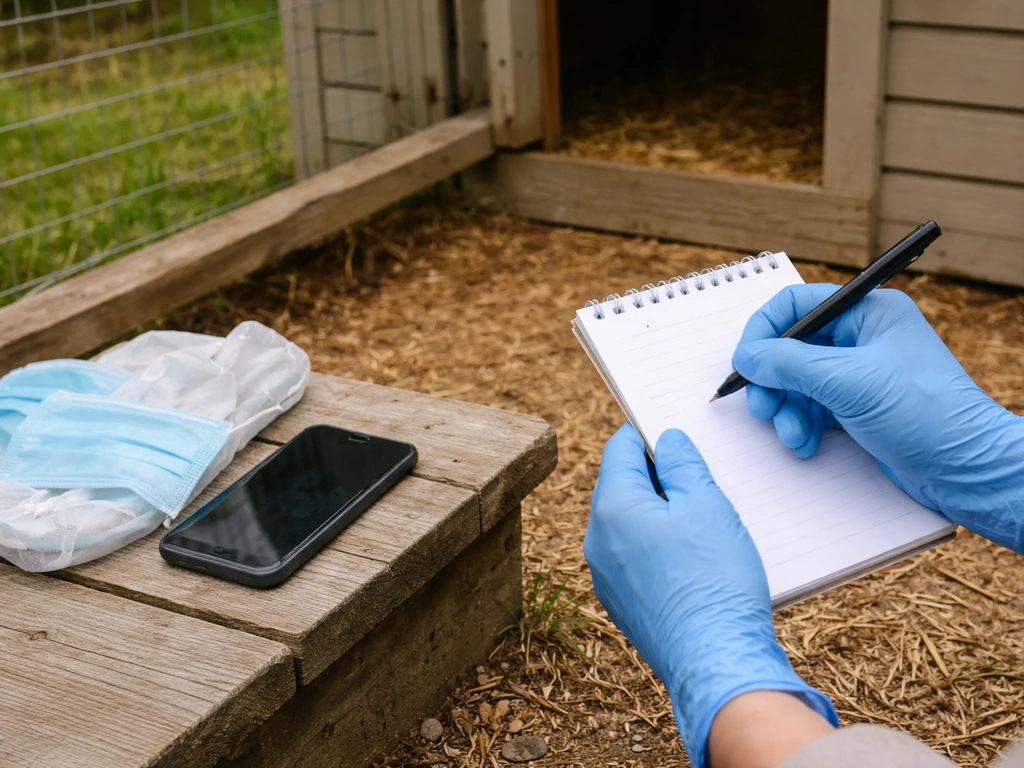
- If you see sudden unexplained deaths, severe respiratory signs, or a sharp drop in egg production, stop handling the birds without protection and call your state veterinarian immediately. You can find your state vet through USDA APHIS's website.
- Do not move any birds off your property, sell eggs, or share equipment with neighbors until you've spoken to an animal health official.
- Have basic biosecurity supplies on hand: disposable gloves, boot covers, and a change of clothes you can bag before leaving the coop area.
- Write down a timeline of when symptoms started, how many birds are affected, and whether you've had any contact with wild birds, new birds entering your flock, or visitors who've been around other poultry recently. This information speeds up the epidemiological investigation.
If you're a commercial poultry producer
- Contact your integrator or company veterinarian first, then your state veterinarian. Most commercial operations have HPAI response protocols — activate them immediately rather than waiting to see if the situation resolves.
- Enhance biosecurity on your premises right away: restrict visitor access, sanitize footwear at all entry points, and document who has been in contact with the flock.
- Do not dispose of or move dead birds until you have guidance from animal health officials — mortality records and carcasses may be needed for the investigation.
- USDA APHIS testing through NAHLN is free for H5 influenza, so cost should not be a reason to delay submitting samples.
If you're a worker who handled sick or dead birds
- Monitor yourself for symptoms including fever (above 100.4°F / 38°C), cough, sore throat, muscle aches, conjunctivitis (eye redness or discharge), or difficulty breathing.
- Contact your state health department if symptoms appear within 10 days of exposure. Tell them specifically that you had contact with birds suspected or confirmed to have avian influenza.
- Seek medical care early — antiviral treatment works best when started quickly, ideally within 48 hours of symptom onset.
- In the meantime, avoid close contact with other people and practice good hand hygiene.
If you're a concerned member of the public
If you've found a dead wild bird and are worried, the CDC recommends not touching it with bare hands. Report unusual wild bird deaths, especially waterfowl like ducks and geese, to your state wildlife agency. They coordinate wild bird surveillance and can decide whether testing is warranted. The USDA Wildlife Services program also accepts reports. Finding one dead bird is not an emergency, but a cluster of dead birds in the same area warrants a report.
Understanding how bird flu is diagnosed also helps you evaluate the news more clearly. When you hear that a flock 'tested positive,' you now know that means a two-stage lab process has been triggered, official agencies are already involved, and the response is already underway. If you’re wondering how do you know if a chicken has bird flu, it starts with recognizing concerning symptoms and getting a veterinarian investigation plus lab testing. The diagnosis isn't the end of the story, it's the starting point for a coordinated containment effort.
FAQ
Can a backyard owner or a veterinarian diagnose bird flu without lab testing?
No. Symptoms can trigger an official investigation, but an official infection determination depends on laboratory testing and regulatory case definitions. Even if a veterinarian suspects HPAI, samples still need to be collected and tested through authorized lab channels to trigger the correct containment and reporting actions.
What makes a bird’s test negative even when bird flu is still possible?
Timing and sample quality are the two biggest reasons. If samples are collected too early, too late, or from the wrong bird locations (for example, only one location or only one sample site), the viral signal can be missed. Poor storage or delays that let the specimen warm up can also reduce detectability and lead to a false-negative or a low-level inconclusive result.
If rRT-PCR is negative, should I stop worrying and assume it is not bird flu?
Not necessarily. A negative result can reduce concern but does not automatically end the investigation when clinical signs are strong or mortality patterns look suspicious. Authorities may request repeat testing with fresh samples collected from additional birds and additional sites in the flock.
What does “inconclusive” mean in bird flu testing, and what happens next?
Inconclusive typically means the signal is borderline (low level) or subtype markers are unclear. It is treated with urgency because the case could still be HPAI, so authorities usually repeat testing using new samples and escalate to the national reference lab faster rather than waiting.
Which swabs are most important, cloacal or throat swabs, and do both really matter?
Both often matter because avian influenza can be present in multiple shedding routes. Using cloacal (gut) and oropharyngeal (respiratory) swabs from the same bird, when possible, increases the chance of detection compared with relying on only one site.
How long can samples sit before they reach the lab, and does freezing help?
Samples generally need to stay cold (2 to 8 degrees Celsius) and be shipped overnight. Freezing is acceptable only when there will be a significant delay, because repeated temperature shifts or improper storage can compromise specimen integrity and affect PCR performance.
Do authorities test one bird or multiple birds from a flock?
In most investigations, they test multiple birds. Sampling just one or two birds can miss infections that are localized within a flock. Collecting representative birds from different parts of the flock improves the picture and helps the lab and regulators interpret results correctly.
How quickly do results come back, and when do movement restrictions start?
rRT-PCR screening can return within about 24 to 48 hours after the lab receives the sample. Importantly, escalation and movement restrictions can begin after a presumptive positive, even before confirmatory testing fully completes, because time is critical for HPAI spread control.
What is the confirmatory step actually doing, and why is it needed?
Confirmatory testing at the national reference lab verifies the subtype and evaluates pathogenicity. It often includes additional characterization such as virus isolation and molecular checks of the hemagglutinin cleavage site, which distinguishes highly pathogenic strains from low pathogenicity strains.
Does finding H5 or H7 automatically mean the strain is highly pathogenic?
No. H5 or H7 positivity in screening is taken seriously, but the “highly pathogenic” classification depends on confirmatory pathogenicity assessment. That is why the process includes both molecular indicators and, when used, pathogenicity testing to lock in HPAI versus LPAI.
If there is a presumptive positive in birds, are people automatically tested for bird flu?
Not for everyone. Human testing focuses on meaningful exposure, such as people who had direct, unprotected contact with infected birds or their environments during depopulation and related response activities. People without that type of exposure are usually not tested.
What should a person do if they suspect human exposure to infected birds but have no symptoms?
They should contact public health or occupational health guidance promptly rather than waiting for symptoms, especially if they had unprotected exposure during handling or depopulation. In many situations, prophylaxis planning (such as considering oseltamivir) can be addressed based on exposure risk while human test results are pending.
Are cooked poultry and eggs safe during an outbreak?
In general, properly cooked poultry and eggs are considered safe to eat. The practical risk focus is on handling and exposure to infected birds or contaminated materials, not on food prepared at proper cooking temperatures.