
There is no FDA-cleared or FDA-authorized home test specifically designed to detect avian influenza strains like H5 or H7 in humans. The flu tests you can buy at a pharmacy detect influenza A broadly, and while some may pick up H5 viral material in a lab setting, none are validated or labeled for at-home avian flu diagnosis. If you think you have been exposed to bird flu, you need to contact your state or local health department, not reach for a home test kit.
Is There a Home Test for Bird Flu? Clear Answers & Steps

Maya Chen
11 Aug 2026
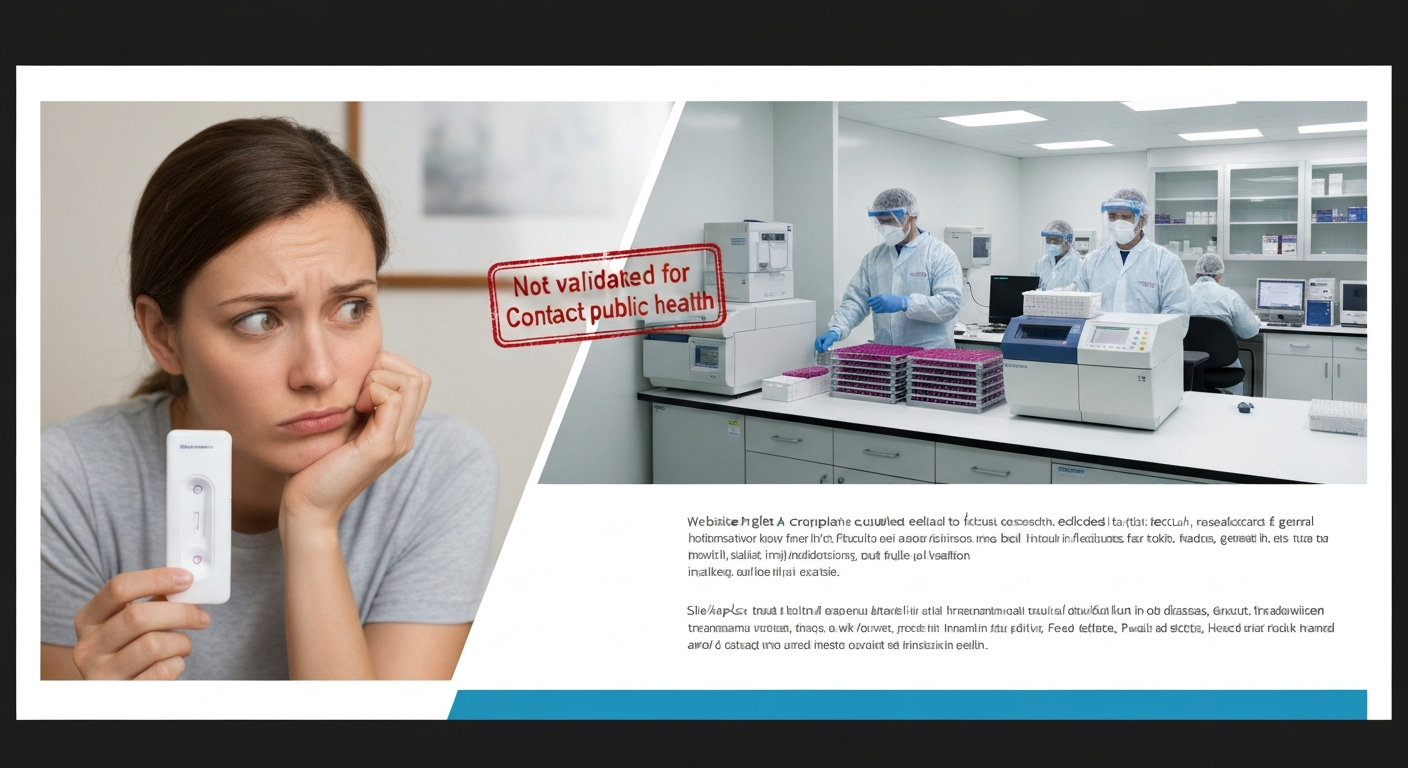
Who actually needs bird flu testing and why it matters
Bird flu testing is not something the average person needs to think about. Human infections remain rare, and most people will never have a meaningful exposure. That said, certain groups do carry real exposure risk, and for them, knowing when and how to get tested is genuinely important. The populations who need to think about this most are people who work directly with infected or potentially infected animals (dairy farm workers, poultry workers, veterinarians, wildlife handlers), people who have had close unprotected contact with sick or dead wild birds or poultry, and household members of confirmed cases. Since August 2024 the H5N1 strain circulating in dairy cattle has widened the at-risk group to include farmworkers who handle raw milk or have close animal contact. Pet owners whose dogs or cats have had exposure to infected birds are another emerging concern, which I will get into below.
Testing matters for two overlapping reasons. First, early identification can change clinical outcomes, since antiviral treatment with oseltamivir (Tamiflu) is most effective when started early. Second, public health surveillance depends on confirmed cases being identified and reported so that outbreak containment can happen quickly. A missed or delayed diagnosis does not just affect one person.
How laboratory testing actually works
There are three main testing methods used for avian influenza in humans: PCR (specifically rRT-PCR), antigen tests, and serology. They serve different purposes and have very different roles in a real investigation.
rRT-PCR: the gold standard
Real-time reverse transcription PCR is what public health labs and the CDC rely on for definitive diagnosis. WHO Working Group report, PCR protocols for detecting influenza A and subtypes (WHO) outlines standardized rRT‑PCR protocols and recommended targets (e.g., conserved M gene for influenza A detection and HA-specific assays for H5/H7 subtyping) used by public health laboratories blank" rel="noopener noreferrer">WHO Working Group report — PCR protocols for detecting influenza A and subtypes (WHO). The test works in two stages. First, a conserved influenza A matrix (M) gene target is used to confirm influenza A is present. If that is positive, subtype-specific primers for H5 or H7 hemagglutinin (HA) genes are run to confirm it is an avian strain. The CDC's H5 subtyping kit has an analytic run time of around four hours. Results that come back positive at a state lab are immediately reported to the CDC for additional confirmatory testing. This is not a process that happens at home or even at most hospital labs. It requires a certified public health laboratory that has been distributed the CDC assays.
One important caveat: PCR on upper respiratory specimens (nasopharyngeal or combined nasal/oropharyngeal swabs) can come back negative early in illness or in cases with primarily lower respiratory involvement. Published case reports, including the fatal H5N5 case documented in Washington state in late 2025, have shown that upper respiratory swabs can be negative even in serious infections. When clinical suspicion is high, lower respiratory samples (sputum, endotracheal aspirate, bronchoalveolar lavage) should also be collected from hospitalized patients. CDC's Clinician Brief: Evaluating and Managing Patients Exposed to Animals or Persons Infected with Novel Influenza A Viruses (CDC) specifies preferred specimens for human testing: nasopharyngeal or combined nasal+oropharyngeal swabs for outpatients, and lower‑respiratory specimens (sputum, endotracheal aspirate, or bronchoalveolar lavage) for hospitalized patients when upper‑respiratory swabs are negative but clinical suspicion remains. Conjunctival swabs are acceptable for some H5 assays when eye symptoms are present. Repeated testing from multiple sites improves diagnostic yield. This is one more reason why home testing is not an adequate substitute.
Antigen tests: faster but limited
Rapid antigen tests for influenza A detect viral protein rather than genetic material. They are faster than PCR but considerably less sensitive and they cannot subtype the virus. A positive antigen test for influenza A in someone with exposure history would prompt immediate follow-up PCR subtyping, but it is not a confirmed bird flu diagnosis on its own. A negative rapid antigen test in a high-risk exposure scenario does not rule out infection. This limitation applies equally to clinic-based rapid tests and to the OTC tests you can buy at a pharmacy.
Serology: useful for investigations, not acute care
Serologic testing looks for antibodies against H5 or H7 in blood samples using microneutralization (MN) and hemagglutination inhibition (HI) assays. These require paired blood draws: one taken during acute illness and a second taken at least 21 days later to look for a rise in antibody levels. Because you need to wait weeks for the second sample, serology is not useful for deciding whether someone is currently infected and needs treatment. It is primarily a tool for public health investigations, for example to determine how many people on a farm were asymptomatically exposed. No commercially available H5N1 serology test is intended for routine clinical use, and CDC labs perform MN and HI testing specifically for outbreak investigations.
| Test Type | What It Detects | Setting | Subtyping Capability | Used For |
|---|---|---|---|---|
| rRT-PCR (public health) | Influenza A RNA + H5/H7 subtype | State/public-health lab, CDC | Yes (H5, H7 specific) | Definitive diagnosis and confirmation |
| Rapid antigen (clinic) | Influenza A protein (broad) | Clinic, hospital ED | No | Initial screening, prompts PCR follow-up |
| OTC home test (antigen or NAAT) | Influenza A (broad) | Home | No | General flu screening only — not validated for H5/H7 |
| Serology (MN/HI) | H5/H7 antibodies in blood | CDC/reference labs | Yes | Epidemiological investigations, not acute care |
Over-the-counter and point-of-care tests: what they can and cannot do
This is where the question gets nuanced, and it is worth being direct. Several OTC home flu tests have received FDA emergency use authorization or 510(k) clearance for influenza A detection. A small number, including multiplex COVID/flu combination tests, have received authorization for molecular (NAAT-based) influenza A detection at home. However, the FDA review materials and manufacturer labeling for these tests make clear that they are authorized for broad influenza A detection, not for subtyping or for specifically identifying avian strains. Some home tests were found in FDA in silico analyses to lack expected reactivity against certain H5 or H7 sequences. The FDA document for the Lucira COVID-19 and Flu Home Test is one example where the manufacturer data explicitly addresses this limitation.
Analytical studies (including NIH and RADx-supported evaluations) have found that some OTC influenza A antigen tests can detect H5 viral material in controlled lab panel testing. But detecting viral material in a lab panel at high concentration is not the same as reliably diagnosing an H5 infection in a symptomatic person at home. Sensitivity varies by test and by strain, and none of these tests are validated as definitive avian flu diagnostics. A positive result on an OTC test would tell you that you likely have influenza A, which should prompt you to call a healthcare provider, especially if you have relevant exposure history. A negative result gives you no reliable assurance that you do not have bird flu.
Point-of-care (POC) antigen tests used in clinics and emergency departments have the same subtyping limitation. A positive influenza A result in a clinic, when combined with a strong exposure history, should immediately trigger a call to the state health department to arrange proper rRT-PCR subtyping. The clinician's role here is critical, which is why the CDC directs providers rather than patients to initiate the testing pathway.
Signs and exposures that mean you (a person) should seek testing
You should contact your healthcare provider or state health department promptly if you develop respiratory illness, fever, or eye symptoms (conjunctivitis) within 10 days of any of the following exposures:
- Direct contact with live or dead poultry, wild birds, or other animals confirmed or suspected to have avian influenza
- Working on or visiting a farm with a confirmed HPAI outbreak in poultry or dairy cattle
- Unprotected exposure to raw milk or other raw animal products from an affected farm
- Handling or being in close proximity to sick or dead wild birds (raptors, waterfowl, shorebirds) without respiratory and eye protection
- Close contact with a laboratory-confirmed human case of avian influenza
- Travel to regions with documented H5N1 or H7N9 human cases and close contact with live birds or live-bird markets
Symptoms to watch for include fever (often high, above 38°C/100.4°F), cough, sore throat, shortness of breath, muscle aches, and eye redness or discharge. Severe cases can progress to pneumonia and respiratory failure rapidly. Do not wait to see if symptoms resolve on their own if you have a credible exposure history. Call ahead before going to a clinic so that the provider can prepare appropriate precautions and notify the health department.
Signs that your backyard flock or wild birds need testing
Backyard poultry owners and wildlife rehabilitators need to know the signs that warrant reporting and testing, because the official diagnostic pathway for birds is entirely separate from human health testing. For a concise checklist of common clinical signs in birds, see signs a bird has avian flu. If you see any of the following in your flock or in wild birds, contact your state veterinarian or your state's animal health department immediately:
- Sudden unexplained death in multiple birds, especially within a short time window
- Severe, rapid decline affecting a large proportion of the flock
- Neurological signs: twisting of the neck (torticollis), incoordination, tremors, inability to stand
- Respiratory distress: gasping, nasal discharge, labored breathing
- Swelling of the head, comb, wattles, or legs (often with discoloration, purplish or darkened tissue)
- Dramatic drop in egg production or production of soft-shelled or misshapen eggs
- Clusters of dead wild birds, especially waterfowl, shorebirds, or raptors
When suspicion is raised, official veterinary diagnosis follows a specific pathway. Samples are collected per USDA APHIS guidance: oropharyngeal or tracheal swabs are preferred for chickens and other gallinaceous poultry, while cloacal swabs are preferred for waterfowl. Swabs can be pooled (up to five swabs in 3 mL transport medium, or up to eleven in 5.5 mL) for surveillance submissions. The cold chain must be maintained at 4 to 8°C and chain-of-custody documentation is required for regulatory submissions. These samples go first to a National Animal Health Laboratory Network (NAHLN) lab for preliminary testing. Presumptive positives are then sent to the USDA's National Veterinary Services Laboratories (NVSL) for confirmatory testing and strain characterization. Do not attempt to collect or ship samples on your own without guidance from your state veterinarian, both for biosecurity reasons and to ensure samples are properly handled for official diagnostic purposes.
It is worth understanding the limits of field-level rapid antigen tests for birds. Lateral-flow antigen tests are commercially available for avian influenza screening in the field, and some manufacturers publish sensitivity and specificity claims above 90%. However, independent field evaluations have shown much more variable performance. One published evaluation of the Anigen AIV/H5 rapid kit reported field sensitivity of only around 25 to 50%, with specificity near 100%. This means a negative rapid antigen result in a sick bird does not rule out avian influenza. Rapid antigen tests may be used for a fast initial screen, but they are not a substitute for NAHLN or NVSL laboratory testing when you have a real concern.
Signs that your dog or other pet may need testing
Mammalian infection with HPAI H5N1 has been documented in cats, dogs, and other carnivores, typically following ingestion of infected birds or raw poultry products. Dogs appear less susceptible than cats but are not immune. If your dog or cat has eaten a sick or dead wild bird or been in close contact with infected poultry and then develops any of the following signs, contact a veterinarian promptly and mention the exposure:
- Sudden onset of lethargy or weakness
- Fever, loss of appetite, or vomiting shortly after exposure
- Neurological signs: seizures, incoordination, disorientation, or apparent blindness
- Respiratory signs: rapid or labored breathing, nasal or ocular discharge
- Any sudden deterioration in a healthy animal within days of a bird exposure
There is no validated over-the-counter test for avian influenza in dogs or cats. Veterinary diagnosis relies on PCR testing of appropriate specimens, and your veterinarian will need to coordinate with your state veterinary diagnostic laboratory if avian influenza is suspected. For guidance specific to canine testing and sample collection, see how to test for bird flu in dogs. This is an area where the science is still developing quickly, and the testing pathway for pets is less standardized than it is for poultry. The most important thing you can do is contact your vet immediately, describe the exposure in detail, and let them guide the next steps rather than attempting any kind of home test.
Where to get tested if you are a person with possible exposure
Human bird flu testing does not work like walking into a pharmacy or ordering a mail-in kit. The process is coordinated through public health channels, and that is intentional. Here is how it actually works. For details on where to get tested for bird flu, see the internal guidance titled “where to get tested for bird flu.”. For step-by-step guidance on how to diagnose bird flu, consult the CDC and your state or local public health department for current testing and reporting procedures.
If you have symptoms and a relevant exposure history, your first call should be to your primary care provider or urgent care clinic. Do not just walk in unannounced. Call ahead so the facility can prepare appropriate infection-control measures. Your provider will evaluate your symptoms and exposure and, if bird flu is suspected, will contact the state or local health department to report the case and request authorization for subtype-specific testing. Clinicians cannot independently order an H5-specific rRT-PCR through a commercial lab; this testing is initiated through public health channels and run at state public-health laboratories or confirmed at CDC.
If you are a farm worker or have a work-related exposure, many states have set up dedicated contact lines for agricultural workers during active outbreaks. Your employer may also be required to report suspected cases. The CDC and USDA have published interim recommendations that include monitoring protocols for workers on affected farms.
- Call your healthcare provider or urgent care clinic before going in. Describe your symptoms and exposure history.
- Your provider assesses whether testing criteria are met and contacts the state or local public health department.
- The health department authorizes and coordinates specimen collection (nasopharyngeal swab, combined nasal/oropharyngeal swabs, or lower respiratory specimens for hospitalized patients).
- Specimens are sent to the state public-health lab for rRT-PCR testing using CDC-distributed assays.
- Presumptive positive results are immediately reported to CDC for confirmatory testing.
- While awaiting results, isolate from other household members and follow guidance from the health department on precautions.
If you cannot reach a provider quickly and your exposure was significant, you can call your state health department directly. Most state health departments have 24-hour emergency lines for reportable disease concerns. The CDC website also maintains up-to-date guidance on reporting procedures and contact information for state health departments. The bottom line is that the pathway runs through healthcare providers and public health, not through home testing kits, and that is a feature, not a flaw. The coordination ensures proper specimen handling, appropriate lab infrastructure, rapid reporting, and access to antiviral treatment if needed.
FAQ
Is there a home test for bird flu (avian influenza)?
Short answer: No widely accepted, FDA‑cleared over‑the‑counter at‑home test exists that is specifically labeled to detect avian influenza subtypes (for example H5 or H7) in people. Some OTC home tests detect generic influenza A, and a few lab studies show they may sometimes pick up some avian strains in controlled settings, but these tests are not validated or authorized for diagnosing avian influenza in humans. For suspected human cases, public‑health/state labs and clinical laboratories using rRT‑PCR are the recommended route. (See CDC and FDA guidance.)
What laboratory tests are used to diagnose avian (bird) flu in humans?
The preferred diagnostic method is real‑time reverse transcription PCR (rRT‑PCR) run at clinical or public‑health laboratories; these tests detect influenza A and can include subtype‑specific assays (for example H5 or H7). Virus isolation and sequencing at reference labs can confirm and characterize strains. Serology (microneutralization, hemagglutination inhibition) may be used for epidemiologic investigation with paired sera, but it is not useful for acute diagnosis.
Are any at‑home or point‑of‑care tests useful for detecting avian flu in people?
Point‑of‑care antigen or molecular tests used in clinics can detect influenza A (broad) and sometimes seasonal subtypes; a few at‑home molecular/antigen kits detect influenza A but manufacturers’ labeling and FDA materials generally state they are not validated to detect or subtype avian H5/H7 strains. Even when an OTC test gives a positive influenza A result, public‑health confirmation is required if avian influenza is suspected based on exposure or clinical signs.
How is testing done for wild birds and backyard poultry?
Veterinary/public‑health testing typically uses swabs (oropharyngeal/tracheal for chickens and gallinaceous birds; cloacal for waterfowl) submitted to a diagnostic laboratory. NAHLN‑affiliated labs perform initial rRT‑PCR testing and presumptive positives go to USDA NVSL for confirmation and characterization. Rapid antigen lateral‑flow kits exist for field screening in birds, but they are less sensitive than PCR and negative rapid tests do not reliably exclude infection.
Can I test my pet dog at home for bird flu?
No validated at‑home test exists for diagnosing avian influenza in dogs. If you suspect a dog has been exposed to infected birds or shows respiratory or systemic illness after exposure, contact your veterinarian. Vets can collect appropriate samples and submit them to veterinary diagnostic laboratories for PCR testing and follow state/national reporting guidance.
When should humans seek testing for possible avian influenza?
Seek testing if you have relevant exposure (direct contact with sick or dead birds, poultry outbreaks, close contact with a confirmed animal case) and develop compatible symptoms (fever, cough, difficulty breathing, conjunctivitis, severe respiratory illness). Clinicians should be notified of the exposure so public‑health authorities and labs can be alerted and proper specimen types and testing pathways used. If illness is severe, seek emergency care immediately and tell providers about the exposure.
Next Articles
Signs a Bird Has Avian Flu: Recognize, Test, Protect
Recognize avian flu in wild, backyard and pet birds: signs, immediate actions, testing and safety steps.
Where to Get Tested for Bird Flu: Human and Animal Options
Step-by-step guide to bird flu testing for people and animals, with who to contact, what tests, and what to ask.
How to Diagnose Bird Flu: Signs, Suspicion, and Testing
Learn how to diagnose bird flu by spotting suspicious bird signs, documenting cases, reducing risk, and getting lab-conf