
A bird with avian influenza may show sudden death with no prior warning, severe neurological signs like uncontrolled head tremors or an inability to stand, labored breathing, swollen facial tissue, or a sharp drop in egg production across the flock. The exact signs depend heavily on whether the strain is highly pathogenic (HPAI) or low pathogenic (LPAI), and on the species involved. Waterfowl can carry HPAI silently for days, while chickens can go from apparently healthy to dead within 24 to 48 hours. Knowing what to look for in your specific birds, and knowing what to do next, is what this article is built to help with.
Signs a Bird Has Avian Flu: Recognize, Test, Protect

Maya Chen
27 Jul 2026
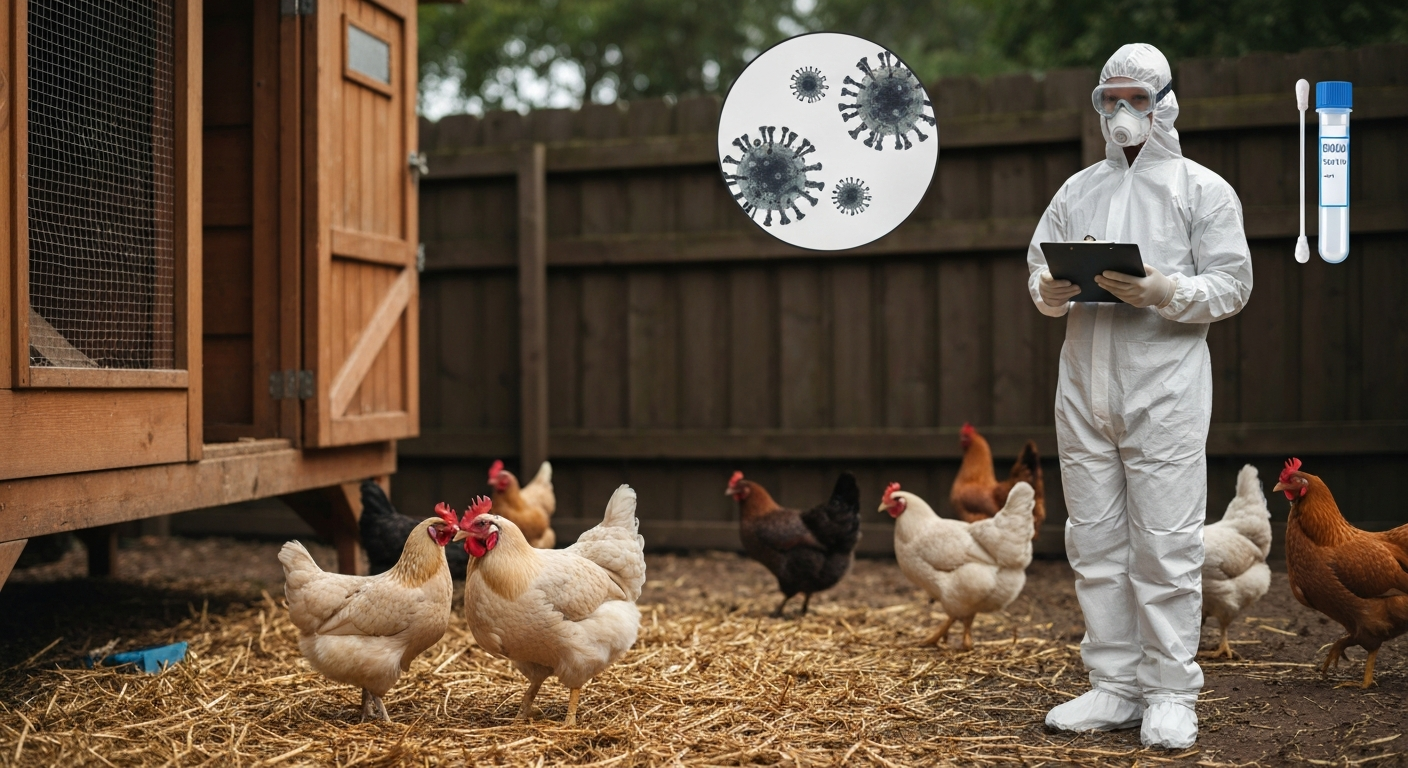
Who should read this
This guide is written for backyard flock owners who noticed something wrong this morning, commercial poultry farmers running routine health checks, birders who found an unusual number of dead waterfowl at a local wetland, veterinarians looking for a quick clinical reference, and pet bird owners worried about a sick parrot or canary. It covers clinical signs by species, how avian flu is classified, what to do immediately, how diagnosis works, where to get testing, and how to protect yourself and other animals. Human health risks are addressed clearly and separately from animal health actions throughout.
At a glance: key signs and immediate priorities
If you suspect avian influenza right now, here is what to focus on before reading further.
- Sudden, unexplained death of one or more birds, especially when multiple birds die quickly
- Neurological signs: head tremors, circling, inability to stand or hold the head upright, seizures
- Severe respiratory distress: open-mouth breathing, gurgling, nasal discharge
- Swelling of the head, face, eyelids, wattles, or comb (poultry)
- Blue or purple discoloration (cyanosis) of the comb, wattles, or unfeathered skin
- Sudden drop in egg production (50% or more in 24 to 48 hours is a serious red flag)
- Complete loss of appetite and dramatic reduction in water intake across the flock
- Diarrhea, often watery and green or white in color
- Unusual behavior in wild birds: daytime roosting, loss of fear of humans, inability to fly
If you see several of these signs together, especially sudden mass mortality, isolate affected birds immediately, stop all movement of birds and equipment off your property, and contact your state veterinarian or USDA APHIS at 1-866-536-7593. Do not wait for laboratory confirmation to begin isolation. Speed matters enormously with HPAI.
HPAI vs LPAI: the classification that changes everything
Avian influenza viruses are classified as either highly pathogenic (HPAI) or low pathogenic (LPAI) based on how severely they affect chickens in a standardized laboratory challenge. This classification is not just a technical label. It has direct practical consequences for what you will observe in your birds and how aggressively authorities will respond.
LPAI strains, such as many H6, H9, and low-path H5 and H7 viruses, tend to cause mild respiratory signs, a temporary dip in egg production, and relatively low mortality, often under 5%. Birds may look sick but most survive. HPAI strains, particularly the H5N1 and H5N2 clade 2.3.4.4b viruses responsible for the ongoing outbreak that has affected North American poultry since 2022, are a different story entirely. In susceptible poultry like chickens and turkeys, HPAI can cause mortality rates of 90 to 100% within 48 hours of clinical onset. The virus attacks multiple organ systems simultaneously, including the brain, lungs, liver, and kidneys, which is why the signs are so severe and varied.
A critical complication: LPAI H5 and H7 viruses can mutate into HPAI strains during sustained poultry outbreaks. This is why even a mild respiratory illness in a flock that was recently exposed to wild birds deserves immediate veterinary attention. WOAH (the World Organisation for Animal Health) mandates reporting of all H5 and H7 infections regardless of pathotype, and the USDA requires the same in the United States.
How symptoms vary: species and disease course
Avian influenza does not behave the same way in every bird. The virus uses the same receptor (sialic acid on respiratory and gastrointestinal epithelial cells), but the density and distribution of those receptors varies by species, which drives the differences in clinical presentation. Waterfowl, especially dabbling ducks like mallards, have a heavy concentration of receptors in the gut, so they shed enormous amounts of virus in feces with minimal illness. Chickens have more receptors in the respiratory tract, and HPAI spreads through their bloodstream (systemic viremia), destroying endothelial cells and causing internal hemorrhage. Raptors and corvids exposed to HPAI by consuming infected prey often develop acute neurological disease. Passerines (songbirds) tend to show mixed respiratory and neurological signs when infected, though many infections appear to be fatal quickly.
Disease course also matters. HPAI in chickens is typically peracute to acute, meaning birds can die so fast that the first sign an owner notices is dead birds in the morning with no prior illness visible the evening before. LPAI tends to follow a more subacute course over several days. In wild waterfowl carrying HPAI, some birds remain asymptomatic carriers for several days before eventually succumbing, which is part of why the current H5N1 clade 2.3.4.4b strain has spread so efficiently across flyways.
Signs in wild birds
Wild bird presentations have been extensively documented during the H5N1 clade 2.3.4.4b outbreaks that have swept North America, Europe, and Asia since 2021. What field observers and wildlife biologists report consistently is that the most reliable early indicator is behavioral change, not a specific physical symptom.
Waterfowl (ducks, geese, swans)
Many ducks, especially dabbling ducks, can carry HPAI and shed high viral loads without showing obvious illness, at least initially. When signs do appear, they include swimming in circles (a sign of brainstem or vestibular involvement), head tilting or neck twisting (torticollis), inability to hold the head upright, loss of the dive reflex, and being found on shore rather than in water. Sudden death on the water or at the shoreline, sometimes in clusters, is a hallmark sign during active outbreaks. In swans and geese, neurological signs often appear more acutely and progress rapidly to death.
Raptors (eagles, hawks, owls, falcons)
Raptors are at high risk because they consume infected waterfowl and shorebirds. The primary signs are neurological: seizures, inability to fly or perch, severe ataxia (loss of coordination), and sudden death. Bald eagle mortality has been particularly pronounced in North America during the current outbreak, with wildlife agencies reporting neurological signs as the dominant presentation. A raptor found on the ground that cannot fly and shows head tremors should be treated as a potential HPAI case until proven otherwise.
Shorebirds and seabirds
Shorebirds and colonial seabirds like terns and gannets have suffered massive mortality events in Europe and South America during recent H5N1 outbreaks, with some colonies losing the majority of their breeding adults in single seasons. Clinical signs observed before death include disorientation, failure to respond to human approach (loss of flight distance), respiratory distress, and neurological signs. In dense breeding colonies, sudden mass mortality is often the first visible indicator.
Passerines and corvids
Crows, ravens, and magpies appear particularly susceptible to H5N1 and often die acutely. Passerines (finches, sparrows, starlings) can be infected, though cases are less frequently documented. Signs include lethargy, loss of perching ability, respiratory distress, and sudden death. Finding multiple dead songbirds or corvids in the same area, especially near a waterbody, warrants reporting to your state wildlife agency.
If you find a dead wild bird, do not handle it with bare hands. Use gloves or invert a plastic bag over your hand to pick it up, and contact your state wildlife agency or USDA Wildlife Services to report it. Many states track wild bird mortality as an early warning system for HPAI spread.
Signs in backyard and commercial poultry
Domestic poultry are where avian influenza causes its most economically devastating and clinically dramatic effects. The signs below reflect evidence from USDA APHIS outbreak investigations and peer-reviewed studies from the 2022 to 2025 North American outbreak, the largest in U.S. history, which affected over 130 million birds.
Chickens
Chickens are the most severely affected domestic species. With HPAI, the disease course is often so rapid that the first sign is simply dead birds. When premonitory signs are visible, they include extreme depression and huddling, complete feed and water refusal, ruffled feathers, and birds that are reluctant to move. Respiratory signs (coughing, sneezing, rattling) appear in some cases. Swelling and cyanosis of the comb, wattles, and periocular tissue are classic but not always present. Petechial hemorrhages on the shanks and feet can sometimes be observed. Egg production can collapse by 50% or more within 24 hours in laying hens, and eggs laid may be soft-shelled, shell-less, or have internal quality abnormalities. Mortality in unvaccinated flocks exposed to virulent HPAI can reach 90 to 100% within 48 to 72 hours of first deaths.
Turkeys
Turkeys tend to show a slightly more prolonged course than chickens, giving owners a marginally longer window to detect illness, though mortality can still be catastrophic. Key signs include severe respiratory distress, sneezing, rales, nasal discharge, edema of the snood and facial skin, and neurological signs such as incoordination and torticollis. A rapid fall in feed consumption across the flock, sometimes 30 to 50% below baseline within 24 hours, is an important early flock-level indicator. Mortality in affected flocks can reach 50 to 100% without intervention.
Ducks and geese (domestic)
Domestic ducks and geese are more resistant to clinical illness from HPAI than chickens and turkeys, though this varies with strain. They may carry and shed the virus while appearing relatively healthy, making them a particular biosecurity risk if mixed with chickens. When domestic waterfowl do show signs, these include neurological symptoms (swimming in circles, torticollis, seizures), diarrhea, and respiratory signs. Some strains, particularly H5N1 clade 2.3.4.4b, have caused higher mortality in domestic waterfowl than older strains, so the historical assumption that ducks are always resistant is no longer reliable.
Flock-level red flags for backyard owners
- More than one bird found dead with no obvious cause (predator attack, injury, or known disease)
- Multiple birds showing neurological signs simultaneously
- Feed consumption dropping sharply over 24 to 48 hours
- Egg production falling by more than 20% in a single day
- Any bird showing severe respiratory signs combined with facial swelling
- Recent contact with wild birds, especially waterfowl, near the flock
- A neighbor's flock or a nearby farm reporting confirmed or suspected HPAI
Conditions that can look like avian flu in poultry
Several diseases mimic avian influenza closely enough that clinical observation alone cannot reliably distinguish them. Newcastle disease (velogenic strains) causes very similar respiratory and neurological signs with high mortality and is also a reportable disease. Infectious bronchitis can cause respiratory signs and egg production drops. Avian cholera (Pasteurella multocida) can cause sudden high mortality. Mycoplasma gallisepticum causes chronic respiratory signs but rarely causes the acute mortality seen with HPAI. Aflatoxicosis and other toxin exposures can cause neurological signs. None of these can be reliably excluded without laboratory testing, which is exactly why rapid reporting and sampling are essential.
Signs in individual pet birds
Pet birds present a unique challenge because owners are often very attuned to behavioral change in individual animals, yet the clinical signs of avian influenza in psittacines, finches, and canaries overlap significantly with many other common diseases. The risk to indoor-only pet birds is generally low, but it is not zero, particularly if the bird has outdoor access, is housed near wild birds, or was recently acquired from a market or importer.
Psittacines (parrots, cockatiels, budgerigars)
Case reports and AAAV (Association of Avian Veterinarians) guidelines indicate that psittacines infected with HPAI may show nonspecific signs including lethargy, fluffed feathers, anorexia, and regurgitation. Respiratory signs such as tail-bobbing (a sign of respiratory effort), nasal discharge, and open-mouth breathing can appear. Neurological signs including ataxia, tremors, and seizures have been reported in some cases. Sudden death without premonitory signs is possible. Because these signs are identical to those seen with psittacosis (Chlamydiosis), Pacheco's disease (psittacid herpesvirus), aspergillosis, proventricular dilatation disease, and several other conditions, any seriously ill parrot should be evaluated by an avian veterinarian promptly.
Canaries and finches
Canaries and finches are particularly fragile, and illness of any cause tends to progress rapidly in these small passerines. Avian influenza may present as acute death, or as a short illness with lethargy, loss of song, fluffed feathers, and respiratory distress. Avian pox, canary pox, mycoplasma, and finch circovirus can produce similar presentations. The key practical point is that if you keep outdoor finches or canaries in aviaries with any exposure to wild birds, and multiple birds become ill or die suddenly, avian influenza should be on your differential diagnosis list.
If your pet bird is ill and you are concerned about avian influenza exposure, contact an avian veterinarian before bringing the bird in, so the clinic can prepare appropriate infection-control measures. Do not handle a sick bird with bare hands. Wash hands thoroughly after any contact.
Clinical signs, diagnostic tests, and specimen types by species group
| Category | Common Clinical Signs | Recommended Specimens | Primary Diagnostic Tests | Notes |
|---|---|---|---|---|
| Wild waterfowl (ducks, geese, swans) | Neurological signs (circling, torticollis), sudden death, inability to fly or swim, loss of fear of humans | Oropharyngeal swab, cloacal swab, fresh brain/lung/trachea (dead birds) | rRT-PCR (M gene, H5/H7 targets); virus isolation if PCR positive | High cloacal shedding; asymptomatic carriers common; both swabs needed |
| Wild raptors (eagles, hawks, owls) | Seizures, inability to fly or perch, severe ataxia, sudden death | Oropharyngeal swab, cloacal swab, fresh brain/trachea/lung (dead birds) | rRT-PCR; virus isolation | Secondary infection via prey; neurological signs dominate; handle with thick gloves and eye protection |
| Wild passerines and corvids | Lethargy, loss of perching, respiratory distress, sudden death | Oropharyngeal swab, cloacal swab, fresh tissues | rRT-PCR | Corvids highly susceptible to H5N1; mass mortality in crows is a reportable event in many states |
| Chickens (backyard and commercial) | Sudden death, severe depression, cyanosis/swelling of comb and wattles, neurological signs, respiratory distress, egg production collapse, petechial hemorrhages on shanks | Oropharyngeal and cloacal swabs (minimum 5 to 11 live birds per flock); fresh lung, trachea, spleen, brain (dead birds) | rRT-PCR (initial); virus isolation (confirmation); NP antigen ELISA (rapid screening) | Mortality can reach 100% in 48 hours; quarantine and report before lab confirmation |
| Turkeys (commercial) | Respiratory rales, sneezing, nasal discharge, snood edema, neurological signs, rapid feed drop, high mortality | Oropharyngeal and cloacal swabs; fresh trachea, lung, air sac, brain | rRT-PCR; virus isolation | Slightly longer clinical course than chickens; feed consumption drop is an early flock indicator |
| Domestic ducks and geese | Variable; neurological signs, diarrhea, respiratory signs; may appear healthy while shedding | Cloacal swab (preferred, high shedding), oropharyngeal swab, fresh intestine/lung | rRT-PCR; virus isolation | Do not rely on absence of clinical signs to rule out infection; cloacal swabs are critical |
| Pet psittacines (parrots, cockatiels) | Lethargy, anorexia, respiratory distress, regurgitation, neurological signs, sudden death | Oropharyngeal/choanal swab, cloacal swab; fresh tissues if deceased | rRT-PCR; serology (HI or ELISA) for past exposure | Many differentials overlap; consult avian vet; report to state vet if HPAI suspected |
| Pet canaries and finches | Acute death, fluffed feathers, respiratory distress, loss of song, rapid deterioration | Oropharyngeal swab, cloacal swab; fresh tissues if deceased | rRT-PCR | Outdoor aviaries with wild bird exposure carry highest risk; small body mass means rapid disease progression |
| Serology (any species, past exposure) | No active signs (historical exposure investigation) | Serum (1 to 3 mL) | HI (hemagglutination inhibition), blocking ELISA | Positive serology indicates past exposure, not necessarily active infection; PCR is preferred for acute illness |
Immediate actions when you suspect avian flu
The single most important thing you can do is act before you have laboratory confirmation. HPAI spreads fast enough that waiting 24 to 48 hours for a positive test while doing nothing can mean the difference between containing an outbreak on your property and losing your entire flock, or contributing to wider spread into neighboring farms or wild bird populations.
- Stop all movement of birds, eggs, equipment, manure, and bedding off the property immediately
- Isolate sick or dead birds from healthy birds; if the whole flock is affected, quarantine the entire flock area
- Do not dispose of dead birds yourself by composting, burying, or dumping until instructed by authorities, as this can spread the virus
- Put on PPE before approaching sick or dead birds (see PPE section below)
- Call your state veterinarian or USDA APHIS (1-866-536-7593) right away. You do not need a confirmed diagnosis to make this call, and making it early does not automatically trigger mass culling
- Restrict human access to the flock area to essential personnel only, and ensure everyone entering wears PPE and changes footwear before and after
- Keep a log of who has entered the area, which birds are affected, and when signs began; this information speeds up the official investigation
- If wild birds are involved, contact USDA Wildlife Services (1-866-487-3297) or your state wildlife agency
PPE: what to wear when handling suspected birds
CDC, OSHA, and USDA APHIS guidance on PPE for handling birds suspected of HPAI infection is specific and important to follow correctly, not as bureaucratic box-checking, but because the risk of human infection, while uncommon, is real during direct handling of infected birds. As of mid-2026, the ongoing H5N1 outbreak has resulted in documented human cases in North America, primarily in people with unprotected exposure to infected poultry and dairy cattle.
- Respiratory protection: At minimum, a fitted NIOSH-approved N95 respirator (not a surgical mask); a powered air-purifying respirator (PAPR) is recommended for extended exposure in enclosed spaces with many infected birds
- Eye protection: Safety goggles or a face shield that covers the eyes completely; regular glasses do not provide adequate splash protection
- Gloves: Nitrile or latex gloves; double-gloving is recommended for handling dead birds
- Outer clothing protection: Disposable coveralls or a dedicated set of clothes that will be immediately bagged and laundered at high temperature; boot covers or dedicated footwear that is disinfected on exit
- PPE removal: Remove gloves first (glove-to-glove, skin-to-skin technique), then face shield from behind, then coveralls rolling outward; perform hand hygiene with soap and water after removal
- Disposal: Place all used disposable PPE in a sealed bag for disposal as potentially infectious waste; do not carry used PPE into clean areas
After any significant exposure, monitor yourself for flu-like symptoms (fever over 100.4°F, cough, sore throat, muscle aches, conjunctivitis) for 10 days. If symptoms develop, contact your healthcare provider and local health department promptly, and mention the exposure to birds. Antiviral treatment with oseltamivir (Tamiflu) is most effective when started early.
Biosecurity practices that actually reduce risk
Biosecurity is the most effective tool available for preventing HPAI from entering your flock in the first place. The USDA Biosecurity for Birds program and peer-reviewed outbreak analyses consistently identify the same failure points: contact with wild birds, shared equipment between premises, and visitor movements. Here are the measures with the strongest evidence base.
- Maintain a clear physical line of separation between the 'clean' zone (where your birds live) and the 'dirty' zone (outside world); this means netting, fencing, and covered housing that prevents wild bird contact
- Use dedicated footwear and outerwear that never leaves the bird area; provide foot baths with an effective disinfectant (dilute bleach at 1:10, or an EPA-registered poultry disinfectant) at all entry points
- Restrict visitors to essential people only; require them to follow the same footwear and clothing protocols
- Source feed from covered, vermin-proof containers; do not allow wild birds to access feed or water sources
- Never share equipment (crates, feeders, waterers, tools) between farms without thorough cleaning and disinfection
- Know your neighbors: if farms within a 10-kilometer radius have a confirmed case, elevate your biosecurity to maximum immediately
- For commercial operations, follow the USDA's HPAI Secure Poultry Supply Plan, which includes enhanced documentation of movement controls and flock health monitoring
How avian flu is diagnosed
Clinical signs can raise strong suspicion for avian influenza, but a confirmed diagnosis requires laboratory testing. No single field observation is pathognomonic (exclusively diagnostic) for HPAI or LPAI, because multiple other diseases produce similar pictures. Diagnosis follows a clear sequence. For step-by-step instructions on sample collection and testing, see how to diagnose bird flu.
Real-time reverse transcription PCR (rRT-PCR)
rRT-PCR is the primary diagnostic test and the fastest. It detects viral RNA from swabs or tissue samples. The USDA NVSL (National Veterinary Services Laboratories) protocol targets the influenza A matrix (M) gene as an initial screen, followed by H5- and H7-specific assays if the M gene is positive. Sensitivity is high (greater than 95% in well-collected samples) and results from accredited state veterinary diagnostic labs are typically available within 24 to 48 hours of sample receipt. An important limitation: PCR detects viral RNA during active shedding. Samples collected too late in the disease course, or in birds that died several days before collection, may yield false-negative results due to RNA degradation.
Virus isolation
Virus isolation in embryonated eggs or cell culture is the gold standard for confirming a live, replication-competent virus. It is required for official HPAI confirmation in the United States and by WOAH reporting standards. Turnaround time is longer (5 to 10 days), so initial response decisions are made on PCR results while isolation is in progress. Isolation also provides the viral isolate needed for strain characterization, antigen matching for vaccines, and epidemiological source tracing.
Serology
Hemagglutination inhibition (HI) testing and blocking ELISA detect antibodies to influenza A, indicating past infection or exposure. These tests are most useful for flock-level surveillance, post-outbreak investigations, and monitoring vaccination programs. A positive serological result in an apparently healthy bird does not tell you the bird is currently infected; it tells you the bird was exposed at some point. For acutely ill birds, PCR is the right test.
Antigen detection (NP ELISA)
Rapid nucleoprotein antigen tests (similar in format to a lateral flow strip) are available for influenza A and can provide results in 15 to 30 minutes at the farm or clinic. These are used as a rapid screening tool, not a confirmatory test. Sensitivity for HPAI in poultry is moderate (approximately 60 to 80% depending on viral load and sample quality), meaning a negative rapid test does not rule out HPAI. A positive result triggers immediate escalation to PCR and official reporting.
What about home tests?
There is currently no validated, over-the-counter home test for avian influenza in birds or mammals that has received FDA clearance or USDA approval. The rapid human influenza tests available at pharmacies are not designed or validated for avian influenza strains in birds, and their sensitivity for H5N1 in bird samples is poor. Official guidance from the FDA, CDC, and USDA is unambiguous: if you suspect HPAI, the appropriate path is contact with your veterinarian or state animal health officials for proper laboratory testing, not a consumer-grade rapid test. Relying on an unvalidated test risks both false reassurance and delayed official response. See the detailed FAQ titled "Is there a home test for bird flu" for a plain-language explanation of why no validated over-the-counter home tests exist and what to do if you suspect infection.
Where and how to get birds tested
For backyard and commercial poultry, the fastest path to official testing is through your state veterinarian's office or your state's veterinary diagnostic laboratory. Contact them before you ship samples, because there are specific submission forms, transport media requirements, and biosafety shipping rules (IATA Packing Instruction P650 for infectious substances) that must be followed. Most state diagnostic labs offer HPAI PCR testing with next-day or 48-hour turnaround for suspected cases. Costs vary but are often subsidized or waived for suspected HPAI because it is a federally reportable condition.
For pet birds, start with an avian veterinarian who has a relationship with a state or university diagnostic laboratory. The vet will collect oropharyngeal and cloacal swabs, place them in viral transport media (VTM), and submit them with the required forms. If the bird has died, a fresh carcass refrigerated (not frozen) and submitted within 24 hours provides the most diagnostic information. USDA NVSL in Ames, Iowa serves as the national reference laboratory and provides confirmatory testing on H5/H7-positive samples forwarded by state labs.
For wild birds, do not submit carcasses independently through the mail without guidance. Contact your state wildlife agency or USDA Wildlife Services first. They will arrange collection, handling, and submission through channels that comply with biohazard shipping regulations.
Reporting: your legal obligations and who to call
Avian influenza caused by H5 or H7 subtypes is a federally reportable disease in the United States. This means that any veterinarian, flock owner, or laboratory that suspects or confirms an H5 or H7 infection is legally required to report it. The reporting chain runs from the veterinarian or flock owner to the state veterinarian, who then notifies USDA APHIS, which notifies WOAH. You do not need confirmed laboratory results to trigger a report; a reasonable clinical suspicion with relevant epidemiological context (wild bird contact, nearby confirmed case, unexplained high mortality) is sufficient and legally required to report.
For wild bird mortality, reporting requirements vary by state, but most states request that wildlife agencies be notified of any unusual mortality event involving waterfowl, shorebirds, or raptors. Some states explicitly require reporting of dead corvids (crows, jays) as part of West Nile Virus and avian flu surveillance networks. Check your state wildlife agency website for the specific threshold (for example, five or more dead waterfowl in one location in a 48-hour period) that triggers a formal report in your jurisdiction.
Testing in mammals: dogs, cats, and other animals
H5N1 clade 2.3.4.4b has infected a broader range of mammalian species than was previously typical, including cats, foxes, seals, sea lions, otters, skunks, raccoons, and, importantly in the current outbreak, dairy cattle. Dogs have been documented with H5N1 infection in Asia and in connection with the North American outbreak, typically after consuming infected birds or carcasses. Clinical signs in cats include neurological disease, respiratory distress, and sudden death; cats appear more susceptible than dogs, but both species should be considered at risk if they have access to wild bird carcasses or infected poultry.
If your dog or cat has had direct contact with infected or suspect birds and develops respiratory or neurological signs, contact your veterinarian and mention the exposure. Recommended sample types for mammalian testing include nasal or oropharyngeal swabs, conjunctival swabs, and, in severe cases, fresh tissues collected postmortem. Testing is coordinated through veterinary diagnostic labs and should be reported to your state veterinarian and public health authorities given the zoonotic implications. For step-by-step guidance on how to test for bird flu in dogs, see our dedicated guidance on how to test for bird flu in dogs. More detail on mammalian testing protocols is covered in dedicated guidance for dogs and other domestic animals on this site.
Human health risk: what the evidence actually says
The human risk from avian influenza deserves honest, proportionate communication, not dismissal and not panic. The H5N1 virus circulating in birds and dairy cattle has caused documented human infections in the United States and globally, but as of mid-2026, sustained human-to-human transmission has not been established. Almost all confirmed human cases have occurred in people with direct, unprotected exposure to infected animals: poultry workers, dairy farm workers, wildlife responders, and, in some cases, hunters who handled infected wild birds without PPE.
The occupational risk is real and should not be minimized. The case fatality rate for H5N1 in documented human cases globally has historically been high (around 60% in older clade cases), though the North American cases in the current outbreak have generally been milder, with respiratory illness and conjunctivitis being the most common presentations. This may reflect earlier detection, strain differences, or differences in how cases are ascertained. Anyone with direct exposure to infected or suspect birds who develops fever, respiratory symptoms, or eye redness within 10 days of exposure should seek medical evaluation immediately, mention the animal exposure, and be tested per CDC guidance. Antiviral treatment started early is effective. The general public, without direct animal exposure, faces extremely low risk.
Food safety: eggs and poultry
Properly cooked poultry and eggs are safe to eat. The influenza virus is destroyed by cooking poultry to an internal temperature of 165°F (74°C) and eggs until yolks and whites are fully set. There is no documented case of human H5N1 infection from eating properly cooked poultry or eggs in the United States. The food safety risk comes from handling raw infected poultry with bare hands or consuming undercooked eggs, not from eating fully cooked food. The current U.S. commercial egg supply undergoes pasteurization and processing controls that further reduce any residual risk.
Staying current on outbreak status
HPAI outbreak geography changes rapidly, and knowing whether there are confirmed cases in your state or flyway is relevant to your biosecurity level. The USDA APHIS website publishes real-time maps of confirmed poultry premises detections updated multiple times per week. The CDC maintains a current situation summary for human cases. WOAH publishes international outbreak notifications. Wild bird surveillance data from the USGS National Wildlife Health Center provides flyway-level risk maps updated weekly. Bookmark these resources and check them during peak migration seasons (spring and fall), when risk to backyard flocks is highest due to increased wild bird movement.
FAQ
What are the most common signs that a wild bird may have avian influenza (HPAI or LPAI)?
Look for sudden death, severe lethargy or weakness, abnormal or uncoordinated behavior (e.g., inability to fly, head tremors), neurologic signs (tremors, paralysis), respiratory signs (difficulty breathing, gasping), drooping wings, decreased foraging or unusual tameness, conjunctivitis, and evidence of emaciation. Presentation varies by taxon (waterfowl often show subtle signs or sudden death; raptors and passerines may show neurologic or respiratory signs). If you find multiple dead or sick wild birds in one area, assume possible avian influenza and report as below.
What signs should backyard flock owners and poultry farmers watch for?
Key signs in chickens, turkeys, ducks and geese: sudden unexplained increase in mortality; steep drop in egg production or soft/abnormal eggs; marked decrease in feed/water intake; respiratory signs (coughing, sneezing, nasal/ocular discharge); swelling around head/comb/eyes, cyanosis or purple discoloration of wattles/comb; lethargy, neurologic signs, and diarrhea. Ducks and geese may show milder or atypical signs but can still transmit disease. Any combination of sudden deaths and production losses should prompt immediate action.
How do pet birds (psittacines, finches, canaries) typically present if infected?
Pet birds may show nonspecific signs: decreased activity, reduced appetite, ruffled feathers, weight loss, respiratory signs (sneezing, open-mouth breathing), conjunctivitis, diarrhea, and sometimes sudden death. Clinical severity varies by virus strain; some may be asymptomatic carriers. Because signs overlap with many avian diseases, consult an avian veterinarian promptly if you suspect infection.
What immediate on-farm or at-home actions should I take if I suspect avian influenza?
Isolate sick birds and confine the flock; limit movement of people, birds, equipment in/out; keep birds in place (do not transport to markets or shows); wear PPE (gloves, disposable coveralls, eye protection and a respirator or well-fitting N95 if available) when handling sick/dead birds; avoid direct contact with sick birds if you are immunocompromised; collect dead birds for testing per local guidance or safely dispose per state vet instructions; notify your veterinarian or state animal health office immediately for testing and reporting instructions.
What personal protective equipment (PPE) is recommended when handling suspected infected birds or carcasses?
Use gloves (disposable nitrile or latex), eye protection, long-sleeved impermeable coveralls or disposable gowns, and shoe/boot covers. For respiratory protection, an N95 (or higher) respirator is preferred for procedures that may aerosolize secretions; at minimum use a well-fitting surgical mask if N95 is unavailable, but N95 is recommended by public-health/agricultural authorities for higher-risk exposures. After use, remove PPE carefully to avoid contamination and dispose or launder appropriately; wash hands thoroughly.
How is avian influenza diagnosed (what tests and sample types)?
Diagnostic options: real-time RT-PCR on oropharyngeal (tracheal) and cloacal swabs (fresh), and fresh tissues (lung, trachea, spleen) from recently dead birds — PCR gives evidence of active infection. Virus isolation (egg inoculation) is a confirmatory test. Serology (ELISA, hemagglutination inhibition) detects prior exposure but doesn’t confirm current viral shedding. For most cases submit both oropharyngeal and cloacal swabs from multiple affected birds to increase sensitivity.
Next Articles
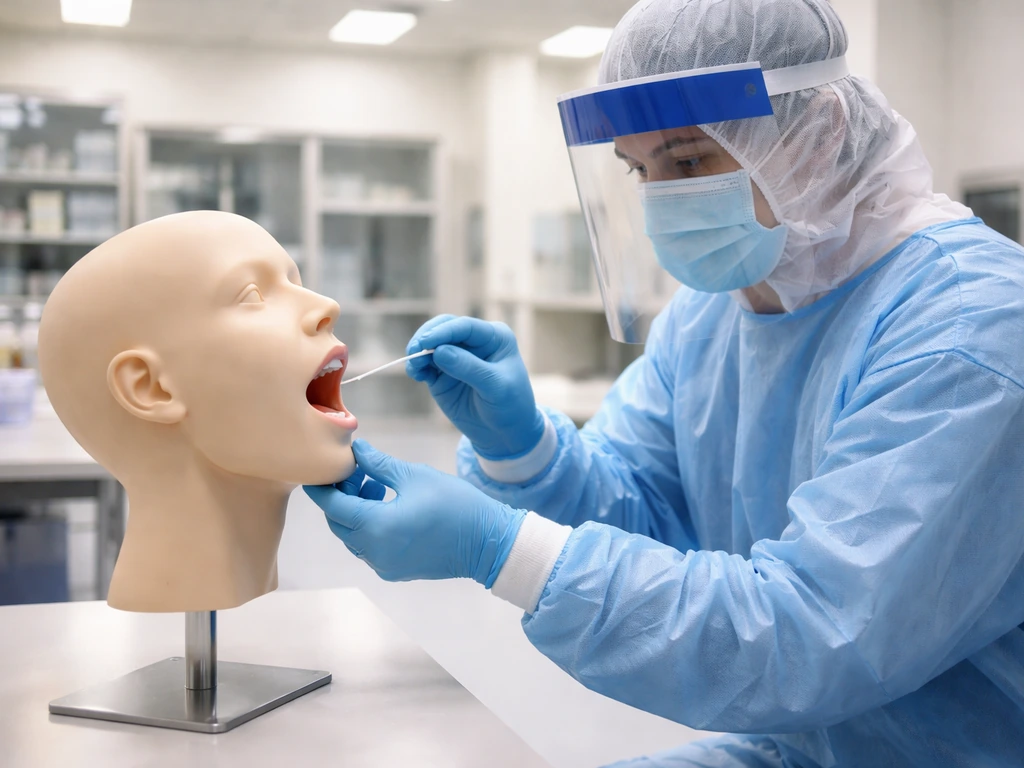
Where to Get Tested for Bird Flu: Human and Animal Options
Step-by-step guide to bird flu testing for people and animals, with who to contact, what tests, and what to ask.
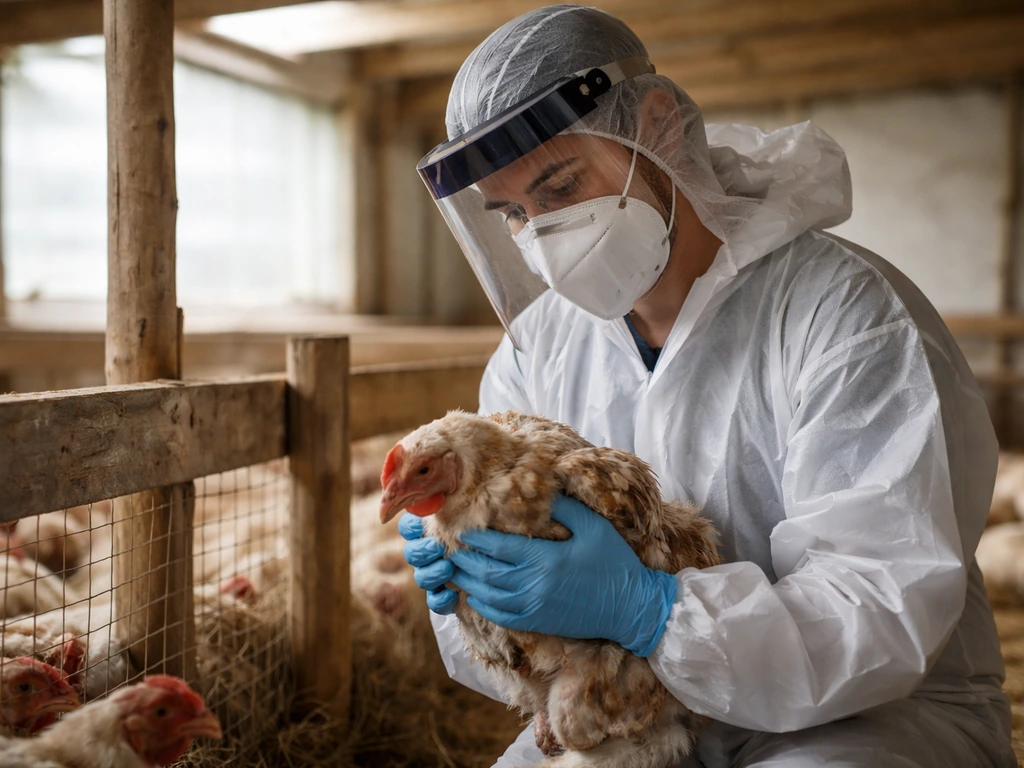
How to Diagnose Bird Flu: Signs, Suspicion, and Testing
Learn how to diagnose bird flu by spotting suspicious bird signs, documenting cases, reducing risk, and getting lab-conf
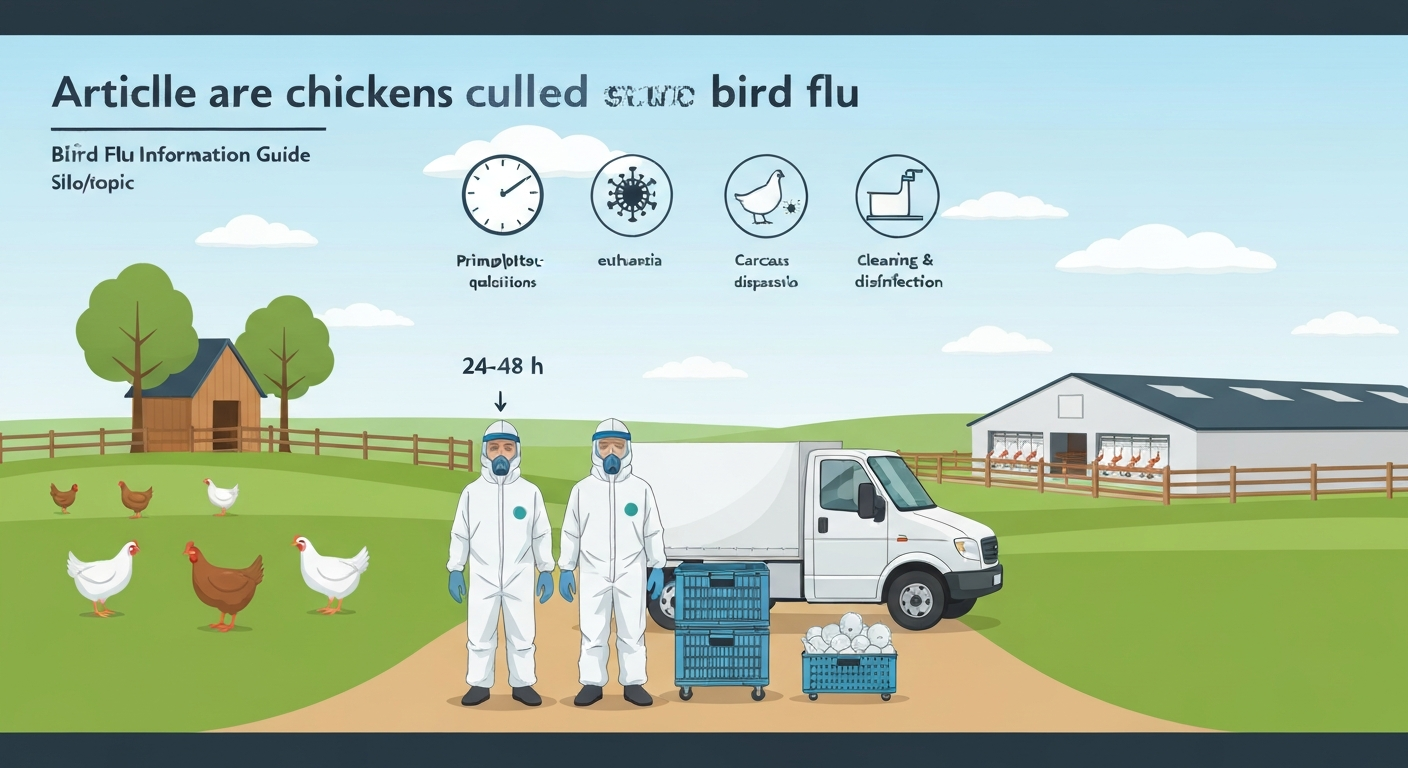
How Are Chickens Culled Bird Flu: Methods, Reasons & Steps
How are chickens culled during bird flu: why it’s done, humane methods, disposal, biosecurity, and next steps