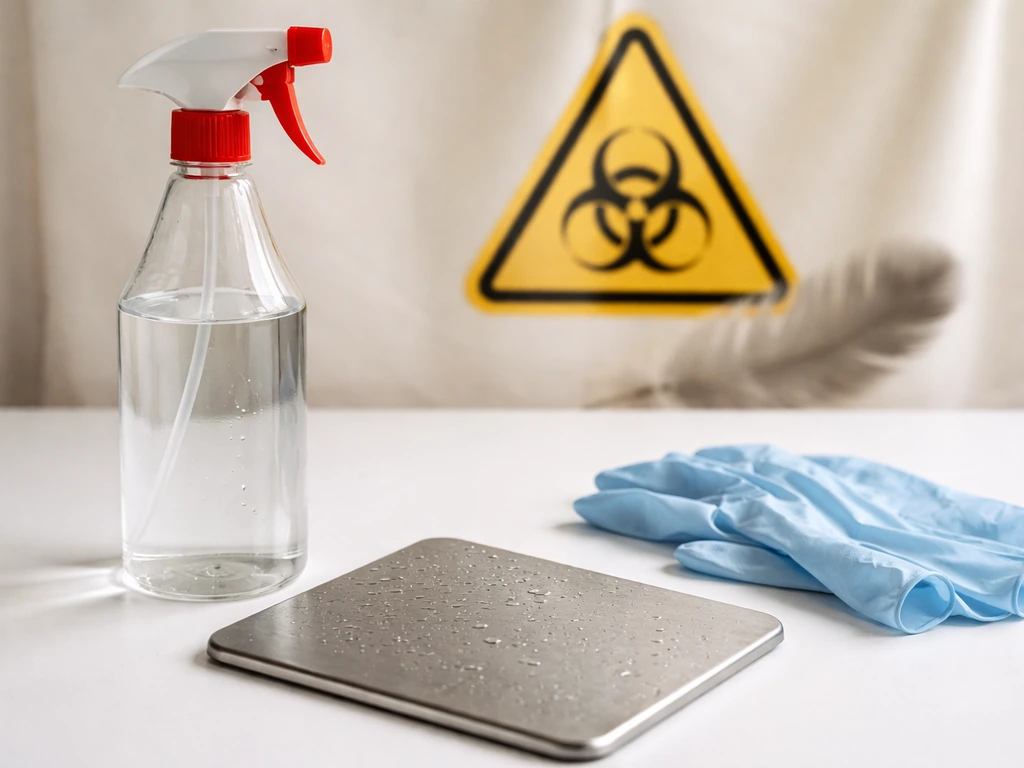
Yes, rubbing alcohol (isopropyl alcohol) can kill avian influenza virus, but with a few important caveats. It works best on clean, hard surfaces at concentrations of 60–80%, it needs enough contact time to actually inactivate the virus, and it is far less useful on dirty or porous surfaces. For skin, 70% isopropyl alcohol is a reasonable quick option, but thorough handwashing with soap and water is actually more reliable after direct poultry exposure. On its own, spraying rubbing alcohol around is not a substitute for a proper clean-then-disinfect workflow, and it is not what food safety experts recommend for making poultry or eggs safe to eat.
Does Rubbing Alcohol Kill Bird Flu? Safe Cleaning Steps

Maya Chen
3 Jul 2026
What bird flu is and why disinfectants can work against it
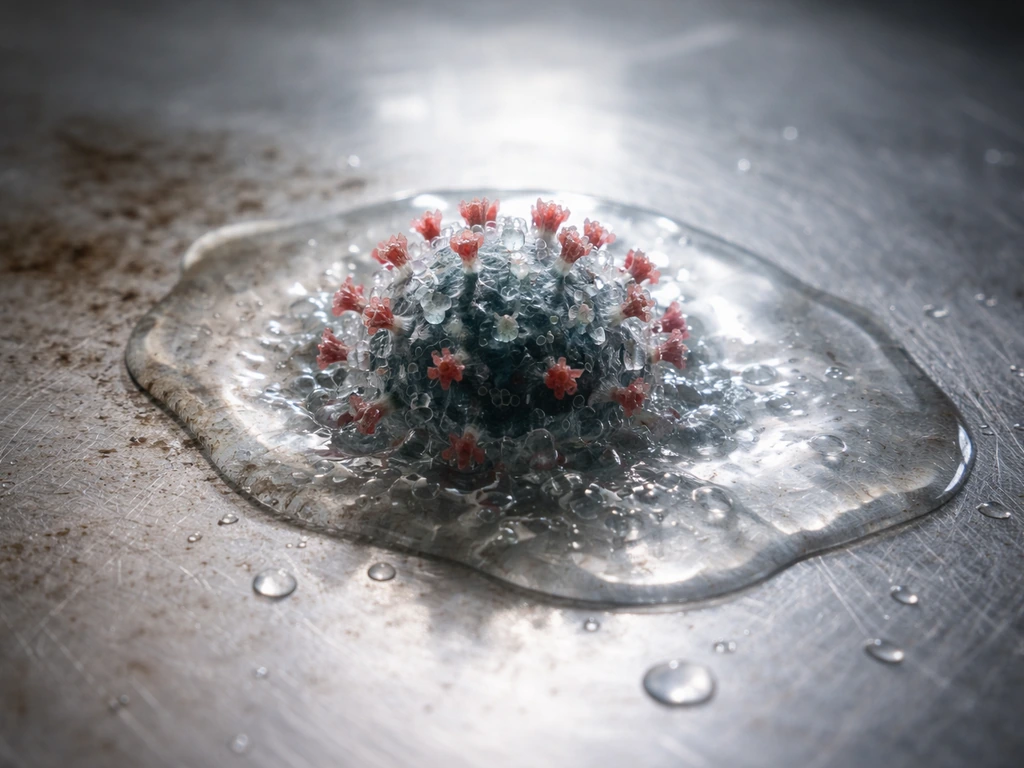
Bird flu refers to avian influenza viruses, which are influenza A viruses. They are classified by the proteins on their surface: hemagglutinin (H1–H16) and neuraminidase (N1–N9). The subtypes that have caused the most concern in humans, such as H5N1 and H7N9, mostly circulate in birds but can infect people who have close contact with infected poultry or contaminated environments. Understanding how disinfectants work against these viruses comes down to one key biological fact: avian influenza viruses are enveloped viruses.
Enveloped viruses have a lipid (fat-based) outer membrane that surrounds the viral particle. That envelope is their Achilles heel. Disinfectants that disrupt lipids, including alcohols, detergents, and many EPA-registered products, can destroy that membrane, effectively breaking apart the virus and stopping it from infecting cells. Non-enveloped viruses (like norovirus) are much tougher because they lack that vulnerable outer layer. Because influenza is enveloped, it is genuinely susceptible to alcohol, which is good news for practical disinfection.
Does isopropyl alcohol actually kill bird flu? What the evidence says
The short answer is: yes, under the right conditions. Peer-reviewed virology reviews confirm that both ethyl alcohol (ethanol) and isopropyl alcohol are effective against enveloped viruses, including influenza A. CDC's disinfection guidelines for healthcare settings cite ethyl alcohol at 60–80% concentration as capable of inactivating influenza virus and other lipid-coated (lipophilic) viruses. Isopropyl alcohol behaves similarly. The sweet spot for germicidal effectiveness is roughly 60–80% concentration. That standard 70% isopropyl rubbing alcohol you can buy at any pharmacy sits right in that range.
However, a few conditions have to be met. First, the surface needs to be reasonably clean. Organic matter (dirt, feces, feathers, dried mucus) physically shields the virus from the alcohol, dramatically reducing its effectiveness. Second, the alcohol needs to stay in contact with the surface long enough to work. A quick wipe that evaporates in three seconds is not the same as a proper wet contact time. Third, 100% isopropyl alcohol is actually less effective than 70% because pure alcohol evaporates too fast and does not penetrate as well. So the bottle you probably already have is the right tool, as long as you use it correctly.
It is also worth noting that while the evidence strongly supports alcohol's viricidal activity against influenza viruses in general, most official guidance for poultry environments and farms points to EPA-registered disinfectants with specific label claims against avian influenza A. Rubbing alcohol is not on EPA's List M (registered antimicrobial products effective against avian influenza) as a primary recommendation. EPA also maintains a separate “List M” resource with registered antimicrobial products that have effectiveness claims against avian influenza EPA List M (registered antimicrobial products effective against avian influenza). For home and skin use after incidental exposure, it is a reasonable tool. For people managing backyard flocks or responding to an active outbreak, EPA-registered products are the standard.
How to use rubbing alcohol safely: surfaces vs. skin
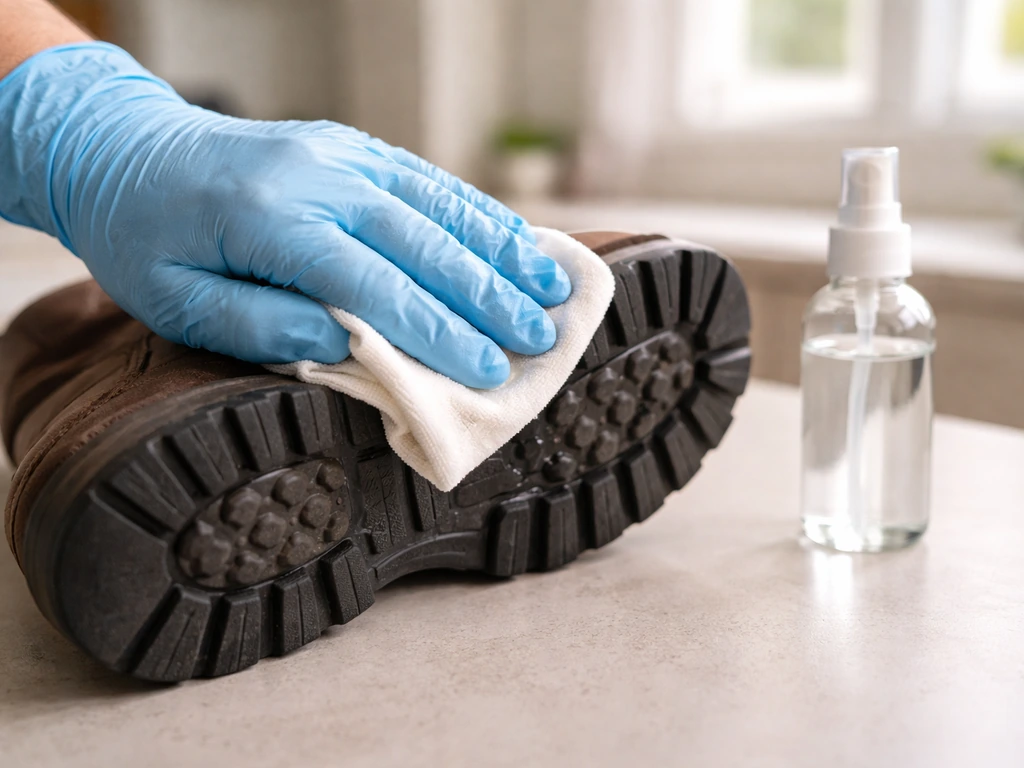
On hard surfaces
Rubbing alcohol can be used on hard, non-porous surfaces like countertops, tool handles, cage wire, or boot soles. The critical rule is: clean first, then disinfect. Apply soap or detergent and physically scrub the surface to remove visible dirt, feathers, droppings, or other debris. Rinse. Then apply your 70% isopropyl alcohol, either from a spray bottle or a pre-soaked cloth, and let the surface stay visibly wet for at least 30 seconds to a minute. Do not wipe it dry immediately. Let it air dry or follow the product's recommended contact time.
Work in a ventilated area. Isopropyl alcohol produces vapors that are flammable and irritating to the respiratory tract in enclosed spaces. Keep it away from open flames, and do not spray it near pilot lights or stove burners. Wear nitrile gloves if you are doing a thorough cleaning session, especially if the surfaces may be contaminated with bird droppings.
On skin
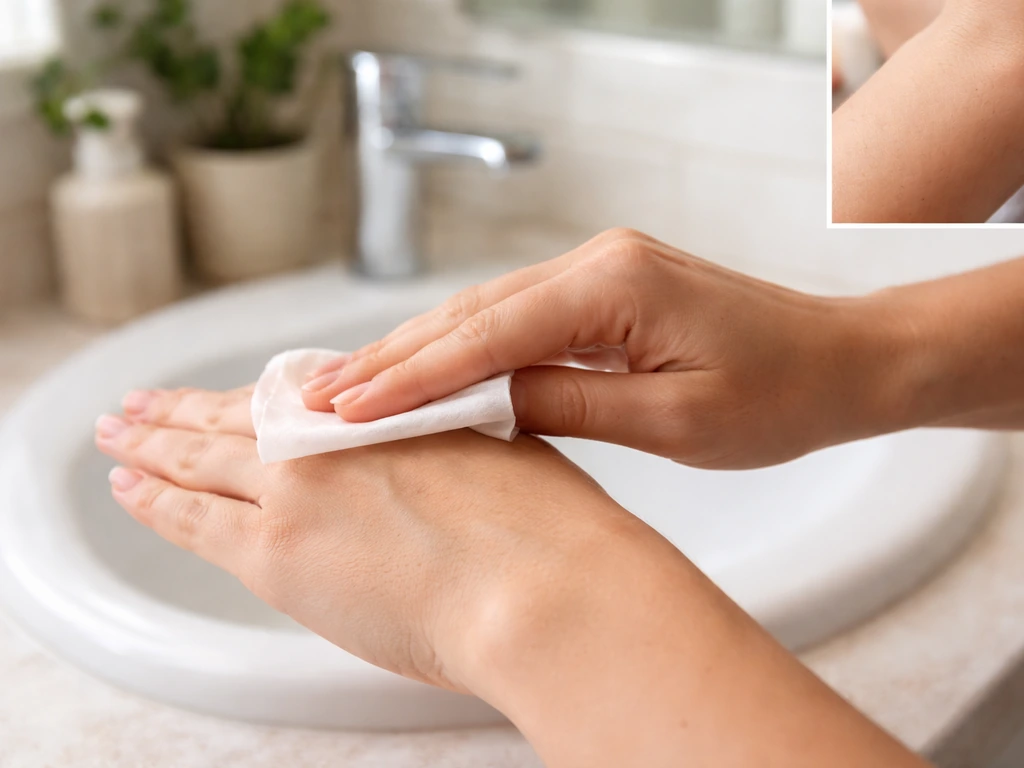
If you have handled birds or touched a potentially contaminated surface and do not have immediate access to soap and water, 70% isopropyl alcohol is a reasonable interim measure. But if you are wondering specifically about hand sanitizer, it can reduce influenza viruses on hands when it is used correctly, typically with enough product and contact time 70% isopropyl alcohol is a reasonable interim measure. Apply enough to thoroughly wet your hands and rub them together for at least 20–30 seconds, covering all surfaces including between fingers and under nails, then let dry. That said, soap and water is genuinely better for hands after poultry exposure. Soap physically lifts the virus off skin, which is a different and complementary mechanism from alcohol's chemical inactivation. If you can wash your hands with soap and water, do that first. Use rubbing alcohol when soap and water are not available or as an additional step.
Do not use rubbing alcohol on open cuts or wounds, eyes, or mucous membranes. And do not spray it on the inside of your nose or mouth in some misguided attempt to prevent infection. That does nothing useful and can cause real harm.
Cleaning and disinfection after poultry exposure: a practical workflow
Whether you have handled a sick backyard chicken, visited a farm, or found a dead wild bird, the cleanup process follows the same logical sequence. CDC and USDA both emphasize a clean-first, disinfect-second approach. The CDC home-cleaning workflow recommends cleaning with soap or detergent to remove dirt and germs, then disinfecting with an EPA-registered disinfecting product (or an appropriate bleach solution) and following the product label contact time CDC and USDA both emphasize a clean-first, disinfect-second approach.. Skipping the cleaning step and going straight to spraying alcohol is a common mistake that leaves you with a shiny, disinfected layer of dirt sitting on top of a potentially contaminated surface.
- Put on PPE before touching anything: disposable gloves, a face mask (ideally N95 if available), eye protection, and boots or shoe covers you can clean afterward. Do not wear this PPE inside your home before it has been cleaned.
- Remove and bag any disposable items (gloves, masks, paper towels) in a sealed plastic bag before going inside.
- Clean all surfaces (cages, tools, outdoor footwear, work clothing) with soap or detergent and water. Scrub off all visible organic matter. Rinse thoroughly.
- Apply a disinfectant. For critical areas or active outbreaks, use an EPA-registered product with a label claim against avian influenza A (check EPA List M). For lower-risk home situations, 70% isopropyl alcohol on hard non-porous surfaces is reasonable. Follow the product's contact time.
- Wash your hands with soap and water for at least 20 seconds, paying attention to between fingers and under nails. Then apply an alcohol-based hand rub as an additional step if you like.
- Wash any clothing worn during contact in hot water with laundry detergent. Shower and change clothes.
- Monitor yourself for symptoms (fever, cough, difficulty breathing, eye irritation) for 10 days after the exposure.
For backyard flock owners dealing with a suspected or confirmed bird flu case, contact your state veterinarian or USDA APHIS. They can provide specific protocols, and in confirmed outbreak situations, the disinfection requirements go beyond what rubbing alcohol alone can accomplish.
Food safety: can alcohol make poultry or eggs safer to eat?
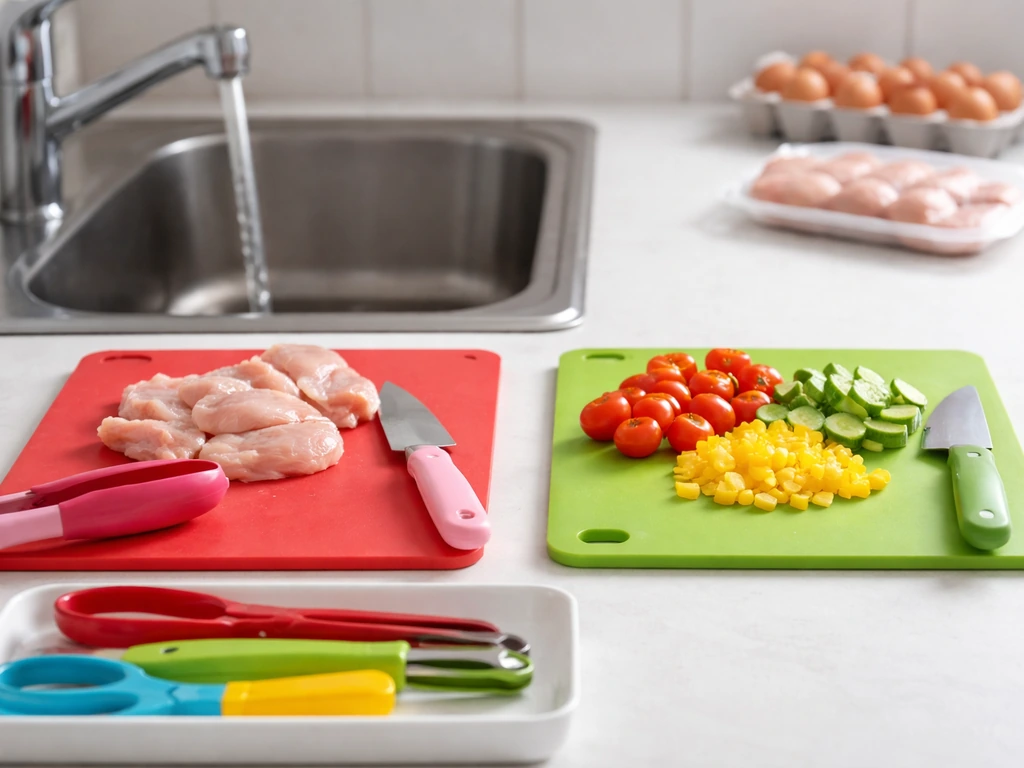
No. If you are trying to kill bird flu on surfaces, alcohol can work only when the surface is clean and there is enough wet contact time. Rubbing alcohol is not a food safety tool for poultry or eggs, and trying to use it that way would be both ineffective and potentially harmful. The right answer here is heat. Cooking poultry to a safe internal temperature kills avian influenza A viruses, and both the CDC and WHO are very clear on this: there is no evidence that properly cooked poultry or eggs transmit avian influenza to humans. Egg dishes should reach 160°F (71°C) internally. Whole poultry should reach 165°F (74°C).
For egg handling before cooking, the risk comes from cross-contamination: touching the shell and then touching your face or food prep surfaces without washing your hands. Standard food safety habits handle this well. Wash your hands after handling raw eggs or poultry. Clean and sanitize cutting boards and countertops with soap and water followed by a food-safe disinfectant. Do not try to spray rubbing alcohol on eggshells as a virus-killing measure. It will not reliably penetrate the shell, it is not food-safe, and you still need to cook the egg properly anyway.
What rubbing alcohol cannot do, and when other disinfectants are better
Alcohol has real limitations worth knowing. It does not clean. It cannot penetrate organic matter. It evaporates quickly, so contact time is short and hard to control on large surfaces. It is flammable, which limits its use in certain settings. And it is not the right choice for porous surfaces (fabric, wood, soil) where the virus may be embedded in a way alcohol cannot reach.
For high-risk environments, including poultry farms, barns, or any situation involving confirmed bird flu, EPA-registered disinfectants with proven label claims against avian influenza A viruses (EPA List M and List Q for emerging viral pathogens) are the standard. Products in these categories have been tested and registered specifically for effectiveness against avian influenza on hard, non-porous surfaces. Bleach solutions (typically 1 part bleach to 9 parts water) are another well-established option for many surfaces when used according to directions. The key point is to always follow the product label, including dilution ratio, contact time, and surface type, because using a product incorrectly does not count as effective disinfection.
| Disinfectant | Good for | Limitations | Bird flu rating |
|---|---|---|---|
| 70% isopropyl alcohol | Clean hard surfaces, skin (interim), small tools | Needs clean surface first, flammable, short contact time, no food use | Effective on clean surfaces |
| EPA List M registered product | Poultry farms, cages, hard surfaces in outbreak settings | Must follow label exactly, varies by product | Specifically validated against avian flu |
| Bleach solution (1:9) | Hard non-porous surfaces, floors, boots | Corrosive, degrades with time, do not mix with other chemicals | Effective, well-established |
| Soap and water | Hands, clothing, general cleaning step | Cleans but does not fully disinfect; must follow with disinfectant | Essential first step, not sufficient alone |
| Hand sanitizer (60%+ ethanol) | Hands when soap unavailable | Less effective on visibly soiled hands | Reasonable for hands only |
If you are comparing options, soap and water should always come first as the cleaning step. For hands, soap and water beats alcohol alone in most situations involving real-world contamination. Washing your hands is important for reducing the risk of spreading bird flu germs, but it is not a substitute for proper disinfection and safety precautions soap and water beats alcohol alone in most situations involving real-world contamination.. Hand sanitizer and rubbing alcohol are useful when soap is not immediately available. For surfaces in genuine outbreak contexts, reach for an EPA-registered product, not just rubbing alcohol.
When to call a doctor or public health authority
If you have had direct contact with sick or dead birds, or with surfaces heavily contaminated by bird droppings or secretions, watch yourself closely for 10 days. The symptoms to monitor for include fever (above 100.4°F / 38°C), cough, sore throat, shortness of breath, and eye redness or discharge. Muscle aches, fatigue, and gastrointestinal symptoms can also appear.
If any of those symptoms develop within that 10-day window after a potential bird flu exposure, contact your doctor and tell them specifically about the bird contact. Do not just show up at an emergency room without calling ahead. Your local or state health department is also the right call, and they can connect you to the right testing and guidance quickly. In the US, you can call CDC's public inquiry line or your state health department. Act sooner rather than later: antiviral treatment (oseltamivir/Tamiflu) is most effective when started early, ideally within 48 hours of symptom onset.
If you manage a backyard flock and birds are dying unexpectedly or showing neurological symptoms, report it to your state veterinarian or USDA APHIS immediately. Do not wait to see if more birds become ill. Early reporting triggers a response that protects both your remaining flock and the broader poultry community. Disinfection measures, including the right EPA-registered products, will be part of that response protocol.
The bottom line is practical: rubbing alcohol is a useful, accessible tool that genuinely works against bird flu virus on clean surfaces and as a hand sanitizer in a pinch. If you are wondering specifically whether vinegar can inactivate bird flu, the key takeaway is that you should not rely on vinegar as a disinfectant for this virus. It is not magic, and it is not a substitute for the clean-then-disinfect workflow, proper cooking, or professional-grade EPA-registered disinfectants in high-risk settings. Use it as one piece of a sensible prevention plan, not as the whole plan.
FAQ
Can I use rubbing alcohol to disinfect after cleaning bird droppings or feathers on my boots or tools?
Yes, on hard non-porous items you can clean first with soap or detergent, then apply 70% isopropyl alcohol and keep the surface visibly wet for about 30 to 60 seconds. Don’t rely on alcohol if material is dried or caked on, scrape or scrub it off first, and let items fully air-dry before reuse.
How long do I need to leave rubbing alcohol on a surface for it to work against bird flu?
Aim for the surface to stay visibly wet long enough, roughly 30 seconds to 1 minute for typical disinfection use. If the alcohol dries faster than that, you likely need to reapply or use a pre-soaked cloth to maintain contact time.
Is 100% isopropyl alcohol just as effective as 70% for killing bird flu on surfaces?
Not usually. Pure isopropyl tends to evaporate too quickly and can be less effective than 70% because the lower concentration helps provide better contact and virus disruption. If you have a choice, use 60% to 80%, commonly the 70% bottle.
What if the surface is still a bit dirty after I wipe it once, can I just spray rubbing alcohol again?
Better not. Alcohol works best when the surface is reasonably clean, organic material can shield the virus. Do a proper clean-then-disinfect workflow, scrub or wipe with detergent first, then disinfect, otherwise you can end up disinfecting dirt instead of the virus.
Can I mix rubbing alcohol with bleach or other cleaners to boost effectiveness?
Don’t mix products. Alcohol with other cleaners can create irritating fumes or reduce effectiveness, and it may damage surfaces. Use one disinfectant at a time, follow the label, and if you switch products, rinse according to directions before applying the next one.
Is hand sanitizer the same as rubbing alcohol for bird flu protection?
They can overlap, but hand sanitizer is formulated to be used as a hand treatment with specific amounts and rub time. For influenza-type viruses, alcohol-based products generally work when hands are thoroughly wetted and rubbed for at least 20 to 30 seconds, covering fingertips, between fingers, and under nails.
If I disinfect my hands with rubbing alcohol, do I still need to wash with soap and water after bird exposure?
In most real-world poultry exposure situations, yes. Soap and water is more reliable because it physically removes contamination from skin. Use alcohol when soap and water are not immediately available, then wash as soon as you can.
Can I disinfect eggshells or the outside of eggs with rubbing alcohol before cooking?
It’s not a good idea to treat eggshells with rubbing alcohol as a virus-killing step. The better approach is careful handling, wash hands after touching raw eggs, avoid touching your face, and rely on proper cooking and standard kitchen sanitation to prevent cross-contamination.
Is it safe to spray rubbing alcohol around the coop or barn air as a “fog” to kill bird flu?
No. Spraying alcohol into the air doesn’t reliably disinfect contaminated surfaces, and it increases fire and inhalation risks. Focus on cleaning visible contamination and disinfecting hard non-porous surfaces with the right product and contact time.
Where should I avoid using rubbing alcohol during bird cleanup?
Avoid using it on open cuts, eyes, and mucous membranes, and do not apply it to the inside of the nose or mouth. Also avoid porous materials like fabric, wood, or soil where the virus may be embedded and alcohol contact may be ineffective.
If I’m dealing with a suspected outbreak, when should I stop using rubbing alcohol and switch to EPA-registered disinfectants?
If bird flu is suspected or confirmed and you need outbreak-style disinfection, follow official protocols and use EPA-registered products with specific claims for avian influenza on hard, non-porous surfaces. Alcohol can be an interim tool for low-risk, incidental cleaning, but it is not the standard for outbreak response.
After disinfecting, how should I dispose of cloths or paper towels used with rubbing alcohol?
Handle them as contaminated waste. Put used wipes and gloves in a sealed bag before disposal, and wash your hands afterward. Avoid reusing cloths that touched droppings or secretions unless you launder them separately per safe hygiene practices.
Next Article
Does Alcohol Kill Bird Flu? What Works and What Doesn’t
Alcohol can disinfect surfaces, but it does not kill bird flu in the body. Learn safe prevention, cleanup, and food safe