
Vinegar is not a reliable disinfectant for bird flu. Some lab studies show that acetic acid (the active component in vinegar) can reduce influenza A virus viability under specific, controlled conditions, but those conditions are nothing like what you get when you splash white vinegar on a countertop. For real-world disinfection after potential bird flu exposure, you need an EPA-registered disinfectant with a specific label claim for avian influenza A, not a pantry staple. Vinegar has its uses in the kitchen, but replacing a validated antiviral product is not one of them.
Does Vinegar Kill Bird Flu? Evidence and Safe Steps

Maya Chen
1 Jun 2026
What the evidence actually says about vinegar and bird flu
The science here is worth unpacking because it is genuinely nuanced. Several published studies have looked at acetic acid and influenza viruses, and the results are mixed in a way that matters. One study noted that 5% acetic acid has been shown to inactivate an avian influenza A/H7N2 strain, and another found that dilute acetic acid solutions can reduce the viability of influenza A/H1N1 on surfaces. That sounds promising, but the caveats are significant.
First, vinegar's virucidal activity is highly pH-dependent. Research specifically studying weak-acid virucidal effects found that outcomes depend strongly on the final effective pH and concentration, not just pouring something from a bottle. Influenza is an enveloped virus, which means it is somewhat more vulnerable to chemical attack than non-enveloped viruses, but that does not mean any acid at any dilution will do the job. Second, a study on SARS-CoV-2 (another enveloped respiratory virus) found vinegar, even at high concentrations and with short contact times, failed to inactivate the virus reliably. That is a comparable virus in terms of structural vulnerability, and vinegar still fell short. Third, research on surface-dried viruses shows that once a virus dries onto a surface, it becomes harder to inactivate, and contact-time requirements become critical. Standard household vinegar use does not account for any of this.
The bottom line from the lab data: vinegar might reduce some viral load under ideal conditions, but it has not been validated for real-world disinfection of avian influenza on surfaces. No EPA label claim, no verified contact time, no standardized concentration protocol. That is the gap between a research observation and a product you can trust to protect you.
How bird flu actually spreads and where the real risk is
Understanding transmission helps you focus your effort in the right places. Both the CDC and WHO agree that the primary risk factor for human infection with avian influenza is direct exposure to live or dead infected birds), their droppings, saliva, or mucus, or environments heavily contaminated by those animals, such as live bird markets or poultry farms. This is not a disease you typically pick up from a surface you casually walked past.
The transmission chain usually looks like this: a person handles an infected bird or contaminated material, then touches their mouth, eyes, or nose before washing their hands. CDC data backs this up, noting that infections typically happen after close, prolonged, unprotected contact with infected birds. Eye redness and irritation (conjunctivitis) has been a prominent symptom in many recent U.S. cases, which makes sense given that the eyes are a common entry route when people touch their face after handling birds. Person-to-person spread remains rare and is not the main concern for most people reading this.
People can also be exposed through shared water sources or feed contaminated by infected wild birds, and through contact with contaminated surfaces in environments where infected birds have been present. The CDC specifically advises avoiding touching surfaces or materials contaminated with bird saliva, mucus, or feces. That is the core of the risk picture: it is really about what you touch and whether you wash your hands before touching your face.
Safe cleaning and hygiene steps after bird or poultry exposure
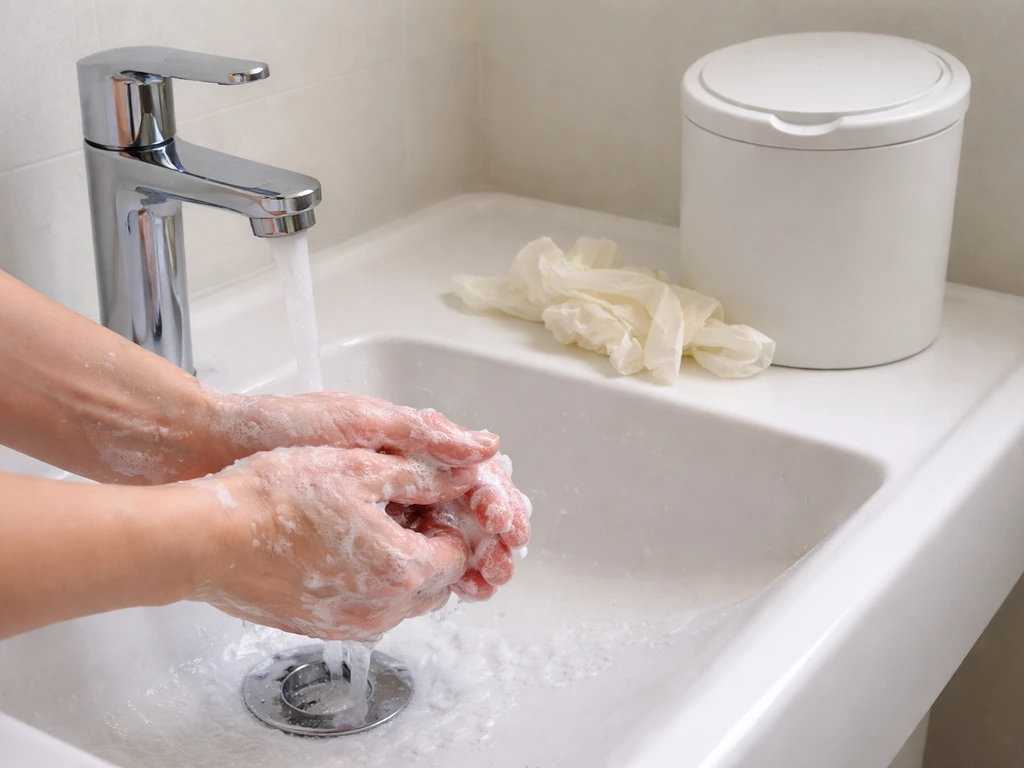
If you have handled birds, poultry, or anything in their environment, the single most important thing you can do is wash your hands with soap and water. This is not a throwaway tip. Soap physically removes and inactivates virus particles from skin in a way that vinegar cannot replicate reliably. If soap and water are not available, a hand sanitizer is a reasonable temporary measure, though soap and water is always preferred for this kind of exposure. Hand sanitizer is different from rubbing alcohol for killing viruses, so it is not the same as an EPA-registered disinfectant with a specific avian influenza claim. A common question is whether hand sanitizer kills bird flu, and the guidance is to use soap and water whenever possible.
Handwashing should happen after touching birds directly, after handling bird droppings, food and water dishes, toys, cage materials, or any equipment that has been in contact with birds. Avoid touching your eyes, mouth, or nose while working around birds, and if you do, wash your face and hands immediately.
For surface cleaning in a space where infected or potentially infected birds have been, the CDC's guidance is clear and specific: clean first with soap and water to remove visible dirt and organic material, then disinfect with an EPA-registered disinfectant that has a label claim specifically for avian influenza A viruses. The cleaning step before disinfection matters because organic material (like feces or mucus residue) can shield the virus and reduce a disinfectant's effectiveness. This two-step approach is what public health agencies recommend, and it is meaningfully different from just wiping something down with vinegar.
Food safety: does vinegar help, and what actually protects you
Some people worry about bird flu in the food supply and wonder whether marinating chicken in vinegar or rinsing poultry with it before cooking adds a safety layer. It does not, and here is why. Alcohol has also not been shown to reliably kill bird flu viruses on surfaces, so you should not rely on it for disinfection does alcohol kill bird flu. Cooking is the real safeguard. Avian influenza viruses are inactivated by proper cooking temperatures. Poultry cooked to an internal temperature of 165°F (74°C) throughout is safe to eat, and properly cooked poultry carries negligible risk from bird flu. No marinade or rinse changes that equation.
Rinsing raw poultry with vinegar or water actually introduces its own risk by splashing potentially contaminated liquid around your sink and nearby surfaces. The cross-contamination risk from handling raw poultry is more practically significant than the virus itself at cooking temperatures. Wash your hands thoroughly after handling raw poultry, keep raw meat away from other foods and surfaces, use separate cutting boards, and cook to the right temperature. That is a complete food safety approach for bird flu.
What to use instead: disinfectants that actually work
The EPA maintains a specific list of registered antimicrobial products effective against avian influenza, known as List M. These are the products you want. Each product on the list has verified label claims specifically for avian influenza A viruses on hard, non-porous surfaces. The list includes active ingredient classes such as quaternary ammonium compounds and hydrogen peroxide-based products, each with a defined contact time (the number of minutes the surface must remain visibly wet) and compatible surface types.
When choosing a product, look for one that explicitly states disinfection against "avian influenza A" on the label, not just a general "kills viruses" claim. Follow the label directions exactly: dilution ratios, application method, contact time, and any safety precautions for ventilation or personal protective equipment. USDA APHIS reinforces this point for farm and animal-disease contexts, noting that disinfectants must be used strictly according to their approved labels to be effective.
| Approach | Effective for Bird Flu? | Best Use Case | Key Limitation |
|---|---|---|---|
| Household vinegar (5% acetic acid) | Not reliably, not validated | None for disinfection purposes | No EPA label claim; pH and contact conditions uncontrolled |
| Soap and water | Yes, for hands and pre-cleaning surfaces | Handwashing; removing organic debris before disinfection | Does not replace a validated disinfectant for surfaces |
| EPA List M disinfectant (e.g., quaternary ammonium) | Yes, when used per label | Hard non-porous surface disinfection | Must follow exact contact time and dilution on label |
| Hydrogen peroxide-based disinfectant | Yes, when used per label | Hard non-porous surface disinfection | Check label specifically for avian influenza A claim |
| Proper cooking (165°F / 74°C internal) | Yes, fully inactivates virus in food | Poultry and eggs for human consumption | Does not apply to environmental surface disinfection |
One practical note: never mix bleach with vinegar or ammonia-based cleaners. The combination produces toxic fumes and does not improve disinfection. If you are using multiple cleaning products, use them separately and ventilate the area well. This is a common and potentially dangerous mistake when people improvise cleaning solutions.
When to worry and what to do if you have been exposed
Most people who handle backyard chickens, go birdwatching, or encounter wild birds are at very low risk of bird flu infection, especially if they practice basic hygiene. The risk rises significantly if you have had close, unprotected contact with birds that were sick or dying, handled carcasses without protective equipment, or worked in an environment with a confirmed outbreak (like a commercial poultry facility during an active case).
Watch for symptoms in the days following a higher-risk exposure. CDC data from recent U.S. cases identifies eye redness and irritation (conjunctivitis) as a prominent early sign, alongside more typical flu-like symptoms including fever, cough, sore throat, runny nose, muscle aches, and in more serious cases, difficulty breathing. Gastrointestinal symptoms have also been reported.
If you develop any of these symptoms after a known or suspected exposure to infected birds or their environment, do not just wait and see. Call your healthcare provider before going in, mention the exposure clearly, and follow their guidance. You should also contact your local or state health department, which can help coordinate testing and monitoring. The CDC recommends reaching out to public health resources any time you have had close contact with infected birds or surfaces contaminated by them, even if you feel fine initially.
WHO guidance adds that people in outbreak-affected areas should take precautions proactively and seek medical care promptly after any exposure to infected settings, not just after symptoms appear. Staying current on outbreak status in your region is worthwhile if you work with poultry or spend significant time around wild birds.
Putting it all together: what actually protects you
Vinegar is a useful kitchen and household product, but it belongs in your salad dressing, not in your bird flu risk-reduction toolkit. The evidence for it as a reliable disinfectant against avian influenza does not hold up under real-world conditions, and there are well-validated alternatives that do. Wash your hands with soap and water after any bird contact. Use an EPA List M disinfectant for surface cleaning in potentially contaminated areas, following the label to the letter. Cook poultry to 165°F. Avoid touching your face after handling birds. And if you have had significant exposure and symptoms develop, call your provider and your local health department. That combination of steps is what the evidence actually supports.
FAQ
If I already wiped a surface with vinegar, should I re-clean it with something else?
Yes. Vinegar is not a validated disinfection step for avian influenza surfaces. If the area might be contaminated, clean off visible dirt first (soap and water), then use an EPA-registered disinfectant that lists effectiveness against avian influenza A, and keep the surface visibly wet for the label contact time.
What concentration of vinegar would be needed to be effective against bird flu?
There is no safe, household-reliable “vinegar concentration” you can pick. Research effects depend on precise concentration, final pH, and contact time on a particular surface, conditions that regular countertop use does not control. Use a product with an explicit avian influenza A label claim instead.
Does vinegar kill bird flu on porous materials like fabric, wood, or soil?
Not reliably. Avian influenza disinfectant claims on label directions are typically for hard, non-porous surfaces. Porous items often need removal and proper laundering or discarding, rather than wiping with vinegar.
Can I use diluted vinegar if I cannot find an EPA-registered disinfectant?
You should still avoid relying on vinegar. In the absence of a validated disinfectant, the best immediate risk reduction is thorough removal of contamination (soap and water for visible mess) plus limiting contact and improving hand hygiene, then obtain an appropriate EPA-labeled product as soon as possible.
What if I only have vinegar and soap, can I skip the disinfectant step?
Soap and water can help remove organic material, which is important, but removal is not the same as disinfection for bird flu. The recommended approach for potentially contaminated areas is the two-step method, clean first with soap and water, then disinfect with an EPA-registered avian influenza A product.
Is vinegar safer than bleach for cleaning bird droppings?
Vinegar should not be treated as a disinfectant substitute. Bleach can be effective when used correctly, but never mix bleach with vinegar or ammonia cleaners. If you use bleach, follow preparation and dwell time guidance from the product label or an official cleaning protocol, and ventilate well.
How long does vinegar need to stay wet to work?
Vinegar does not have a validated “contact time” for reliably inactivating avian influenza on typical household surfaces. Disinfectants approved for avian influenza A come with a specific dwell time on the label, and you should follow that instead of guessing.
Does vinegar work better if I spray it and let it sit, instead of wiping immediately?
Even letting it sit does not make vinegar a validated disinfectant for this purpose. Organic residue, surface type, and pH-dependent effects can still prevent reliable inactivation, so label-approved products are the safer choice.
Could vinegar be helpful for smell control around chickens even if it is not disinfecting?
It can help reduce odor, but odor control is not the same as killing virus. If birds were potentially infected or the area has droppings or mucus, use the correct clean-then-disinfect process and treat vinegar only as a non-disinfecting adjunct if you choose to use it.
If I marinated chicken in vinegar, does it reduce my risk compared with plain cooking?
No. Bird flu risk is addressed by proper cooking, not by vinegar rinses or marinades. Cook poultry thoroughly to an internal temperature of 165°F (74°C), and avoid cross-contamination with raw juices.
What’s the biggest mistake people make when trying vinegar for bird flu cleanup?
The main mistake is treating vinegar as a stand-in for a disinfectant, skipping both cleaning-first and using an EPA-labeled product with the required contact time. Another common error is using it as a spray that spreads contamination, especially when rinsing or handling raw poultry.
When should I seek medical advice after possible bird flu exposure?
If you had close or unprotected contact with sick or dying birds, carcasses, or contaminated environments, monitor for symptoms and contact a healthcare provider promptly if symptoms appear. Mention the specific exposure, especially any eye irritation like conjunctivitis, and consider notifying your local health department as well.