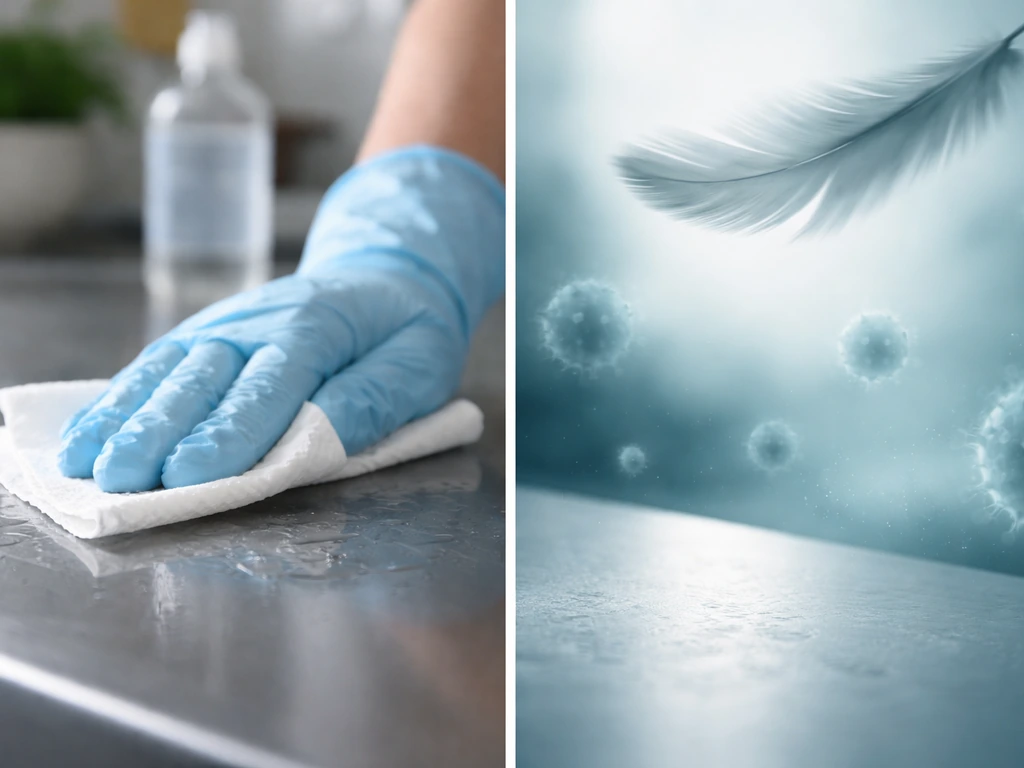
Yes, washing your hands with soap and water is one of the most effective things you can do to reduce bird flu risk after contact with infected birds or contaminated materials. Soap physically disrupts the lipid membrane that surrounds influenza viruses (bird flu included), essentially breaking the virus apart, while the mechanical scrubbing and rinsing lifts and removes viral particles from your skin. Scrub for at least 20 seconds, rinse thoroughly, and dry your hands. That simple process significantly reduces the amount of infectious virus on your hands. It won't sterilize every contaminated surface in your environment, but for the most common route of exposure (getting virus on your hands and then touching your face), soap and water done correctly is highly reliable. Rubbing alcohol is not the recommended primary method for bird flu prevention on hands, and soap and water are the reliable option rubbing alcohol kill bird flu.
Does Soap and Water Kill Bird Flu? Safe Cleaning Steps

How bird flu actually spreads (and why handwashing is so relevant)
Bird flu (avian influenza, particularly the H5N1 strain circulating right now) doesn't spread the way a typical cold does. You're not likely to catch it just by walking past a sick chicken. The main risk comes from direct or close contact with infected birds, their droppings, secretions, or heavily contaminated materials like bedding, feed, and water. People who have gotten infected have typically been handling sick or dead poultry, working in live bird markets, or in close contact with infected animals over time.
That transmission route is exactly why hand hygiene matters so much. If virus-containing material gets on your hands and you then touch your eyes, nose, or mouth, that's a credible exposure pathway. Studies have shown that influenza A virus can survive on human hands for up to about an hour under certain laboratory conditions with high viral loads. That's long enough for accidental self-inoculation to happen before you even realize you should wash up. The good news is that this also means washing your hands promptly after contact interrupts that chain before it can cause harm.
How to wash your hands correctly after bird contact
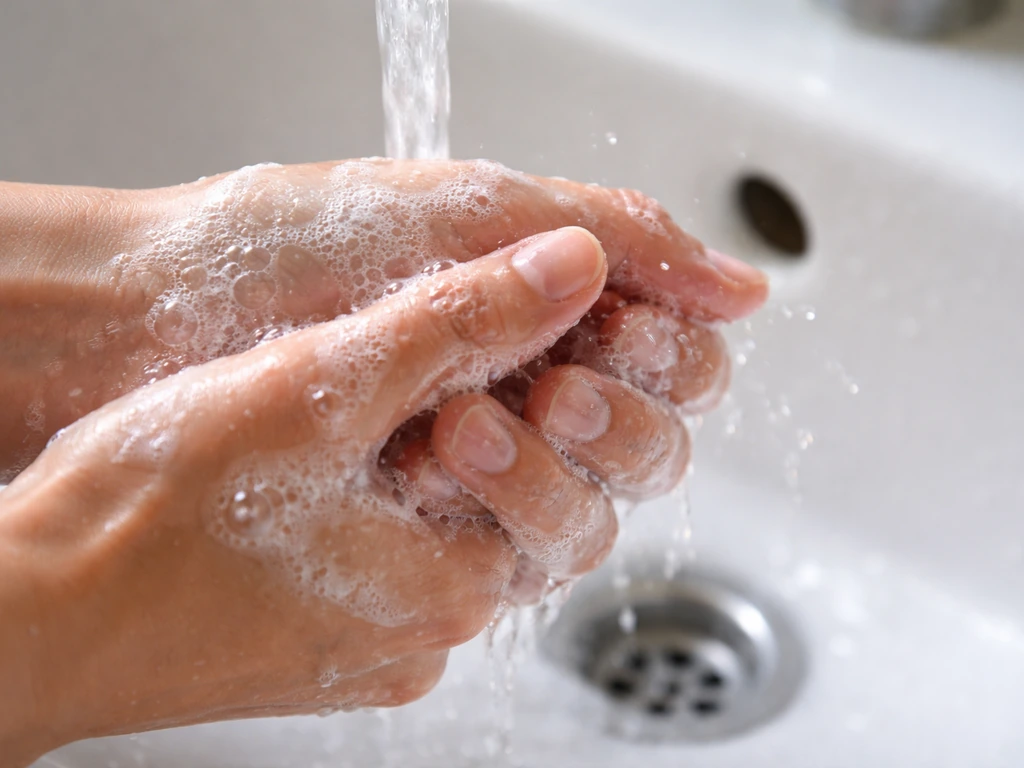
The CDC's guidance is clear and the technique actually matters. Here's the step-by-step process to do it right:
- Wet your hands with clean, running water (warm or cold, either works).
- Apply enough soap to cover all surfaces of both hands.
- Lather by rubbing your hands together, getting the backs of your hands, between your fingers, and under your nails.
- Scrub for at least 20 seconds. That's roughly the time it takes to hum 'Happy Birthday' twice. This scrubbing time is not optional — the physical mechanical action is part of what destroys and removes viruses.
- Rinse thoroughly under running water.
- Dry with a clean towel or air dry.
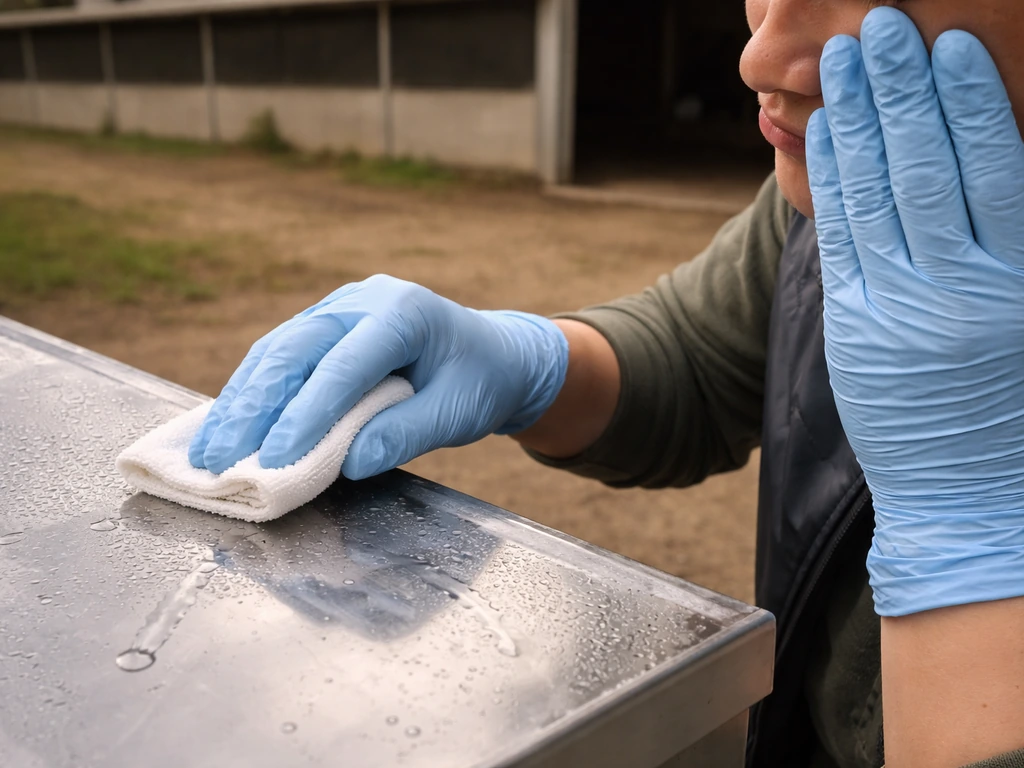
After working with birds, gloves, or potentially contaminated equipment, wash your hands before you touch your face, eat, drink, or handle anything in your home environment. If you wore disposable gloves, remove them carefully (peel from the wrist, avoiding touching the outer surface), then wash your hands immediately after removal. Don't assume the gloves kept everything out, gloves can have small defects, and the removal process itself can transfer contamination.
Cleaning vs. disinfecting: surfaces, clothes, and post-exposure cleanup
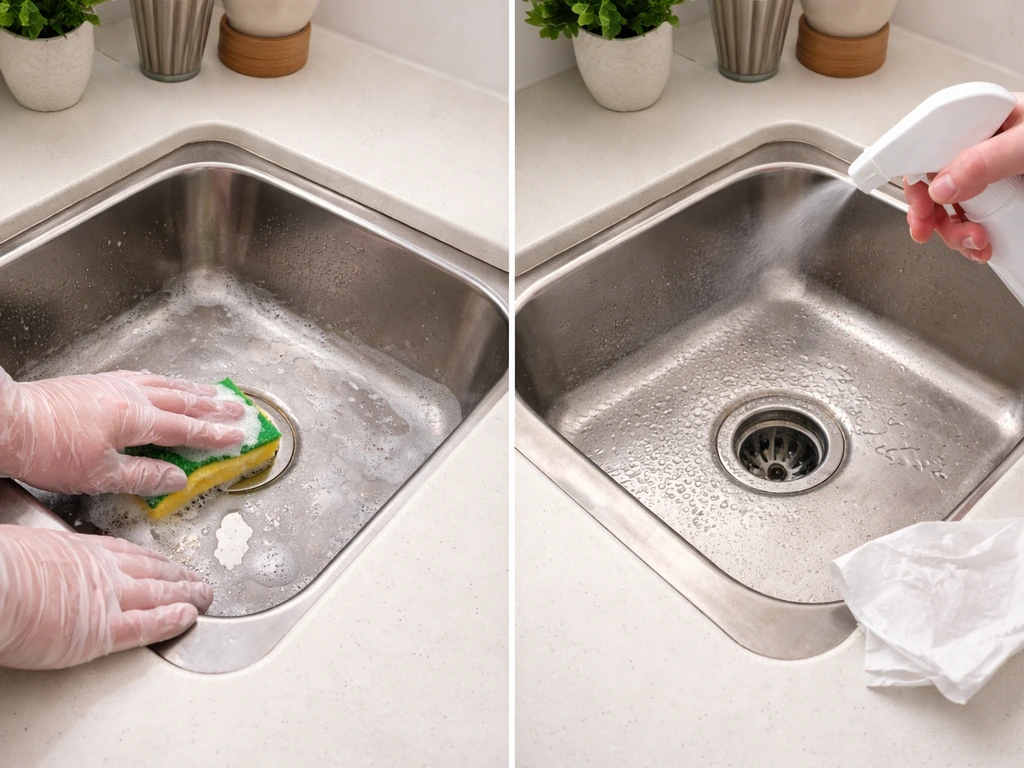
On hands, soap and water are doing two jobs at once: removing virus physically and inactivating it chemically. On surfaces and objects, those two jobs need to happen in sequence, and skipping the first step undermines the second.
Cleaning first means removing visible dirt, organic matter, and debris with soap and water before you apply any disinfectant. There is no evidence that vinegar kills bird flu, so you should rely on proper cleaning and EPA-registered disinfectants instead v inger. This step is critical because organic material (like fecal matter, mud, or blood) can shield the virus from the disinfectant and render it far less effective. The CDC specifically instructs that for items potentially contaminated with bird flu, you should clean until visible dirt is removed, then disinfect using an EPA-registered product with label claims against influenza A viruses.
For disinfectants, check the EPA's List M, which is the agency's registered list of products effective against avian influenza. For disinfecting, use an EPA-registered product from the agency’s List M and follow the label, including the required contact time. Sodium hypochlorite (household bleach, typically 5 to 9% concentration) is one common option. Contact time matters enormously. If instructions aren't available, the CDC recommends leaving a diluted bleach solution on the surface for at least 1 minute before wiping. Some EPA-registered products require the surface to stay visibly wet for 10 minutes or more to be effective. If you wipe a surface dry 30 seconds after applying a disinfectant, you may not have achieved actual disinfection.
Clothes and footwear
Clothing worn during contact with infected birds or contaminated environments should be changed before leaving the exposure area if at all possible. Bag the clothing, wash separately in hot water with detergent, and wash your hands again after handling the contaminated laundry. Footwear can carry virus on the soles, so clean off any visible material with soapy water and consider disinfecting with an appropriate product before entering clean areas.
Soap and water vs. hand sanitizer and other disinfectants
Here's the practical comparison. Soap and water is the first choice, especially when your hands are visibly dirty or greasy. Bird flu exposure often involves exactly those conditions: handling birds, droppings, equipment. blank" rel="noopener noreferrer">Alcohol-based hand sanitizer with at least 60% alcohol is effective against enveloped viruses like influenza and is a solid fallback when soap and water aren't available, but it doesn't physically remove organic matter the way washing does. However, this question is really about whether alcohol-based sanitizer works against bird flu when soap and water are not available alcohol-based hand sanitizer. If your hands are heavily soiled, sanitizer alone is not sufficient.
| Method | Kills/inactivates bird flu virus | Removes organic matter | Best use case | Limitations |
|---|---|---|---|---|
| Soap and water (20 sec) | Yes, via surfactant disruption and physical removal | Yes | First choice, especially after hands-on bird contact | Requires water source and proper technique; less portable |
| Alcohol hand sanitizer (60%+ alcohol) | Yes, for enveloped viruses like influenza | No | When soap and water aren't available | Not effective on visibly dirty or greasy hands |
| EPA List M disinfectant (surfaces) | Yes, when used correctly | No (pre-cleaning required) | Hard surfaces after removing visible dirt | Requires correct contact time; organic matter blocks efficacy |
| Bleach solution (household, diluted) | Yes | No (pre-cleaning required) | Hard nonporous surfaces after cleaning | Contact time minimum 1 minute; degrades quickly; not for skin |
Other options like vinegar or diluted dish soap used as surface treatments without proper disinfectants do not have established efficacy against influenza viruses at typical household concentrations. For serious decontamination after confirmed or suspected bird flu exposure, stick with EPA-registered products. If you're comparing hand hygiene options more broadly, alcohol-based approaches (whether hand sanitizer or rubbing alcohol products) follow a similar mechanism on enveloped viruses, but again, they don't replace soap and water when hands are soiled.
What to do after a possible exposure
If you've had direct contact with sick or dead birds, their droppings, or heavily contaminated environments, there are practical steps to take right away and in the days following.
Immediately after exposure
- Wash your hands with soap and water for at least 20 seconds before touching anything else.
- Remove and bag any contaminated clothing, then shower and change if possible.
- Avoid touching your eyes, nose, or mouth until you have washed thoroughly.
- Note the date and nature of the exposure (what you touched, how long, whether you had PPE).
In the days after exposure
Monitor yourself for symptoms for at least 10 days after the last exposure. Bird flu symptoms in people can include fever, cough, sore throat, muscle aches, and eye redness or irritation, which can appear as early as one to two days after exposure. If you develop any illness symptoms after contact with infected or potentially infected birds, seek prompt medical evaluation. Don't wait to see if it gets better on its own. Contact your healthcare provider or local public health department and specifically mention the bird exposure so they can guide testing and, if needed, antiviral treatment. Antivirals like oseltamivir are most effective when started early.
Your local or state health department is the right contact point for exposure-specific guidance, especially if it involves a known outbreak location or confirmed infected flock. They can coordinate testing and follow-up, and they want to know about potential human exposures for surveillance purposes.
Poultry handling and food safety hygiene basics
For backyard flock owners, farm workers, or anyone handling poultry or eggs from flocks of unknown health status, food safety hygiene overlaps directly with infection prevention. Wash your hands with soap and water after handling live birds, eggs, feed, or any equipment that contacts birds. This includes after collecting eggs, cleaning coops, and handling bird feed. Cook poultry and eggs to safe internal temperatures (165°F for poultry), which inactivates influenza viruses. The risk from properly cooked poultry or eggs is not a concern. The risk is in the handling process before cooking, which is why handwashing before and after food preparation is so important.
Keep raw poultry separate from other foods during preparation, wash cutting boards and utensils with hot soapy water after contact with raw poultry, and don't let children or immunocompromised individuals handle live birds from flocks of unknown health status without appropriate precautions. These aren't special bird flu rules, they're standard food hygiene practices that apply even more pointedly when bird flu risk is elevated in your area.
FAQ
If I wash for less than 20 seconds, is it still protective enough for bird flu?
Soap and water can work well even if you do not “sterilize” perfectly. The key is thorough scrubbing (at least 20 seconds), rinsing, and drying, especially after handling droppings, bedding, or wet contaminated materials where virus can spread more easily to skin creases.
What if I use hand sanitizer first, then wash with soap and water later?
Sanitizer is a fallback when you cannot wash right away. If hands are visibly dirty, greasy, or sticky, sanitizer will not remove organic material the way washing does, so use soap and water as soon as you can.
Do I need to wash my hands if I wore disposable gloves while handling birds or equipment?
Yes, provided the hands are cleaned before touching your face or eating. Gloves can reduce hand contact, but virus can get on gloves and then be transferred during glove removal, or through small glove defects.
What should I do if I do not have access to soap and water immediately after bird exposure?
If water is unavailable, use an alcohol-based hand sanitizer (at least 60% alcohol) as a temporary measure, then wash with soap and water as soon as you can, particularly after poultry handling or contact with droppings.
Can I disinfect a surface without cleaning it first to save time?
Do a two-part approach: first clean with soap and water to remove visible dirt, then disinfect using an EPA-registered product with label instructions for influenza A or avian influenza, respecting the required “wet time” for the surface to stay visibly wet long enough.
How long does disinfectant need to stay on the surface for bird flu decontamination?
If you do not know what product to use, choose an EPA-registered disinfectant with label claims effective against influenza A viruses and follow the contact time. When directions are missing, diluted bleach solutions should be left for at least the minimum guidance (for example, 1 minute) before wiping, but only if the surface can be safely treated.
Is diluted bleach safe to use, and can I mix it with other cleaners?
Avoid mixing household cleaning chemicals, especially bleach with other products like ammonia or acids. If using bleach, prepare it correctly, ensure ventilation, and keep away from children and food prep areas until surfaces are rinsed or wiped as instructed.
What if bird droppings got on my shoes or clothes, but I already washed my hands?
Rinse and wash exposed skin after any likely contamination, then monitor for symptoms. Leaving clothing or footwear contaminated can prolong exposure even if you later wash your hands, so change clothes if possible and clean off visible material on footwear.
If I washed right after exposure, do I still need to monitor for symptoms?
It depends on the exact exposure and strain, but monitoring is still important. Watch for symptoms for at least 10 days after the last contact, and if you develop fever, cough, sore throat, muscle aches, or eye redness, contact a clinician promptly and mention the bird exposure so they can consider testing and antivirals.
Does proper cooking eliminate bird flu risk from infected poultry or eggs?
For cooking, the main concern is not transmission after proper heating, since influenza viruses are inactivated by cooking. The higher-risk moment is handling raw poultry and eggs (before cooking), so keep raw items separate and wash hands and utensils after contact.
Does Rubbing Alcohol Kill Bird Flu? Safe Cleaning Steps
Does isopropyl alcohol kill bird flu? Learn when alcohol disinfects surfaces, safe cleaning steps, and food and skin lim