Yes, alcohol kills bird flu virus, but with important conditions. Ethanol and isopropyl alcohol, at concentrations of 70–75% or higher, have been shown in laboratory studies to inactivate avian influenza viruses including H5N1 and H7N9. The EPA's List M of registered disinfectants effective against avian influenza includes products with ethanol and isopropyl alcohol as active ingredients. So if you're asking whether reaching for an alcohol-based disinfectant makes sense when cleaning surfaces that may have been contaminated, the answer is yes, as long as you use the right concentration and let the surface stay visibly wet for the full contact time listed on the label. That last part is what most people skip, and it's what makes the difference between actually killing the virus and just wiping it around.
Does Alcohol Kill Bird Flu? What Works and What Doesn’t

How bird flu actually spreads
Understanding where alcohol fits in the picture starts with knowing how avian influenza spreads in the first place. Between birds, the virus moves through direct contact with infected animals and their secretions, droppings, saliva, nasal discharge, as well as through contaminated feed, water, cages, clothing, and equipment. Wild migratory birds, especially waterfowl, are the main reservoir and have driven the current H5N1 outbreak across dozens of countries and into U.S. poultry flocks and dairy cattle herds.
For humans, the risk comes almost entirely from direct, close contact with infected birds or contaminated environments. WHO identifies people who handle live or dead infected poultry, work at live bird markets, or clean and disinfect infected premises as the primary at-risk group. Transmission through contaminated surfaces (fomites) is a real concern in those settings, you touch a contaminated surface, then touch your eyes, nose, or mouth. Aerosol transmission in very close quarters with infected birds is also possible. Person-to-person transmission remains rare and has not driven any sustained community spread of the current H5N1 strain.
What alcohol actually does to the virus
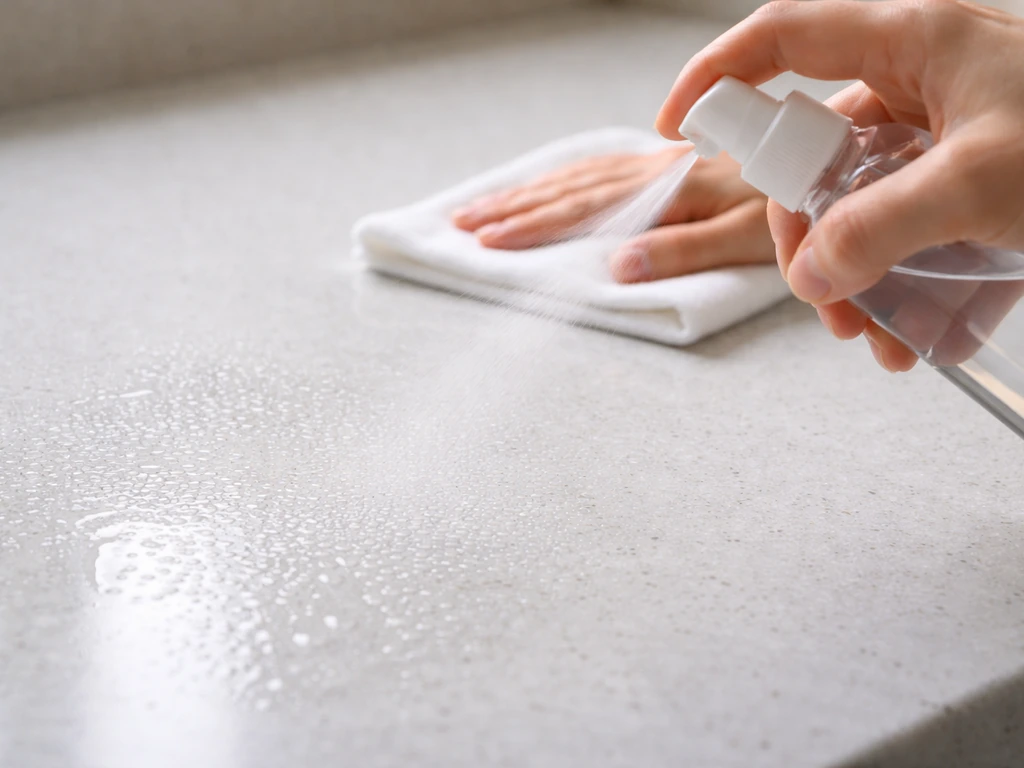
Influenza viruses are enveloped viruses, they have a lipid (fatty) outer membrane that is relatively easy to disrupt with alcohol. Ethanol and isopropyl alcohol work by denaturing proteins and dissolving that lipid envelope, which destroys the virus's ability to infect cells. Research published in Applied and Environmental Microbiology showed that treatment with 70% ethanol was consistent with inactivation of HPAI H5N1. A study on H7N9 similarly used 75% ethanol as part of its chemical inactivation evaluation. These aren't fringe findings, they align with WHO's guidance that avian influenza virus is inactivated by a range of disinfectants including alcohol.
The practical caveat is concentration and contact time. Alcohol that evaporates in two seconds before the surface stays wet doesn't do its job. The EPA specifically defines 'contact time' as the duration a surface must remain visibly wet for the disinfectant to be effective, and this varies by product. Some alcohol-based wipes on List M require only a minute or two of wet contact; others specify longer. Check the label of whatever product you're using, that's not boilerplate, it's the actual protocol that determines whether disinfection works.
Alcohol types and concentrations that matter
| Alcohol Type | Effective Concentration | Best Use | Key Limitation |
|---|---|---|---|
| Ethanol (ethyl alcohol) | 70–80% | Hard surfaces, hand sanitizer | Evaporates quickly; must maintain wet contact time |
| Isopropyl alcohol | 70–75% | Hard surfaces, disinfectant wipes | Same evaporation issue; check product label |
| Alcohol-based hand sanitizer | At least 60% alcohol | Hand hygiene when soap unavailable | Not effective on visibly dirty or greasy hands |
| Drinking alcohol (beer, wine, spirits) | Typically under 40% | None — not a disinfectant | Far too dilute to inactivate influenza virus |
One thing worth stating plainly: no alcohol product is classified by the FDA as a liquid chemical sterilant or high-level disinfectant. Alcohol is excellent for surface disinfection and hand hygiene, but it doesn't sterilize the way autoclaving or certain chemical sterilants do. For backyard flock owners or farm workers, CDC guidance calls for a two-step process: clean with soap and water to remove visible dirt first, then apply an EPA-registered disinfectant with label claims against influenza A viruses. Alcohol-based products on EPA List M qualify, but removing organic matter first is non-negotiable, dirt and droppings shield the virus from disinfectants.
Does alcohol have any role in food safety?
This is where the answer shifts significantly. Alcohol is not a food safety tool for bird flu. You don't need to spray your chicken breast with isopropyl alcohol, and drinking alcohol doesn't protect you. The actual safety measure for poultry and eggs is cooking temperature. FDA is clear that there is no evidence properly prepared poultry or eggs are a route of human H5N1 transmission, and USDA guidance points to safe internal cooking temperatures as the practical barrier, a minimum of 145°F for whole cuts of poultry (with many products requiring higher temperatures or rest times). Heat inactivates the virus reliably and completely; alcohol has no role at that stage.
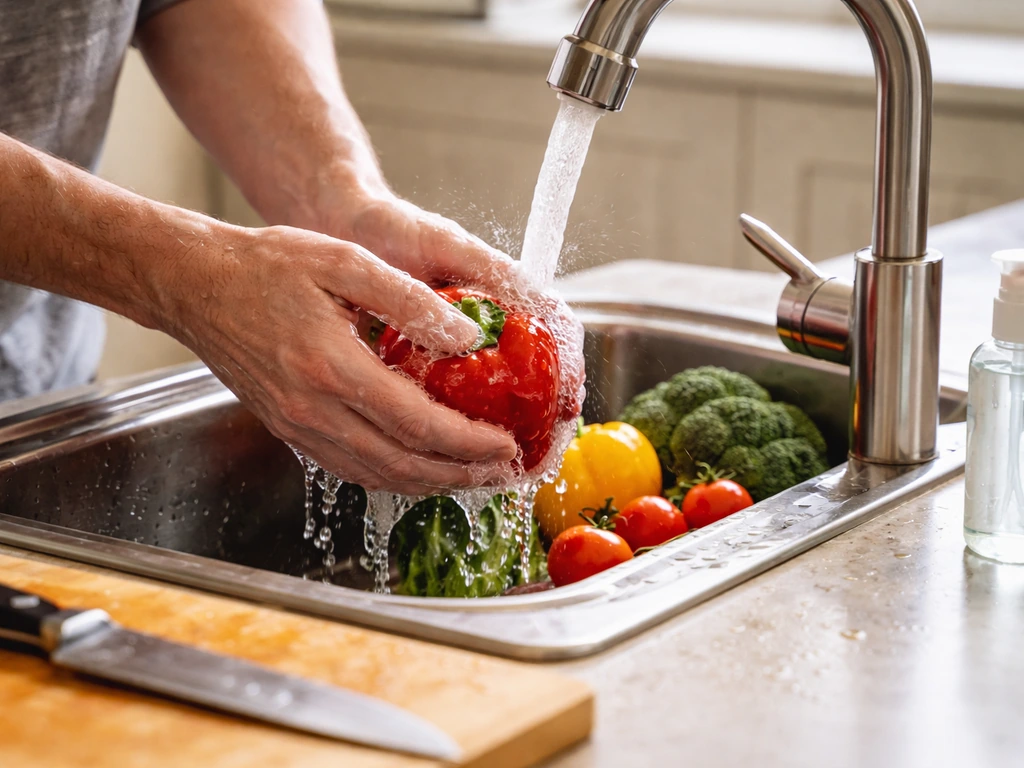
Where alcohol or soap and water genuinely helps in the kitchen is on surfaces and hands during raw poultry handling. The risk of cross-contamination, raw poultry juices on a cutting board, then touching your face, is real. Wash hands thoroughly with soap and water before and after handling raw poultry. Washing your hands can help reduce bird flu risk, but it depends on using soap and water thoroughly and at the right times washing hands. Clean surfaces with soap and water, then disinfect with an EPA-registered product if you want an extra layer. Standard food safety practices are exactly the right approach here, not anything novel specific to bird flu.
Practical steps to reduce your risk
For most people not working directly with birds, the risk of H5N1 infection is very low. But if you keep backyard poultry, work on a farm, visit live bird markets, or spend time around wild birds, these steps are worth taking seriously.
- Avoid direct contact with sick or dead birds. Don't pick up a dead wild bird with your bare hands — use gloves or a plastic bag inverted over your hand, and dispose of it properly.
- Wear personal protective equipment if you must handle potentially infected birds: gloves, eye protection, and ideally a well-fitting respirator (N95) in high-exposure situations.
- Wash hands with soap and running water immediately after any contact with birds, their droppings, or surfaces in bird areas — especially before touching your face, eating, or drinking.
- If soap and water aren't available, use an alcohol-based hand sanitizer with at least 60% alcohol. Don't use sanitizer if your hands are visibly dirty or greasy from handling birds — wash with soap first.
- Clean then disinfect surfaces and equipment. Remove visible organic matter with soap and water, then apply an EPA List M disinfectant (including alcohol-based products) following the label contact time.
- Change and wash clothing after working in areas with infected or potentially infected birds. Shower before entering your home if possible.
- Keep your flock separated from wild birds — secure feed storage, cover runs, and use biosecurity measures to reduce exposure.
- Monitor your flock. Unusual illness or sudden deaths in your birds should trigger a call to your state veterinarian or USDA APHIS — not just observation.
Hand hygiene is genuinely one of the most important barriers here. Whether you use soap and water or an alcohol hand rub depends on what's available and whether your hands are visibly soiled. Both work; the key is actually doing it consistently and correctly. Soap and water is preferred when hands are dirty or after removing gloves used around birds. The guidance on hand sanitizer, rubbing alcohol specifically, soap and water, and washing hands all point to the same underlying message: consistent, correct hand hygiene interrupts the fomite transmission route that matters most for human exposure.
When to call a doctor or report to public health

If you've had exposure to potentially infected birds, handling sick or dead birds, working in an infected environment, you should monitor yourself for symptoms for 10 days after your last exposure. That's the CDC's guidance. The predominant symptom in recent U.S. H5N1 cases has been eye redness and irritation (conjunctivitis), which can appear within one to two days of exposure. Fever, respiratory symptoms, and in severe cases pneumonia or difficulty breathing, are also reported. If any of these appear during the 10-day window, don't wait to see if it clears up on its own.
Contact your local or state health department first, not an emergency room, unless symptoms are severe. Health departments have protocols for testing and follow-up for people with bird flu exposures. This matters both for your care and for public health surveillance. Antivirals like oseltamivir (Tamiflu) are most effective when started early, so early contact with health authorities is genuinely important.
For dead or sick birds: if you find multiple dead wild birds in one area, especially waterfowl or raptors, report it to your state wildlife management agency or the U.S. Fish and Wildlife Service. Mass die-offs need to be investigated and tested. For backyard flocks showing signs of illness or unusual mortality, contact your state veterinarian or USDA APHIS. These reports aren't bureaucratic box-checking, they're how surveillance systems catch outbreaks early and protect both animal and human health.
Quick symptom and action reference
| Situation | What to Watch For | Action |
|---|---|---|
| Handled sick/dead birds in last 10 days | Eye redness, fever, cough, sore throat, difficulty breathing | Call your local or state health department immediately |
| Worked in infected poultry environment | Any respiratory illness or flu-like symptoms | Contact health department; mention your exposure |
| Found multiple dead wild birds | N/A (wildlife concern) | Report to state wildlife agency or US Fish and Wildlife Service |
| Backyard flock with unusual deaths/illness | N/A (animal health concern) | Contact state veterinarian or USDA APHIS |
| Symptoms are severe (trouble breathing, chest pain) | Respiratory distress | Seek emergency care immediately; inform them of bird exposure |
The bottom line on alcohol and bird flu is straightforward: it works as a surface disinfectant and hand sanitizer when used correctly, it has no role in food safety (cooking temperature does that job), and it absolutely does not protect you if ingested. The bigger picture for staying safe is a combination of avoiding exposure, using proper hygiene and PPE, following biosecurity steps for any birds you keep, and knowing when a potential exposure needs medical follow-up rather than home management.
FAQ
If alcohol kills bird flu, does any alcohol product work (hand sanitizer, wipes, spray)?
It depends on the product’s alcohol concentration and what you’re disinfecting. For bird flu virus inactivation, alcohol must be a high enough strength (commonly 70–75% or higher) and used long enough for the label’s contact time (the surface must stay visibly wet). Very dilute alcohol, alcohol-free “sanitizing” sprays, or quick wipe-and-dry use often fail even if the bottle says it “kills viruses.”
Can I disinfect bird-related mess with alcohol without washing first?
Use alcohol after removing visible dirt, because organic material (droppings, mucus, feed) can protect the virus and reduce disinfectant effectiveness. A common safe workflow is clean with soap and water first, then apply an EPA-registered disinfectant that has influenza A virus label claims, using the required wet contact time.
Does alcohol on food (or rinsing food with alcohol) prevent bird flu transmission?
Alcohol is for surface disinfection and hand hygiene, not for sterilizing food or killing virus inside tissues. Properly cooking poultry and eggs is what inactivates the virus for food safety. If you are preparing raw poultry, focus on safe cooking temperatures and preventing cross-contamination on hands and kitchen surfaces.
Should I use hand sanitizer or soap and water after handling raw poultry or birds?
For hands that are visibly dirty or greasy, soap and water is preferred. Alcohol hand rubs work best when hands are not visibly soiled, and they must fully cover the hands with adequate rubbing time to dry. If you handled raw poultry or bird materials and you can still see debris, alcohol alone is not the best option.
If I wore gloves, do I still need to wash my hands?
Gloves reduce skin contact, but they do not replace hand hygiene. If you used gloves around potentially contaminated birds, remove them carefully without touching the outside, then wash hands with soap and water (or use alcohol hand rub only if hands are not visibly dirty).
Are there safety risks or mistakes when using alcohol disinfectants for bird flu?
Alcohol-based products can be flammable, and some are irritating to eyes and skin. Avoid using them in a way that creates aerosols (for example, misting into the air) or in enclosed spaces without ventilation. Also, never use rubbing alcohol internally or on open wounds as a disinfectant substitute.
If I used alcohol and cleaned up, do I still need to watch for symptoms after exposure?
Yes, monitoring is still appropriate. If you had a higher-risk exposure (for example, handling sick or dead birds or cleaning infected premises), track symptoms for 10 days after your last exposure, especially eye redness or irritation. If symptoms start or worsen, contact your local or state health department early rather than waiting.
How do I choose the right disinfectant if I only know it “has alcohol” on the label?
Household spray disinfectants and wipes vary widely in active ingredients and label claims. Only products with influenza A or bird influenza related claims and the right contact time should be trusted for influenza virus decontamination. If the label does not mention influenza A viruses, don’t assume alcohol in the product is sufficient.
Does Vinegar Kill Bird Flu? Evidence and Safe Steps
Find out if vinegar inactivates bird flu, what works instead for cleaning and food safety, and safe next steps.