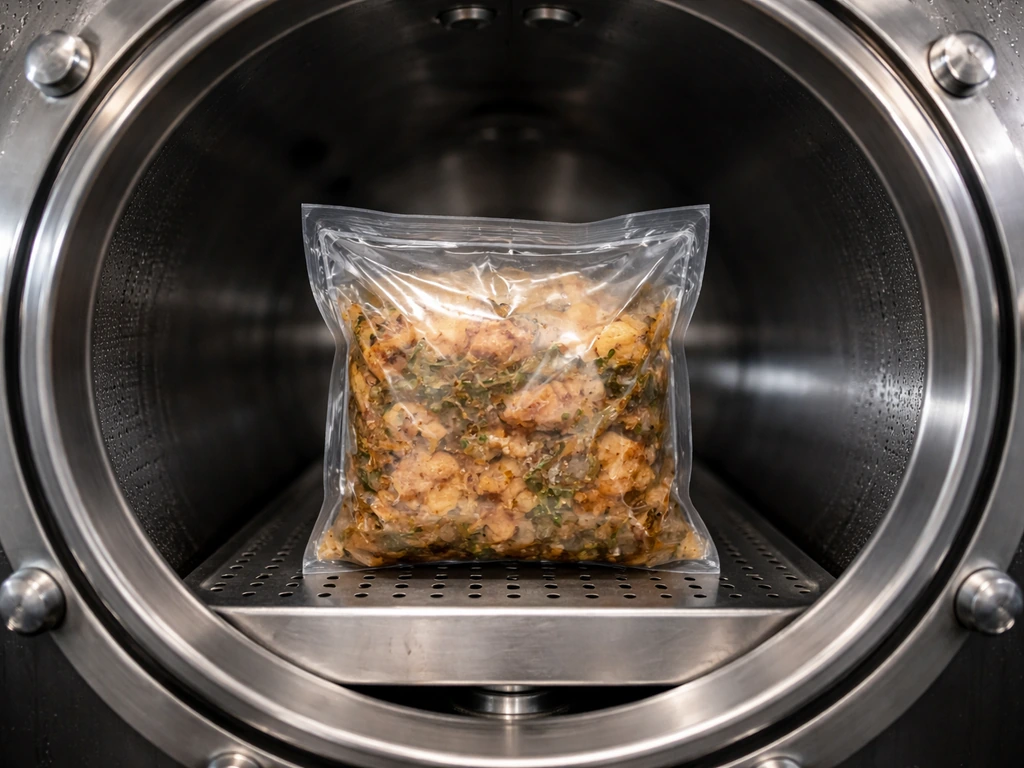
Freeze-drying does not kill bird flu virus. Neither does freezing. Both methods can actually preserve avian influenza virus, keeping it viable for extended periods. What reliably kills bird flu is heat: cooking poultry to an internal temperature of 165°F (74°C) destroys the virus. If you're worried about bird flu in your food, your freezer and your freeze-dryer are not your safety net. Your thermometer is.
Does Freeze-Drying Kill Bird Flu, and Does Freezing?

Maya Chen
7 Jun 2026
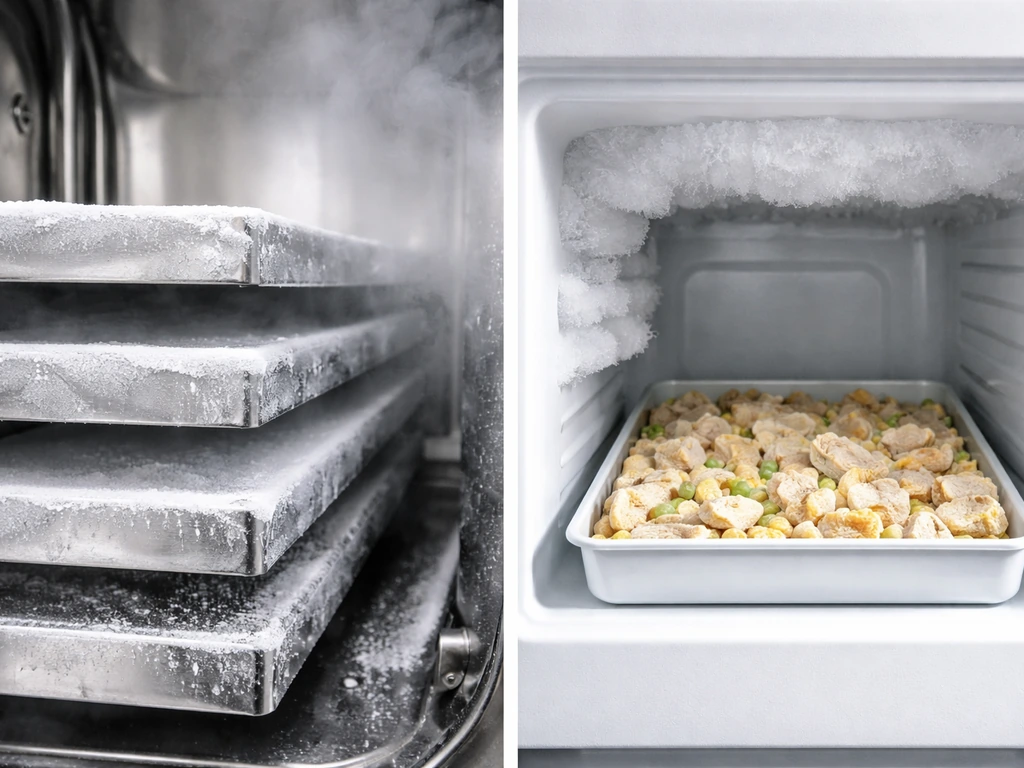
What freeze-drying and freezing actually do to bird flu virus
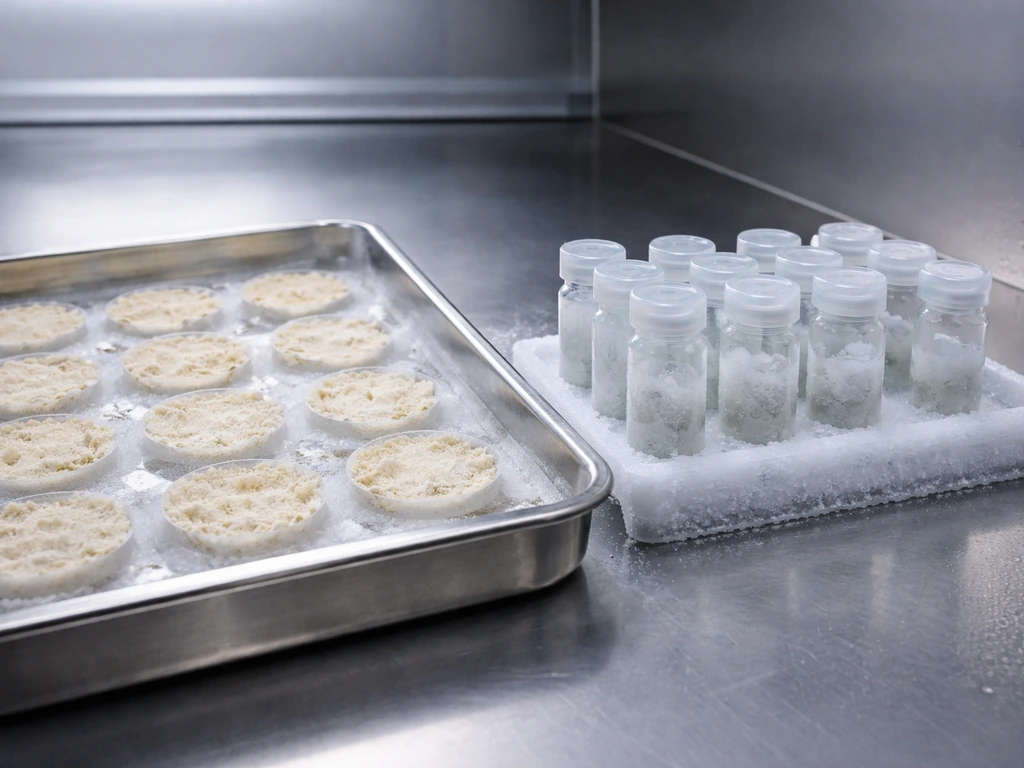
To understand why this matters, it helps to know what freeze-drying (also called lyophilization) is actually doing. The process removes water from biological material by first freezing it solid, then reducing pressure so the ice sublimates directly into vapor. The result is a dry, shelf-stable product. That sounds like it should destroy a fragile virus, but it doesn't. Influenza viruses, including avian influenza A strains like H5N1 and H5N2, are remarkably good at surviving low temperatures and desiccation when protected by the surrounding biological material, proteins, and fats in food.
Standard freezing works similarly from a virus-survival standpoint. Dropping food to 0°F (-18°C) halts microbial activity and slows chemical reactions, but it does not destroy viral particles. The USDA notes that while freezing inactivates some microbes like bacteria, yeasts, and molds, cooking is what actually destroys pathogens. Viruses are not bacteria. Many can survive, and in some cases remain infectious, through freezing and thawing cycles.
Think of freezing and freeze-drying as a pause button, not an erase button. The virus enters a kind of suspended state, protected rather than destroyed, waiting for conditions that allow it to become active again.
What the evidence says about virus survival after freezing vs. freeze-drying
Research on influenza virus survival has been building for decades, and the picture is consistent: cold preserves these viruses. Studies on avian influenza viruses have shown they can remain infectious in frozen tissue and environmental samples for weeks to months. HPAI H5N1, one of the strains most closely watched by public health agencies, has been detected as viable in frozen poultry and environmental materials long after initial contamination. Low temperatures essentially slow down the degradation of the virus's genetic material and protein coat.
Freeze-drying, counterintuitively, can be even more effective at preserving viral viability than standard freezing. In laboratory settings, lyophilization is actually a standard method used to store and preserve viruses for research purposes. The removal of water halts the enzymatic and oxidative processes that would otherwise break down viral particles over time. So a freeze-dried sample can retain infectious virus for potentially longer than a frozen-wet sample, depending on storage conditions and the specific strain involved.
The honest caveat here is that survival rates do depend on variables: the specific strain, the food matrix (fat content, pH, protein levels), the temperature stability during storage, and how long the product has been stored. No single study covers every scenario. But the direction of the evidence is clear and consistent: neither method inactivates avian influenza virus.
| Method | Effect on Bird Flu Virus | Reliable for Safety? |
|---|---|---|
| Freezing (0°F / -18°C) | Preserves virus; does not inactivate | No |
| Freeze-drying (lyophilization) | Can preserve virus even longer than freezing | No |
| Cooking to 165°F (74°C) | Destroys virus completely | Yes |
| Pasteurization (appropriate temp/time) | Inactivates virus in liquids like milk | Yes (for liquids) |
Food safety: freeze-dried vs. frozen chicken and real-world risk
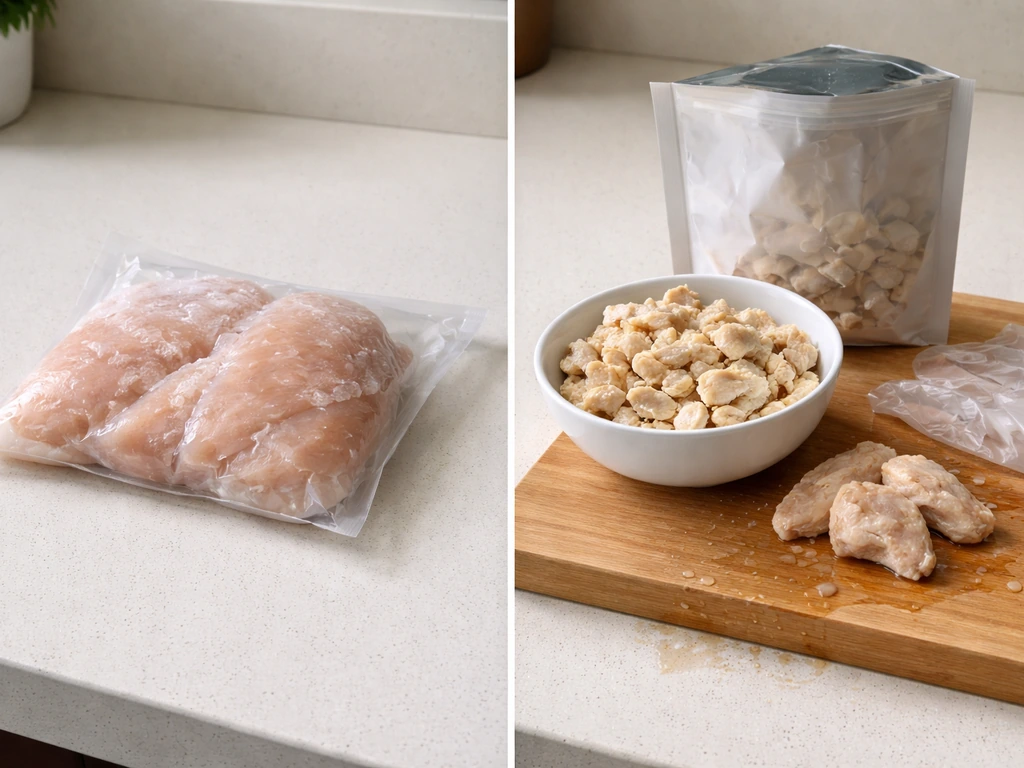
Here's the practical reality for consumers today. Frozen chicken and freeze-dried chicken products from birds infected with avian influenza can theoretically contain viable virus. The preservation process does not make them safe from a virology standpoint. However, the CDC has been explicit that there is no evidence anyone in the United States has been infected with avian influenza through eating properly handled and cooked poultry products. That's a meaningful distinction.
The risk pathway that public health officials are more concerned about isn't someone eating a cooked chicken breast. It's the handling stage: contact with raw, contaminated poultry, especially blood and respiratory secretions, before cooking. A small number of infections in Southeast Asia were potentially linked to handling uncooked poultry or blood, not to eating cooked food. That's where vigilance actually pays off.
For context on how other preservation methods compare: pasteurization and ultra-pasteurization are heat-based processes that do inactivate avian influenza in liquids like milk. Ultra-pasteurization is a heat-based process, but it applies to liquid foods like milk and is not the same as cooking solid poultry to reliably inactivate bird flu in food. Pasteurization can inactivate bird flu in certain liquids, but it is not the same as freezing or freeze-drying solid poultry products pasteurization kill bird flu.
High pressure processing (HPP) is a different story with its own evidence base. So does HPP kill bird flu, and under what conditions would it make a meaningful difference compared with freezing or cooking? HPP is different from freezing or freeze-drying, and its effectiveness against bird flu depends on how it is applied to the specific food. But those are liquid-focused applications. For solid poultry products, whether fresh, frozen, or freeze-dried, the only step that definitively eliminates the virus is thorough cooking.
CDC (archived) notes that adequate cooking destroys HPAI H5 avian influenza viruses and there is no evidence that human cases are acquired by eating properly handled and cooked poultry products adequate heat destroys HPAI H5 avian influenza viruses and there is no evidence human cases are acquired by eating properly handled and cooked poultry products.
How to reduce your risk when handling and cooking poultry
Whether your chicken came out of the freezer or from a bag of freeze-dried product, the same safe handling principles apply. Here's what actually protects you:
- Cook all poultry to an internal temperature of 165°F (74°C), measured with a food thermometer in the thickest part of the meat, away from bone. This is the USDA-recommended minimum safe temperature and the CDC-confirmed threshold that destroys avian influenza viruses.
- Wash your hands thoroughly with soap and water for at least 20 seconds after handling raw poultry, before touching your face, and before handling other foods.
- Use separate cutting boards and utensils for raw poultry and other foods to prevent cross-contamination.
- Never rinse raw chicken in the sink. This spreads droplets (and potential contaminants) around your kitchen surface without providing any safety benefit.
- Thaw frozen chicken safely: in the refrigerator, in cold water (changed every 30 minutes), or in the microwave if you're cooking it immediately. Don't thaw at room temperature.
- For freeze-dried poultry products, follow package preparation instructions and treat rehydrated product the same way you would raw poultry until it is fully cooked.
The key mindset shift is this: treat the cooking step as non-negotiable, not the storage method. A chicken breast frozen for three months is not inherently safer from a bird flu perspective than one frozen for three days. What makes the difference is what you do with it before it reaches your plate.
Can freeze-dried chicken contain bird flu? What shoppers and stores should know
Technically, yes, freeze-dried chicken sourced from an infected bird could contain viable avian influenza virus. The freeze-drying process does not eliminate it. However, the commercial poultry supply in the United States operates under federal inspection and biosurveillance programs. Birds from flocks confirmed positive for HPAI are not permitted to enter the food supply. When outbreaks are detected, affected flocks are depopulated and those products do not move to market.
The regulatory system is imperfect, and early-stage infections in a flock could theoretically precede detection. But the practical consumer-level risk of encountering commercially processed freeze-dried chicken that contains viable bird flu is very low. The bigger practical point for shoppers is simple: buy from reputable commercial sources, handle raw or rehydrated product carefully, and cook it to 165°F. Those three steps give you comprehensive protection regardless of what the storage method was.
For stores and food service operations handling freeze-dried poultry products, the same safe food handling standards that apply to fresh or frozen poultry apply here. Freeze-dried is not a special case that warrants either additional panic or reduced caution. Treat it like any other poultry product when it comes to handling and preparation guidance.
Why freezing and freeze-drying have real limits for killing pathogens
It's worth being candid about why people might assume freezing kills pathogens. Freezing does disrupt some microorganisms. It can damage bacterial cell walls through ice crystal formation, and it's true that USDA guidance notes that freezing inactivates microbes like bacteria, yeasts, and molds present in food. But there are important distinctions here. Viruses are not living cells in the same sense, and they don't have cell walls to rupture. They're protein shells around genetic material, and they can survive freeze-thaw cycles that would kill bacteria.
Even for bacteria, the USDA is clear that freezing doesn't kill them outright but rather renders them dormant. Cooking destroys them. The same logic applies to viruses, with the added consideration that some viruses are actually better preserved by the cold than bacteria are. Avian influenza falls into that category.
Freeze-drying's limits are even more pronounced because the process was literally developed in part as a way to preserve biological material, including viruses, without refrigeration. When you freeze-dry poultry, you're applying a preservation technique to everything in that tissue, not just the nutrients you want to keep. If a pathogen is present, it gets preserved along with everything else.
The broader takeaway: cold-based preservation methods, whether freezing or freeze-drying, are designed to extend shelf life, not to sanitize food. For viral pathogens like avian influenza, heat is the only reliable inactivation method available to consumers. High pressure processing is sometimes discussed as an alternative, but you still should not assume it will kill bird flu reliably without proper heat treatment does high pressure processing kill bird flu. That's not a gap in the technology that will be fixed. It's a fundamental difference between how cold and heat interact with biological material. Understanding that distinction helps you make better decisions in the kitchen and keeps the actual risk in perspective.
FAQ
If freeze-drying does not kill bird flu, does it become safer after rehydrating?
Rehydrating does not reliably neutralize avian influenza. It can actually restore conditions that help the virus remain infectious, especially if rehydration water or utensils contaminate other foods. Safety still depends on cooking to the target internal temperature.
What internal temperature should I use for freeze-dried or rehydrated poultry to be confident the virus is inactivated?
Use a food thermometer and cook until the thickest part reaches 165°F (74°C). Because rehydrated products can be unevenly heated, check multiple spots if possible, especially for patties, chunks, or products with stuffing or mixed thickness.
Does freeze-drying kill bird flu during storage if the product sits for months or years?
Viability can persist for weeks to months in frozen tissue and may persist in freeze-dried samples depending on strain and storage conditions. Long storage alone is not a dependable “sanitization” step. Treat it as preserved, not disinfected.
Can I rely on smell or appearance to tell if poultry is still contaminated after freeze-drying or freezing?
No. Viruses do not change food in a way you can reliably detect with your senses. The practical indicator is how the food was handled and, above all, whether you cook it correctly.
Does freezing or freeze-drying destroy the virus on surfaces like the bag, container, or rehydration bowl?
Freezing and freeze-drying are about preserving the food matrix, not sterilizing packaging or surfaces. If the outer package or bowl was contaminated during handling, you still need normal kitchen sanitation practices before and after rehydration and cooking.
Is the risk higher with freeze-dried poultry because it is powdered or more aerosol-prone during rehydration?
The main concern is cross-contamination from handling, not airborne transmission from the rehydration step. Still, avoid splashing, keep rehydration contained, and clean sinks, counters, and utensils thoroughly as you would for raw poultry.
If someone in the household has a weak immune system, should they avoid freeze-dried poultry?
They do not need to avoid it specifically, but they should be extra consistent about safe handling: separate utensils, thorough handwashing, prompt cooking to 165°F, and careful cleaning of surfaces that touched raw or rehydrated poultry.
Does cooking frozen or freeze-dried poultry require different timing than cooking fresh poultry?
The endpoint temperature matters, but timing can be longer for frozen pieces and for dense rehydrated products. Use a thermometer, and do not stop cooking based only on time or color because heat can lag in the center.
Can I thaw rehydrated or frozen freeze-dried poultry at room temperature to speed things up?
Avoid leaving poultry at room temperature. For safety, handle and cook promptly after thawing or rehydration, and keep the time out of refrigeration as short as possible to reduce general contamination risks.
Are there any “safe-by-purchase” shortcuts, like buying freeze-dried brands that claim they are sterilized?
Marketing claims are only meaningful if the product specifies a validated heat or other inactivation process for the pathogen, which is different from freeze-drying for preservation. If the label does not clearly state an inactivation step, assume you must still cook to 165°F and follow raw-poultry handling precautions.
If I accidentally undercook poultry that was frozen or freeze-dried, can I fix it by microwaving more later?
Yes, you can reduce risk by cooking again to reach 165°F throughout. However, microwaves can create hot and cool spots, so recheck the temperature in the thickest areas after the additional heating.
Next Article
Does HPP Kill Bird Flu? Food Safety Evidence and Limits
Does HPP kill bird flu? Evidence on how high pressure inactivates influenza viruses, limits, and practical food safety s