Yes, HPP (high-pressure processing) can inactivate avian influenza virus under the right conditions. Lab studies show that pressures around 500 to 550 MPa for as little as 15 to 90 seconds are enough to knock out H7N7 avian influenza virus in cell culture medium and even in chicken meat homogenate. But here's the practical reality: HPP is an industrial food processing step, not a consumer-facing safety guarantee, and blank" rel="noopener noreferrer">cooking poultry and eggs to 165°F (74°C) internal temperature remains the single most reliable thing you can do to protect yourself. The food safety risk from bird flu is already low, and proper cooking makes it essentially negligible.
Does HPP Kill Bird Flu? Food Safety Evidence and Limits

Maya Chen
7 Jun 2026
What HPP actually is and where it shows up in food
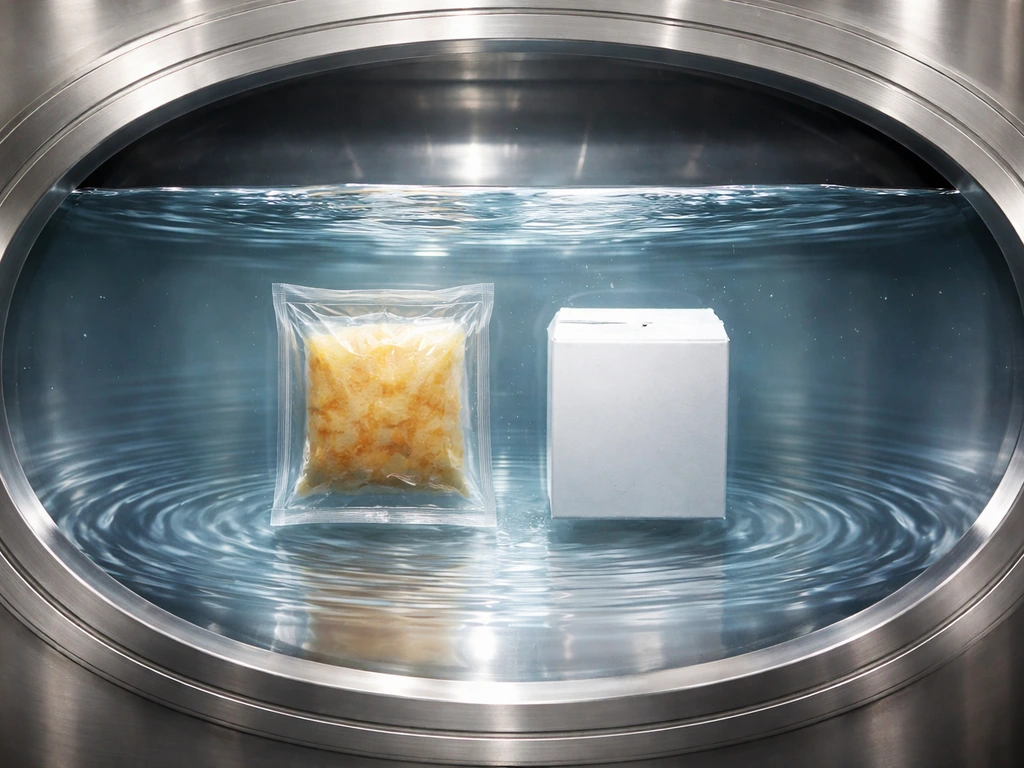
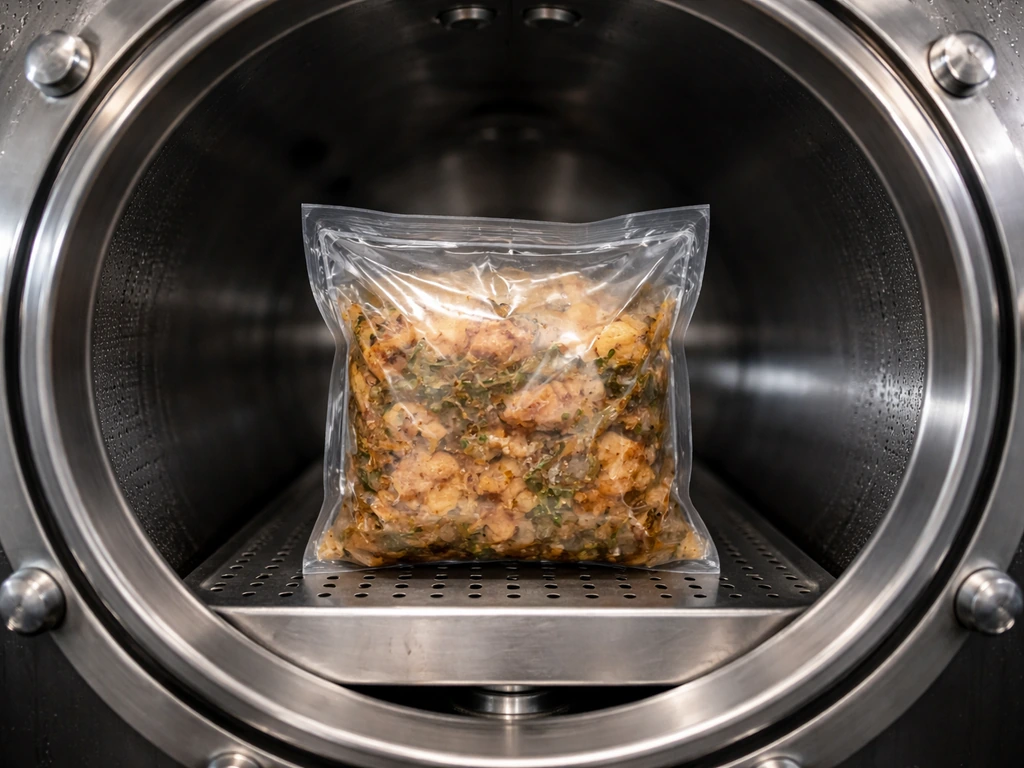
High-pressure processing is a non-thermal preservation method. Instead of using heat to kill pathogens, it submits sealed, packaged food to extremely high water pressure, typically between 400 and 600 MPa (that's roughly 58,000 to 87,000 PSI, or about four to six times the pressure at the deepest point of the ocean). The food is already packed before treatment, which prevents recontamination after processing. Hold times at commercial scale usually run from about 1.5 to 6 minutes, though some applications go up to 15 minutes depending on the target pathogen and the food matrix involved.
You've probably eaten HPP-treated food without knowing it. It's widely used in ready-to-eat deli meats, guacamole, fresh-pressed juices, oysters, and some cold-brew beverages. The appeal is that it extends shelf life and reduces pathogens without the texture or nutrient degradation that heat can cause. From a food safety standpoint, it's considered a lethality step, meaning regulators and processors treat it as a kill step for certain hazards, not just a quality treatment.
What the evidence actually says about HPP and bird flu
The direct research on HPP and avian influenza is limited but encouraging. One key study tested high hydrostatic pressure against a highly pathogenic avian influenza strain (H7N7) and found that 500 MPa at 15°C for just 15 seconds produced more than 100,000-fold (greater than 10^5 PFU/mL) inactivation. A separate study confirmed that 550 MPa at 15°C for 90 seconds efficiently inactivated H7N7 as well. Crucially, these tests were conducted both in cell culture medium and in chicken meat homogenate, which means there's at least some real-food-matrix evidence, not just lab buffer results.
That said, there are real limits to what this research tells us. Virus susceptibility to pressure varies widely, and the presence of a viral envelope (which influenza viruses have) doesn't reliably predict how sensitive a given virus will be to HPP. The food matrix matters too: pH, water activity, fat content, and other characteristics of the food being processed can all affect how well pressure inactivation works. A thick, fatty, low-water-activity product may provide more protection to the virus than a watery one. Most of the existing HPP virus research uses surrogates or focuses on non-influenza strains, so extrapolating results to every avian influenza subtype, including H5N1, requires some caution.
The bottom line on the science: HPP at commercial pressure levels (400 to 600 MPa) appears capable of inactivating avian influenza virus, and the data from H7N7 studies at 500 to 550 MPa is genuinely strong. But it's not a universal guarantee across all conditions, all food types, and all strains, and it hasn't been validated specifically for HPAI H5N1 in every context you'd care about.
The variables that determine whether HPP works
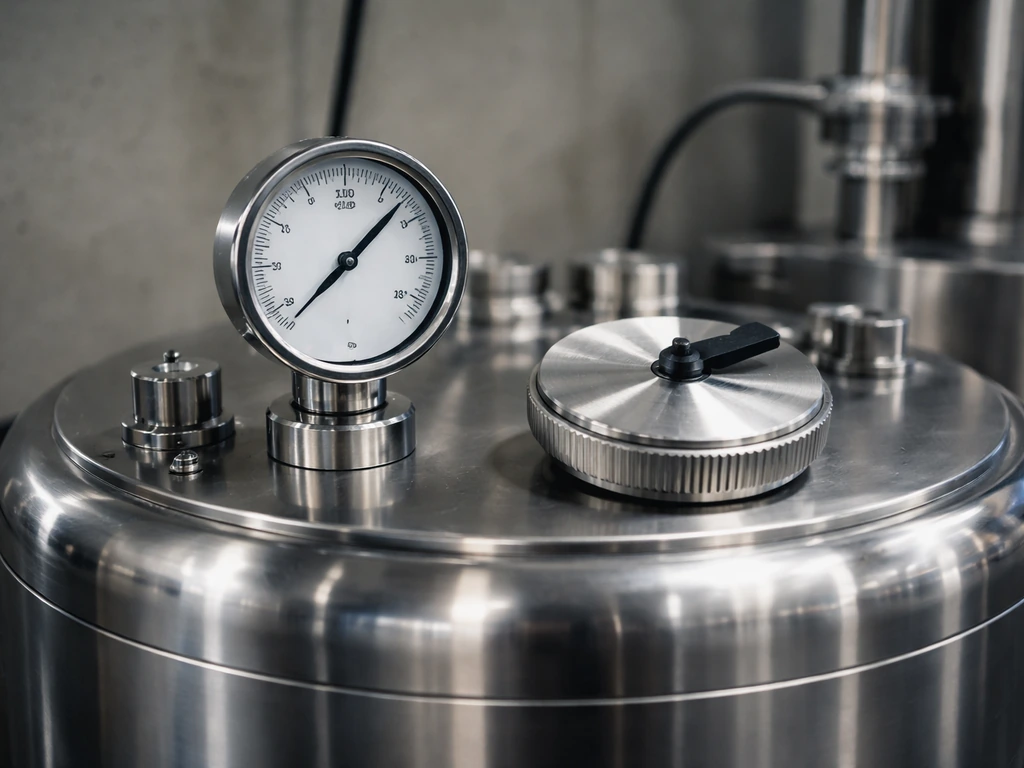
- Pressure level: Higher is generally more effective; commercial range is 400 to 600 MPa, with some FDA-referenced lethality applications going up to 700 MPa
- Hold time: Longer exposure at a given pressure increases inactivation; even 15 seconds at 500 MPa showed dramatic reductions for H7N7
- Temperature: Most HPP runs near ambient or chilled temperatures (around 15°C in the studies above), which itself limits thermal contribution to inactivation
- Food matrix: pH, water activity, fat content, and viscosity all influence outcomes, sometimes protecting the virus
- Virus strain: Different influenza subtypes and other virus types vary in their pressure sensitivity in ways that aren't always predictable from structure alone
Can you actually get bird flu from meat or eggs?
This is the question most people really want answered, and the reassuring part is that the risk is genuinely low. EFSA has stated there is no convincing evidence that avian influenza can be transmitted to humans through the consumption of contaminated food. The CDC and FDA echo this: there's no documented case in the U.S. of someone getting infected with bird flu from eating properly handled and cooked poultry or eggs. The small number of human infections linked to food in Southeast Asia involved uncooked poultry or products like raw blood, not standard cooked food.
FDA's risk assessment on shell eggs during HPAI outbreaks concluded the risk of human infection through egg consumption is low, with the key controls being proper cooking and preventing cross-contamination. Raw milk is a separate concern: CDC has acknowledged uncertainty about whether H5N1 can be transmitted through raw milk from infected dairy cattle, which is why avoiding raw milk from areas with active outbreaks is reasonable advice.
The main transmission risk for humans is direct, prolonged contact with infected birds or their droppings, not eating food from a grocery store. HPP-treated or not, the food system itself provides multiple layers of protection before anything reaches your kitchen. EFSA's earlier work identifies multiple potential contamination points across the food supply chain and discusses control options, including the role of processing and hygiene practices, for reducing foodborne viral infections.
How HPP compares with other ways to inactivate bird flu
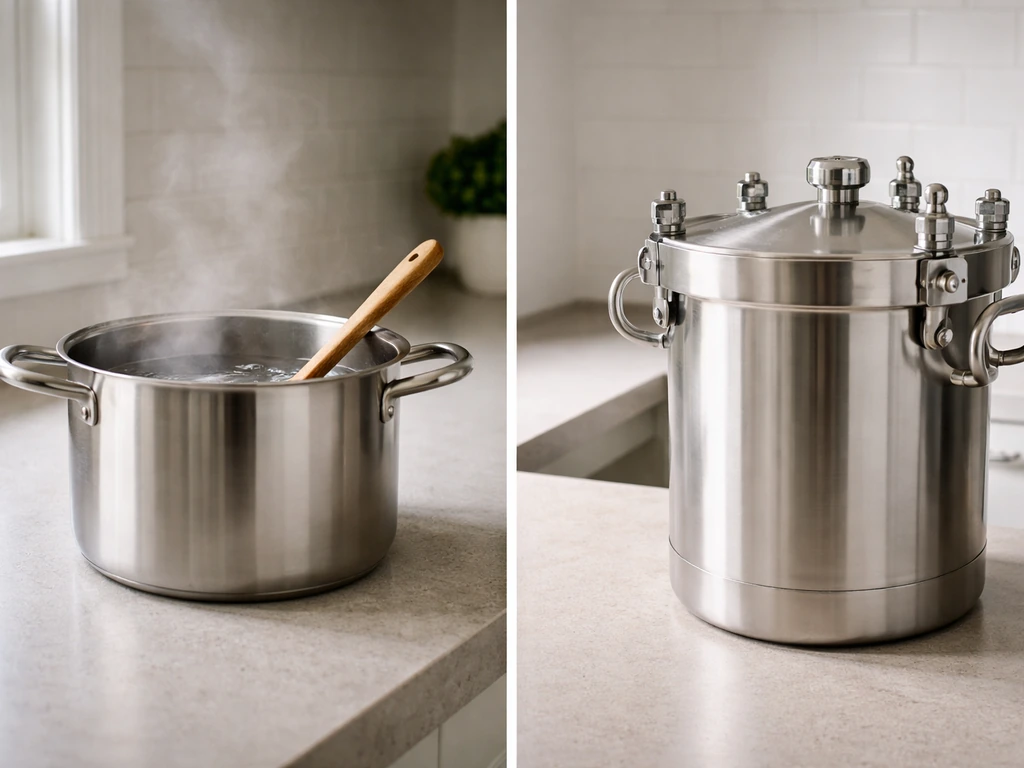
If you're weighing HPP against other processing and safety methods, cooking is the clear winner for practical, at-home use. Here's a quick comparison of the main approaches:
| Method | How it works | Effectiveness against bird flu | Practical context |
|---|---|---|---|
| Thorough cooking (165°F / 74°C) | Heat denatures viral proteins | CDC-confirmed: kills avian influenza A viruses; 165°F is the target for poultry and egg dishes | Best consumer-level control; works every time if temperature is reached |
| Pasteurization | Sustained heat (e.g., 63°C or 72°C) | FDA study confirmed standard milk pasteurization inactivates H5N1; at 72°C, virus was undetectable within 20 seconds | Applies to commercial dairy; a reliable industrial kill step |
| HPP (high-pressure processing) | High hydrostatic pressure (400–600+ MPa) | Lab data shows strong inactivation of H7N7 at 500–550 MPa; not validated for all strains/matrices | Industrial process on packaged food; not available at home |
| Freezing | Temperature reduction to 0°F or below | Inactivates microbes but does NOT reliably kill viruses; freezing is not a confirmed kill step for influenza | Preserves food; reduces risk from bacteria but should not be relied on for virus inactivation |
| Ultra-pasteurization (UHT) | Very high heat for a short time (135°C+) | Expected to be highly effective given pasteurization data; eliminates most pathogens | Used for shelf-stable dairy; strong safety profile |
The takeaway from this comparison is straightforward: cooking is your most reliable tool because it's something you control directly, the temperature target is clear (165°F internal for poultry, firm yolks and whites for eggs), and the evidence is unambiguous. Pasteurization and HPP are industrial safeguards that add protection before food reaches you, but neither replaces the kitchen step. Freezing is useful for preservation but shouldn't be counted on as a virus kill step.
What to actually do if you're worried right now
The practical playbook here isn't complicated, and it's largely the same food safety advice that applies to other pathogens. The USDA's framework of Clean, Separate, Cook, and Chill covers most of what you need.
At the store
- Buy poultry and eggs from reputable retailers; commercial poultry in the U.S. goes through federal inspection
- Avoid raw milk and products made from raw milk, especially during active HPAI outbreaks in dairy cattle
- HPP-labeled products (like some deli meats or juices) have already had an industrial pressure treatment, which adds a layer of pathogen control, but these still need safe handling and refrigeration
- Check for intact packaging; damaged packaging defeats the in-pack sterility that HPP relies on
At home: storage and prep
- Refrigerate raw poultry promptly and store it below other ready-to-eat foods to prevent drip contamination
- Use separate cutting boards and utensils for raw poultry and other foods; wash hands thoroughly after handling raw meat
- Don't rinse raw poultry in the sink; it spreads contamination without reducing pathogen load
- Keep raw eggs refrigerated and discard any with cracked shells
Cooking: the step that matters most
- Cook all poultry to an internal temperature of 165°F (74°C); use a food thermometer, not color or timing alone
- Cook eggs until both the yolk and white are firm; egg dishes and casseroles should reach 165°F before serving
- Reheat leftovers containing poultry or eggs to 165°F as well
- If you're cooking ground poultry, the 165°F rule still applies throughout
When to take extra precautions based on the current outbreak
As of mid-2026, HPAI H5N1 has continued to affect poultry flocks and dairy cattle in multiple regions. The standard consumer precautions above are appropriate year-round, but a few situations call for a bit more attention.
If you live near or work on a farm with a confirmed HPAI outbreak, the risk calculus changes. WHO advises avoiding raw or undercooked poultry, eggs, and meat in areas where animals are actively infected, and that advice becomes more pointed when you're geographically close to an outbreak. Avoid contact with wild birds showing signs of illness, and don't handle dead birds without protective equipment.
If you're buying eggs or poultry directly from small local farms rather than through the commercial supply chain, it's worth asking whether those flocks have had any health issues. Commercial supply chains have regulatory oversight that small farm-direct sales may not. This doesn't mean local farm eggs are dangerous, but the layers of processing and inspection that add safety in the commercial supply chain aren't always present.
For most people buying food at a regular grocery store, cooking to the right temperature is genuinely sufficient. The combination of regulated commercial poultry production, inspection, and thorough home cooking creates multiple redundant safety barriers. HPP, pasteurization, and other industrial processes are useful additional layers, but they don't change the core consumer action: cook it properly, and the risk drops to as close to zero as food safety science can get.
If you want to dig further into related food safety questions, the same logic around temperature and inactivation applies to pasteurization for dairy and to the question of whether cooking generally kills avian influenza. If you are wondering whether ultra pasteurization kill bird flu, the key idea is that pasteurization is also designed to inactivate pathogens, but cooking remains the most reliable safeguard for consumers does ultra pasteurization kill bird flu. This is the question people ask as well when they wonder whether cooking kill bird flu whether cooking generally kills avian influenza. The science is consistent across methods: heat and sufficient pressure at the right parameters denature the virus, and among those options, the kitchen thermometer is your most accessible and reliable tool.
FAQ
If a food is labeled HPP-treated, does that automatically mean bird flu is killed in every case?
Inactivation depends on the pressure level, time, and product conditions, not just the fact that food is labeled “HPP.” If the process parameters are off target or the product has protective characteristics (for example, higher fat or lower water availability), the delivered kill effect may be reduced.
Does HPP keep food safe from bird flu after you open the package?
No, the kill step happens only to the contents that are sealed during processing. If the package is opened and then handled poorly, the virus (or other pathogens) could be reintroduced through contaminated utensils, hands, or cross-contamination from raw poultry.
Should I still cook HPP-treated poultry and eggs?
Most home cooking safety targets are based on eliminating a broad range of pathogens, not only avian influenza. Even if HPP reduces risk, cooking to poultry and egg temperatures used for food safety remains the most reliable control because it is something you can verify with a thermometer.
What’s the point of “Clean, Separate, Cook, Chill” if HPP-treated foods are eaten cold?
Many HPP products are eaten cold, which is fine for hazards targeted during the industrial process, but it does not remove the need to follow “clean” and “separate” practices. Treat HPP ready-to-eat items as fully handled foods, and still avoid contact with raw poultry juices or raw egg spills.
If I freeze HPP-treated food, will that further kill bird flu?
Freezing generally does not provide the same lethality as HPP or cooking. If you freeze an HPP product, the virus can remain viable even if bacterial growth slows, so thawing and handling still need to prevent contamination and you should not assume freezing “finishes the job.”
Does HPP work the same way for all HPP food types, like thick meats versus juices?
Some HPP foods are not fully homogeneous, for example thicker pieces, layered products, or foods with particulates. In those cases, pressure distribution and the time each portion experiences effective conditions can vary, so the label and manufacturer instructions matter.
How can I avoid bird flu risk if I prepare raw poultry and also handle HPP ready-to-eat foods?
HPP targets pathogens during processing, but it cannot “fix” an unsafe post-processing step like using contaminated serving utensils. If you are preparing food in a kitchen with raw poultry, keep separate boards, bowls, and tools for ready-to-eat items, including HPP-treated ones.
Does the advice change for people living near farms with confirmed HPAI?
If you are near an active HPAI outbreak, food risk management shifts toward reducing exposure to raw products and preventing contact with sick or dead birds. Even though cooking is effective, avoid buying or consuming undercooked poultry or eggs from questionable sources and follow local guidance for farms and markets.
If an HPP product says “keep refrigerated” or “heat before eating,” should I still heat it?
The key practical check is product type and intended use, for example whether it is marketed as ready-to-eat versus requiring further cooking. If the package still instructs cooking or reheating, follow that instruction because it reflects the manufacturer’s safety validation for your use case.
Can I replicate HPP at home to kill bird flu?
A label indicating HPP generally refers to a specific industrial step, not a home method. If you are wondering about a home device or countertop pressure method, those are not the same as validated commercial HPP parameters, so you should not treat them as a virus kill process.
Next Article
Does Pasteurization Kill Bird Flu? Milk and Eggs Guide
Find out if pasteurization kills bird flu in milk and eggs, whether it can survive, and safe handling tips.