Yes, Clorox bleach-based disinfecting wipes can kill bird flu virus on hard, non-porous surfaces when used correctly. The key active ingredient is sodium hypochlorite, the same chemistry that public health agencies including the CDC, WHO, and EPA recognize as effective against influenza A viruses, including avian influenza strains. Clorox Healthcare Bleach Germicidal Wipes are registered on the EPA's List M, which is the agency's official list of products effective against avian influenza. That said, "used correctly" does a lot of heavy lifting in that sentence, and most people skip the step that actually makes wipes work.
Do Clorox Wipes Kill Bird Flu? Evidence and How to Disinfect

Maya Chen
27 Jun 2026
How to actually disinfect for bird flu with Clorox wipes
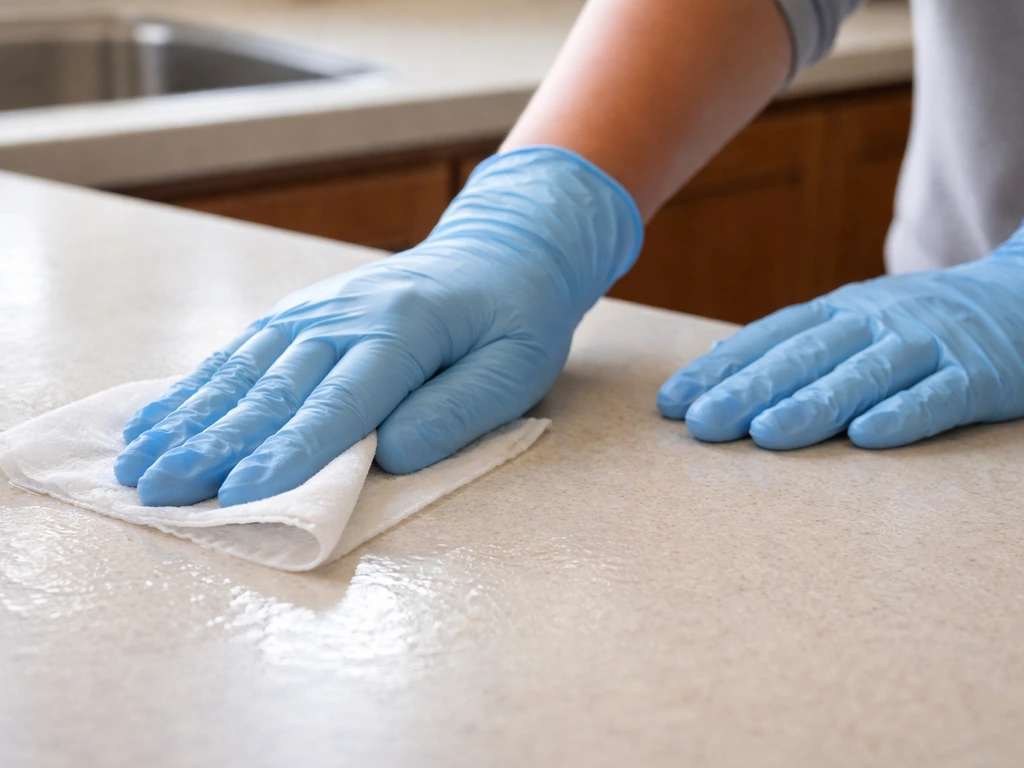
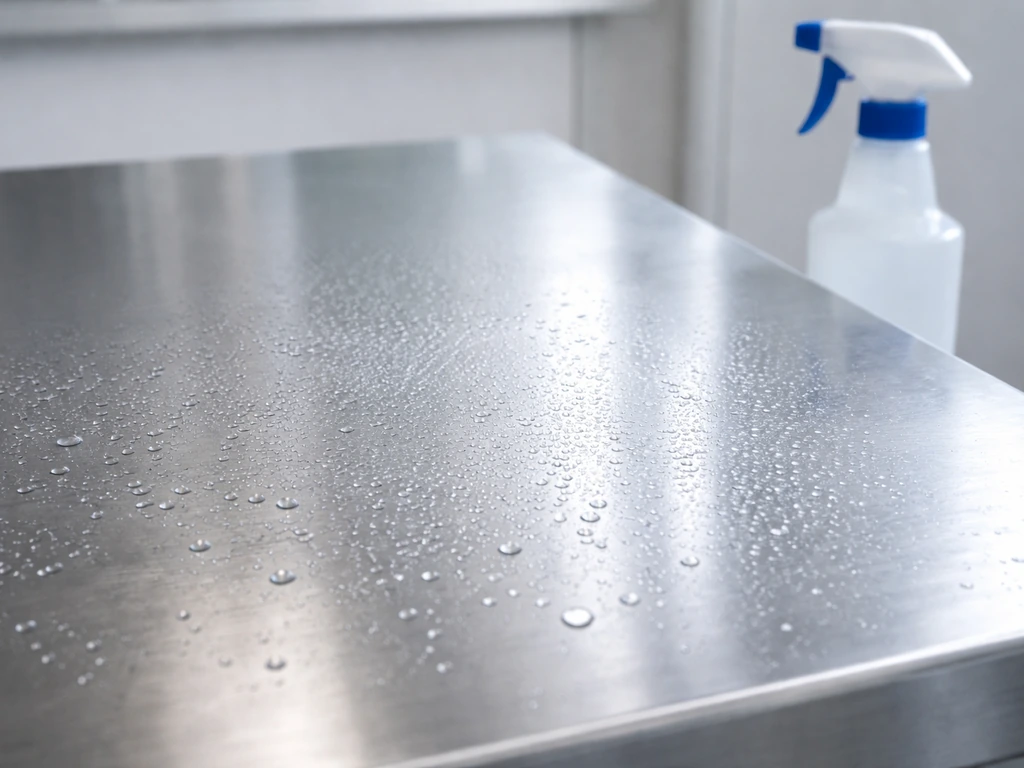
The single most important thing to understand about disinfecting wipes is contact time, also called dwell time. The surface needs to stay visibly wet for the duration listed on the product label. For Clorox bleach germicidal disinfectants, that's typically 1 minute for most viruses, with some harder-to-kill agents requiring up to 3 minutes. Influenza viruses are considered relatively fragile, so the shorter end of that range generally applies, but you still need to hit that contact time.
Here's where most people go wrong: they wipe the surface, and the wipe dries it immediately. That's cleaning, not disinfecting. You need the surface to look wet and stay wet for at least a full minute. But for the specific question of whether Microban kills bird flu, focus on whether the product label lists effectiveness against avian influenza A and follow its required contact time surface disinfection. On a large surface, or an absorbent one, one wipe often isn't enough. The CDC specifically notes that you may need to use more than one wipe to maintain that wet contact time. So grab a second wipe and keep the surface damp.
Before you disinfect, you also need to clean. This isn't optional. Sodium hypochlorite is substantially inactivated by organic material like dirt, grease, feces, feathers, or blood. If there's visible contamination on the surface, the bleach chemistry gets used up reacting with that organic matter before it can attack the virus. The WHO and CDC both emphasize that cleaning must come before disinfection, especially in any scenario involving bird droppings or poultry waste. Wipe or wash the surface with a general cleaner first, rinse, then apply the disinfecting wipe.
- Remove visible dirt, droppings, or debris with a paper towel or disposable cloth and throw it away.
- Clean the surface with a general household cleaner and rinse if needed.
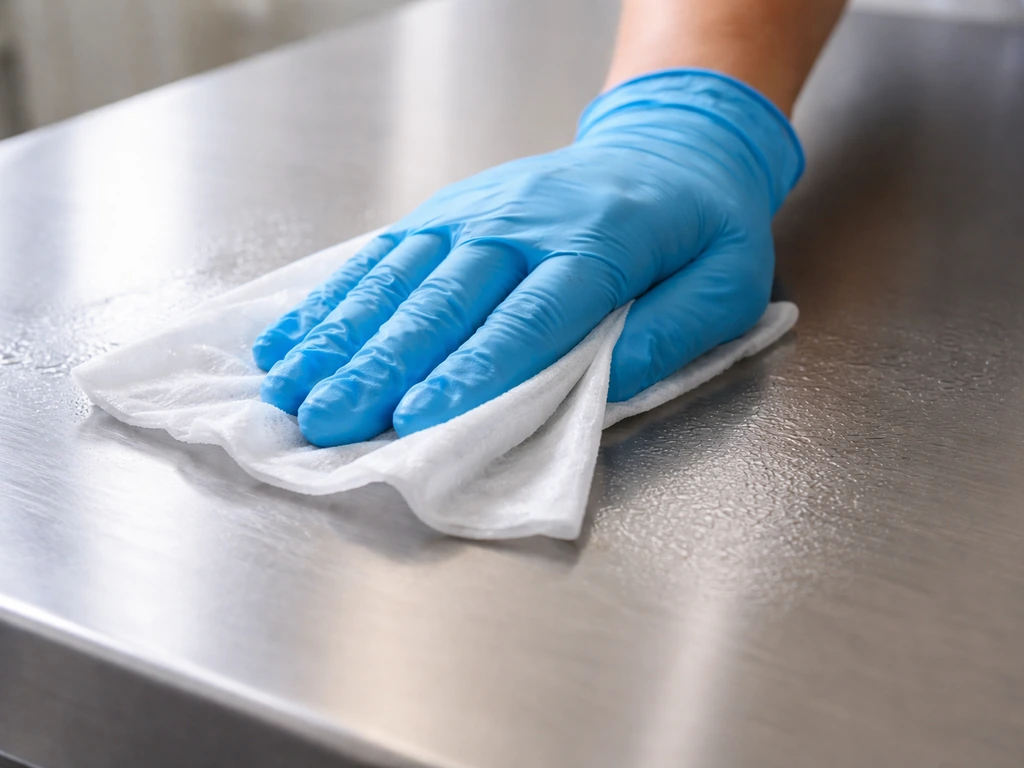
- Apply a Clorox bleach disinfecting wipe using enough wipes to keep the surface visibly wet.
- Leave the surface wet for the full contact time listed on the label (at minimum 1 minute for influenza viruses).
- Allow to air dry. Do not wipe dry before contact time is complete.
- Wash your hands after removing gloves or after handling used wipes.
What "bird flu" actually means for disinfection
Bird flu refers to avian influenza, a family of influenza A viruses that primarily infect birds. The strains circulating today, including the H5N1 clade that has spread widely since 2022, are still influenza A viruses at their core. That matters for disinfection because influenza A is an enveloped virus, meaning it has a lipid (fatty) outer membrane. Enveloped viruses are among the easiest types to inactivate with disinfectants. Sodium hypochlorite, the active ingredient in Clorox bleach wipes, works by oxidizing and destroying that outer envelope and the proteins the virus needs to function.
Disinfectants don't distinguish between H5N1, H7N9, or any other influenza A subtype at the chemistry level. If a product is registered effective against avian influenza A on the EPA's List M, the label claim covers the category. Clorox's sodium hypochlorite wipe products appear on that list. One important clarification: this is all about surface disinfection, not treating illness. Wiping down a countertop does not protect an infected bird, and it does nothing for a person who is already symptomatic. The goal is reducing viral load on surfaces to limit transmission.
Limitations and safety precautions to know before you start
Bleach-based wipes are effective, but they come with real limitations you should know upfront. Pine-Sol is not recommended as a bird flu disinfectant, so stick to products with the right influenza A effectiveness and labeled contact time.
Ventilation matters
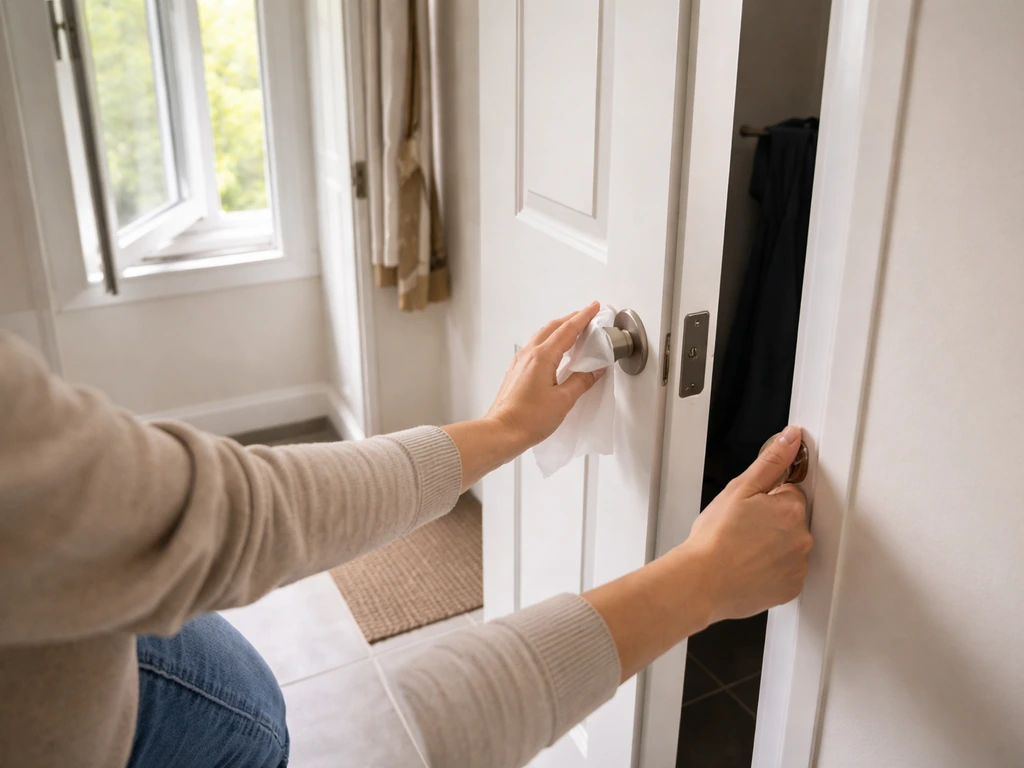
Sodium hypochlorite releases chlorine fumes, especially in enclosed spaces or when used in larger quantities. Open windows or doors when disinfecting. This is especially important in small bathrooms, utility rooms, or indoor poultry areas. The CDC specifically recommends good ventilation when using bleach products.
Do not mix with other cleaners
Never mix bleach-based wipes or any bleach product with ammonia, other disinfectants, or most household cleaners. Mixing bleach with ammonia, for example, produces chloramine vapors that can cause serious respiratory injury. The CDC is explicit: do not mix unless the label specifically says it's safe to do so. If you've already applied another cleaner, rinse the surface before using a bleach wipe.
Skin, eye, and surface precautions
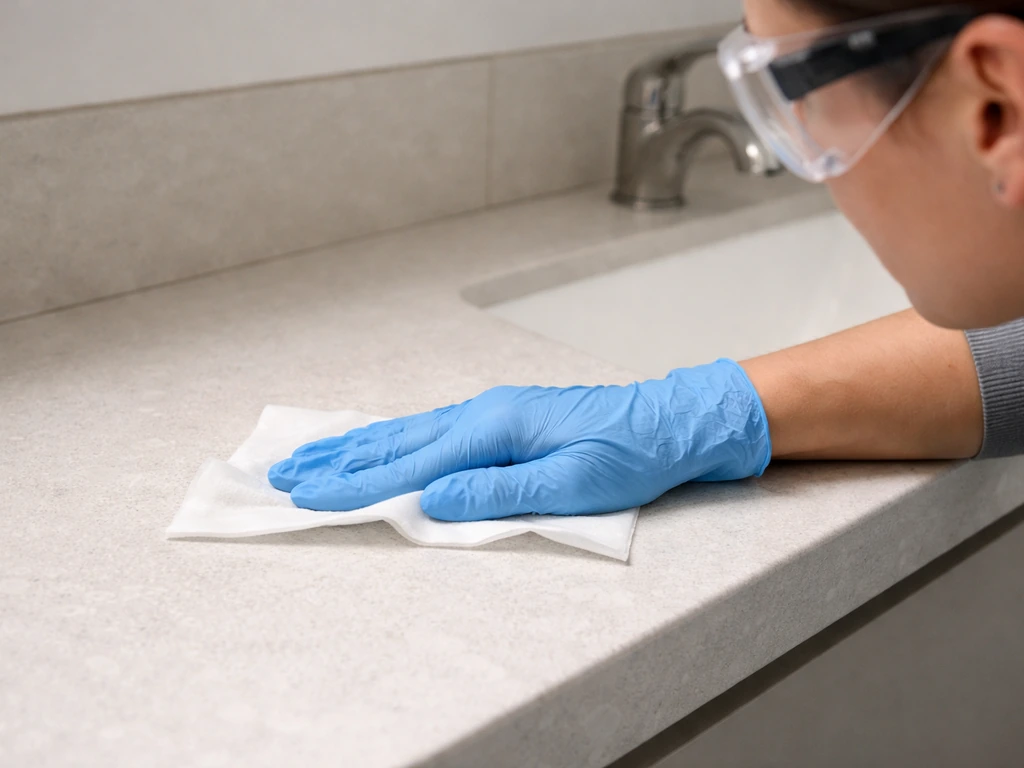
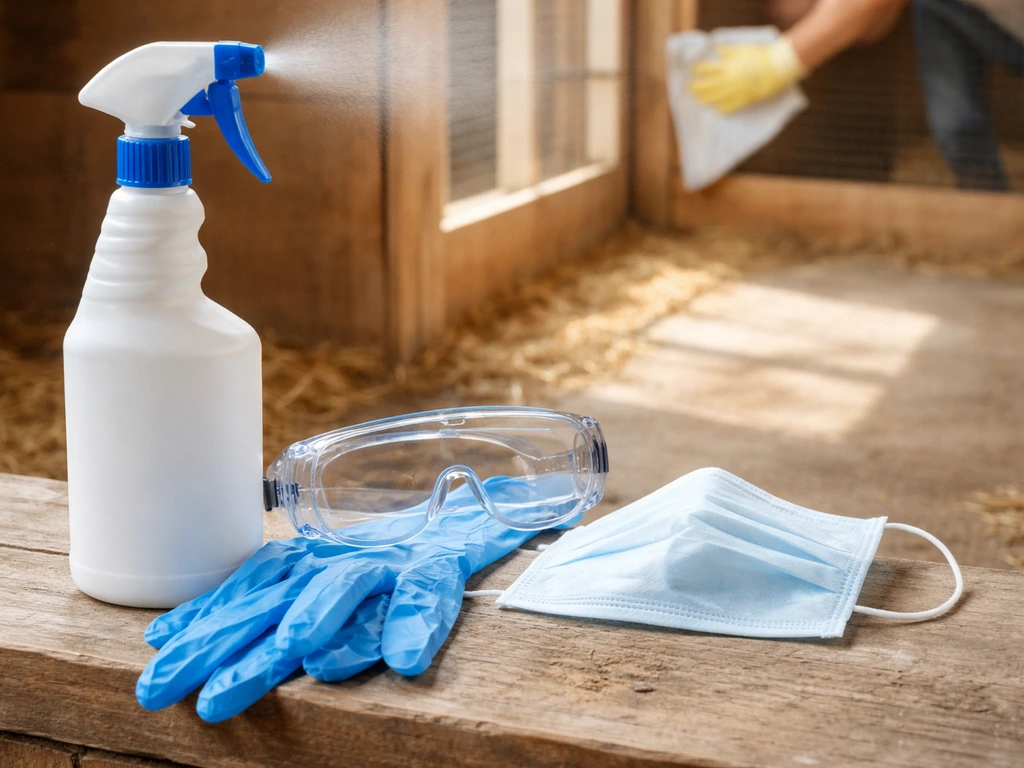
Wear disposable gloves when using bleach wipes, especially if you're doing extensive cleaning or have any cuts on your hands. Avoid touching your eyes, nose, or mouth while working. Clorox bleach wipes can discolor or damage fabric, painted surfaces, and some metals, so test an inconspicuous area first. Keep wipes away from children and pets until surfaces are fully dry.
Where wipes fall short
Wipes are designed for hard, non-porous surfaces like countertops, sinks, door handles, and equipment. They're not appropriate for heavily contaminated environments like a poultry coop after a confirmed outbreak, where a more systematic approach using sprayers, stronger solutions, and full PPE is required. Porous surfaces like wood, fabric, and soil can't be effectively disinfected with a wipe. In those scenarios, specialized agricultural disinfectant protocols apply.
Cleaning vs food safety: handling eggs and poultry areas
If you keep backyard chickens or handle poultry products and you're concerned about avian influenza, surface disinfection is one piece of a larger picture. For food safety, the CDC and USDA recommend cooking poultry and eggs to safe internal temperatures (165°F for poultry, fully cooked eggs with no runny whites or yolks). Properly cooked poultry and eggs from commercial sources are considered safe to eat. The concern with surface disinfection is more about handling raw poultry or cleaning up areas where sick or dead birds have been.
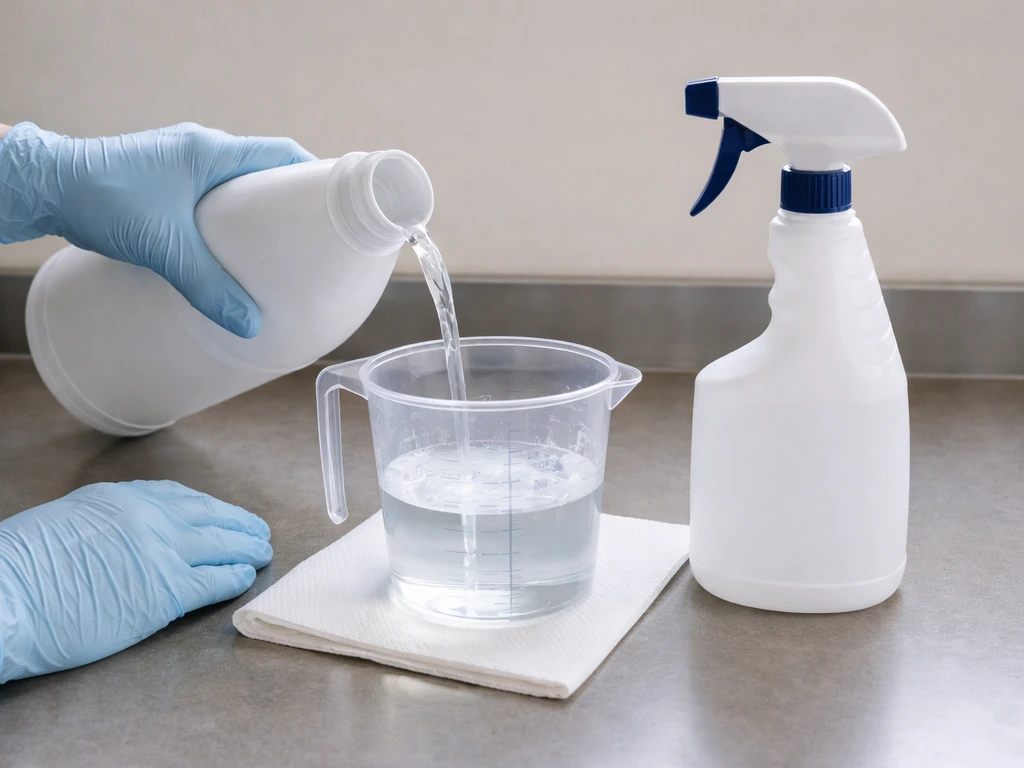
If you're cleaning a surface that had contact with raw poultry or bird droppings, the clean-first, then disinfect approach described above applies directly. Wash cutting boards, countertops, and utensils with soap and water, rinse thoroughly, and then apply a disinfecting wipe or bleach solution. For footwear or equipment used around birds, a bleach solution of 1 part bleach to 10 parts water and a 10-minute contact time is a guideline some state health departments recommend.
For backyard flock owners dealing with sick or dead birds, the CDC recommends not handling them with bare hands. Use disposable gloves, avoid stirring up dust or feathers (which can aerosolize the virus), and bag materials before disposal. Clorox wipes can handle hard surfaces like waterers, feeders, and coop walls after the heavy organic material has been removed, but for major cleanouts, you'll want a more robust disinfection protocol.
How Clorox wipes compare to other disinfectants for bird flu
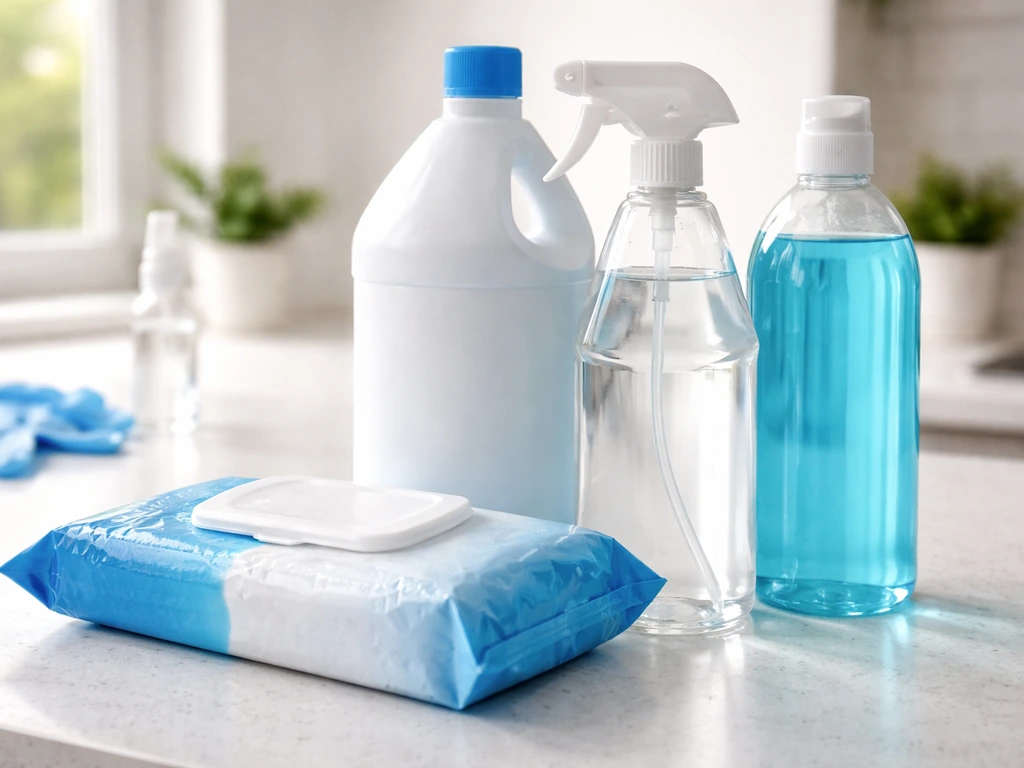
| Disinfectant | Active Ingredient | On EPA List M | Best Use Case | Key Limitation |
|---|---|---|---|---|
| Clorox bleach wipes | Sodium hypochlorite (0.55%) | Yes | Hard non-porous surfaces, quick disinfection | Needs clean surface first; can bleach fabrics/materials |
| Liquid bleach solution | Sodium hypochlorite (higher concentration) | Yes | Large surface areas, footwear, equipment | Requires mixing; stronger fumes |
| Lysol disinfecting sprays/wipes | Quaternary ammonium or ethanol | Yes (some formulations) | Hard surfaces, electronics | Check specific product's List M status |
| Hydrogen peroxide wipes/sprays | Hydrogen peroxide (3%) | Some products yes | Hard surfaces, medical settings | Less stable; faster breakdown |
| Hypochlorous acid sprays | Hypochlorous acid | Some products yes | Broad surface use, gentler on skin | Lower shelf life; concentration matters |
| Pine-Sol (original) | Pine oil / glycolic acid | Limited | General cleaning | Not all formulations have influenza A claim |
For most household scenarios, Clorox bleach wipes are a practical, reliable choice because they're easy to use, widely available, and the chemistry is well-established against influenza viruses. Liquid bleach gives you more flexibility for larger areas and stronger concentrations when needed. If you're comparing options, the most important thing is to check that the specific product you're using appears on EPA List M and that you follow its labeled contact time.
Prevention next steps and when to call public health
Good surface disinfection is a useful layer of protection, but it works best as part of a broader approach. If you've had potential exposure to infected birds or poultry, here's how to think about next steps.
- Avoid direct contact with sick or dead wild birds or poultry without PPE. Disposable gloves, eye protection, and an N95 respirator if available are what the CDC recommends for anyone handling potentially infected birds.
- Wash hands thoroughly with soap and water after any contact with birds, bird droppings, or poultry, even if you wore gloves.
- Disinfect hard surfaces in areas where birds have been, following the clean-first protocol described above.
- Change and bag clothing worn around sick or dead birds before entering your home.
- Monitor yourself for symptoms (fever, cough, sore throat, eye redness, or body aches) for 10 days after any exposure.
If you develop flu-like symptoms within 10 days of contact with sick or dead birds, contact your local health department right away. If you develop flu-like symptoms within 10 days of contact with sick or dead birds, contact your local health department right away, and also review whether does hydrogen peroxide kill bird flu as part of your disinfection planning. Don't wait to see if symptoms resolve on their own. Tell them specifically about the bird exposure so they can assess whether testing for avian influenza is warranted. Early reporting matters both for your own care and for public health surveillance.
For larger-scale situations, like a confirmed outbreak in a commercial flock nearby, a major backyard flock die-off, or any scenario where you're dealing with significant volumes of contaminated material, this is beyond the scope of household wipes. State agricultural departments and USDA APHIS have established protocols for premises decontamination, and your state's department of agriculture or local health department can direct you to the right resources. In those cases, professional cleanup teams with appropriate PPE and industrial disinfection equipment handle the heavy work.
For everyday household use, though, Clorox bleach wipes used correctly are a legitimate, evidence-backed tool. Clean the surface, keep it wet for the full contact time, use ventilation, wear gloves, and you're doing what the science supports. CloroxPro’s product guidance also emphasizes waiting for the label contact (dwell) time for its bleach germicidal wipe products blank" rel="noopener noreferrer">keep it wet for the full contact time.
FAQ
Do clorox wipes kill bird flu on stainless steel, plastic, or glass?
They can, as long as the surface is hard and non-porous and you follow the label contact time. If a surface is scratched, heavily soiled, or shows residue, pre-clean first and then disinfect, because damage and grime can prevent the wipe from keeping the area visibly wet.
What if the wipe dries before the full dwell time is up?
That’s a common failure mode. Re-wipe or use a fresh wipe so the surface stays visibly wet for the entire time stated on the product label. If the area dries too quickly, work in smaller sections rather than trying to cover everything at once.
Can I disinfect over dried bird droppings without re-cleaning?
No. Even dried contamination counts as organic material, which can reduce bleach effectiveness. Scrape or wipe up the bulk safely, then clean with a general cleaner, rinse, and only then disinfect.
Are Clorox bleach wipes effective if I already sprayed another cleaner earlier?
Only if you remove it first. If you used a different cleaner or disinfectant, rinse the surface thoroughly before using bleach wipes, because residues can interfere and may increase risk if products are incompatible.
How should I handle the “one wipe per surface” question?
Don’t assume one wipe is enough. Use enough wipes to maintain a wet film for the full contact time, especially on textured surfaces, large areas, or porous-looking materials like worn painted wood that can absorb liquid.
Can I use Clorox bleach wipes on fabric, carpet, or wood floors?
Generally no. Wipes are meant for hard, non-porous surfaces. For fabric or wood, the virus can be sheltered in pores and fibers, and wipes usually cannot achieve effective dwell time or penetration.
Do clorox wipes kill bird flu on hands or skin?
You should not use disinfecting wipes like this to sanitize skin. They are for surfaces. For skin, wash with soap and water, and use gloves during cleanup to reduce exposure risk.
Is it safe to mix bleach wipes with other products I have at home?
Avoid it. Do not mix bleach with ammonia, other disinfectants, or most household cleaners. If you already applied something else, rinse first and then use bleach wipes on the rinsed surface only.
What ventilation should I use when disinfecting indoors?
Use ventilation so you are not breathing strong fumes, especially in small bathrooms, laundry rooms, or coop areas. Keep doors or windows open as feasible and allow surfaces to fully dry before returning to the space for a prolonged period.
How long should I wait after disinfecting before wiping it dry or letting people touch the area?
Follow the label directions. In many cases you can let it air dry, but if the label instructs rinsing or drying after dwell time, do that. Don’t shorten the dwell time to “get it dry faster,” because that reduces effectiveness.
Are Clorox wipes enough for a large cleanup after many dead or sick birds?
Usually not. For major cleanouts with heavy contamination, beyond household scale, you need a systematic decontamination approach with appropriate PPE and protocols. Wipes may not handle the volume, dwell-time needs, or required containment.
Do I need to disinfect my shoes and coop equipment too?
If equipment or footwear contacted droppings or sick birds, yes. The article notes a bleach solution guideline some state health departments use for footwear and equipment, but confirm your local guidance, and do not rely on wipes for areas that cannot be kept visibly wet for the required dwell time.
What if someone in the home develops flu-like symptoms after bird exposure?
Disinfection doesn’t replace medical advice. Contact your local health department promptly if symptoms occur within about 10 days of exposure, and tell them specifically about bird contact so they can decide whether testing for avian influenza is warranted.