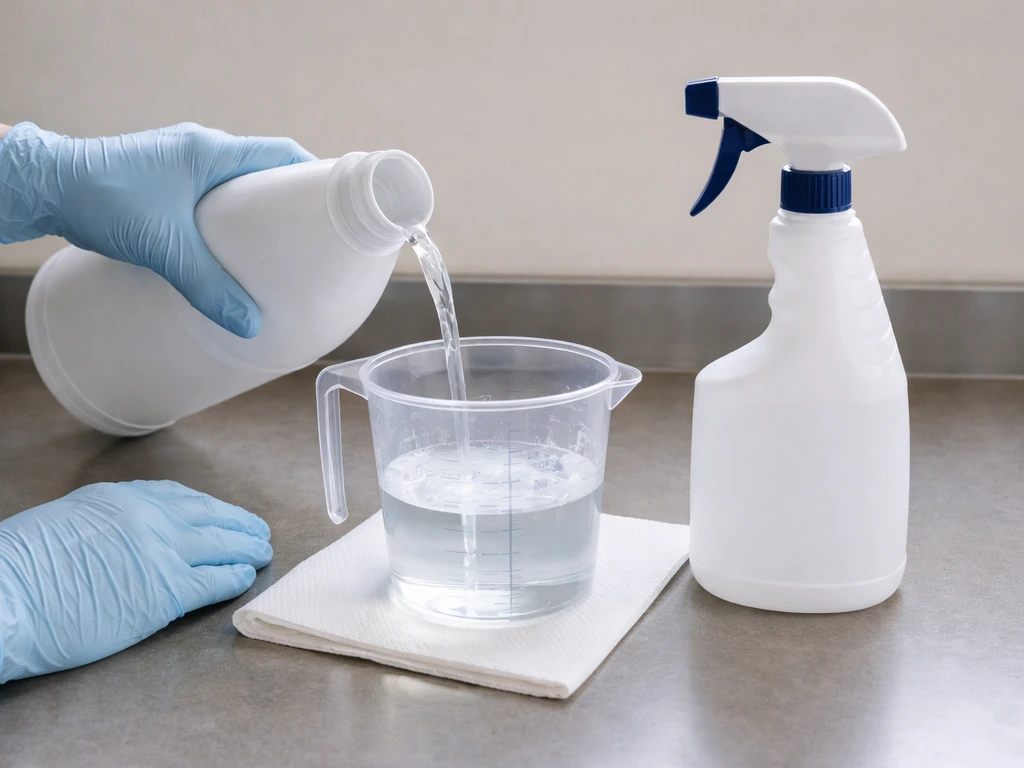
Any EPA-registered disinfectant with a label claim against influenza A viruses will kill bird flu on hard surfaces when used correctly. That means products built on sodium hypochlorite (bleach), hydrogen peroxide or peracetic acid, quaternary ammonium compounds (quats), or ethanol all work, but only if you follow the label dilution and let the product stay visibly wet for the full contact time. Does hypochlorous acid kill bird flu? Because it is an oxidizing disinfectant, it can work when it is properly diluted and left on the surface for the label contact time. Skipping either of those steps is the most common reason disinfection fails.
What Disinfectant Kills Bird Flu and How to Use It

Maya Chen
20 Jun 2026
Bird flu basics and why disinfection matters
Avian influenza (bird flu) spreads primarily through contact with infected birds, their droppings, feathers, secretions, and contaminated surfaces. The highly pathogenic H5N1 strain that has driven outbreaks through 2025 and into 2026 is shed in large quantities from infected poultry, making environmental contamination a real concern for backyard flock owners, farm workers, wildlife handlers, and anyone cleaning up after sick or dead birds. The good news is that the avian influenza virus is an enveloped virus, which means it has a lipid outer layer that most common disinfectants destroy easily. It is not a tough, non-enveloped pathogen like norovirus or parvovirus, so you don't need exotic chemistry to kill it, you need the right product used the right way.
Disinfection matters because the virus can survive on cold, moist surfaces for hours to days. Studies on H5N1 chlorine inactivation show that even at low temperatures like 5°C, chlorine-based disinfectants achieve significant log reductions, but concentration and contact time are critical variables. Surfaces contaminated with droppings, feather dust, or respiratory secretions from infected birds are the primary exposure risk, so targeted disinfection of those areas is your main line of defense.
What actually kills bird flu, and what 'best' really means
The EPA maintains List M, the official registry of antimicrobial products registered with label claims effective against avian influenza. The active ingredients across those registered products fall into a few main categories. None of them is magic, they all work through different mechanisms, and each has practical trade-offs depending on where and how you're cleaning. If you are asking whether Microban can kill bird flu, the more reliable answer is to use an EPA-registered disinfectant that is labeled for avian influenza and follow the contact-time instructions does microban kill bird flu.
| Active Ingredient | Common Products | Strengths | Watch Out For |
|---|---|---|---|
| Sodium hypochlorite (bleach) | Clorox bleach, generic household bleach | Cheap, widely available, proven efficacy against H5N1 | Inactivated by organic matter; never mix with acids or ammonia |
| Hydrogen peroxide / peracetic acid | Accelerated hydrogen peroxide products, peroxyacetic acid formulas | Good on organic loads, less corrosive than bleach on some surfaces | Shorter shelf life once diluted; can bleach fabrics |
| Quaternary ammonium compounds (quats) | Many commercial spray disinfectants, some wipes | Stable, good residual, less corrosive | Can be less effective in heavy organic soil; some strains show reduced susceptibility |
| Ethanol / isopropanol | Alcohol-based sprays, hand sanitizers | Fast acting, good for small surfaces and tools | Evaporates quickly, may not meet contact time on porous surfaces; flammable |
For most real-world home and backyard flock situations, a properly diluted bleach solution is the practical 'best' choice, it's inexpensive, highly effective against avian influenza, and available everywhere. The Michigan Department of Agriculture recommends a 1:32 bleach dilution for HPAI disinfection on surfaces. That works out to roughly half a cup of standard household bleach (5–6% sodium hypochlorite) per gallon of water. For larger-scale or commercial poultry operations, EPA-registered quaternary ammonium or hydrogen peroxide/peracetic acid products are often preferred because they're easier to apply in volume and less corrosive to equipment.
Products like Clorox disinfecting wipes and Lysol sprays can be effective if they carry an influenza A label claim, which many do. blank" rel="noopener noreferrer">Hypochlorous acid (HOCl) solutions have also shown strong virucidal activity against avian influenza virus in lab studies, making them a useful option for situations where bleach is impractical (like around animals or on sensitive surfaces). Hydrogen peroxide products are another solid choice with a strong research track record. The one thing all of these have in common: you have to use them as the label directs.
Step-by-step: how to disinfect for bird flu
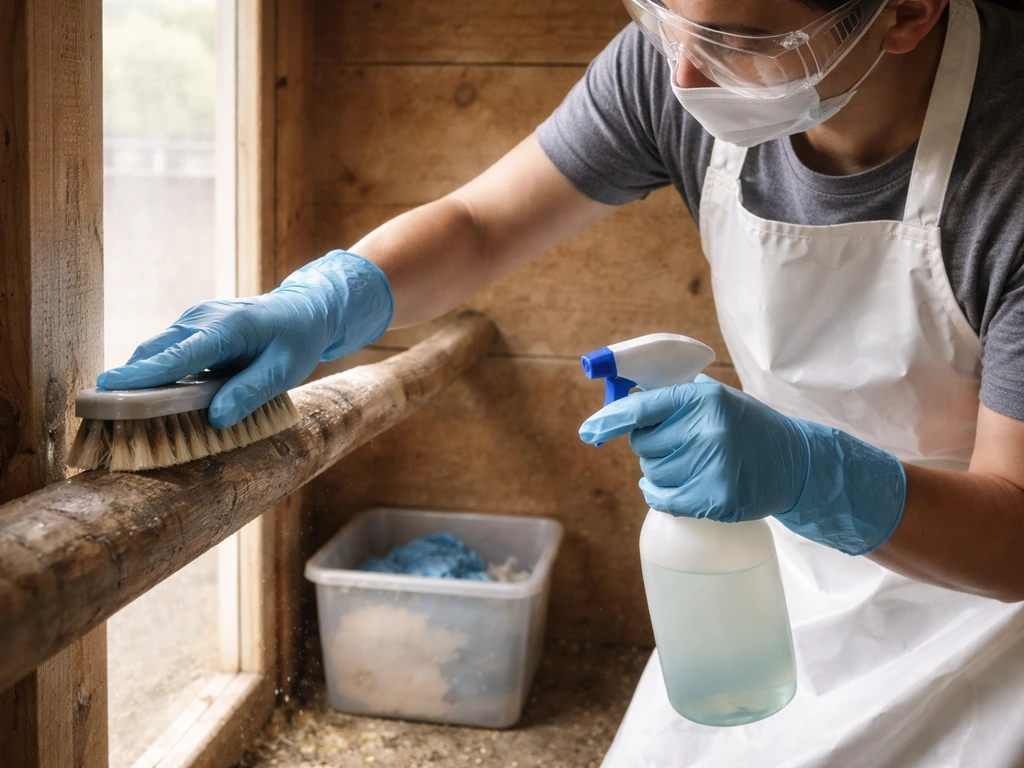
Disinfection and cleaning are two different things, and you need both, in that order. Applying disinfectant to a dirty surface doesn't work well because organic matter (droppings, mud, blood, feather dust) shields the virus and chemically neutralizes disinfectants, especially bleach. Here's the full process:
- Put on your PPE before you touch anything: gloves (disposable nitrile), eye protection, an N95 or higher respirator, and disposable coveralls or clothing you can immediately wash. Boots or shoe covers help if you're working in a coop or barn.
- Remove all loose organic material first. Scrape or sweep up droppings, feathers, bedding, and debris. Bag it in heavy-duty garbage bags and seal them. Don't dry-sweep in an enclosed space — wet the debris lightly first to reduce airborne dust.
- Pre-clean all surfaces with soap and water. Scrub until there is no visible dirt, mud, or organic residue. This step is non-negotiable. The CDC explicitly states that visible dirt must be removed before disinfecting.
- Rinse the soapy water away and allow surfaces to drain briefly — you don't want diluted soap interfering with your disinfectant.
- Apply your EPA-registered disinfectant at the correct dilution (see next section) using a sprayer, mop, or cloth. Make sure the entire surface is visibly wet.
- Leave the disinfectant on the surface for the full contact time listed on the label. Do not wipe it dry prematurely. For bleach solutions, the CFIA recommends a minimum of 10 minutes contact time under good conditions.
- Allow surfaces to air dry or rinse as directed by the product label.
- Remove and bag all disposable PPE. Wash hands thoroughly with soap and water immediately after, even if you wore gloves. Wash any reusable clothing separately in hot water.
Contact time, dilution, and surface compatibility, the label details that actually matter
This is where most people go wrong. A disinfectant is only effective at the concentration the manufacturer tested it at, and it only works if it stays on the surface long enough. Here's what to look for on any product label:
- Dilution ratio: Bleach-based products often list a specific ratio for disinfecting hard, non-porous surfaces. The 1:32 dilution (about 0.5 oz bleach per 16 oz water) is a common guidance point for HPAI scenarios. Do not assume 'more is better' — overly concentrated bleach can be corrosive and may still miss the optimal kill curve.
- Contact time: This is the minimum time the surface must stay visibly wet with the disinfectant. For many bleach solutions and quaternary ammonium products, this is between 2 and 10 minutes. Some products require longer. Set a timer if you need to.
- Organic load tolerance: Some products — particularly quats — specify a 'light soil' or 'clean surface' condition for their claims. That means they've only been tested on already-clean surfaces. Bleach and peracetic acid products generally have better tolerance for organic soil, but pre-cleaning is still required.
- Surface compatibility: Bleach is corrosive to metal over time and can damage rubber seals. Alcohol evaporates too fast on porous surfaces to maintain contact time. Check whether your disinfectant is rated for the surface you're treating.
- Temperature: Lab research shows that disinfectant efficacy can change with temperature. Colder conditions may require longer contact times. Most label directions assume room temperature (around 20°C/68°F).
If you're using a commercial product like a Clorox bleach cleaner or a quat-based spray, the product's technical data sheet (available from the manufacturer) lists exact contact times for specific pathogens. Whether Clorox wipes work for bird flu depends on the specific product and whether you can achieve the label contact time on a properly pre-cleaned surface do Clorox wipes kill bird flu. For influenza A specifically, many common products claim efficacy with a contact time of 2 to 10 minutes on pre-cleaned hard, non-porous surfaces.
What to disinfect: surfaces, droppings, tools, and food-contact items
Hard surfaces (floors, walls, coops, cages)
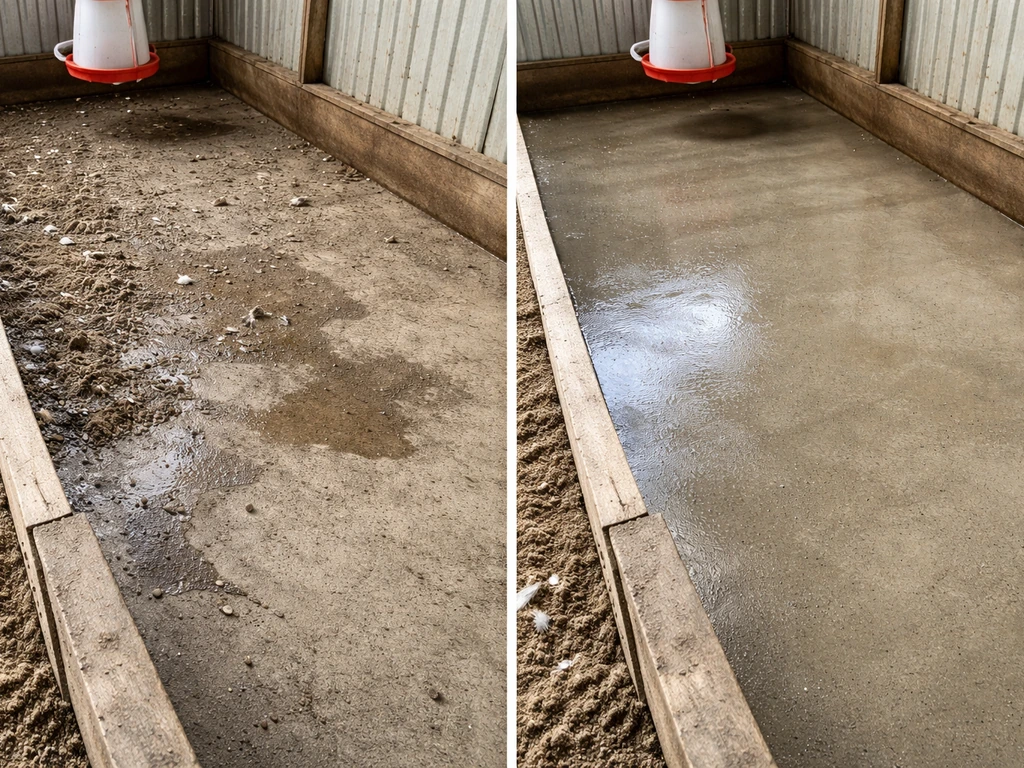
Concrete, wood, metal, and plastic surfaces in bird enclosures are the highest-priority targets. Pre-clean thoroughly, then apply your disinfectant solution generously so the surface stays wet. Porous surfaces like untreated wood are harder to fully disinfect because the virus can penetrate into the material, seal or replace heavily contaminated porous surfaces if possible.
Droppings and feathers
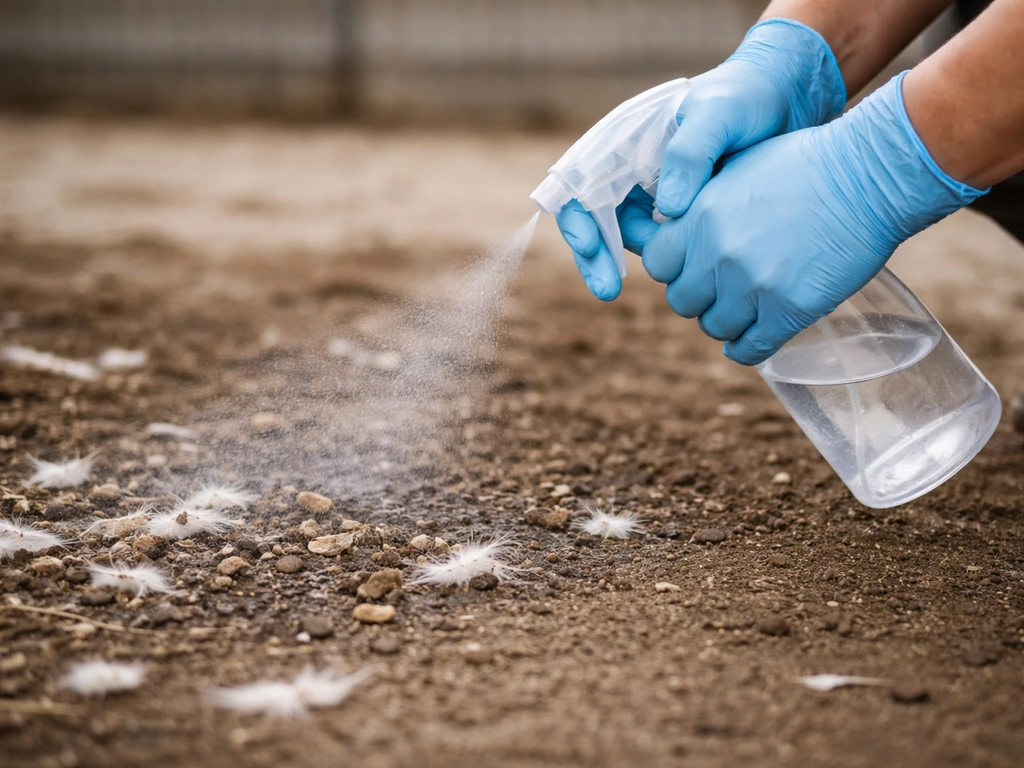
Droppings are the highest-concentration source of avian influenza virus in a contaminated environment. Never handle them dry and bare-handed. Wet the area first (lightly mist with water or a diluted disinfectant), then scoop and bag the material. Because bird flu virus can be shielded by contamination, you need thorough wet cleaning and the right disinfectant after pre-wetting for it to work, so it is worth checking whether hydrogen peroxide is effective for your specific situation Wet the area first. The surfaces underneath still need a full soap-and-water clean followed by disinfectant application. Feathers should be treated the same way, bag and seal, then disinfect the area.
Tools, equipment, and footwear
Shovels, brushes, feeders, waterers, and boots are common fomites that can carry virus between locations. Scrub them clean with soapy water, rinse, then submerge or spray with disinfectant and let them soak or sit for the full contact time. Footbaths with a diluted disinfectant solution are a standard precaution at the entrance to any area with suspected contamination.
Food-contact surfaces and utensils
If you're cleaning surfaces that come into contact with food (cutting boards, counters used for egg handling, etc.), use a food-safe disinfectant or a properly diluted, food-contact-approved bleach solution and rinse thoroughly after the contact time is complete. Standard household bleach at the right concentration is approved for food-contact surface sanitizing when diluted appropriately and rinsed, check the product label for the specific food-use dilution, which is typically more dilute than the general disinfection rate.
Safety and precautions during cleanup
PPE is not optional
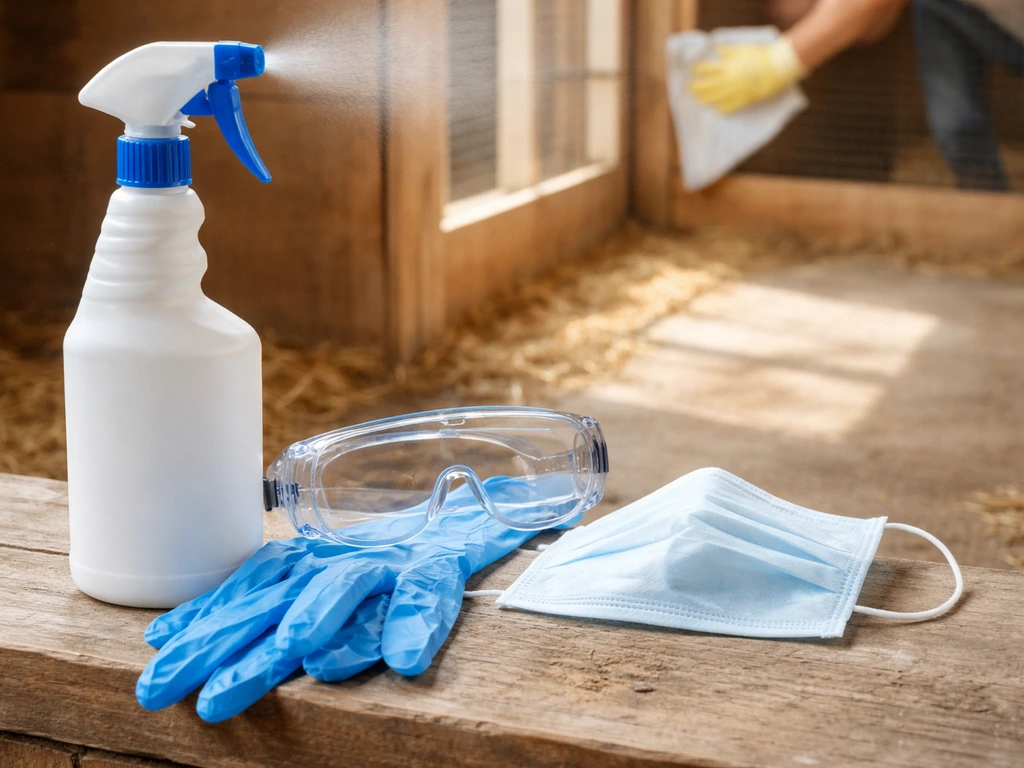
The virus enters through mucous membranes (eyes, nose, mouth) and potentially through skin contact with heavily contaminated material. An N95 respirator (or better) protects against inhaling contaminated dust. Disposable nitrile gloves protect your hands and should be removed carefully, inside-out, without touching the outer surface. Eye protection, safety glasses or goggles, is especially important when spraying disinfectants or disturbing dry droppings.
Ventilation matters
Work in well-ventilated areas whenever possible. Bleach fumes, even at working concentrations, can irritate the respiratory tract. If you're disinfecting an enclosed coop or room, open windows and doors, and take breaks in fresh air.
Never mix bleach with acids or ammonia
This is critical. Mixing sodium hypochlorite (bleach) with acidic cleaners, anything containing vinegar, some bathroom cleaners, or many multi-purpose sprays, produces chlorine gas, which is toxic even in small amounts. Mixing bleach with ammonia-based cleaners produces chloramine vapors, which are also harmful. The Washington State Department of Health and NIOSH both flag this as a serious hazard. Always use one product at a time, and rinse surfaces with clean water before switching between incompatible chemistries.
Prevent cross-contamination
The whole point of disinfection falls apart if you carry contamination out of the area on your boots, clothing, or tools. Change out of work clothing before entering your home. Bag contaminated disposables at the cleanup site, not inside. Clean your vehicle or transport equipment if it entered a contaminated zone. This is especially important if you keep multiple flocks or visit multiple bird locations.
When to call professionals instead of doing it yourself
DIY disinfection is appropriate for routine biosecurity, cleaning coops, disinfecting tools after a visit to another flock, or sanitizing surfaces after handling wild birds. It is not appropriate in every situation. Here's when you should stop and make some calls instead:
- You have a confirmed or strongly suspected HPAI outbreak on your property. In the US, a confirmed HPAI diagnosis triggers mandatory reporting to your state animal health official and USDA APHIS. They will direct or oversee the depopulation and decontamination process — don't start a large-scale cleanup before getting guidance.
- You find multiple dead wild birds in a concentrated area. Report this to your state wildlife agency or USDA Wildlife Services. Mass die-offs can signal active virus circulation and may require professional assessment.
- You have been directly exposed — handling sick or dead birds without PPE, or you're experiencing flu-like symptoms within 10 days of exposure. Contact your healthcare provider and local health department. Early antiviral treatment (oseltamivir/Tamiflu) is most effective when started quickly.
- The scale of contamination is beyond what you can safely manage — large commercial barns, extensive outdoor areas, or heavy organic contamination that requires pressure washing and industrial disinfectant volumes.
- You are unsure whether a bird is infected or not and have no PPE available. Observe from a distance, do not handle, and report it before approaching.
For backyard flock owners in the US, your first call after a suspected outbreak should be to your state veterinarian or state department of agriculture. They can confirm the situation, provide guidance specific to your circumstances, and connect you with USDA APHIS resources including professional cleaning and disinfection support. Acting quickly and through the right channels isn't just good for your flock, it's how outbreaks get contained before they spread further.
FAQ
What disinfectant kills bird flu if I only have a multi-purpose cleaner at home?
A multi-purpose cleaner only works if it is an EPA-registered disinfectant and the label includes influenza A (or avian influenza/HPAI) with a specific contact time. If the bottle is labeled “cleaner” or “deodorizer” without a disinfection claim, it will not be reliable, even if it contains surfactants.
Can I use disinfectant on soft items like bedding, towels, or feed sacks to kill bird flu?
Disinfectant is best for hard, non-porous surfaces. For soft or porous items, remove contamination first, then launder using hot water and a detergent, or discard if heavily soiled. If you use disinfectant on porous fabrics, it often cannot be guaranteed to achieve full penetration and the label contact time.
Do wipes like Clorox wipes kill bird flu if I cannot keep the surface wet for the full time?
They should not be relied on if the surface dries before the label contact time. Wipes can be “diluted” by evaporation and thin application, so re-wipe to keep the area visibly wet for the full required minutes, or switch to a liquid disinfectant you can apply more generously.
What is the biggest mistake that prevents disinfectants from working against bird flu?
Skipping the pre-clean step. Organic material like droppings, feather dust, or mud shields the virus and can neutralize chemistry, so you need soap-and-water cleaning first, then disinfectant applied at the label dilution with the required wet contact time.
Is hypochlorous acid (HOCl) better than bleach for killing bird flu around animals?
HOCl can be effective when properly diluted and left for the full contact time, and it is often less irritating than bleach. “Better” depends on practicality, because HOCl products vary by concentration and formulation, so you should match the label contact time and dilution rather than assuming all HOCl sprays are equivalent.
How should I disinfect concrete or wood in a coop, especially if stains remain after cleaning?
If stains or residue remain, keep cleaning until the surface is visibly free of soil, because residual contamination can block disinfectant contact. For untreated wood, disinfection is harder to fully verify due to porosity, so seal and/or replace heavily contaminated porous materials when feasible after cleaning.
Can I disinfect feeders and waterers without damaging them?
Yes, but follow material compatibility guidance on the product label. Many quats and chlorine solutions can be corrosive or leave residues, so after the label contact time you may need a thorough rinse, especially for items birds drink from or touch food.
Should I rinse after using bleach or quaternary ammonium disinfectant?
Rinsing is situation- and label-dependent. Food-contact surfaces generally require rinsing after the disinfectant contact time, but some surfaces can remain wet without rinsing. Check the specific label instructions for whether rinsing is required, especially for equipment and areas where birds will contact surfaces.
What should I do if I accidentally mixed bleach with another cleaner while disinfecting?
Stop immediately and ventilate the area (open doors and windows). Do not continue work until you have cleared fumes, and avoid re-entering without fresh air. If anyone has symptoms like coughing, burning eyes, or trouble breathing, seek urgent medical advice and follow the safety guidance on the product labels.
How do I disinfect boots and tools to prevent spreading bird flu between flocks?
Clean off visible soil with soap and water first, then apply disinfectant and keep items wet for the full contact time. Use disposable or dedicated coverings when possible, and have a dedicated footbath or spray zone at the entry to reduce the chance you carry contamination outside the cleaned area.
When should I stop DIY disinfection and call a veterinarian or state agency?
Call immediately if you suspect a confirmed or highly pathogenic outbreak, if multiple birds are sick or dying, if you are dealing with wildlife die-offs plus domestic flocks, or if you cannot identify an appropriate EPA-registered product and contact time for your exact surfaces. Early coordination helps prevent the kind of missed steps that allow outbreaks to spread.
Next Article
Does Bleach Kill Bird Flu? Safe Disinfection Steps
Yes, bleach can disinfect avian flu if diluted and used correctly. Learn safe dilution, timing, prep, and limits.