
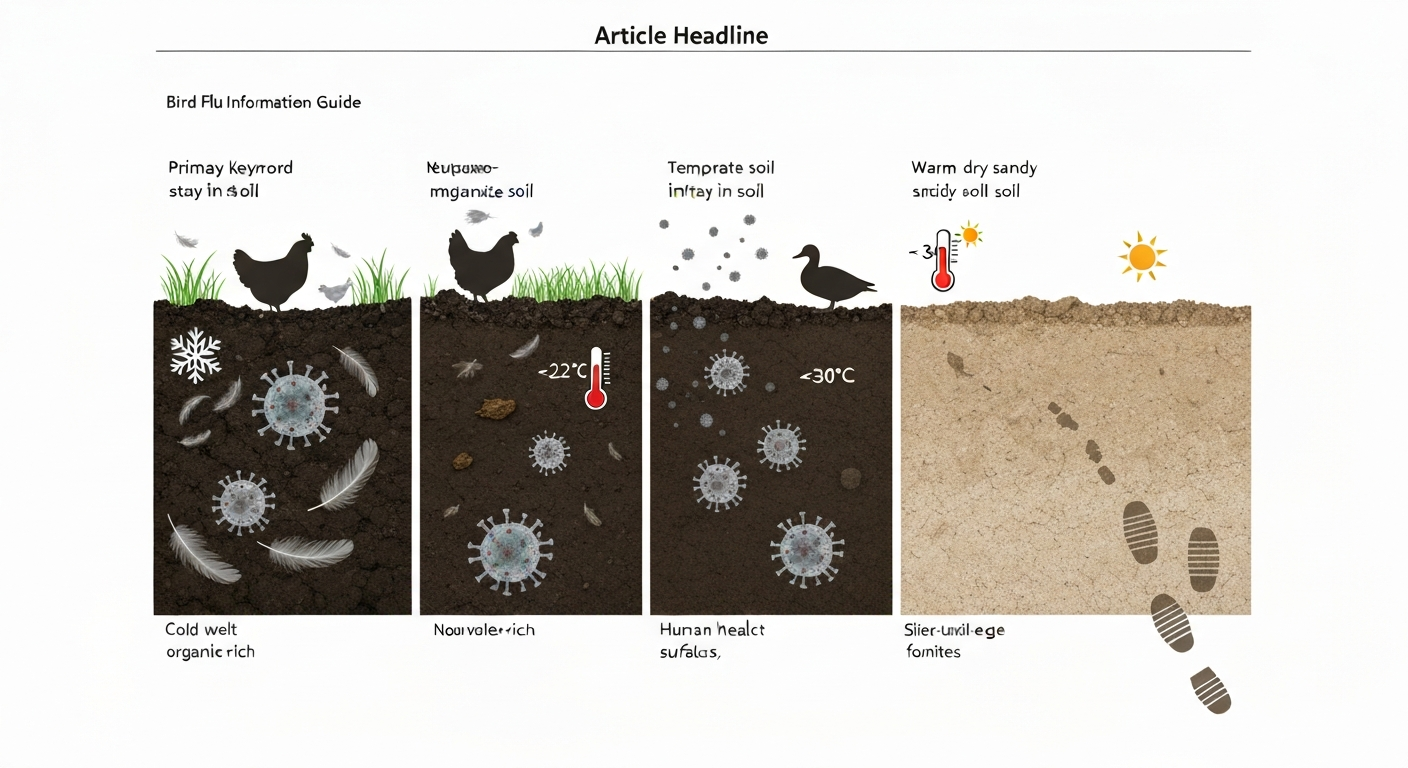
Bird flu virus can survive in soil anywhere from a few days at warm summer temperatures to potentially around a year under cold, moist, organic-rich conditions. The most commonly cited experimental range is roughly 2 to 49 days at typical outdoor temperatures (22°C/72°F), stretching to an estimated 365 days at near-freezing temperatures (5°C/41°F) based on USDA APHIS compiled data. Those upper estimates assume ideal conditions for the virus: cold, shaded, damp soil with plenty of organic matter. Sunlit, dry, acidic, sandy soil is far less hospitable and inactivates the virus much faster.
How Long Does Bird Flu Stay in Soil: Survival, Risks & Cleanup

Maya Chen
12 Aug 2026
Who should read this and how to use it
This article is written for anyone who needs a practical, evidence-grounded answer about avian influenza and soil contamination. That includes backyard poultry keepers wondering whether their yard is still safe after a nearby outbreak, wildlife managers and vets responding to dead bird events, and public-health-aware readers trying to understand what the science actually says. You do not need a biology background to follow it. I have tried to write it the way I would explain it to a neighbor who keeps chickens: honest about what we know, honest about the gaps, and focused on what you can actually do about it.
The article moves from headline numbers to the underlying biology, then to specific studies, a comparison across environments, and finally to transmission routes and practical steps. If you only have two minutes, read the quick takeaways and the disinfection section. If you are making a farm biosecurity or disposal decision, read everything.
Quick takeaways you can act on now
- Cold, moist, shaded soil with high organic content keeps the virus infectious the longest. Warm, dry, sunny, acidic, sandy soil inactivates it much faster.
- Infectious virus in soil is a real but often overstated risk: environmental PCR tests frequently detect viral RNA without finding any culturable, infectious virus.
- A waiting period of at least 30 days is a reasonable minimum before restocking poultry in a contaminated outdoor area, longer in cold weather or organic-rich soil.
- Sunlight is a powerful inactivator on exposed surfaces, but buried or shaded virus in soil, manure, or feathers is largely protected from UV.
- Footwear is a major fomite risk for moving virus from contaminated soil into clean areas. Treat shoes as a priority decontamination point.
- Lime treatment, composting with sustained internal temperatures, and heat treatment are all evidence-based ways to reduce infectivity in soil-associated organic material.
- Report clusters of dead wild birds to your state veterinarian or wildlife agency rather than handling carcasses directly.
- PCR-positive soil does not automatically mean high infectious risk, but it warrants precaution until infectious status is clarified.
How avian influenza viruses behave in the environment
Avian influenza viruses, like all influenza A viruses, are enveloped viruses. That lipid envelope is their Achilles heel outside a host. Heat, UV radiation, desiccation, and many common disinfectants disrupt that envelope and destroy infectivity relatively quickly. But in a protective matrix such as wet soil, manure, or organic debris, the envelope is shielded from those threats and the virus can persist at infectious levels far longer than most people expect.
In the environment, avian influenza viruses do not replicate. They only decay. The rate of that decay depends almost entirely on physical and chemical conditions: temperature is the dominant factor, followed by moisture, UV exposure, pH, and the amount of organic material present. High-pathogenicity strains like H5N1 and H5N2 behave similarly to low-pathogenicity strains in environmental survival studies. Pathogenicity in birds is a biological property inside a host, not a property that directly makes the virus more durable outside one.
Soil is not a single environment. Sandy, acidic topsoil with direct sun exposure is fundamentally different from shaded, compost-enriched poultry yard soil. The virus experiences those two environments very differently, which is why giving a single survival number for 'soil' is inherently misleading. Context always matters.
How long bird flu survives in soil: the ranges and what drives them
The most widely cited experimental data, compiled by USDA APHIS, puts soil survival at approximately 49 days at 22°C (about 72°F) and as long as 365 days at 5°C (about 41°F). For details on survival on non-soil materials, see the related section on how long does bird flu live on surfaces. These are upper estimates derived from controlled laboratory conditions designed to measure maximum persistence, not typical field outcomes. In real outdoor soil with variable temperature, sunlight, and drying cycles, survival is usually shorter. A South Korean burial study recovered infectious AIV from sealed soil and carcass samples for only up to 2 days at room temperature, though viral RNA remained detectable for up to 21 days in organic samples, which illustrates the gap between RNA detection and actual infectious persistence.
Temperature
Temperature is the single most important factor. Every systematic review and meta-analysis of influenza A environmental persistence confirms this. The virus decays exponentially faster as temperature rises. At freezing or near-freezing soil temperatures (common in winter in northern climates), the virus can remain infectious for weeks to months. At summer soil temperatures in the 30°C (86°F) range, survival measured in days to a week or two is more realistic. USDA APHIS guidance recommends heat treatment at 100 to 120°F (38 to 49°C) maintained for 7 days to eliminate the virus in poultry houses, which illustrates the combination of sustained heat and time needed. Using Heat Treatment for Virus Elimination (USDA APHIS guidance) recommends maintaining 100–120°F (38–49°C) for 7 days to eliminate avian influenza in poultry houses.
Moisture
Wet conditions protect the virus. Desiccation destroys the lipid envelope and rapidly inactivates AIV. Mud, saturated soil near water sources, and waterlogged poultry yards therefore represent higher-risk soil environments than dry, well-drained ground. Field and sediment studies consistently find that cold, moist matrices (wet feces, puddle mud, sediment) sustain infectious virus longer than dry counterparts.
UV radiation and sunlight
Direct sunlight is highly effective at inactivating exposed virus. Simulated sunlight experiments have found aerosol half-lives of around 2.4 minutes under full simulated sunlight intensity. UVB laboratory experiments on H5 and H7 viruses show exponential infectivity loss under continuous UV flux. The critical caveat is that UV only reaches what it can see. Virus buried in soil, mixed into manure, covered by feathers, or shaded by buildings or vegetation is largely protected from UV inactivation. So sunlight helps on bare, exposed surfaces but offers little protection in the shaded, organic-rich soil of a poultry yard.
pH and soil chemistry
Neutral to slightly alkaline pH generally favors virus survival. Acidic conditions tend to accelerate inactivation. This is practically significant: acidic, sandy soils inactivate HPAI faster than neutral or alkaline, compost-enriched soils. A 2012 Emerging Infectious Diseases study using three soil types (sandy acidic topsoil, building sand, and soil-based compost) found that sandy acidic topsoil did not transmit infection to chickens even at high contamination doses, while compost and building sand could transmit infection. This is some of the clearest experimental evidence that soil type genuinely modifies transmission risk, not just persistence.
Organic matter
Organic material acts as a physical and chemical buffer. It protects the virus from UV, moderates temperature swings, maintains moisture, and can sustain a near-neutral pH. Poultry yard soil with litter, feathers, and fecal debris mixed in is therefore the highest-risk soil type. Compost-like conditions, paradoxically, sustain the virus better than clean sandy soil unless composting temperatures are actively managed to reach and hold the temperatures needed for inactivation.
Strain differences
Different strains of avian influenza A show some variation in environmental persistence, but temperature, moisture, and substrate appear to matter far more than the specific strain in most comparative studies. H5N1 HPAI has been the most studied high-pathogenicity strain in soil and environmental matrices. Low-pathogenicity strains are not necessarily shorter-lived outside a host.
What the key studies actually show, and where they fall short
A handful of studies are worth knowing about specifically because they are directly about soil, not just water or surfaces.
The 2012 Emerging Infectious Diseases study on contaminated soil and H5N1 transmission to chickens is particularly important because it moved beyond survival and asked whether contaminated soil actually transmits infection. The answer was: it depends on the soil. Sandy acidic topsoil did not transmit infection. Compost and building sand did, but only at high contamination doses. The implication is that risk from soil contact is not uniform and that soil type matters as much as mere presence of viral RNA.
The 2019 South Korean burial study is useful for people making disposal decisions. Infectious virus was recoverable from sealed soil and carcass samples for only about 2 days at room temperature, while viral RNA persisted to 14 to 21 days. Field-buried carcasses showed no infectious virus and limited RNA after approximately one month, which supports burial as a practical attenuation method when combined with appropriate monitoring and depth.
Broader meta-analyses (Dalziel 2016 and the Frontiers 2018 Bayesian meta-analysis on H5N1 in water) quantify what field workers already observe: temperature explains the vast majority of variation in AIV environmental persistence. These water-based studies are the most statistically rigorous, and their temperature findings translate well to moist soil matrices, even though soil is a more complex substrate than clean water.
The most important limitation across all of these studies is that most environmental survival work is done in controlled laboratory settings. Field soil is far more variable: temperature fluctuates daily and seasonally, moisture is uneven, UV exposure changes with weather and season, and competing microorganisms in natural soil can accelerate viral decay in ways that sterile lab substrates do not replicate. Field-based studies like the 2022 PMC field infectivity duration study in lake and wetland sediments found cold, near-neutral, low-salinity conditions prolonged detection by weeks to months, consistent with lab predictions, but they also confirmed that infectious virus isolation from field environmental samples is much harder to achieve than PCR detection. A PCR-positive soil sample does not equal an infectious sample.
Soil versus surfaces, bird feces, and footwear: a comparison
Understanding how soil stacks up against other common environmental reservoirs helps prioritize where to focus your biosecurity effort. The table below summarizes survival ranges across the four main environmental categories you are likely to encounter.
| Environment | Typical survival range | Key modifying factors | Infectious virus isolated from field samples? |
|---|---|---|---|
| Soil (cool, moist, organic-rich) | Weeks to ~365 days (lab, 5°C) | Temperature, moisture, pH, organic matter, UV shading | Rarely; RNA more common than culturable virus |
| Soil (warm, dry, sandy, acidic) | Hours to a few days | Heat, desiccation, UV exposure, low pH | Very rarely |
| Bird feces / poultry manure | Hours at high temps; days to weeks at cool temps | Temperature is dominant; moisture and organic content | Yes, especially in fresh, cool feces |
| Hard surfaces (plastic, metal, concrete) | Hours to a few days at room temp; longer when wet and cold | Surface porosity, moisture, temperature, UV | Yes, in controlled lab studies |
| Footwear (soles, fabric) | Hours to days on hard soles; longer in mud/fecal debris caught in treads | Material type, debris load, temperature, UV | Plausible fomite; used in outbreak epidemiology |
The comparison reinforces a consistent pattern: the more a matrix resembles cold, wet, organic material, the longer the virus persists. Fresh bird feces at cool temperatures is generally considered the highest-risk common environmental source for infectious virus. For more on survival in feces specifically, see the section on how long does bird flu live in bird poop. Moist, organic-rich soil is a close second. Dry hard surfaces and warm, exposed soil are lower risk but not zero risk. Footwear picks up the highest-risk material from soil and feces and then carries it into clean areas, which is why shoe decontamination is treated as a biosecurity priority comparable to surface disinfection.
How virus moves from contaminated soil to birds and people
Contaminated soil does not just sit there. It moves, and understanding the routes of movement helps you decide which controls to prioritize.
Wild birds as mobile vectors
Wild waterfowl are the primary natural reservoir for avian influenza A viruses and are the most important reason why soil contamination in wetlands, fields, and poultry yards near open water can appear or reappear. Birds shed virus in their feces onto soil, mud, and water. Other birds then forage in those areas, contact contaminated substrate, and either become infected or carry virus on their feet and feathers to new locations. This is the fundamental wildlife-to-poultry transmission pathway.
Aerosols and dust
Dried contaminated soil, dust, and litter can become airborne and carry viral particles. Wind dispersal modeling and genetic-epidemiologic studies suggest that dust-borne or litter-borne spread can contribute to farm-to-farm transmission at short to kilometer-scale distances under the right conditions (dry weather, wind, proximity). See how far can bird flu travel for more on distances and mechanisms of spread. Modelling the Wind-Borne Spread of Highly Pathogenic Avian Influenza Virus between Farms (PLOS ONE, 2012) provides wind-dispersal modeling that supports the conclusion that dust- or litter-mediated spread can contribute to farm-to-farm transmission at short to kilometer scales under certain environmental conditions. The aerosol half-life of influenza A in outdoor air is dramatically shortened by UV and humidity, so long-distance airborne infectious spread from soil is generally limited, but local spread from a dusty contaminated yard is a real pathway. This is one reason the USDA recommends reducing and managing dust and litter in and around poultry facilities during outbreak periods.
Fomites and footwear
Fomites, meaning inanimate objects that carry virus, are a well-documented pathway for moving contamination from soil into clean areas. Footwear is the classic example: mud and fecal debris trapped in boot treads carry the highest-risk matrix (cool, moist, organic) directly from a contaminated field or yard into a poultry house or vehicle. For specific practical guidance on contamination risks and decontamination steps for footwear, see our section on how long does bird flu live on shoes. Equipment tires, clothing, and shared tools follow the same logic. The practical implication is that a disinfectant footbath or boot change at the boundary between a potentially contaminated outdoor area and a clean indoor space is one of the highest-value single biosecurity interventions available.
Direct contact
Poultry that range outdoors on contaminated soil can pick up virus by pecking at the ground, walking through contaminated mud, or preening contaminated feathers. The 2012 soil transmission study showed this route works in the lab under high contamination doses in susceptible soil types, and outbreak epidemiology frequently implicates outdoor range areas as exposure points. For people, direct soil-to-human infection with avian influenza is theoretically possible but extremely rare. The primary human risk from soil is indirect: soil contaminates surfaces, footwear, and hands, which then provide a pathway to mucous membranes. Basic hand hygiene after working in potentially contaminated areas addresses most of that risk.
What increases movement and what reduces it
- Increases risk: high foot traffic through contaminated areas, poor boot hygiene, dry windy weather mobilizing dust, close proximity to water bodies frequented by wild waterfowl, free-range poultry with access to areas where wild birds congregate.
- Reduces risk: hard boundaries between wild bird habitat and poultry areas, boot change or footbath protocols at entry points, prompt removal of organic debris, restricting outdoor access during active local outbreaks, covering or liming soil in high-risk areas.
Realistic risk to poultry and people from soil contact
For backyard and commercial poultry, soil is a legitimate transmission risk, particularly in cool, wet seasons and in yards with a history of wild bird activity or nearby outbreaks. The risk is real enough that authorities recommend standdown periods before restocking: a minimum of 30 days after cleaning and disinfection under normal conditions, longer under cold conditions or in high-organic-content yards where persistence is expected to be extended. These waiting periods are not arbitrary; they reflect the environmental survival data.
For people, the risk from soil contact is genuinely low. Human infections with avian influenza require close, sustained contact with infected birds or their secretions at high viral loads. Incidental soil contact, such as walking in a field where wild birds have been, is not a documented route for human infection in epidemiological data. The precautions recommended for people (gloves, hand hygiene, avoiding direct contact with sick or dead birds, not touching your face after handling potentially contaminated material) are proportionate to that risk level.
Waiting periods, carcass disposal, and disinfecting contaminated soil
If you have confirmed or suspected avian influenza contamination on your property, the steps below reflect evidence-based guidance from USDA APHIS, CDC, and international animal health authorities.
Waiting periods before restocking poultry
A minimum of 21 to 30 days after full cleaning and disinfection is the standard recommended standdown for indoor poultry facilities. For outdoor soil areas, a longer period is warranted, especially in cool weather. Many authorities recommend 60 to 90 days for outdoor runs in cold climates, combined with liming or other soil treatment. The South Korean burial data showing that field-buried carcasses yielded no infectious virus and limited RNA after about one month under monitored conditions supports a roughly 30-day baseline for organic soil under normal temperatures, with extension for cold conditions.
Carcass and contaminated material disposal
- Do not handle carcasses of wild birds or suspected infected poultry with bare hands. Use disposable gloves and, ideally, a mask (N95 or equivalent) and eye protection.
- Double-bag carcasses in heavy-duty plastic bags before disposal.
- For small numbers of wild bird carcasses, contact your state wildlife agency or state veterinarian before disposal. They may want samples for surveillance.
- Burial of carcasses, when permitted, should be at sufficient depth (typically at least 1 meter) to prevent scavenger access and with lime treatment of the burial site to accelerate inactivation.
- Composting with managed internal temperatures is an evidence-based option for larger volumes of poultry litter and carcass material. Internal pile temperatures must be sustained at levels that inactivate the virus (typically 55°C or higher for extended periods). Simple low-temperature sun-drying is not sufficient.
- Lime treatment of contaminated soil and organic material acidifies and desiccates the substrate, both of which accelerate virus inactivation. Hydrated lime applied to the soil surface and worked in is commonly used.
Disinfecting soil, surfaces, and footwear
True soil disinfection, in the sense of eliminating virus throughout a volume of soil, is impractical for large outdoor areas. The strategy for soil is therefore to reduce the infectious load through physical removal of organic debris, lime treatment, and time, combined with strict fomite control to prevent movement of contaminated material. For surfaces and footwear, direct disinfection is practical and highly effective.
- Remove all visible organic material (feces, feathers, litter, mud) from surfaces and footwear before applying disinfectant. Organic material neutralizes most disinfectants.
- For hard surfaces, use EPA-registered disinfectants effective against avian influenza A. Sodium hypochlorite (bleach) at 0.1% concentration, quaternary ammonium compounds, and accelerated hydrogen peroxide products are all effective when organic material has been pre-removed. Follow label contact times, typically a minimum of 10 minutes of wet contact.
- For footwear, use a footbath with an appropriate disinfectant (quaternary ammonium at labeled concentration, or dilute bleach at 1:32 dilution) at entry and exit points to contaminated areas. Scrub boot treads with a stiff brush before placing in the footbath.
- PPE for working in known contaminated areas: disposable coveralls or dedicated clothing, waterproof boots, N95 respirator (especially when dust is present), safety glasses or goggles, and nitrile gloves. Remove PPE before leaving the contaminated zone and dispose of or bag for laundering.
- For soil treatment, apply hydrated or agricultural lime at rates specified by your veterinarian or extension service, work into the top layer, and allow the area to dry before restocking.
- Heat treatment for poultry house surfaces: USDA APHIS recommends 100 to 120°F (38 to 49°C) maintained for 7 days in cleaned and disinfected poultry houses before restocking.
When and how to report dead wild birds
A single dead bird is not usually cause for alarm, but clusters of dead wild birds (particularly waterfowl, raptors, or corvids) should be reported. In the United States, contact your state veterinarian, state wildlife agency, or USDA APHIS Wildlife Services. Do not collect or move carcasses until guidance is provided. If you have poultry and find dead wild birds nearby, treat it as a biosecurity event: restrict poultry access to the area, review your boot hygiene protocols, and monitor your birds closely for any signs of illness for at least 10 to 14 days.
The bottom line on soil and bird flu risk
Bird flu virus in soil is a real, evidence-supported concern, but it is a manageable one when you understand what conditions matter. Cold, wet, shaded, organic-rich soil is the worst case. Warm, dry, sunny, acidic sandy ground is far less risky. Infectious virus in soil is harder to demonstrate than PCR-positive soil, which means the actual infectious risk is often lower than a positive environmental test suggests. The controls that work (boot hygiene, organic material removal, lime treatment, waiting periods, composting) are all practical, relatively low-cost, and well-supported by the evidence. Knowing which type of soil you are dealing with, what season it is, and what your specific exposure pathway is will help you calibrate your response proportionately rather than reacting to worst-case numbers in isolation.
FAQ
Headline answer: How long does bird flu (avian influenza) remain infectious in soil?
Short answer: It depends a lot on conditions. In general, avian influenza viruses (AIV) can survive hours-to-days in warm, dry, UV‑exposed soils and organic dust, but persistence can extend to weeks or even months in cool (≈0–5°C), moist, organic-rich or shaded soils. Reported experimental values range from days at typical temperate/warmer conditions to many weeks or longer under cold, wet, neutral‑pH conditions.
What environmental factors make AIV survive longer or shorter in soil?
Factors that extend survival: low temperature (colder = longer), high moisture or water saturation, neutral-to-alkaline pH, high organic matter (manure, compost), low UV exposure (shading/burial), and embedding in particulate/feather/soil matrices that shield virus. Factors that shorten survival: higher temperatures, direct sunlight/UV, desiccation (drying), acidic soils, low organic content (clean sand), and microbial activity that can degrade virus.
What ranges of survival times have studies reported for AIV in soil and related matrices?
Reported experimental ranges vary by matrix and conditions: • Cool, wet/organic soils or sediments: infectious virus detected for weeks to months in some studies. • Moderate temperatures (~20–25°C): persistence often measured in days-to-weeks. • Warm conditions (>30°C) or direct sunlight: survival often drops to hours‑to‑days. • Buried carcass/soil mixtures in some trials yielded infectious virus for a few days at room temperature, while RNA persisted longer (weeks). These are study‑specific results and vary by strain and exact conditions.
Which virus strains or matrices are more/less stable?
Strain differences occur, but temperature and matrix usually dominate. Some HPAI strains (e.g., H5N1) have been shown to persist in organic matrices longer than others under the same conditions. Matrices: water and wet feces generally support longer survival than dry surfaces; organic-rich compost or manure can protect virus; sandy acidic soils tend to inactivate virus faster.
What are the main limitations of the studies on AIV survival in soil?
Key limitations: most work is laboratory-controlled and may not capture field heterogeneity (microbial activity, fluctuating temperature/UV, soil composition). PCR detection of viral RNA does not equal infectious virus — many environmental PCR‑positive samples fail to yield culturable virus. Experimental inoculation doses may be higher than real-world contamination. Different studies use varied methods and strains, so direct comparisons require caution.
How does survival in soil compare with survival on surfaces, in feces, and on footwear?
General hierarchy: water and wet feces/sediment > organic-rich soil/mud > clothing/litter damp with feces > dry hard surfaces > skin. On porous, organic surfaces and in moist feces, virus can persist longer (days-to-weeks in cool conditions). On footwear, virus on soles or contaminated mud can remain infectious for hours-to-days depending on moisture and temperature; dried dust on shoes reduces survival but can still pose a short-term fomite risk.
Next Articles
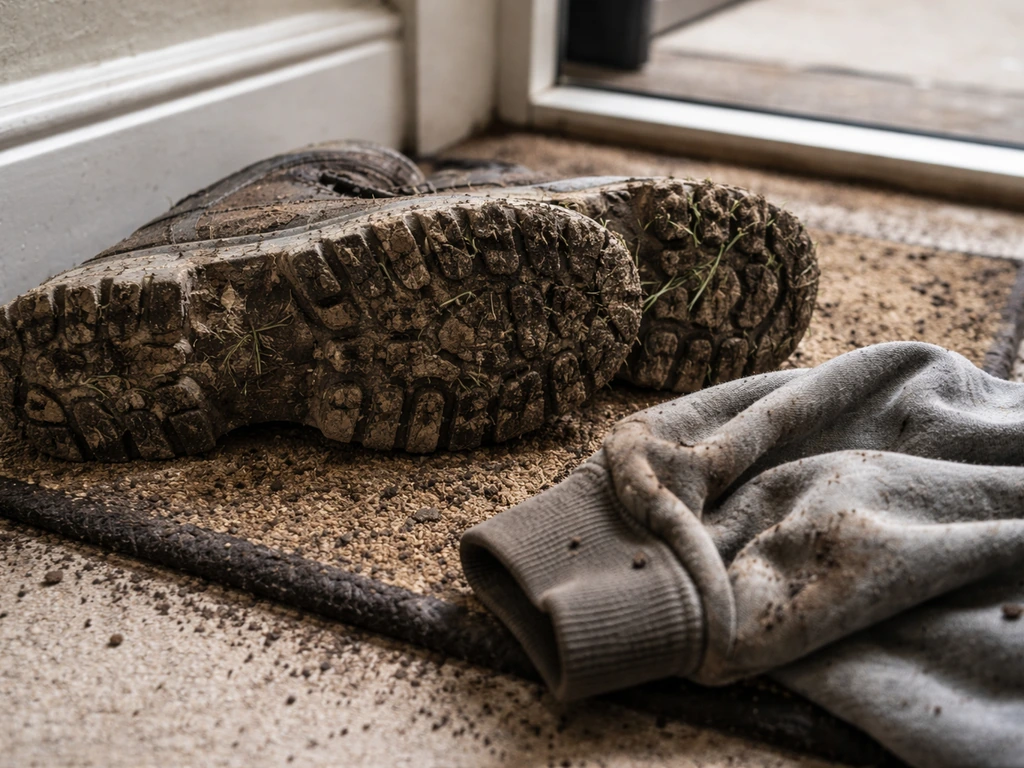
How Long Does Bird Flu Live on Shoes and Clothes?
Estimate how long bird flu can stay infectious on shoes and fabric, and practical cleaning steps to reduce risk.
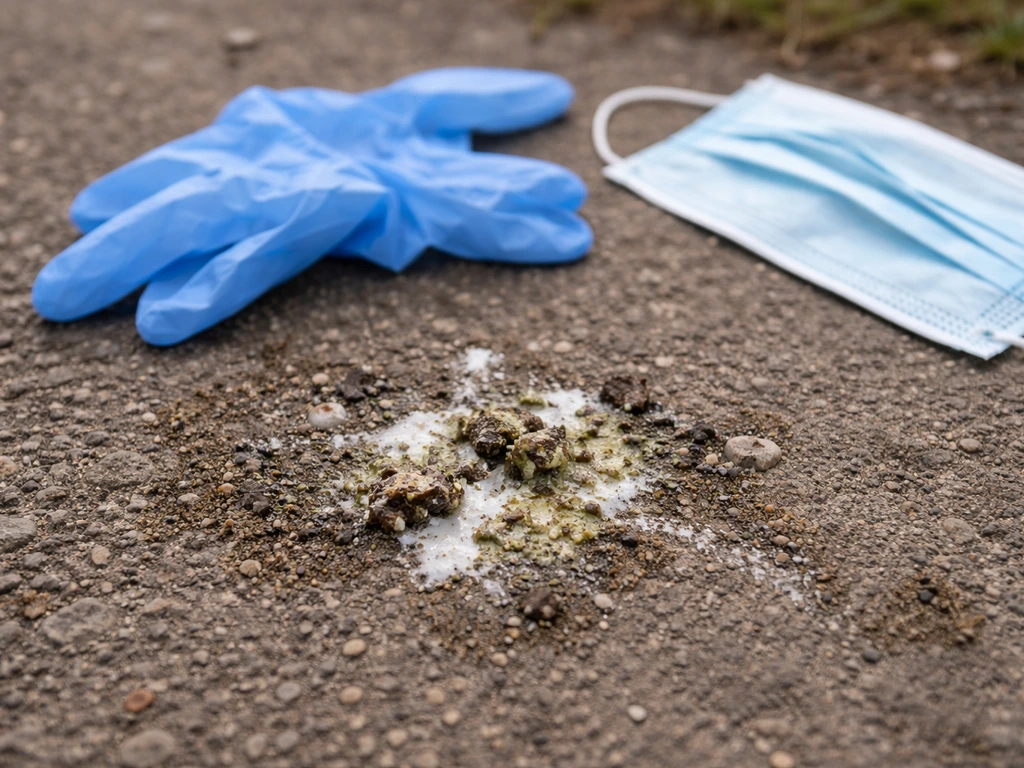
How Long Does Bird Flu Live in Bird Poop?
How long bird flu can remain infectious in bird poop, what affects survival, and safe cleanup and exposure steps.
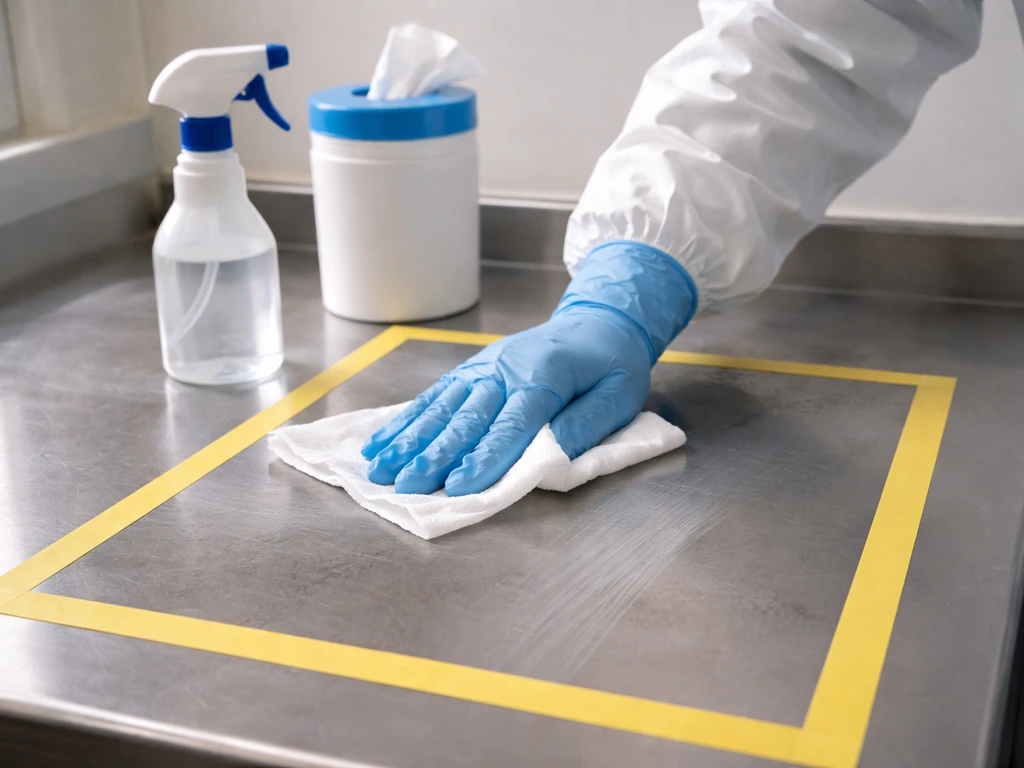
How Long Does Bird Flu Live on Surfaces? Timeline and Cleanup
Learn how long bird flu can remain viable on surfaces, factors that change it, and step-by-step cleanup to reduce risk.