
Chicken meat itself is not considered a meaningful risk for bird flu transmission when it has been properly handled and cooked. Every major public health authority, including the WHO, CDC, and USDA, agrees on this point: there is no evidence that anyone has been infected with avian influenza by eating properly prepared and cooked poultry. The virus is killed by heat, and the food supply has layers of protection built in before a piece of chicken reaches your kitchen.
Is Chicken Meat Affected by Bird Flu? Food Safety Guide

Maya Chen
18 Jun 2026
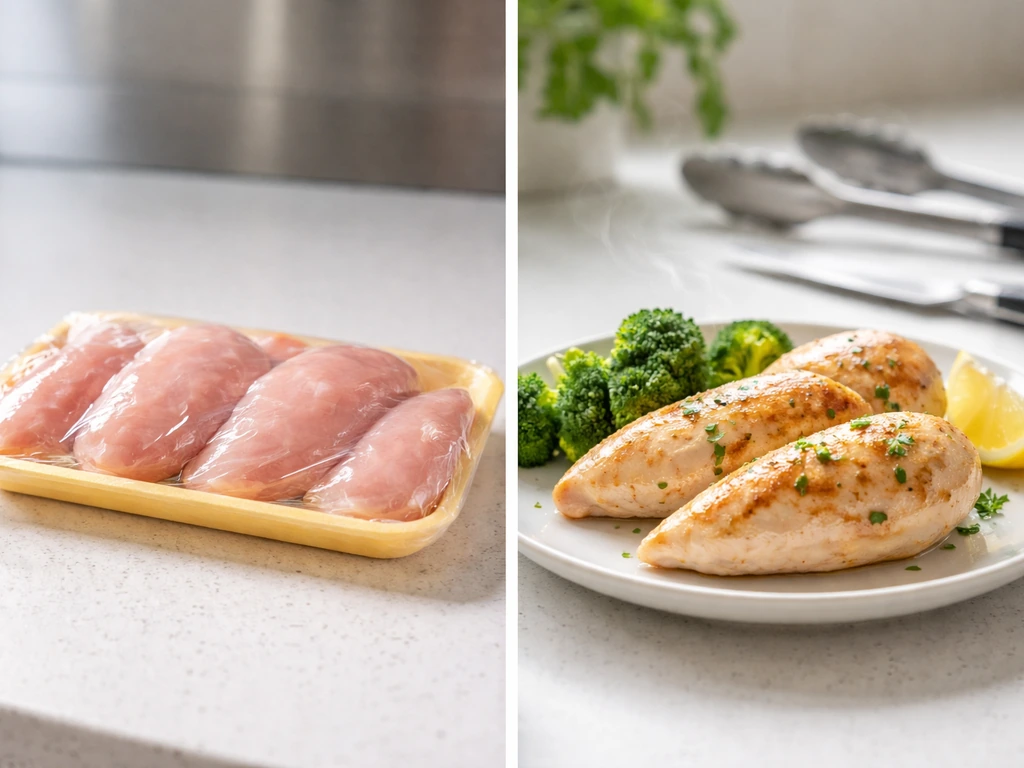
Why chicken meat isn't the problem
Bird flu is a respiratory virus. In live birds, it primarily infects the respiratory tract, digestive tract, and in severe highly pathogenic (HPAI) cases, internal organs. The way it spreads between birds and from birds to people is overwhelmingly through direct contact: inhaling contaminated droplets, touching infected birds, or getting the virus on your hands and then touching your eyes, nose, or mouth. That transmission route is completely different from the foodborne route that would be required for eating chicken to be dangerous.
For chicken meat to infect you, the virus would have to survive the slaughter and processing process, remain present in the meat in sufficient quantities to be infectious, survive cooking, and then get into your respiratory system via your mouth or digestive tract, which is not how avian influenza infects humans. Even in the rare cases of human infection linked to raw poultry handling in Southeast Asia, the exposure mechanism was handling uncooked, contaminated meat and then touching the face, not eating cooked chicken.
The food supply also has a structural safeguard that often gets overlooked: birds that are sick with HPAI typically show obvious symptoms including respiratory distress, loss of energy, and rapid die-off. USDA APHIS has aggressive containment protocols that remove infected flocks from the commercial food chain entirely. So the birds most likely to have high viral loads are generally not making it to your grocery store in the first place.
What bird flu actually does to live chickens vs. processed meat
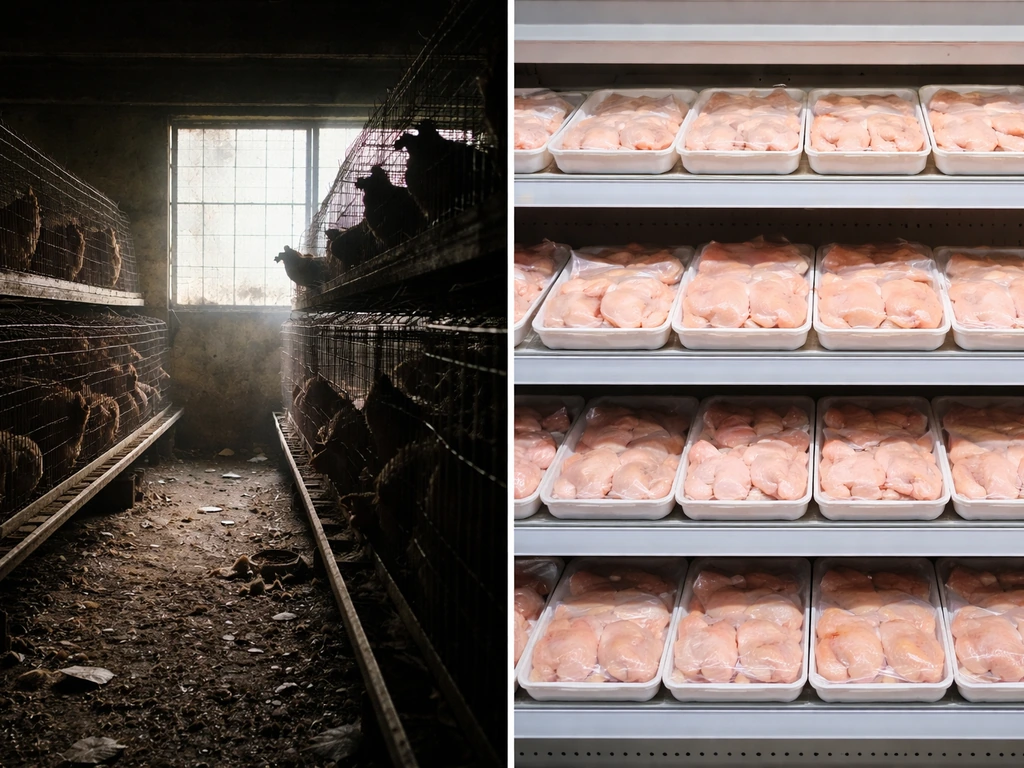
In live poultry, HPAI is devastating. It spreads rapidly through flocks, causes severe illness, and has high mortality rates. Infected flocks are typically culled to prevent spread. In commercial operations, infected premises are quarantined and the birds never enter the food chain. This is why outbreaks that wipe out millions of laying hens affect egg prices far more visibly than they affect consumer food safety, because those birds are removed from commerce entirely. Outbreaks in food industries are mainly caused by how infected birds and contaminated processing environments spread the virus into commercial supply chains before controls stop it.
Once a healthy bird is slaughtered and processed, the situation changes significantly. Raw poultry can theoretically carry surface contamination from the processing environment, which is why raw meat hygiene matters, but this is not unique to bird flu. The same cross-contamination principles that protect against Salmonella and Campylobacter protect against avian influenza as well. EFSA's scientific assessment found that the probability of human infection via consumption of raw commercial poultry meat containing low pathogenic avian influenza virus is negligible under commercial conditions. For highly pathogenic strains, regulatory controls make the likelihood of contaminated meat reaching consumers even lower.
Handling and cooking poultry safely
The guidance here is identical to what you'd follow for any raw poultry, and it works. The USDA's framework of Clean, Separate, Cook, and Chill covers everything you need. Cook all poultry to an internal temperature of 165°F (73.9°C), measured with a food thermometer in the thickest part of the meat. The CDC and USDA both confirm that cooking to this temperature kills avian influenza A viruses along with every other significant food pathogen.
- Cook all poultry (whole birds, breasts, legs, thighs, wings, ground poultry, giblets) to a minimum internal temperature of 165°F (73.9°C) using a food thermometer.
- Keep raw poultry separate from other foods throughout storage, prep, and cooking. Use a separate cutting board for raw meat.
- Wash hands thoroughly with soap and water after handling raw poultry, before touching your face.
- Do not let raw poultry juices contact ready-to-eat foods, countertops, or utensils without cleaning in between.
- Refrigerate or freeze raw poultry promptly. Do not leave it at room temperature for extended periods.
- Avoid rinsing raw chicken under the tap. This spreads droplets and contamination around the sink without making the chicken any safer.
During active HPAI outbreaks, the FDA and USDA also advise against eating raw or undercooked poultry or eggs, including dishes like runny eggs or undercooked poultry, particularly from areas where outbreaks are confirmed. This is a sensible extra precaution, though the core protection is simply cooking thoroughly and maintaining good kitchen hygiene.
Where the real risk actually lives
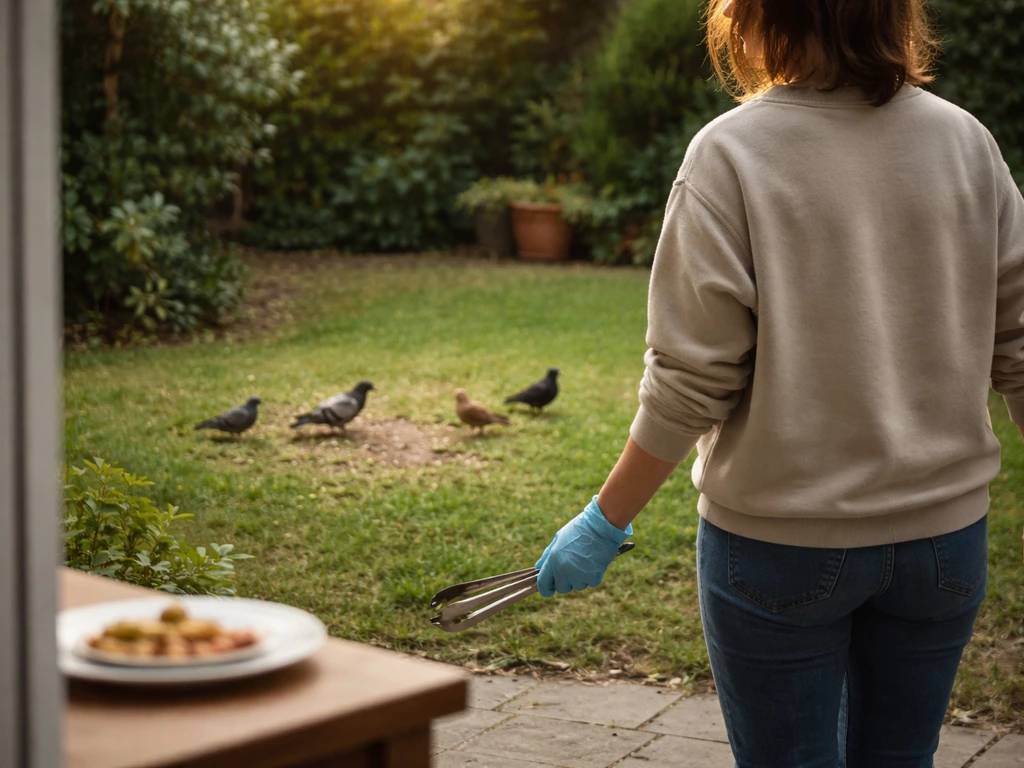
If you're concerned about bird flu, the exposure routes worth understanding are direct contact with infected birds, not your dinner plate. Human infections with avian influenza have almost always involved close, prolonged, unprotected contact with infected live or dead birds, their droppings, contaminated surfaces in live poultry markets, or contaminated environments on farms and processing facilities. The virus enters through the respiratory tract or by touching the eyes, nose, or mouth with contaminated hands.
OSHA warns that unprotected direct contact with eyes, nose, and mouth with bare hands or gloves contaminated with avian influenza may occur after handling contaminated materials or samples, including excrement unprotected direct contact with eyes, nose, and mouth with bare hands/gloves contaminated. Eating cooked chicken is genuinely a different category of risk.
If you are wondering, is it safe to eat chicken with bird flu, the short answer is that properly cooked chicken is not considered a meaningful risk.
| Exposure route | Risk level | Primary protection |
|---|---|---|
| Eating properly cooked poultry | No evidence of transmission | Cook to 165°F internal temperature |
| Handling raw poultry in kitchen | Very low (negligible under commercial conditions per EFSA) | Handwashing, cross-contamination prevention |
| Direct contact with infected live birds (farm, backyard flock) | Primary route of human infection | PPE, biosecurity, avoid unprotected contact |
| Touching contaminated surfaces then face (eyes, nose, mouth) | Documented transmission route | Hand hygiene, PPE in high-risk settings |
| Wild bird contact (droppings, dead birds) | Elevated if birds are infected | Avoid handling; wash hands after any contact |
If you keep backyard chickens or wild bird feeders, the risk calculus is different from that of someone just buying chicken at a grocery store. If you are looking for bird feeder alternatives avian flu risk is a key consideration during outbreaks wild bird feeders. Questions about whether to stop feeding wild birds, or what alternatives exist, are genuinely worth thinking through separately because the exposure dynamics are meaningfully different from purchasing commercially processed poultry.
Practical next steps you can take today
For most people buying chicken from a grocery store or restaurant, the honest answer is: keep doing what you're doing, cook it to 165°F, and practice standard kitchen hygiene. If you are wondering whether to change your backyard routine, the key is to reduce direct exposure to wild birds and their droppings during active bird flu outbreaks. You do not need to stop eating chicken because of bird flu. The WHO, CDC, and USDA are all unambiguous about this.
- Buy poultry from reputable commercial suppliers. Commercially processed poultry in the US goes through USDA inspection, and birds from infected flocks are removed from commerce under APHIS containment protocols.
- Use a meat thermometer every time. Color and texture are unreliable indicators of doneness. The thermometer is the only way to know the bird has reached 165°F throughout.
- Follow cross-contamination basics: separate boards, immediate handwashing, and no raw-meat surfaces near ready-to-eat food.
- Check CDC and USDA APHIS outbreak updates if you're in an area with an active confirmed HPAI outbreak, especially if you have a backyard flock or work around poultry.
- If you find a dead wild bird, do not handle it with bare hands. Report it to your local wildlife or agriculture agency if there's a known outbreak in the area.
- If you have symptoms after direct exposure to birds (not after eating chicken), contact your healthcare provider and mention the exposure. Standard avian flu symptoms include fever, respiratory symptoms, and eye inflammation.
The food safety story around bird flu is one of the cleaner ones in public health: the science is consistent, the guidance from every major authority aligns, and the practical steps are already things most careful cooks do. The greater concern, and the one worth monitoring through CDC and USDA APHIS updates, is direct exposure to birds during active outbreaks, not what is on your plate after it has been properly cooked. If you are wondering about is it safe to feed birds because of bird flu, the key is avoiding contact with sick or dead birds and cleaning up safely.
FAQ
Does bird flu change the way I should cook chicken (for example, is “pink” chicken still a problem)?
Yes. If chicken is undercooked or handled in a way that allows contamination to spread to ready-to-eat foods, the main concern is general foodborne illness, not bird flu specifically. Still, for bird flu risk reduction, cook poultry to 165°F (73.9°C) in the thickest part and avoid serving it “rare” or “pink” in the center.
Is there anything special I should do in the kitchen to reduce bird flu risk beyond normal raw chicken hygiene?
You should treat raw poultry like potentially contaminated meat of any kind. Wash hands before and after handling, keep raw poultry separate from produce and cooked foods, and sanitize surfaces after contact. Also avoid “rinse and soak” steps, because they can spread droplets around your sink and counters.
How should I thaw chicken safely if I’m worried about bird flu?
Thawing affects hygiene, not bird flu survival. Thaw chicken in the refrigerator (or use a microwave for immediate cooking), then cook right away. Never thaw on the counter, since warm temperatures increase the chance of harmful bacteria multiplying.
What’s the most reliable way to confirm my chicken is safe if I’m concerned about bird flu?
Don’t rely on color, smell, or texture to judge doneness. Use a calibrated food thermometer, and insert it into the thickest part without touching bone. If you don’t get 165°F, keep cooking and recheck.
Could bird flu exposure from the farm or backyard mean I should stop eating chicken?
If a person has high-risk exposure to birds, use extra caution with meat handling, but eating properly cooked chicken is not considered the transmission route. The higher-risk pattern is touching sick or dead birds or farm and market environments, then touching your face before washing hands.
What should I do if I already bought chicken during an outbreak, can it go bad before I cook it?
Most situations with outbreaks do not require disposing of store-bought cooked chicken. However, if food was left out at unsafe temperatures, contaminated with raw juices, or cooked with cross-contamination, that’s a food safety issue independent of bird flu. When in doubt, discard the food rather than reheat repeatedly.
Does freezing chicken kill bird flu or make it safer to eat later?
Yes, with one important caveat: keep practices aimed at preventing general contamination. You can freeze poultry to pause handling risk, but freezing does not “sterilize” meat, and thawing and cooking still must be done safely and to temperature.
What precautions should I take if I encounter sick or dead birds, even if I’m still eating chicken at home?
If you are cleaning up after an outbreak event or handling sick or dead birds, assume surfaces and protective gear may be contaminated. Avoid sweeping or dry-brushing, disinfect after cleanup, and wash hands and clothing thoroughly. If you are just buying and cooking store poultry, standard kitchen cleaning is sufficient.
Should I avoid eggs or raw poultry dishes entirely during bird flu outbreaks?
No. Bird flu is not transmitted like a typical foodborne virus where cooking is the only protection. That said, the same cooking temperature and kitchen hygiene steps still apply, and for active outbreaks, extra caution is reasonable for raw poultry and eggs from affected areas.
Do I need to take extra steps if I’m immunocompromised or pregnant?
If you are immunocompromised, pregnant, or caring for young children, you should be extra strict with standard poultry safety (temperature, separation, and avoiding cross-contamination). You do not need to change your plan just because of bird flu, as long as cooking and hygiene are followed correctly.
Next Articles
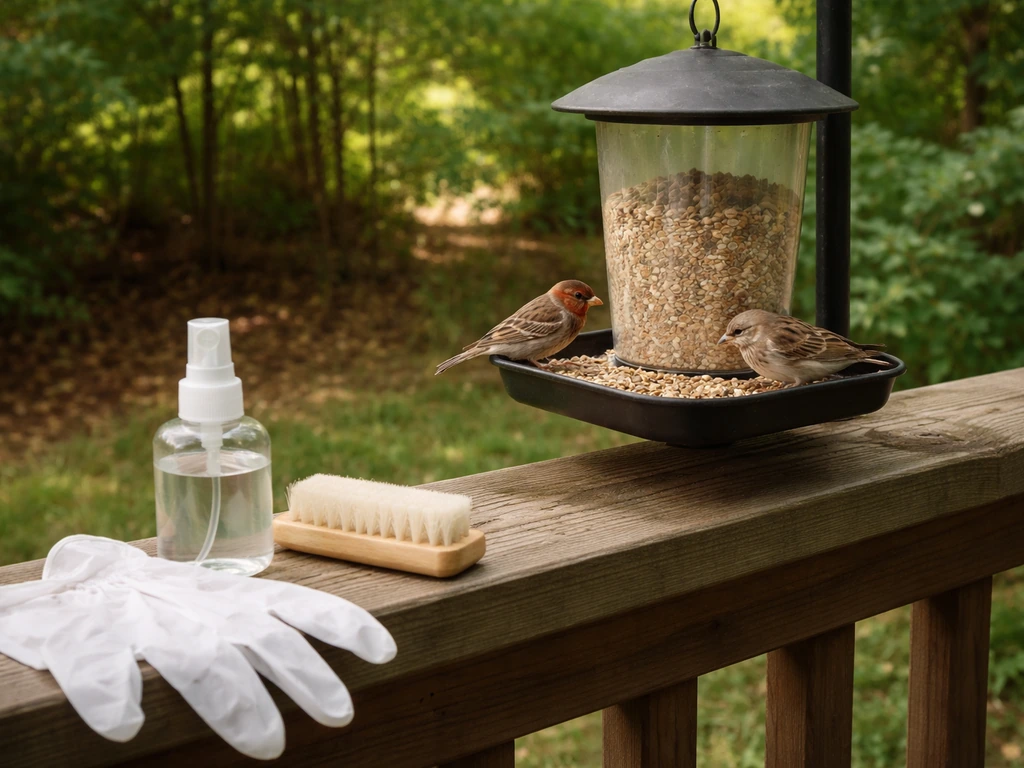
Is It Safe to Feed Birds Because of Bird Flu? What to Do
Get clear guidance on bird flu risk from feeders, plus when to stop, how to clean, and safer feeding steps.
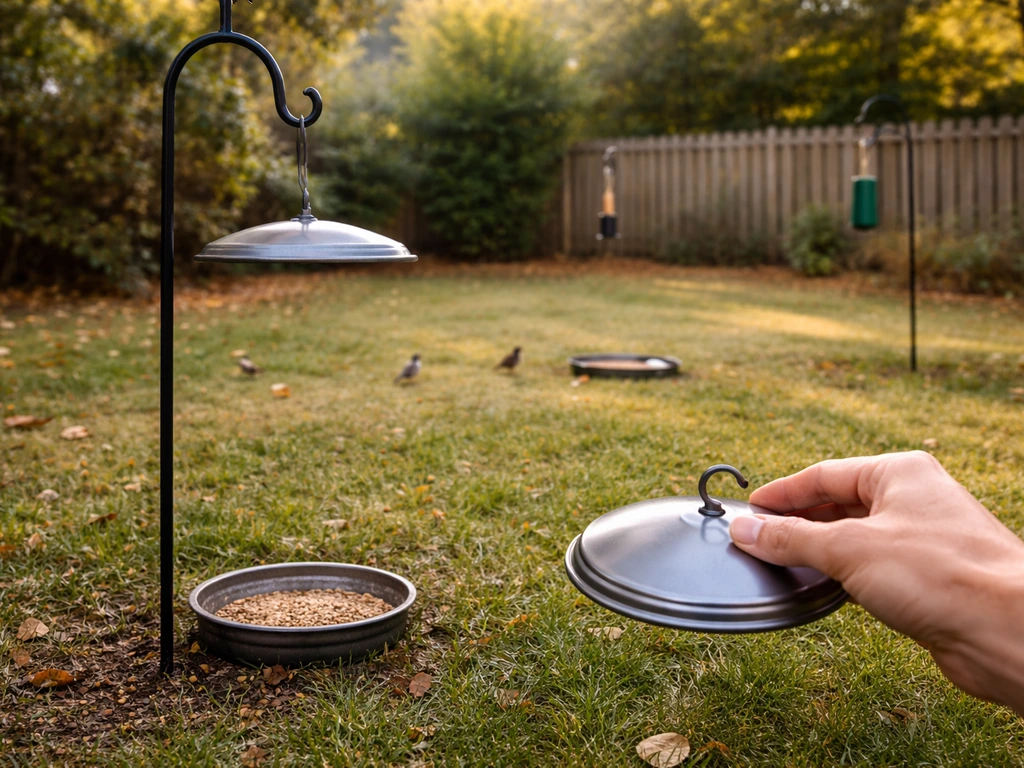
Bird Feeder Alternatives for Avian Flu Risk Reduction
Practical bird feeder alternatives to reduce avian flu risk, with safer feeding, spacing, sanitation, and sick-bird step
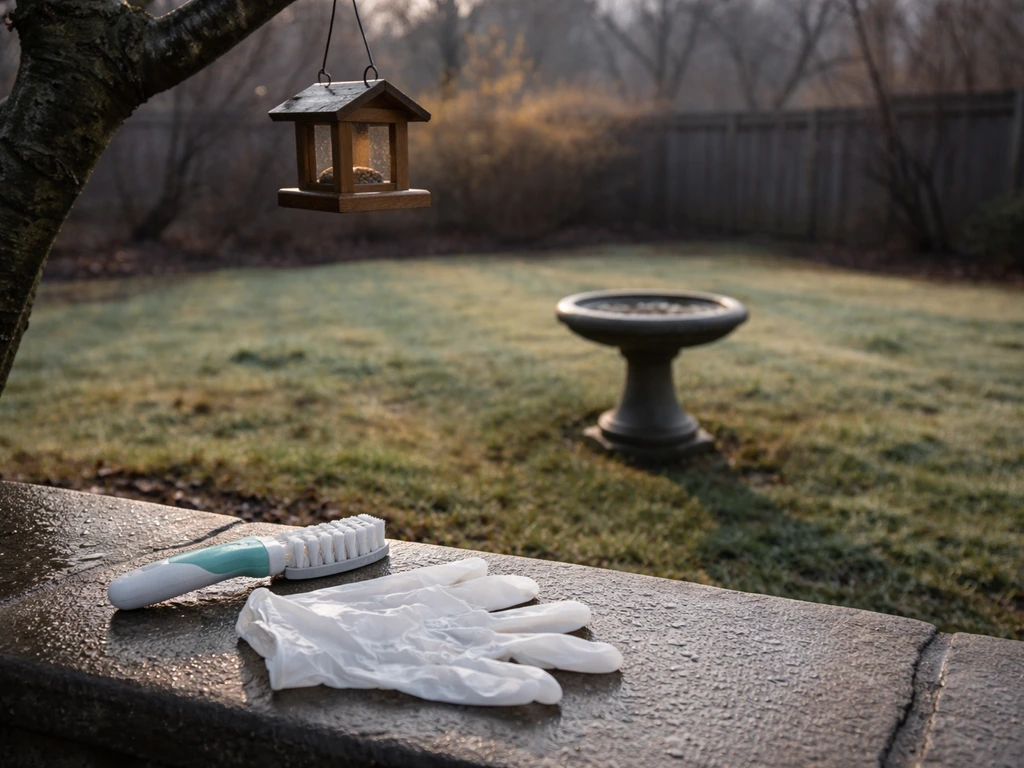
Should I Stop Feeding Birds Because of Bird Flu?
Get clear steps on whether to pause backyard bird feeding during bird flu, plus cleaning and safer alternatives.