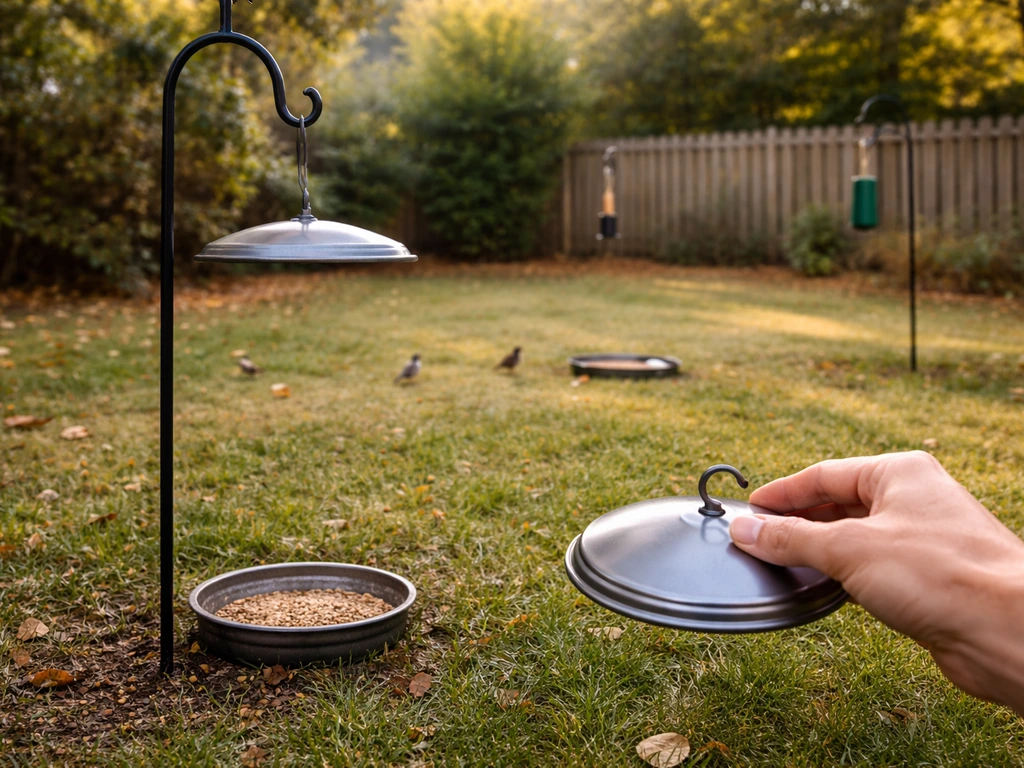
For most people, feeding wild birds at a backyard feeder is still reasonably safe during bird flu concerns, provided you follow basic hygiene and pay attention to local guidance. The U.S. Fish and Wildlife Service notes that the songbirds and small passerines that typically visit feeders are not commonly infected with highly pathogenic avian influenza (HPAI). That said, feeders concentrate birds at shared surfaces, which can accelerate the spread of diseases among birds, including avian influenza. So the real question isn't just your safety, it's also whether your feeder could become a problem for the birds themselves.
Is It Safe to Feed Birds Because of Bird Flu? What to Do

Maya Chen
13 Jun 2026
How bird flu spreads at feeders
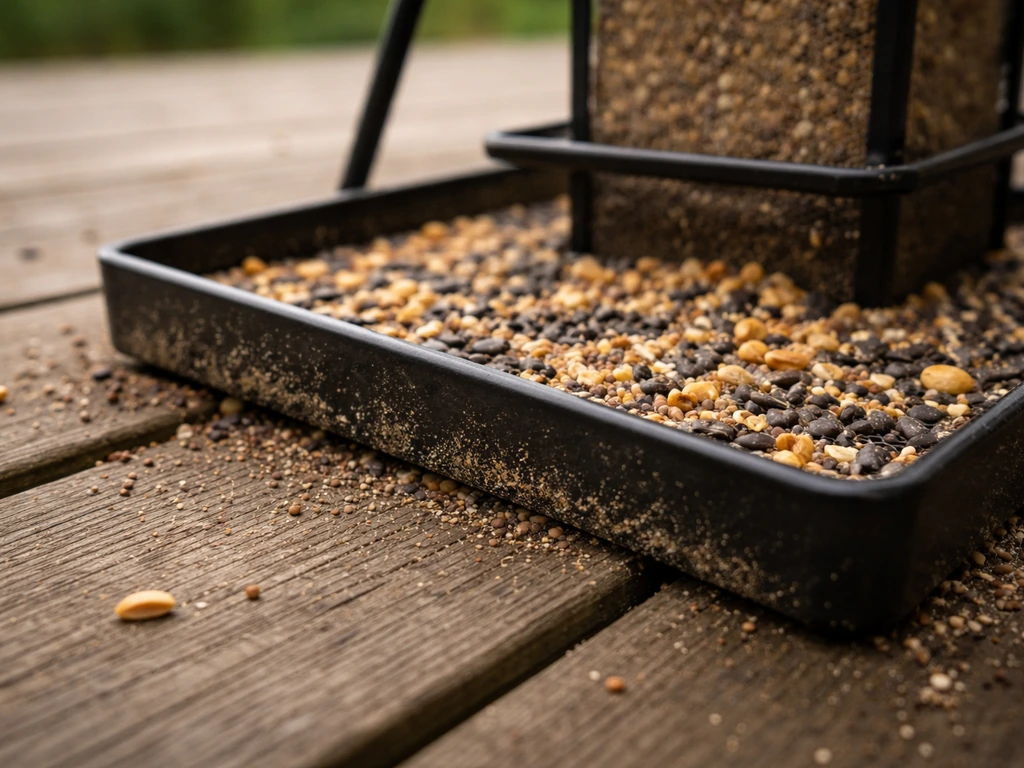
Avian influenza viruses infect birds' respiratory and gastrointestinal tracts and are shed in saliva, mucus, and feces. That means any surface a sick bird touches, a feeder tray, a water bath, the seed pile itself, can potentially carry the virus. The main transmission pathway among birds is fecal-oral: a bird defecates into or near a shared water source, another bird drinks from it, and the virus passes on. Peer-reviewed research confirms that virus-contaminated water is one of the principal routes of indirect transmission among wild birds.
The problem with feeders is density. A feeder that draws 30 birds to a 12-inch platform several times a day is doing exactly what biosecurity experts try to prevent on poultry farms: concentrating animals at a shared surface where droppings accumulate. This doesn't automatically make your feeder a hotspot for HPAI, but it does mean that if an infected bird shows up, the setup is ideal for spreading disease to others quickly. It also matters which birds are visiting. Waterfowl and shorebirds are the primary reservoir species for HPAI, so feeders that attract ducks or geese carry meaningfully higher risk than a standard seed feeder drawing finches and sparrows.
Human risk vs. bird risk: what actually deserves your attention
blank" rel="noopener noreferrer">The CDC is clear: bird flu usually spreads among birds, not people. If you are wondering should i stop feeding birds because of bird flu, the answer depends on local HPAI activity and how you manage feeder hygiene and crowding. Your personal risk from a backyard feeder is genuinely low. A small number of human infections have been linked to wild bird exposure, but these cases are rare and almost always involved direct, unprotected contact with sick or dead birds or heavily contaminated materials. Casual birdwatching or filling a feeder, with good hand hygiene, is not the same exposure profile as, say, handling a dead waterfowl without gloves. Because bird flu is spread differently in poultry and people can ask about it in terms of poultry meals, many people wonder, is it safe to eat chicken with bird flu.
Human infection happens when enough virus enters through the eyes, nose, or mouth, or is inhaled. That means the practical risk at a feeder is touching a contaminated surface and then touching your face before washing your hands. It is not a theoretical risk, but it is also a very manageable one. People who are immunocompromised, elderly, or have underlying respiratory conditions should be more careful, but for healthy adults, standard hygiene covers most of the gap.
The more meaningful concern right now is bird-to-bird spread. If HPAI is actively moving through wild bird populations in your region, your feeder could inadvertently serve as a transmission hub. Protecting the birds at your feeder is a legitimate reason to adjust your practices, even if your own health risk stays low.
When to pause feeding vs. when to keep going
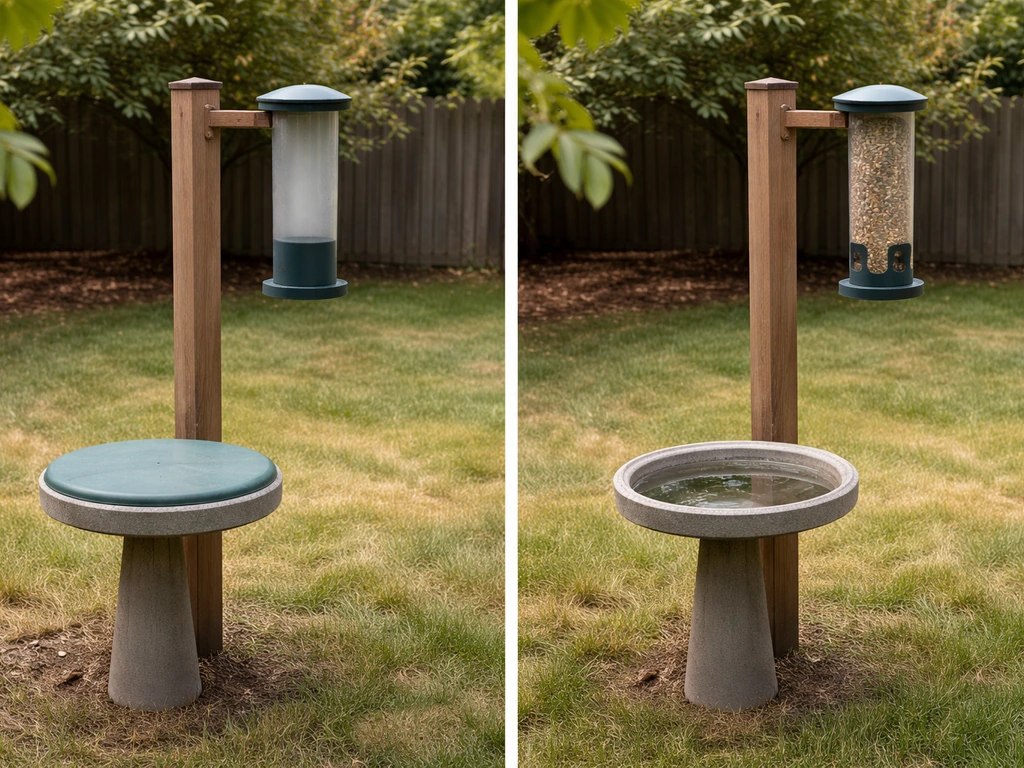
There is no single universal rule here. The right answer depends on your local situation. Illinois DNR, for example, recommended suspending feeders and bird baths during a 2022 HPAI outbreak, then lifted that guidance once spring migration of non-resident waterfowl was complete and no HPAI had been detected in songbird species. That kind of localized, time-limited pause is exactly the right model to follow.
Use this checklist to decide where you stand today:
- Check your state wildlife agency's current guidance. If they recommend pausing feeders, follow it.
- Look up whether HPAI has been confirmed in wild birds in your county or surrounding counties recently. USDA APHIS publishes outbreak maps.
- If you're seeing sick or dead birds near your property (unusual lethargy, inability to fly, neurological symptoms), pause feeding immediately.
- If your feeder is attracting ducks, geese, or other waterfowl, stop feeding those birds now regardless of outbreak status. Waterfowl are the primary HPAI reservoir.
- If you have backyard poultry (chickens, ducks, turkeys), take feeders down or move them far from the poultry area. Wild birds can carry virus to your flock.
- If no HPAI has been detected locally, no sick birds are present, and your feeder only attracts songbirds, continuing with enhanced cleaning is reasonable.
Safe feeder practices: cleaning, disinfection, placement, and crowding
Cleaning and disinfecting correctly
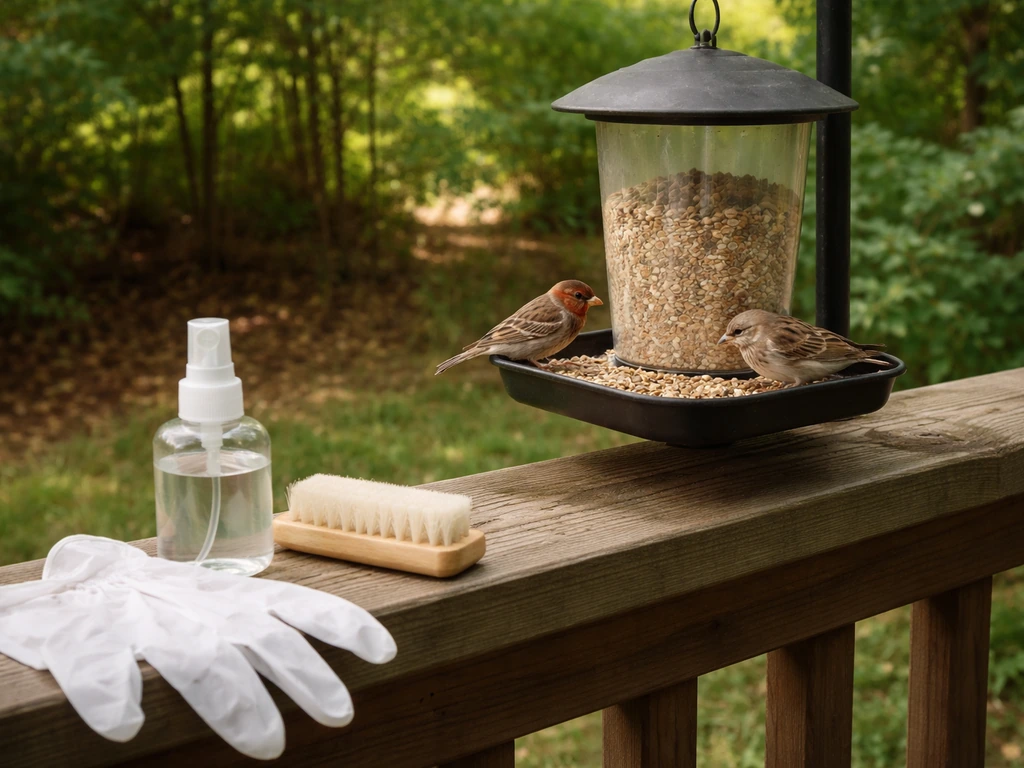
The CDC's guidance for bird hobbyists is specific: clean feeders and bird baths regularly, and always wear disposable gloves when doing so. The process has two steps and both matter. First, scrub with soap and water to remove visible debris, droppings, and old seed. After cleaning with soap and water to remove visible dirt, disinfect feeders with an EPA-approved disinfectant that has label claims against influenza A viruses and follow the manufacturer instructions blank" rel="noopener noreferrer">EPA-registered disinfectant that lists influenza A viruses on its label. Organic material neutralizes disinfectants, so skipping the soap-and-water step means your disinfectant won't work properly. Second, apply an EPA-registered disinfectant that lists influenza A viruses on its label, following the manufacturer's contact time instructions. In food industries, bird flu outbreaks are driven by how poultry and related products are handled, processed, and kept biosecure to prevent virus spread what causes bird flu outbreaks in food industries. Chicken meat is affected by bird flu only when avian influenza contaminates poultry products during handling or processing, so proper cooking and food-safety hygiene matter influenza A viruses. Let the feeder dry fully before refilling. Do this at minimum every one to two weeks during normal conditions, and more frequently if you're seeing high bird traffic or during an active regional outbreak.
Bird baths deserve extra attention because standing water is a particularly efficient vehicle for fecal-oral transmission. Empty and scrub the basin every two to three days. If you can't commit to that, a bird bath is worth skipping entirely during periods of elevated HPAI activity.
Placement and reducing crowding
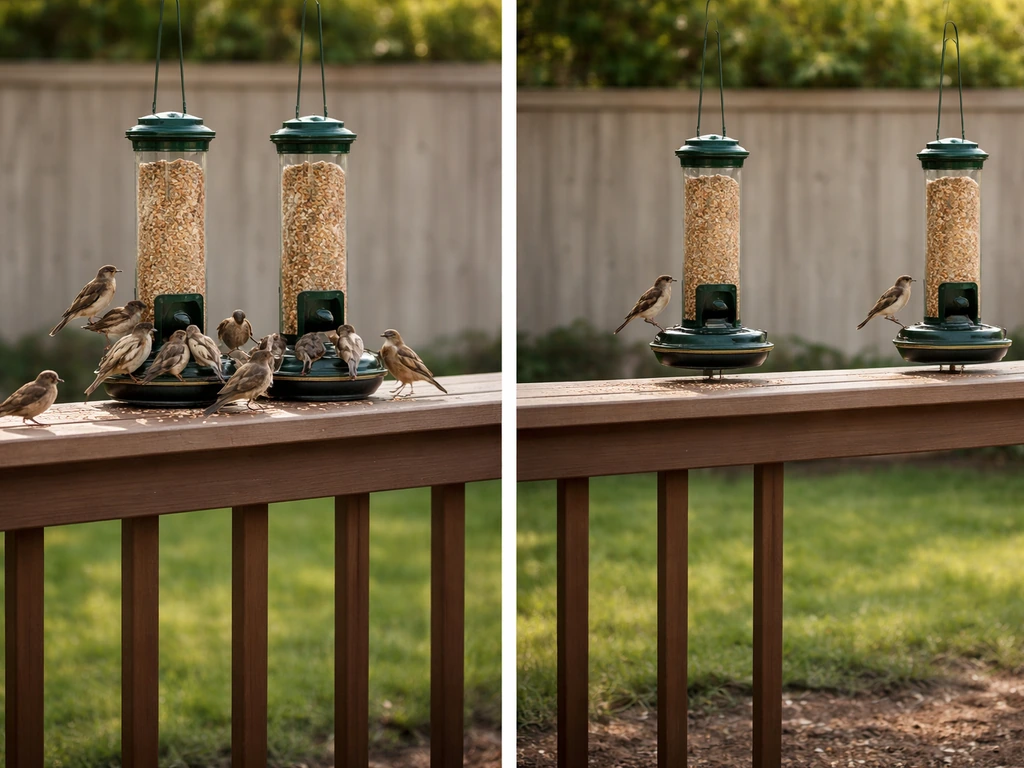
Where you put a feeder and how much food you put out both affect disease risk. A few practical adjustments make a real difference:
- Put out smaller quantities of seed more frequently rather than filling feeders to capacity. Less food means fewer birds at once and less accumulation of droppings.
- Sweep or rake under feeders regularly. Discarded seed and droppings on the ground attract additional birds (and rodents) and create a contaminated surface that persists even after you've cleaned the feeder itself.
- Space feeders apart if you use more than one. Clustering feeders creates a congregation problem.
- Keep feeders away from any area where you keep backyard poultry, and away from your home's entry points.
- Avoid open platform feeders or large flat trays during outbreaks. Enclosed tube feeders have less surface area for droppings to accumulate.
Hygiene around feeders: protecting yourself and your household
Your single most effective protection is handwashing. Wash your hands with soap and water immediately after handling feeders, seed bags, or anything near the feeder area. The CDC is explicit that infection can occur when someone touches a contaminated surface and then touches their mouth, eyes, or nose. This is a manageable risk because hand hygiene breaks that chain completely.
- Wear disposable gloves when cleaning feeders, bird baths, or picking up dead birds. Double-bag and dispose of any dead birds you find; do not handle them with bare hands.
- Avoid touching your face while you're outside near feeders.
- Do not let children handle feeders or bird baths without supervision and immediate handwashing afterward.
- Keep pets, especially dogs and cats, away from feeder areas, bird droppings, and any dead birds. Pets can carry contaminated material into your home.
- If you must clean a heavily soiled feeder, avoid stirring up dried droppings into dust. Wet the area first to minimize airborne particles.
- Immunocompromised individuals, pregnant people, and those with serious respiratory conditions should have someone else handle feeder cleaning during active outbreak periods.
If you develop flu-like symptoms (fever, cough, muscle aches, eye redness or discharge) within 10 days of handling birds or cleaning feeders during an active HPAI outbreak in your area, contact your doctor and mention the potential exposure. This is not cause for panic, but it is worth flagging so you can be assessed appropriately.
What to check locally and how to respond if sick birds appear
Local guidance changes faster than any article can keep up with. Here's how to stay current and respond effectively:
- Check your state wildlife or natural resources agency website for current feeder recommendations. Many states issue specific advisories during HPAI outbreaks, including temporary suspension orders like the Illinois DNR example above.
- Check the USDA APHIS avian influenza outbreak map for confirmed cases in wild birds near you. This is updated regularly and is the most direct signal of local risk.
- If you see sick birds (disoriented, unable to fly, trembling, or dead) near your feeder, take the feeder down immediately. Do not touch the sick or dead bird with bare hands.
- Report unusual bird deaths to your state wildlife management agency or call the USDA toll-free number at 1-866-536-7593. Reporting helps wildlife authorities track spread and update public guidance.
- If you have backyard poultry and you see sick wild birds nearby, report it immediately and implement enhanced biosecurity around your flock. Wild birds are a documented route of HPAI transmission to domestic poultry.
- Resume feeding only after your state agency gives the all-clear or after confirmed cases in your immediate area have cleared and you've thoroughly cleaned and disinfected all equipment.
Feeding wild birds is one of the most accessible ways people connect with nature, and for most of the country, most of the time, it does not need to stop because of bird flu. The key is staying informed about what's actually happening in your area, keeping your feeders clean, and not letting the setup become a density problem that puts the birds themselves at risk. If you want to reduce that density risk, consider bird feeder alternatives avian flu-focused options like tube feeders that limit spill, or tray designs that are easier to clean density problem. Whether to pause feeding entirely is a question worth revisiting if you're curious about the broader tradeoffs, and the same hygiene principles apply if you're also thinking about food safety questions involving poultry products.
FAQ
If I see a sick bird or a bird dies near my feeder, should I stop feeding immediately?
Consider stopping feeding and removing the feeder and bird bath until you can clean and disinfect thoroughly. Sick or dead birds can contaminate nearby surfaces, so treat the area as higher risk. When you resume, start with smaller amounts of food, clean first, and reduce crowding to avoid concentrating birds at one spot.
Is it safe to clean feeders without gloves if I wash my hands right after?
Gloves add a layer of protection, especially because virus can get onto your skin during scrubbing or from splashes. Even with good handwashing, gloves reduce the chance that contamination reaches your eyes, nose, or mouth during cleaning. If you cannot wear gloves, extra care is needed to avoid touching your face while cleaning, and disinfecting should be done after washing with soap and water.
What disinfectant should I use, and can I rely on bleach?
Use an EPA-registered disinfectant that explicitly lists influenza A viruses on the label, and follow the contact time exactly. Bleach solutions can be tricky because concentration and dilution matter, and organic debris can reduce effectiveness. Also ensure you rinse and dry according to the product directions so you do not leave harmful residue for birds.
How long after disinfecting should I wait before refilling the feeder?
Let the feeder and tray dry fully before refilling. Moist surfaces can help residue persist and can also make it easier for new droppings and seed debris to stick. Dry time also reduces the chance you dilute disinfectant into fresh seed or water.
How often is “clean regularly” during an active bird flu outbreak?
If regional activity is elevated or you are seeing many birds at once, increase frequency beyond the usual one to two week schedule. A practical approach is to clean whenever you notice heavy droppings, wet seed, or noticeable buildup, and to check daily during peaks of bird traffic.
Do suet feeders or hummingbird feeders carry higher risk than seed feeders?
Any shared feeding surface can spread disease if birds leave contaminated droppings or saliva behind. Hummingbird feeders need particular attention because nectar spills and standing liquid can attract and hold multiple birds, but the biggest driver of risk is still crowding and cleaning quality. Use designs that minimize spill and follow strict cleaning and drying routines.
Is bird flu risk higher if I use bird bath water versus just dry seed?
Yes, bird baths are generally higher risk because standing water supports fecal-oral transmission more efficiently. If you cannot empty and scrub frequently, skipping the bird bath during periods of elevated local HPAI activity is a reasonable precaution. If you keep one, change water more often and clean the basin on a tight schedule.
Can I reduce disease spread by feeding smaller amounts?
Yes. Using smaller quantities and switching to feeders that limit spill can reduce the number of birds that crowd the area and the amount of contaminated debris that accumulates. The goal is fewer birds per visit and less wet, dirty material around the feeder.
Is my risk higher if I’m immunocompromised, elderly, or have respiratory problems?
You should take extra precautions. The personal infection risk from typical feeder contact is low, but higher-risk people should be stricter about gloves, avoiding face-touching while cleaning, and prioritizing outdoor handwashing. Consider reducing feeder use or temporarily pausing if local guidance indicates elevated HPAI activity.
If I find droppings under the feeder, should I disinfect the ground too?
At minimum, remove loose debris and avoid stirring it up with dry sweeping. Disinfecting the entire yard is usually not practical, but you can focus on high-contact surfaces like feeder parts and nearby water sources. Keep kids and pets away from droppings areas until you have cleaned up and washed hands thoroughly.
What symptoms should trigger a medical call, and does it matter if I never handled dead birds?
Seek medical advice if you develop flu-like symptoms within about 10 days of cleaning feeders or handling birds during an active regional outbreak, even if you did not touch a dead bird. The key is the timeline and potential exposure to contaminated surfaces. Mention bird feeder cleaning or contact with wild birds so clinicians can consider the exposure context.
Should I report dead birds to local agencies?
Often, yes. Reporting helps local wildlife agencies track where HPAI is detected and update guidance. If you do report, avoid direct contact and use gloves or tools to reduce contamination, then wash hands thoroughly afterward.
When should I stop and start feeding again during an outbreak?
Use local guidance as the trigger, because timing depends on where and which species are affected. A common pattern is to pause during peak detection or elevated activity, then resume after guidance is lifted and especially once you no longer observe sick or dead birds at the site. When resuming, clean first and reduce crowding from day one.
Next Article
Bird Feeder Alternatives for Avian Flu Risk Reduction
Practical bird feeder alternatives to reduce avian flu risk, with safer feeding, spacing, sanitation, and sick-bird step