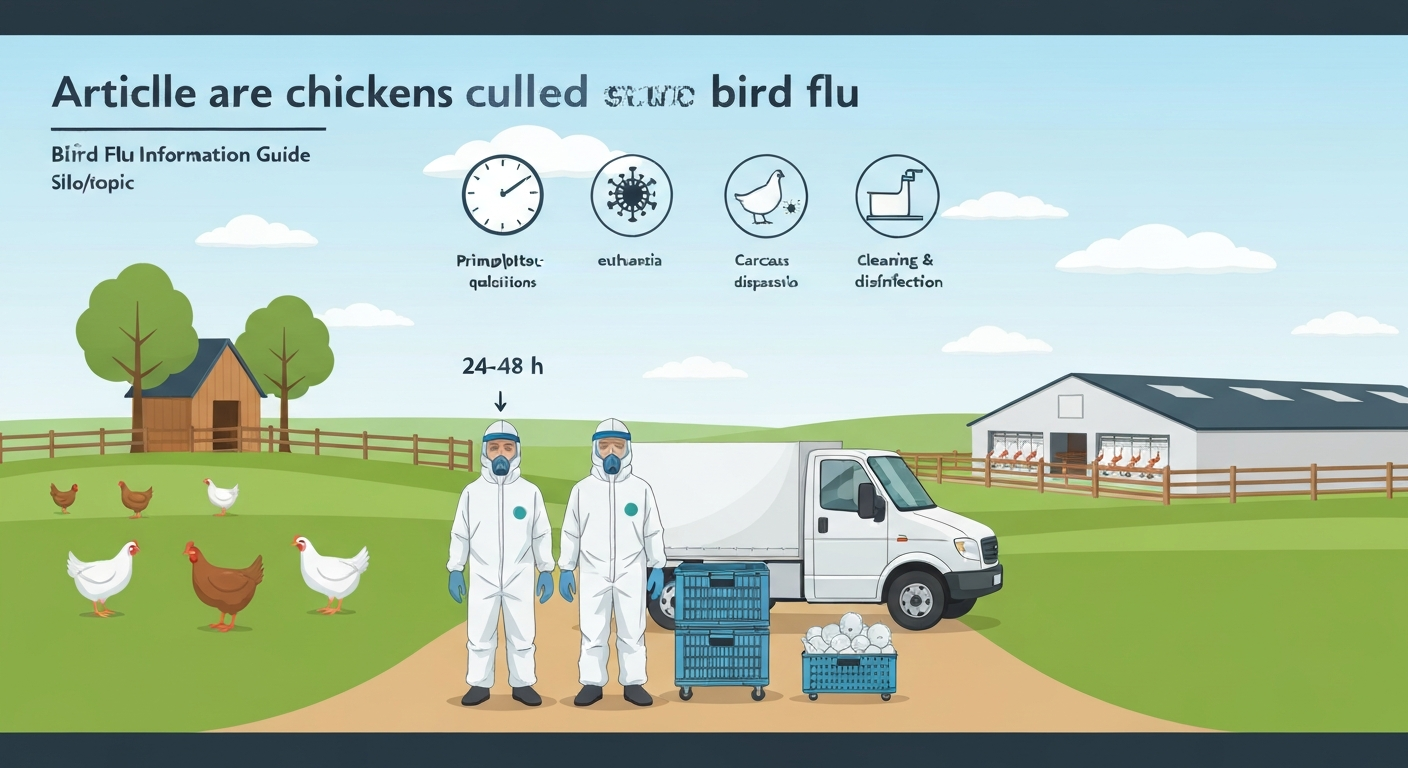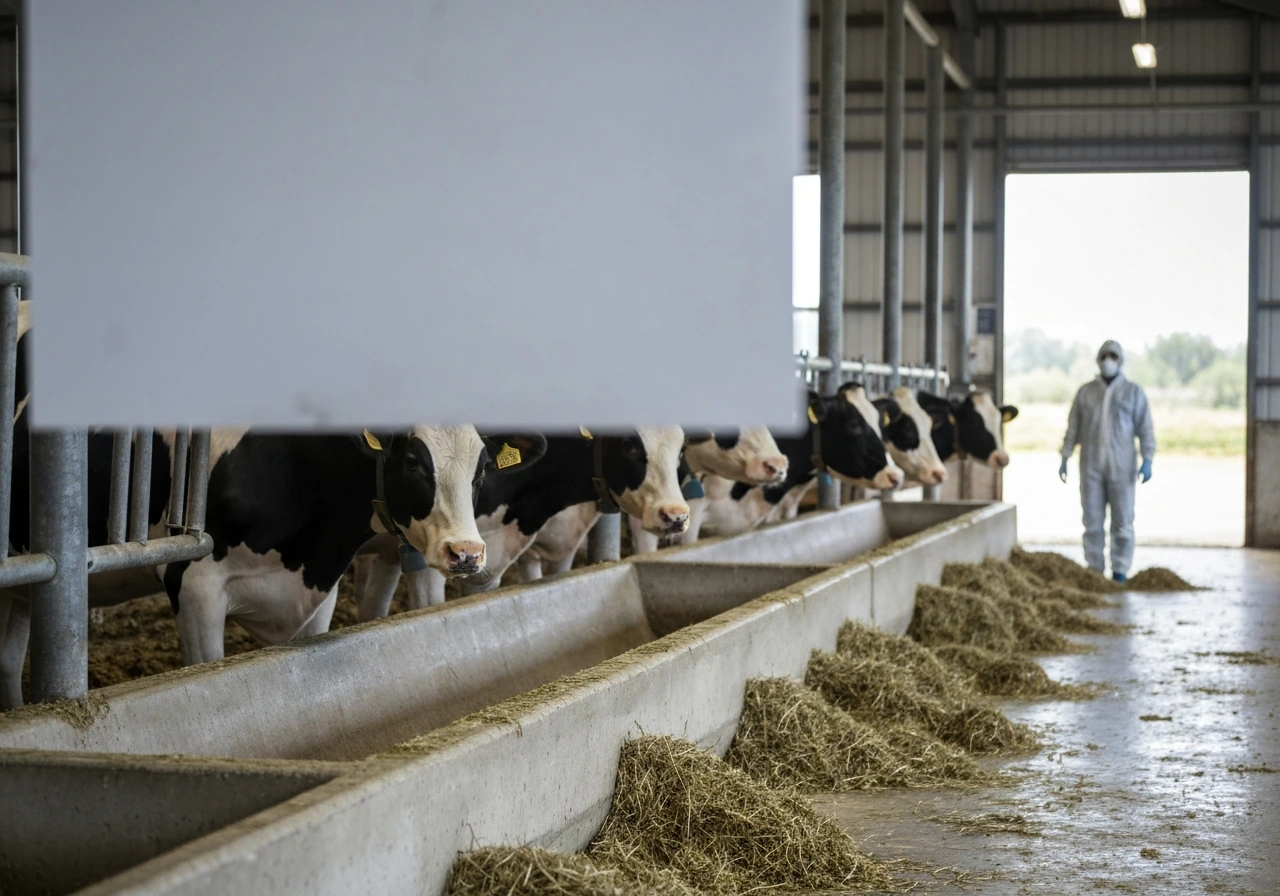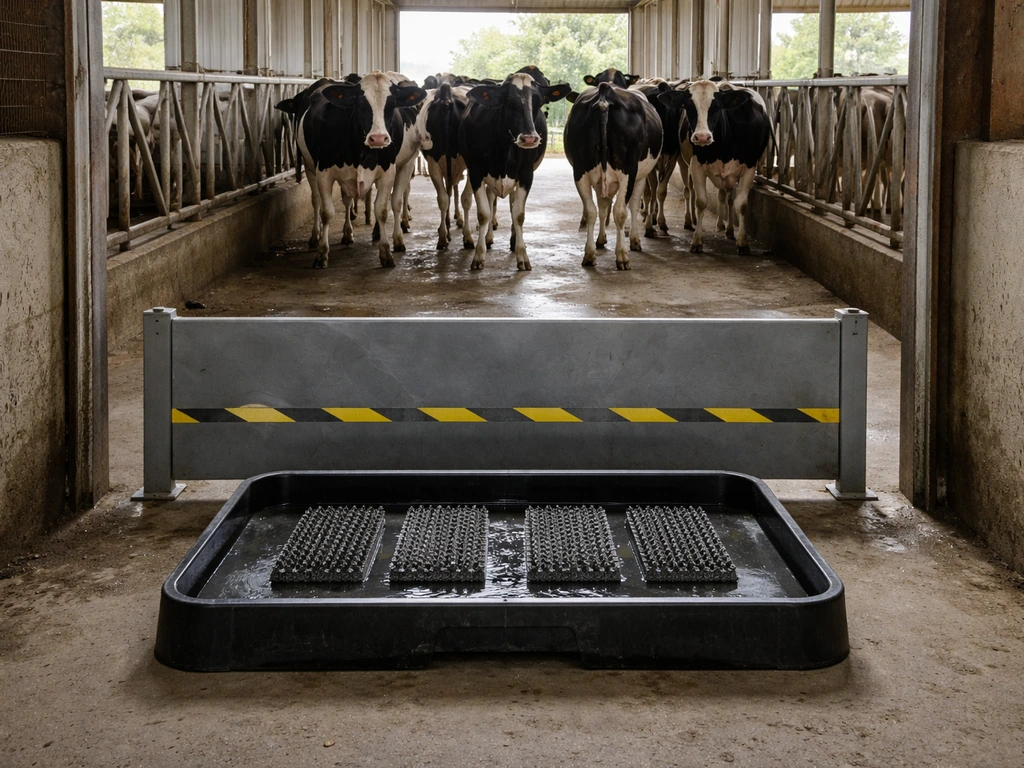
Two specific raw cat food products have been recalled due to confirmed or potential H5N1 (bird flu) contamination: RAWR Raw Cat Food "Chicken Eats" (lots CCS 25 093 and CCS 25 077) and Savage Pet raw chicken cat food "Large Chicken Boxes" (84 oz) and "Small Chicken Boxes" (21 oz) with lot code/best-by date 11152026. If you have either of these in your home, stop feeding them immediately. Here is everything you need to know to handle this safely today.
Raw Cat Food Recall Over Bird Flu Concerns: What to Do

Maya Chen
14 Jun 2026
Why raw cat food recalls can be linked to bird flu
H5N1 avian influenza is a highly pathogenic virus that has spread widely through U.S. poultry flocks in recent years. Raw pet food made from poultry uses uncooked, unpasteurized meat and organs, which means any virus present in the source animal is not killed during processing. Heat treatment (cooking) reliably destroys influenza viruses, but raw food manufacturing skips that step entirely. That is the core problem.
The FDA has made this link explicit. It now requires manufacturers using uncooked or unpasteurized materials derived from poultry or cattle, such as raw meat, unpasteurized milk, or unpasteurized eggs, to reanalyze their food safety plans and formally treat H5N1 as a known or reasonably foreseeable hazard. In other words, the regulatory framework has caught up with the outbreak reality: if you are making raw pet food from chickens, bird flu contamination is no longer a fringe scenario, it is a documented risk that needs to be actively managed in your safety plan. For a clear overview of food safety bird flu risks in raw pet food, follow the handling and prevention guidance in this article.
The RAWR case illustrates exactly how detection happens. FDA identified H5N1 in a cat and then tested certain lots of RAWR "Chicken Eats." Whole-genome sequencing showed the virus strain found in the cat and the virus found in lots CCS 25 093 and CCS 25 077 traced back to a common contamination source. That kind of genetic evidence is what turned a suspicion into a confirmed recall.
The specific recalled products and lot codes
Check your freezer or fridge right now against these details. Lot codes are usually printed on the bottom or side of the packaging.
| Brand | Product Name | Size / Format | Affected Lot(s) / Best-By |
|---|---|---|---|
| RAWR Raw Cat Food | Chicken Eats | Raw cat food | CCS 25 093 and CCS 25 077 |
| Savage Pet | Savage Cat Food Chicken – Large Chicken Box | 84 oz | 11152026 |
| Savage Pet | Savage Cat Food Chicken – Small Chicken Box | 21 oz | 11152026 |
The Savage Pet recall involved 66 large boxes and 74 small boxes distributed across multiple states. The RAWR lots were confirmed by FDA using PCR testing and whole-genome sequencing performed by the USDA National Veterinary Services Laboratories (NVSL). If your product matches any brand, product name, and lot code above, it is affected. If the lot code does not match, your product is not part of the current recall, though it is worth rechecking the official FDA recall page for any updates (more on that below).
How bird flu gets into raw pet food in the first place
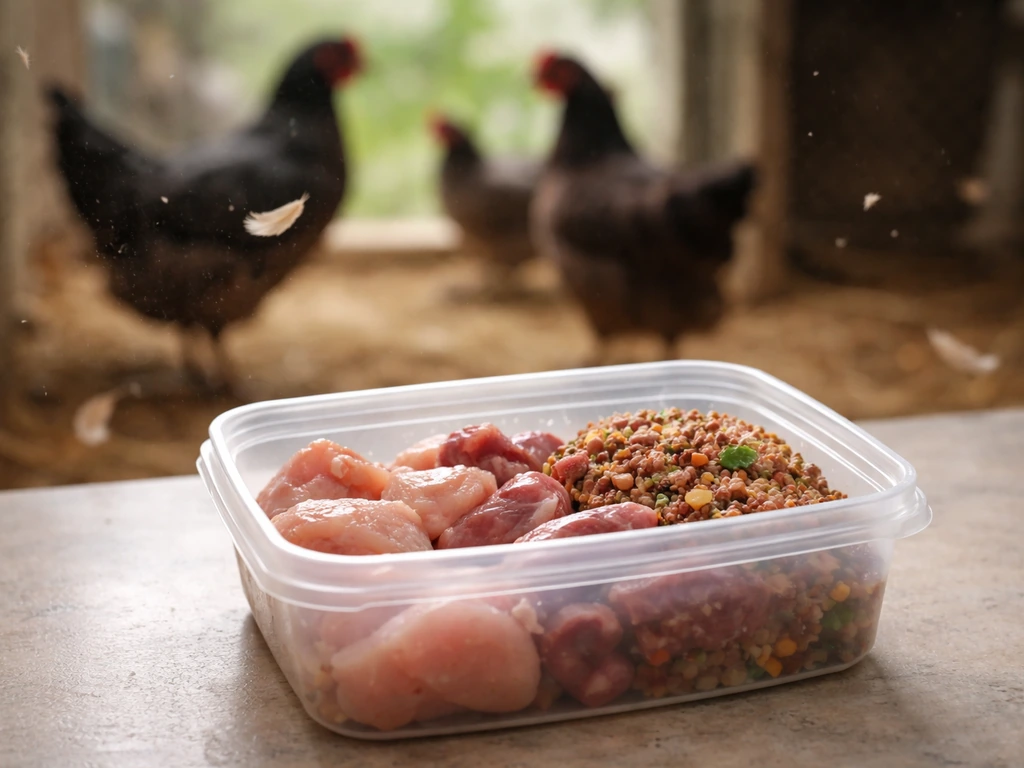
Understanding the pathway helps you make sense of why this keeps coming up, and why it is not just a one-brand fluke. H5N1 spreads through infected poultry flocks. When a bird from an affected flock enters the slaughter and processing chain, the virus can be present in muscle tissue, organs, and especially feathers. Research has shown that H5N1 survival time varies by tissue type, with feather tissue retaining viable virus longer than muscle. In a raw food production environment where carcasses are ground without a kill step, the virus can survive into the finished product.
Once the food reaches your home, the virus can survive on plastic surfaces for roughly 26 hours and on skin surfaces for around 4.5 hours under experimental conditions. That matters because handling raw pet food is not a clean activity: you touch packaging, bowls, spoons, countertops, and then potentially your face or your cat. CDC has acknowledged this pathway explicitly, noting that some domestic cat H5N1 infections in the U. CDC notes that some domestic cat H5N1 infections have been linked to commercially produced raw pet food and unpasteurized raw milk. S. have been linked to commercially produced raw pet food and unpasteurized raw milk, not just farm exposure.
What to do right now if you have the recalled food
Act on these steps today. Do not wait to finish the bag or use it up.
- Stop feeding immediately. Take the product away from your cat and set it aside in a sealed bag or container.
- Check the FDA recall notice for return or disposal instructions specific to your brand. For Savage Pet, check whether the brand is offering returns or refunds through the point of purchase. For RAWR, follow any instructions on the FDA product safety notification page.
- Dispose of the product safely. Double-bag it in sealed plastic bags before placing it in an outdoor trash bin. Do not compost it.
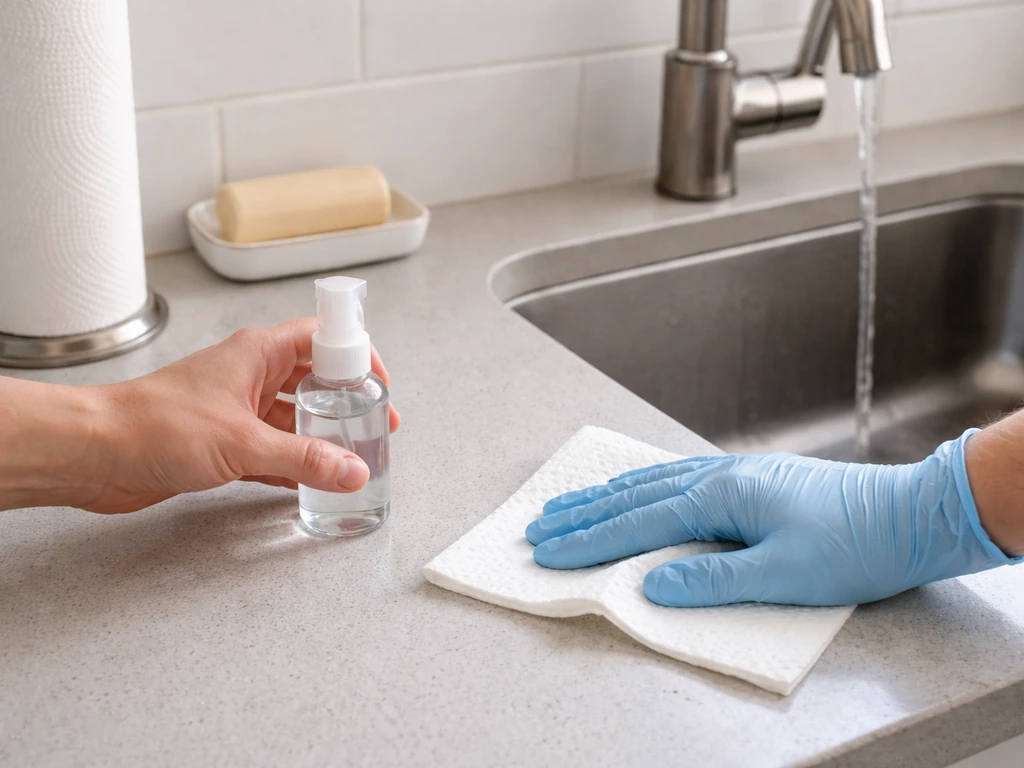
- Clean every surface that contacted the food. That includes food bowls, preparation surfaces, utensils, and any area of your floor or counter the food may have touched. Use hot water and dish soap, then follow up with a household disinfectant.
- Wash your hands thoroughly with soap and water for at least 20 seconds after handling the food, the packaging, the bowls, or anything else that touched the raw food.
- Monitor your cat for signs of illness. Symptoms of H5N1 in cats can include lethargy, respiratory distress, neurological signs, and loss of appetite. If your cat is showing these signs, contact your veterinarian and mention the potential exposure.
- If you have handled the food recently and develop flu-like symptoms, fever, cough, sore throat, or respiratory difficulty, contact your healthcare provider and mention the potential bird flu exposure. This is especially important if you are immunocompromised, elderly, pregnant, or otherwise considered higher risk.
Should you go back to raw feeding after this?
This is the part where the answer depends on your honest assessment of risk tolerance, household context, and how much you trust the supply chain. Here is the unvarnished tradeoff.
The CDC does not recommend feeding raw pet food to cats or dogs at all, full stop. That guidance existed before the current H5N1 situation and is reinforced by it. Raw pet food carries inherent bacterial risks (Salmonella, Listeria) alongside the now-documented viral risk from H5N1. If you have young children, elderly family members, immunocompromised people, or pregnant individuals in your home, the risk calculus tilts strongly toward switching to a cooked or commercially heat-treated diet for your cat.
If you choose to continue raw feeding, the minimum standard has shifted. You need to verify that any brand you use has updated its food safety plan to formally address H5N1 as required by the FDA, and you should look for manufacturers who conduct lot-level pathogen testing, including for H5N1, before product release. Treat every handling session as you would handling raw chicken intended for human consumption: wash hands, sanitize surfaces, keep the food separate from human food prep areas, and never let children handle it unsupervised.
The honest reality is that raw feeding during an active H5N1 outbreak in poultry introduces a risk that cooked cat food simply does not carry. Is KFC chicken safe during bird flu? The safest choice is to follow current health guidance and rely on cooked poultry served hot from reputable sources. That does not mean every raw food brand is contaminated, but it does mean the margin for error is narrower than it was two years ago.
What this means for your own health
For most healthy adults in a typical household, handling recalled raw cat food one time without knowing about the recall is not a reason to panic. Human infections from H5N1 remain rare, and the exposures most strongly associated with human cases have involved direct, sustained contact with infected live birds on farms. That said, the CDC's guidance does list handling and preparing infected birds and consuming uncooked or undercooked poultry products as exposure scenarios worth accounting for in prevention planning, and raw pet food sits in that category.
The people who should take extra care are those who are immunocompromised, over 65, pregnant, or who have close and frequent contact with the food, such as the person who feeds the cat daily and cleans the bowls. For these individuals, switching the cat to a cooked diet is the simplest and most effective risk-reduction move available. There is no vaccine currently available for the general public against H5N1, so avoidance of exposure is the main prevention tool.
If you have already handled the recalled product and want to know what symptoms would be worth reporting: fever above 100.4°F, cough, sore throat, difficulty breathing, eye redness or discharge, muscle aches, or any severe respiratory symptoms appearing within 10 days of exposure. These are not guaranteed to mean H5N1, but they are the right threshold for calling your doctor and mentioning the potential exposure. Early antiviral treatment (oseltamivir) is available and more effective when started quickly. Similar food safety considerations apply if you have been thinking about other poultry-derived foods during this outbreak period, including questions about cooked commercial poultry products, where the risk picture looks quite different from raw. If you are wondering is it safe to eat beef during the bird flu outbreak, the answer depends on how the beef is handled and cooked to safe temperatures cooked commercial poultry products. For people asking about poultry more broadly, you can also consider safety guidance on whether it is safe to eat turkey when there are bird flu concerns is it safe to eat turkey with bird flu.
How to verify recall details and stay updated

Recalls can expand, new lots can be added, and safety guidance can be updated. Here is where to get the current, authoritative information rather than relying on social media or secondhand reports.
- FDA Recalls, Market Withdrawals, and Safety Alerts (fda.gov): Search for the specific brand name. The RAWR and Savage Pet notices are posted here with full lot code details, affected states, and any updated guidance.
- FDA's Animal and Veterinary section (fda.gov/animal-veterinary): This is where pet food safety notices and manufacturer guidance on H5N1 food safety plans are published.
- CDC Bird Flu (Avian Influenza) page (cdc.gov): Updated information on animal-to-human transmission risks, current outbreak status, and human health guidance including what to do if you think you have been exposed.
- USDA APHIS (aphis.usda.gov): Tracks confirmed H5N1 detections in commercial and backyard poultry flocks by state, which can give you a sense of the current outbreak geography.
- Your cat's veterinarian: If your cat has eaten from a recalled lot, call and describe the exposure. Your vet can advise on monitoring, testing if warranted, and reporting to state animal health authorities.
- Your state health department: If you have symptoms or significant exposure concerns, they can coordinate testing and connect you with public health guidance specific to your location.
When you check the FDA page, match all three pieces of information: brand name, product name, and lot code. A matching brand but non-matching lot code means your specific product is not part of the current recall. Keep that page bookmarked and recheck it if you buy from brands that use raw poultry ingredients, because the situation with H5N1 in poultry is still active and new detections in pet food are possible.
FAQ
If my cat already ate from one of the recalled bags, should I call a vet or just watch them?
If the cat consumed the food before you noticed the recall, contact your veterinarian promptly, especially if your cat is showing any respiratory signs (coughing, open-mouth breathing, nasal discharge) or eye symptoms. Even though most cats will not develop H5N1, the vet can advise monitoring and whether testing makes sense based on timing and your local situation. In the meantime, stop the recalled product immediately and switch to a cooked or heat-treated diet.
What should I do with the recalled raw food, the container, and the scoop after I stop feeding it?
Do not donate or reuse items that contacted the raw product. Seal the unopened food if it is still in a bag, and tightly bag used packaging and any leftover food before disposal. Wash bowls, scoops, and storage containers with hot water and detergent, then disinfect surfaces with a household disinfectant appropriate for raw-meat cleanup. If you used a reusable storage container for thawing or mixing, clean and disinfect it as well.
Can I keep the same brand but switch to a different lot code or different bag size?
Yes, but only if the brand, exact product name, and lot code do not match the recalled entries. Different sizes can still share similar product names, so verify the lot code printed on your package. If you cannot find the lot code, treat the product as higher uncertainty and consider stopping use until you can confirm eligibility against the current FDA list.
How long should I wait before using the freezer space or fridge shelf again for other foods?
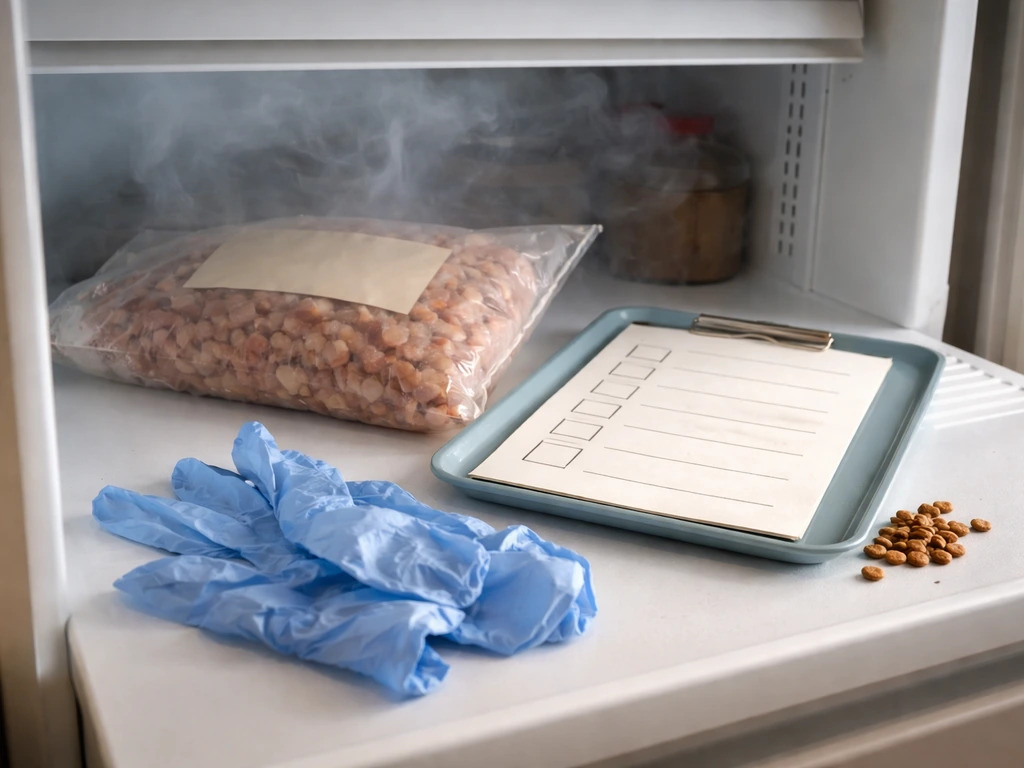
You do not need a long “waiting period,” but you should prevent cross-contamination. After disposing of the recalled bag, wipe down the shelf or drawer where it sat, then let surfaces air dry before placing human food in the same area. If there were spills or thaw water leaked, clean and disinfect that spot thoroughly.
Is it safe for children to touch the recalled food packaging or to help scoop it out?
No, children should not handle recalled raw pet food or any items contaminated with it. If a child touched packaging, bowls, or thawing surfaces, wash hands with soap and water right away and avoid letting the child touch their face until hands are cleaned. Consider removing the food area from child access entirely until you finish cleaning and you have switched to a non-raw diet.
Should I disinfect my cat’s water and food bowls after disposal, even if they look clean?
Yes. H5N1 and other pathogens can transfer via residue on surfaces even when the bowl appears clean. Wash bowls with detergent and hot water, then disinfect. Also clean the surrounding area where bowls were stored, because spills often contaminate countertops and sink edges.
What about my cat’s litter box, is there a risk from the recalled food there?
The main risk is from direct handling and contaminated surfaces during feeding. Litter boxes are not typically where raw-food virus transfer happens, but you should still maintain hygiene, wash hands after cleaning, and avoid touching your face. If food spills occurred in the feeding area that your cat then tracked litter, clean that area normally.
Do I need to worry about other household pets, or is this only a cat issue?
The recall applies to specific raw products, regardless of the animal that eats them. If you feed any other pets the same recalled raw cat food, stop for all pets immediately. If you only feed those pets cooked diets or dry kibble, the risk is much lower, but still clean shared feeding tools and areas.
I use raw pet food from other brands that use poultry, should I stop everything or just the recalled products?
Stop any product whose brand, product name, and lot code match an active recall. For other raw poultry-based brands that are not on the recall list, the risk is not zero, so consider pausing raw feeding during the outbreak or switching to heat-treated diets. If you continue raw, choose brands that can document lot-level testing and that explicitly address H5N1 in their safety plan updates.
If I want to switch my cat from raw to cooked, what transition approach reduces stomach upset?
Make the change gradually over several days by mixing increasing portions of the cooked or heat-treated diet with the current diet, unless your vet recommends an immediate switch. Use separate utensils for raw versus cooked food, and do not reuse thawing containers. If your cat develops vomiting, diarrhea, or loss of appetite, contact your veterinarian.
What human health steps matter most after handling recalled raw cat food?
Treat it like handling raw poultry. Wash hands thoroughly after every contact, clean countertops and sink areas where food or thaw water touched, and avoid using the same cutting boards or prep areas for human food. If you get raw juice on clothing or towels, wash them immediately. If you have symptoms consistent with respiratory infection within about 10 days of exposure, contact a clinician and mention the potential H5N1 exposure.
How can I tell if a product is truly affected when the label information is confusing?
Use all three matching fields: brand name, exact product name, and lot code (and the lot-related date information shown on the packaging). Do not rely on color, imprint style, or bag size alone. If the packaging is missing or illegible, your best option is to stop feeding it and confirm the status through the current official recall list before using it again.