The word 'rescue' in this search has at least three different meanings, and the honest answer depends on which one you mean. If you are asking whether wildlife rescue actions can save a bird infected with highly pathogenic avian influenza (HPAI), the answer is almost always no: mortality in susceptible species is extremely high, and attempting a rescue puts you at risk. If you are asking whether 'Rescue' refers to a specific disinfectant product, no single product brand is universally called 'Rescue' in bird-flu guidance, though accelerated hydrogen peroxide disinfectants (sometimes marketed under that name) are effective against enveloped viruses like influenza A when used correctly. And if you are asking the broader question of whether rescue-type interventions, including disinfectants, heat, sunlight, and UV light, can inactivate the bird flu virus in the environment, then yes: all of those approaches work under the right conditions, and this article walks through exactly what those conditions are.
Does Rescue Kill Bird Flu? What Rescue Can and Can't Do

What people mean by 'Does rescue kill bird flu?'
This is genuinely one of those search queries that means different things to different people, and I want to address each interpretation directly so you can skip to what actually applies to your situation.
The most common interpretation is probably the practical, urgent one: someone has found a sick or dead bird, they want to help, and they are asking whether rescue efforts work. The evidence here is sobering. HPAI H5N1 (clade 2.3.4.4b), the strain driving current outbreaks, causes near-total mortality in chickens and turkeys, and increasingly severe disease in wild birds including raptors, shorebirds, and even some waterfowl. A sick bird showing neurological signs, inability to stand, or labored breathing in the context of an HPAI outbreak has a very poor prognosis regardless of intervention.
The second interpretation involves 'Rescue' as a brand or product name. Accelerated hydrogen peroxide (AHP) products, some of which are marketed as 'Rescue' disinfectants in veterinary and agricultural settings, are effective against influenza A viruses at labeled concentrations. If that is what you are looking for, the short answer is yes, used correctly, AHP disinfectants inactivate bird flu virus on surfaces.
The third interpretation is the broadest and most educational: can any combination of rescue-type environmental and chemical interventions, meaning disinfectants, heat, cooking, sunlight, or UV light, actually kill the bird flu virus? Yes, all of them can, each with specific conditions, concentrations, temperatures, or exposure times that matter enormously. The sections below cover each one in detail.
Quick bottom line: can rescue actions and environmental measures inactivate avian influenza?
| Method | Does it work? | Key condition | Practical limitation |
|---|---|---|---|
| Rescuing an infected bird | Rarely saves the bird | HPAI mortality approaches 100% in poultry; high in many wild species | Also exposes you to infection risk; not recommended for public |
| EPA-registered disinfectants (bleach, AHP, Virkon S, alcohols) | Yes | Correct concentration + adequate contact time on pre-cleaned surface | Organic matter (feces, blood) drastically reduces efficacy; clean first |
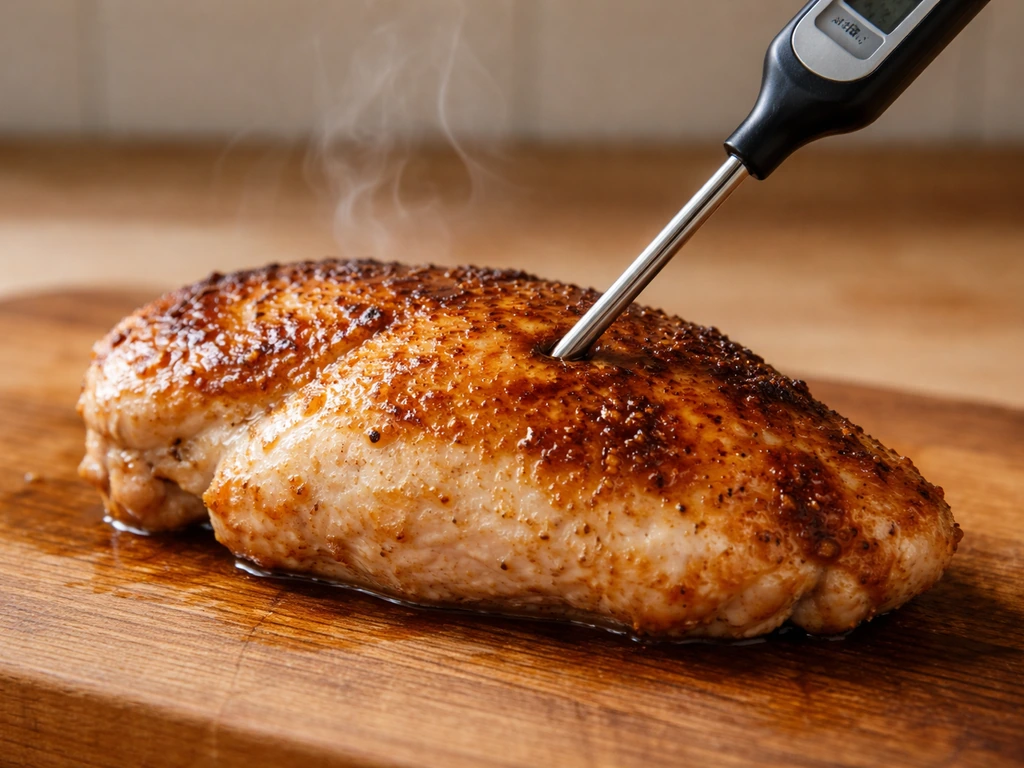
| Heat (cooking) | Yes | 165°F / 74°C internal temperature for poultry and eggs | Only applies to food safety; does not help with environmental contamination |
| Environmental heat | Partial | Virus survives longer in cold; inactivated faster at high temps | Outdoor summer temperatures alone are insufficient for reliable disinfection |
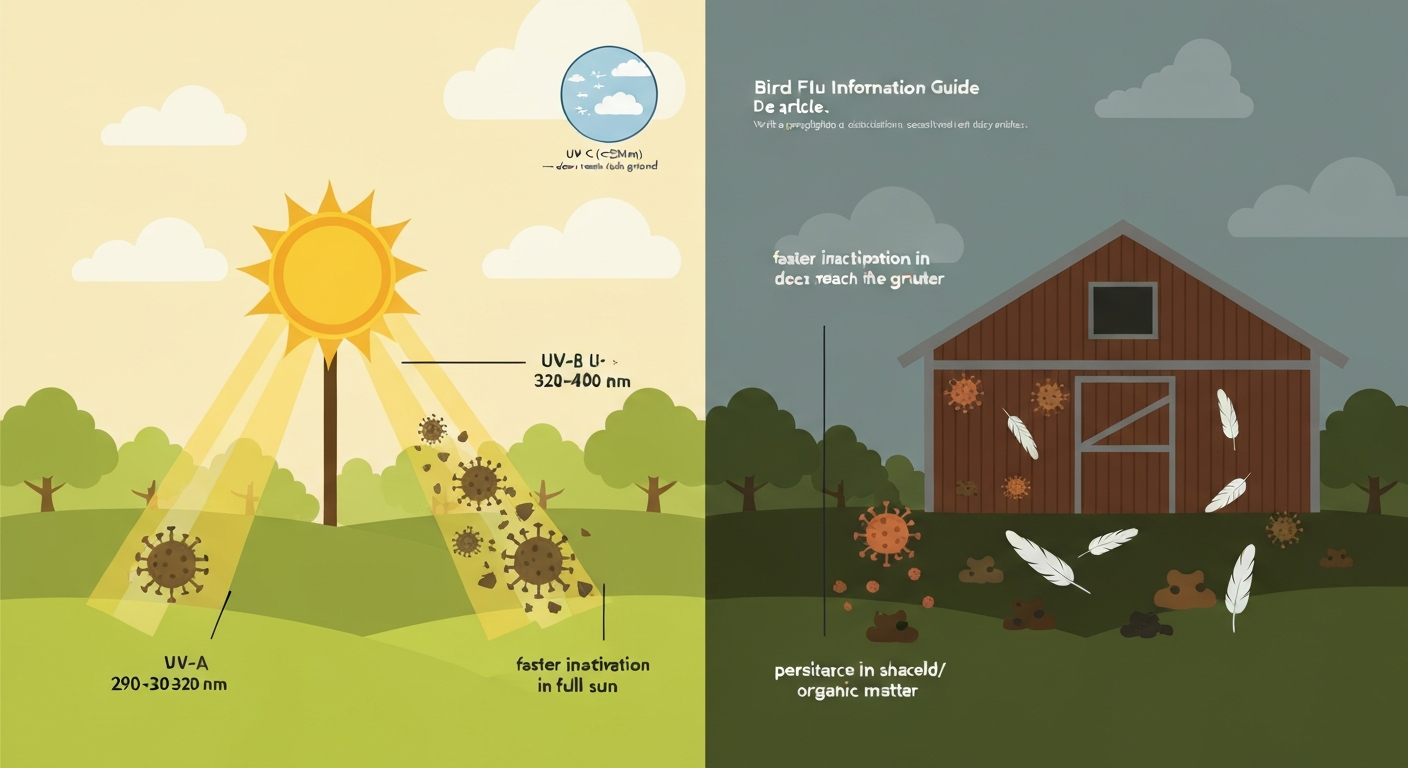
| Direct sunlight (UV-A/UV-B) | Yes, partially | Prolonged direct exposure on thin, clean surfaces | Blocked by shade, organic matter, and distance; not a standalone method |
| UV-C devices | Yes, in controlled settings | Proper wavelength, intensity, exposure time, and line-of-sight | Not validated for contaminated poultry houses or outdoor use at scale |
How avian influenza actually affects birds
Avian influenza viruses are classified as either low pathogenic (LPAI) or highly pathogenic (HPAI) based on how sick they make domestic poultry. That distinction matters enormously for any rescue conversation.
LPAI vs. HPAI: what the labels actually mean
LPAI strains typically cause mild respiratory signs, reduced egg production, or even no visible symptoms at all. Birds can recover. HPAI strains, particularly the H5N1 clade 2.3.4.4b viruses responsible for the ongoing global outbreak, are a different matter entirely. In commercial chicken and turkey flocks, HPAI can kill nearly 100% of birds, sometimes within 24 to 48 hours of first signs. The speed and scale of mortality in poultry is one reason why any attempt at individual bird rescue in a confirmed HPAI outbreak makes little practical sense and creates biosecurity risks.
Wild birds: it is not a single story
Wild birds behave differently depending on the species and the specific virus strain. Dabbling ducks and other waterfowl have historically served as asymptomatic or mildly affected reservoirs, capable of carrying and shedding virus without appearing sick. However, with the current H5N1 clade 2.3.4.4b, even some waterfowl are experiencing increased morbidity, and other wild species like bald eagles, great horned owls, snow geese, pelicans, and shorebirds are experiencing mass mortality events. Raptors appear particularly vulnerable, likely because they consume infected prey. So if you find a raptor that cannot fly, cannot hold its head upright, or is circling aimlessly near a wetland during an HPAI outbreak period, HPAI is a serious possibility and the bird's prognosis is often poor.
The bottom line on bird mortality: HPAI does kill birds, often very efficiently and very quickly. Whether an individual bird survives depends on the species, the viral strain, the dose it was exposed to, and its immune status. For most susceptible species in current outbreak conditions, survival without intervention (and often with it) is unlikely.
Separating animal-health from human-health risks
This is one of the most important distinctions to make clearly, because the two risk categories require very different responses. HPAI is devastating to birds. Its risk to humans, while real and worth taking seriously, is much lower, and the protective measures that reduce that risk are straightforward.
What the human risk actually looks like
Human infections with H5N1 are rare and almost always linked to direct, unprotected contact with infected animals or heavily contaminated environments. The virus does not spread easily from person to person. As of mid-2026, the vast majority of human cases globally have been connected to occupational or very close exposure, whether on poultry farms, in live-bird markets, or (more recently in the United States) during dairy cattle operations. That context matters: if you are a backyard flock owner, a wildlife rehabilitator, or a concerned member of the public who found a sick bird, your actual risk is present but manageable with the right precautions, and it is categorically different from the risk facing your birds.
What rescuers and bird owners need to do differently
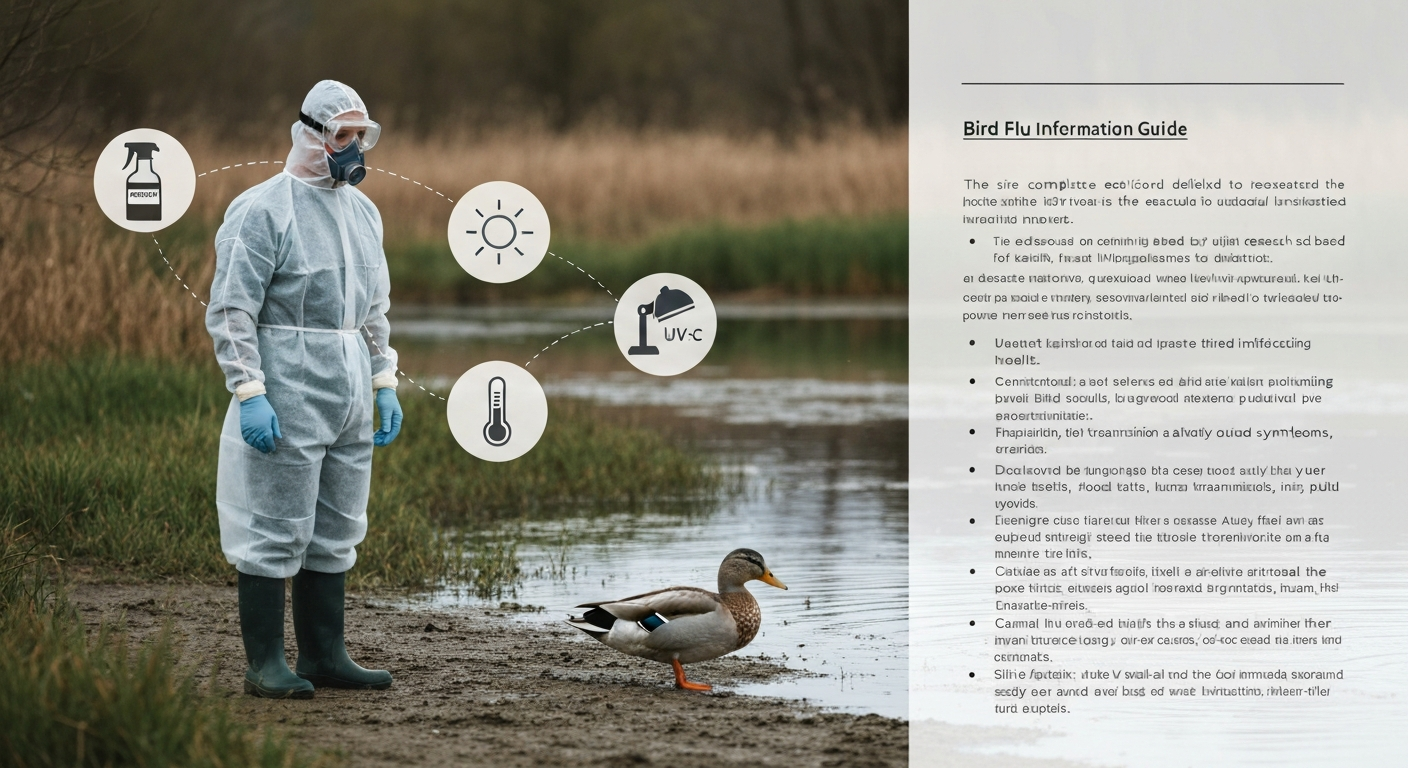
The CDC recommends that anyone working near sick or dead birds, or their contaminated environments, wear gloves, eye protection, a disposable gown or coveralls, and a respirator rated at least as protective as an N95 for any task that could generate aerosols (turning a carcass, hosing down a contaminated area, handling respiratory secretions). CDC interim recommendations include PPE, site-specific hazard assessments, monitoring exposed persons, antiviral guidance, and restricting unprotected public contact with infected animals blank" rel="noopener noreferrer">Interim Recommendations for Prevention, Monitoring, and Public Health Investigations — CDC. OSHA guidance for workers in higher-exposure settings specifies a NIOSH-certified N95 or better as part of a formal respiratory protection program that includes medical evaluation, fit testing, and training. For members of the public who are not trained, not equipped, and not expected to encounter these situations regularly, the CDC and state wildlife agencies are consistent: blank" rel="noopener noreferrer">do not touch sick or dead wild birds. Report them. Let trained responders handle the situation.
If you are a licensed wildlife rehabilitator or a poultry owner who has to manage an exposure, the National Wildlife Rehabilitators Association (NWRA) provides HPAI-specific resources and protocols, and USDA APHIS has reporting requirements and response resources for poultry operations. Coordinate with your state wildlife agency before taking any action with a potentially infected bird.
- Do not pick up or handle sick or dead wild birds with bare hands
- If you must move a carcass (for example, away from pets or children), use two layers of plastic bags worn as gloves, then seal the carcass inside and wash hands thoroughly with soap and water
- Report clusters of sick or dead birds to your state wildlife agency or USDA Wildlife Services
- Poultry owners: report unusual deaths immediately to your state veterinarian or USDA APHIS
- If you have had unprotected exposure, monitor yourself for fever, respiratory symptoms, or conjunctivitis for 10 days and contact your health department
- Antivirals (oseltamivir) are available for post-exposure prophylaxis in certain occupational contexts; discuss with your healthcare provider or local health department
A note on depopulation and euthanasia
When HPAI is confirmed in a poultry flock, USDA APHIS typically requires depopulation (culling) of the entire affected flock as the primary disease-control measure, followed by thorough disinfection of the premises. This is not a rescue failure; it is a deliberate and regulated response designed to prevent further spread, protect other flocks, and limit the risk to surrounding wildlife and humans. The AVMA provides guidelines on depopulation methods that balance animal welfare with practical and human-safety constraints. These decisions are made by animal-health authorities, not individual owners, once a federal response is triggered.
How long the virus survives in the environment
Understanding how persistent avian influenza is in the environment helps explain why disinfection protocols, temperature thresholds, and sunlight exposure matter so much. Bird flu virus is an enveloped influenza A virus, and that envelope, while making it more susceptible to many disinfectants than non-enveloped viruses, does not mean it is fragile in all conditions.
Cold temperatures are the virus's friend. In water at 17°C (about 63°F), influenza A viruses can remain viable for over 100 days. In cold, wet environments like frozen ponds, mudflats, or the interior of a frozen carcass, survival can be even longer. Warm, dry conditions shorten survival significantly. On hard surfaces at room temperature, the virus typically survives hours to a few days depending on humidity and the presence of organic material. In carcasses, the virus can remain viable for days to weeks depending on temperature.
Organic matter is the critical variable in all disinfection scenarios. Feces, blood, mucus, and feathers all shield the virus from disinfectants, UV light, and desiccation. This is why every reputable disinfection protocol starts with physical removal of visible contamination before any chemical disinfectant is applied.
What kills bird flu on surfaces: disinfectants that actually work
Because avian influenza A is an enveloped virus, it is susceptible to a wide range of standard disinfectants, provided they are used correctly. The EPA maintains lists of products registered for use against influenza A viruses, including its List Q for emerging viral pathogens. The CDC specifically advises backyard flock owners to clean visibly soiled items with soap and water first, then apply an EPA-registered disinfectant with a label claim against influenza A viruses, following the manufacturer's instructions for concentration and contact time. See community discussions (search: what kills bird flu on surfaces reddit) for practical user experiences and tips on disinfectant use. See what kills bird flu for a focused resource on disinfectants, heat, and environmental measures that inactivate avian influenza. For a quick summary of effective products and protocols, see what kills bird flu on surfaces.
| Disinfectant type | Common examples | Typical effective concentration | Contact time (general guidance) | Notes |
|---|---|---|---|---|
| Sodium hypochlorite (bleach) | Household bleach, pool shock | 0.1% to 0.5% (1,000 to 5,000 ppm available chlorine) | 1 to 10 minutes on clean surface | Degrades rapidly in sunlight and heat; prepare fresh; corrosive at high concentrations |
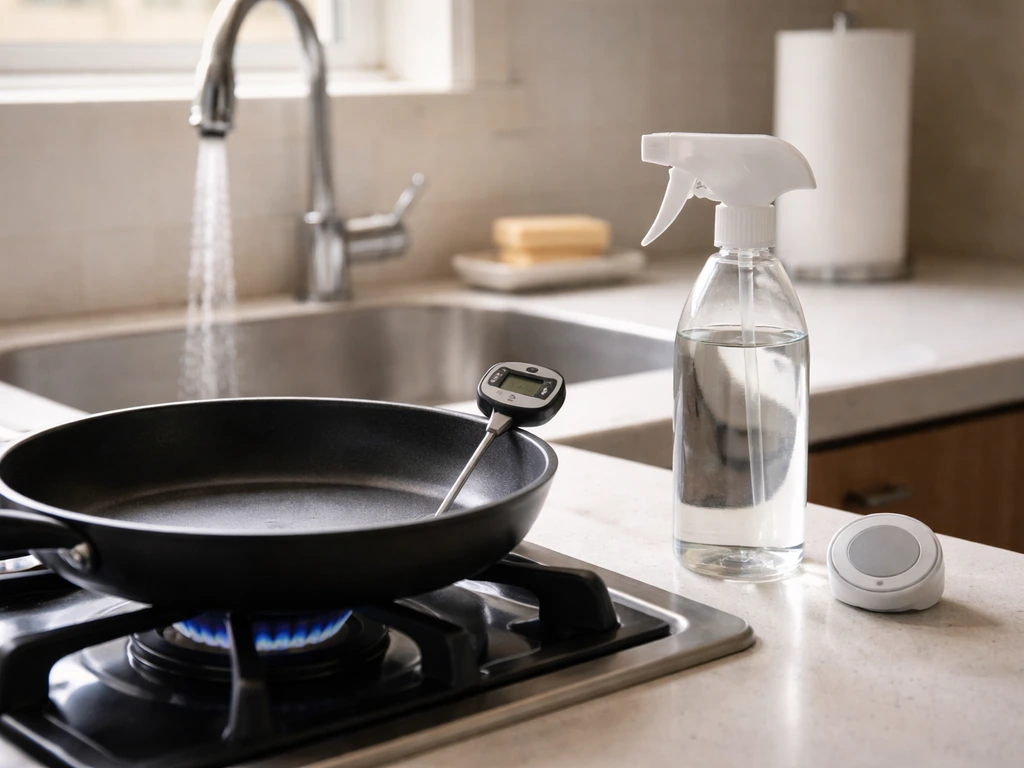
| Accelerated hydrogen peroxide (AHP) | Rescue, Accel, Virox products | 0.5% AHP (label-specific) | 1 to 5 minutes on pre-cleaned surface | Lower toxicity; less affected by organic matter than bleach; check label |
| Quaternary ammonium compounds (quats) | Many agricultural and veterinary disinfectants | Varies widely by product; follow label | 2 to 10 minutes | Efficacy reduced by hard water and organic load; not all quats cover enveloped viruses equally |
| Potassium peroxymonosulfate (Virkon S) | Virkon S | 1% solution | 10 minutes | Commonly used in poultry and veterinary settings; effective but follow label |
| Isopropyl or ethyl alcohol | 70% IPA, ethanol hand sanitizer (60%+ ethanol) | 70% isopropyl or 60-80% ethanol | 30 seconds contact for hand hygiene | Useful for hands and small equipment; not practical for large surface areas; evaporates quickly |
| Formaldehyde/glutaraldehyde | Formalin solutions, Cidex | Product-specific | Variable | Effective but high toxicity; restricted use; not for general public use |
The most important practical point is the two-step process: physical cleaning first, then disinfection. Skipping the cleaning step and applying disinfectant directly to a contaminated, feces-covered surface is largely a waste of effort. The organic material neutralizes or physically blocks most disinfectants before they can reach the virus. For backyard coops, remove all litter and visible debris, scrub with detergent and water, rinse, allow to drain, and then apply your chosen disinfectant at the correct dilution and leave it on the surface for the full contact time before rinsing or allowing animals back in.
Does heat kill bird flu? Temperatures that matter
Heat is one of the most reliable inactivators of avian influenza, but the temperature threshold and context matter a great deal. For detailed guidance on temperatures and cooking safety, see does heat kill bird flu. For specific thresholds and practical guidance on what temperature kills bird flu, see the dedicated temperature section. There are two distinct heat scenarios worth separating: food safety (cooking) and environmental temperature.
Cooking temperatures: the food safety answer
This is the clearest and most reassuring part of the heat discussion. The USDA, CDC, and WHO all agree: cooking poultry to an internal temperature of 165°F (74°C) inactivates avian influenza viruses. Eggs should be cooked until both the yolk and white are firm, or processed to equivalent heat standards. Properly cooked poultry and eggs from the regulated food supply are safe to eat, even during an active HPAI outbreak. The concern about food safety applies mainly to handling raw poultry (wash hands, avoid cross-contamination) and to ensuring proper cooking temperature, not to the end product of a thoroughly cooked meal.
Environmental heat: what outdoor temperatures actually do
Avian influenza is inactivated faster at higher environmental temperatures, but ambient outdoor heat, even in summer, is not a reliable disinfection strategy. The virus survives much longer in cold, wet conditions (think winter waterfowl habitat) than in hot, dry ones. Studies have shown survival times dropping from weeks at low temperatures to hours or a day or two at temperatures above 37°C (98.6°F). But relying on a warm day to disinfect a contaminated coop, water trough, or feed area is not a substitute for actual cleaning and disinfection. Heat-accelerated inactivation is a background factor, not a protocol.
Does sunlight or UV light kill bird flu?
Sunlight does inactivate avian influenza virus, and so does UV-C light from germicidal devices. But both come with significant practical limitations that matter enormously before you rely on either as a disinfection strategy.
Natural sunlight: real effect, real limits
The UV-A and UV-B components of natural sunlight damage viral RNA and proteins, reducing infectivity over time. In studies of avian influenza in water and on surfaces, direct sunlight exposure accelerates viral inactivation compared to shade. The critical word is 'direct.' Sunlight has to actually hit the virus, and anything blocking it, including shade, organic matter, biofilm, depth of water, or the surfaces of feeders and troughs, essentially eliminates the UV effect. Virus in feces sitting in a shaded corner of a coop is not being meaningfully inactivated by sunlight. Virus in a thin layer of water in a shallow, uncovered dish on a sunny day is. The practical takeaway is that sunlight can help in open, outdoor, clean environments, but it is not a substitute for disinfection, and it works poorly anywhere that organic contamination or shade is present.
UV-C devices: controlled efficacy with strict requirements
UV-C germicidal lamps (typically 254 nm wavelength) are effective at inactivating influenza A viruses in controlled laboratory and clinical settings. See does UV light kill bird flu for a focused Q&A on UV effectiveness and safety. The dose required (measured in mJ/cm²) depends on the virus, the surface, and the presence of any shielding material. UV-C works only in direct line-of-sight, meaning any shadow, curved surface, crack, or layer of organic material is a dead zone. UV-C devices marketed for home or farm use vary widely in quality and output, and consumer-grade products are frequently underpowered or used incorrectly. They also pose a direct hazard to eyes and skin. A UV-C device can be a useful adjunct in a controlled setting (like a hatchery anteroom or a veterinary clinic) run by trained personnel, but it is not a practical standalone solution for contaminated poultry housing or outdoor bird-contact areas. Standard chemical disinfectants used correctly are far more reliable and accessible for those settings.
A practical comparison of environmental inactivation methods
| Method | Effective against bird flu? | Best used for | Key limitation |
|---|---|---|---|
| Direct natural sunlight | Yes, with time | Open outdoor areas, thin clean water films | Blocked by shade, organics, and any depth of water |
| UV-C germicidal lamps | Yes, in controlled settings | Enclosed treated spaces with line-of-sight access | No penetration, hazard to eyes/skin, variable device quality |
| Ambient outdoor heat (summer) | Partially, accelerates decay | Background factor in dry, sunny environments | Too slow and variable for reliable disinfection |
| Cooking heat (165°F / 74°C) | Yes, reliably | Food safety for poultry and eggs | Only applies to food; irrelevant to environmental contamination |
Putting it all together: practical steps for rescuers and bird owners
Whether you are a backyard flock keeper who found dead birds, a licensed wildlife rehabilitator responding to a call, or just someone who encountered a sick bird in a park, the right actions follow the same basic logic: protect yourself first, report second, and let trained authorities make the call on intervention.
- Do not touch sick or dead wild birds with bare hands. If handling is unavoidable (for example, to prevent a pet from accessing a carcass), use doubled plastic bags as improvised gloves, then seal and dispose of the bags.
- Put on PPE before any contact with potentially infected birds or contaminated materials. At minimum: disposable gloves, eye protection, and a face covering. For tasks that stir up dust, aerosols, or dried secretions (cleaning a coop, handling a carcass), add an N95 respirator and disposable gown or coveralls.
- Report clusters of sick or dead wild birds to your state wildlife agency or USDA Wildlife Services (1-866-4USDA-WS). For backyard flocks, contact your state veterinarian or USDA APHIS immediately.
- Do not bring sick wild birds to a wildlife rehabilitator without calling ahead first. Licensed rehabilitators need to assess the situation and may be operating under specific HPAI protocols from their state agency.
- After any potential exposure, remove and bag disposable PPE, wash hands with soap and water for at least 20 seconds, and shower and change clothes before going inside.
- Monitor yourself for 10 days after unprotected or inadequately protected exposure: watch for fever (above 100.4°F / 38°C), cough, sore throat, shortness of breath, or eye redness. Contact your local health department if symptoms develop.
- For poultry facilities: follow USDA APHIS biosecurity guidelines (the Defend the Flock program), use footbaths and disinfection stations at all entry points, keep wild birds away from feed and water sources, and do not share equipment between farms without thorough disinfection.
Common myths worth correcting
Social media circulates a lot of misinformation about bird flu, particularly around disinfection and food safety. A few things come up repeatedly enough to be worth addressing directly.
- Myth: 'Bleach kills bird flu instantly.' Fact: Bleach at the right concentration does inactivate avian influenza, but only on a pre-cleaned surface after adequate contact time (at least 1 to 10 minutes depending on concentration). Spraying bleach on feces-covered surfaces without cleaning first is largely ineffective.
- Myth: 'You cannot get bird flu from eating eggs or chicken.' Fact: Properly cooked poultry and eggs are safe. However, handling raw poultry requires standard food-hygiene practices, and any bird that died from HPAI should not enter the food chain.
- Myth: 'If a bird looks healthy, it is not infected.' Fact: Some species, particularly certain waterfowl, can shed HPAI virus without appearing visibly ill. This is one reason proximity to apparently healthy wild waterfowl on contaminated wetlands still carries some biosecurity risk for domestic flocks nearby.
- Myth: 'Sunlight disinfects a contaminated coop.' Fact: Sunlight helps in open, clean, direct-exposure scenarios, but it does not penetrate organic matter, shade, or enclosed spaces. A contaminated coop requires physical cleaning followed by chemical disinfection.
- Myth: 'Bird flu is just like regular flu for humans.' Fact: H5N1 has a historically higher case fatality rate in confirmed human cases than seasonal influenza, though human infections remain rare and are almost entirely tied to direct animal contact. The risk profile is very different from seasonal flu.
Where to get official, current guidance
Avian influenza outbreak status and guidance documents update frequently, so it is worth bookmarking the primary sources rather than relying on secondary summaries (including this one) for the most current recommendations. The CDC's Bird Flu website covers human health risks, PPE recommendations, and monitoring protocols. USDA APHIS maintains current outbreak maps, flock-level response resources, and the Defend the Flock biosecurity program. The EPA's List Q provides current registered disinfectants for emerging viral pathogens. For wild birds, your state wildlife agency is the best first contact, and the NWRA provides HPAI resources specifically for rehabilitators. The WHO and WOAH (World Organisation for Animal Health) maintain global outbreak data and international guidance.
FAQ
What does the search “does rescue kill bird flu” likely mean, and what is the short answer?
Likely meanings: (a) asking whether wildlife rescue actions or rescuers can ‘kill’ or stop the virus; (b) asking whether rescue products (disinfectants/cleaners) kill the virus; (c) asking whether environmental ‘rescue’ measures (sunlight, heat, UV) inactivate the virus; or (d) asking whether the virus kills birds. Top-line answer: Rescue actions do not by themselves “kill” bird flu—proper disinfection, heat (to specified temperatures), approved chemical disinfectants, and appropriate UV can inactivate avian influenza virus when used correctly. Separately, certain avian influenza strains (highly pathogenic H5 viruses) can and do kill birds, sometimes causing high mortality in poultry and some wild species. Follow official guidance for safe handling, PPE, reporting, and disinfection (CDC, USDA/APHIS, state wildlife agencies). (Sources: CDC, USDA, WHO/WOAH).
Which avian influenza strains are most dangerous to birds, and does bird flu kill birds?
Avian influenza viruses are typed by subtype (e.g., H5N1) and by pathogenicity. Highly pathogenic avian influenza (HPAI) strains—most notably some H5 clades—can cause severe disease and very high mortality in domestic poultry (often approaching 100% in affected flocks). In wild birds, outcomes vary by species and strain: some waterfowl can carry and shed virus with few signs, while other wild species (and some recent H5 clades) have caused mass die-offs. Low pathogenic strains typically cause mild disease. (Sources: peer-reviewed reviews; USDA/APHIS).
How long does avian influenza virus survive in the environment (surfaces, feces, water)?
Survival depends on temperature, humidity, organic load, and surface type. In general: - Cooler, moist conditions and organic material (feces, soil) preserve infectivity for days to weeks. - In warm, dry conditions virus decays faster (hours to days). - Virus survives longer in water and cold environments than on dry surfaces. Therefore environmental persistence is variable; assume contaminated materials may remain infectious long enough to pose risk and follow disinfection recommendations. (Sources: virology literature; CDC guidance).
Which household and commercial disinfectants work against avian influenza, and what concentrations/contact times should be used?
Avian influenza is an enveloped virus and is susceptible to many EPA-registered disinfectants when used per label. Effective options and principles: - Sodium hypochlorite (household bleach): common recommendation is 1:10 to 1:32 dilutions of household bleach for high-level disinfection depending on product strength—follow product label; for heavily soiled areas, clean first then apply disinfectant and maintain labeled contact time (often 1–10 minutes). - Alcohols (70% isopropanol or ethanol) are effective on clean, nonporous surfaces with proper contact time. - Accelerated hydrogen peroxide products and peroxygen disinfectants (e.g., Virkon S) are effective when used per label. - Use only EPA-registered products listed for influenza A or on List Q/EVP for emerging viral pathogens; follow label directions for concentration, contact time, surface compatibility, and personal safety. - Clean visible organic material first (soap and water) because organic load reduces disinfectant effectiveness. (Sources: EPA, CDC).
Are there official EPA lists of disinfectants to use against avian influenza?
Yes. Use EPA-registered disinfectants with label claims against influenza A viruses or products listed on EPA’s List Q/Emerging Viral Pathogens guidance. Always follow the manufacturer label for concentration and contact time; do not assume efficacy at reduced dilutions or shortened contact times. (Source: EPA List Q guidance).
Does sunlight or ordinary outdoor UV reliably inactivate avian influenza on surfaces or in the environment?
Sunlight (broad-spectrum solar UV) and environmental UV can reduce viral infectivity over time, especially on exposed surfaces and in direct sunlight, but effectiveness depends on intensity, angle, cloud cover, temperature, and how protected the virus is by organic material. Sunlight alone is not a reliable, rapid disinfection method for contaminated materials or for rescuers to rely on. Artificial germicidal UV-C can inactivate influenza viruses on surfaces or in air when deployed correctly, but it requires proper equipment, dosages, and safety controls (UV-C is harmful to skin and eyes) and is generally not a substitute for standard chemical disinfection in field rescue settings. (Sources: virology literature; CDC).">